小雪時節,北方開始飄雪,臺灣的田間則進入二期稻收割後的休養期。農友整地、播下綠肥,讓土壤在冬天慢慢養足力氣,準備來年春耕。這一期的《種碳文摘》,也想陪讀者在年末停一停,看看世界與我們腳下的土地各發生了什麼事。
本期主軸是剛在土耳其安塔利亞落幕的第31屆聯合國氣候變遷大會(COP31)。這是史上最長的一屆氣候大會,最後卻沒有通過總結決議。但在技術層面,國際碳市場正從「訂規則」走向「拚品質」:聯合國巴黎協定減量額度機制一年內新增與修訂了多項方法學、工具和標準,卻還沒有任何一項是給農地與森林的;唯一專屬農業的談判軌道,也延到2027年再議。對在臺灣與日本陪伴小農種碳的我們來說,這既是提醒,也是機會:農地土壤碳等不及國際談判,誠信、可查證、具共同效益的自願性專案,正是企業此刻就能參與的路。本期也替讀者算了一筆氣候金融的帳:已開發國家承諾的錢有增加,但適用於灌排、防洪與小農調適的資金仍遠遠不足,一筆錢從會場走到田間,往往比農時慢上一大截。我們特別整理了聯合國碳市場一年來通過與修訂的方法學、工具與標準清單,也提出臺灣農地現在就能開始累積的證據,讓企業在選擇合作夥伴時,有一份可以逐項核對的參考。
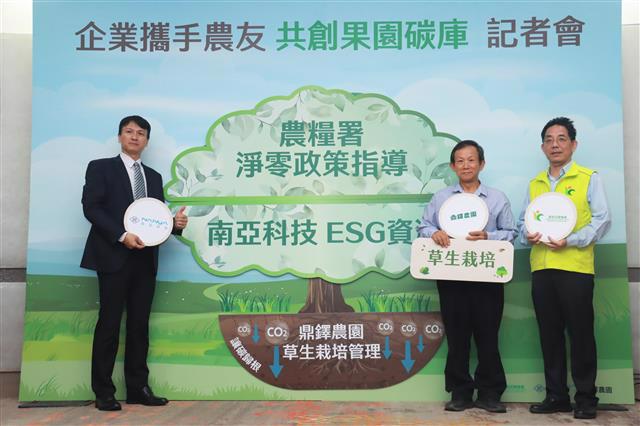
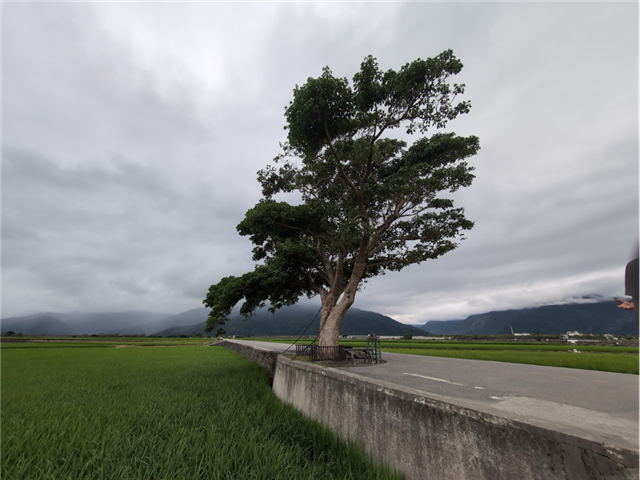
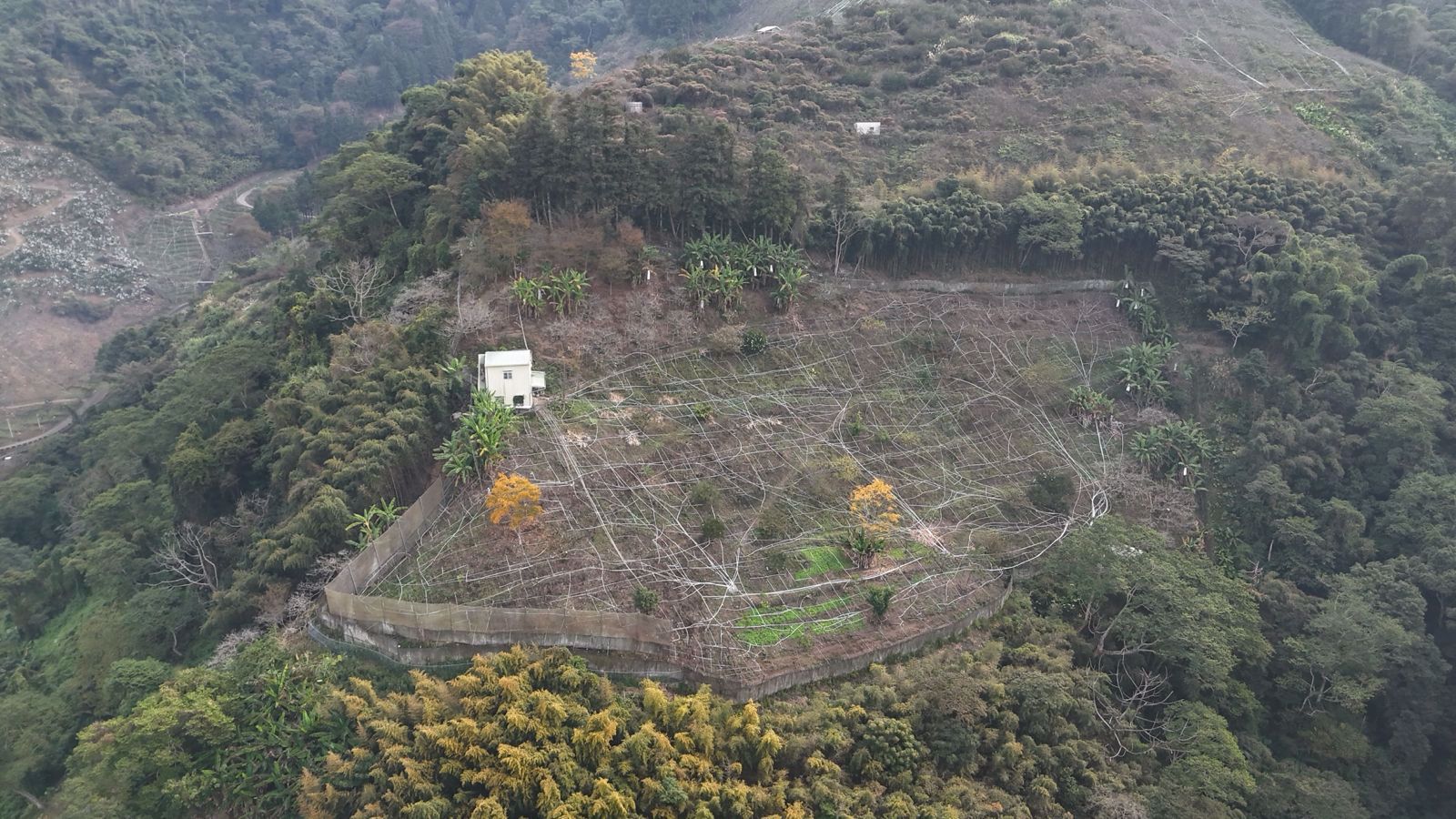
國際之外,我們也回到臺灣的田裡。花東稻農在連年颱風之後,仍在想辦法撐到下一季;南亞科技走進新竹峨眉的柑橘園,和農友一起試做草生栽培;屏東科技大學的研究團隊,正用邊緣人工智慧幫山坡果園的林世豐面對獼猴。這些故事都指向同一個問題:企業的支持,怎樣才能真正趕上農時,分擔農友的工時與風險?
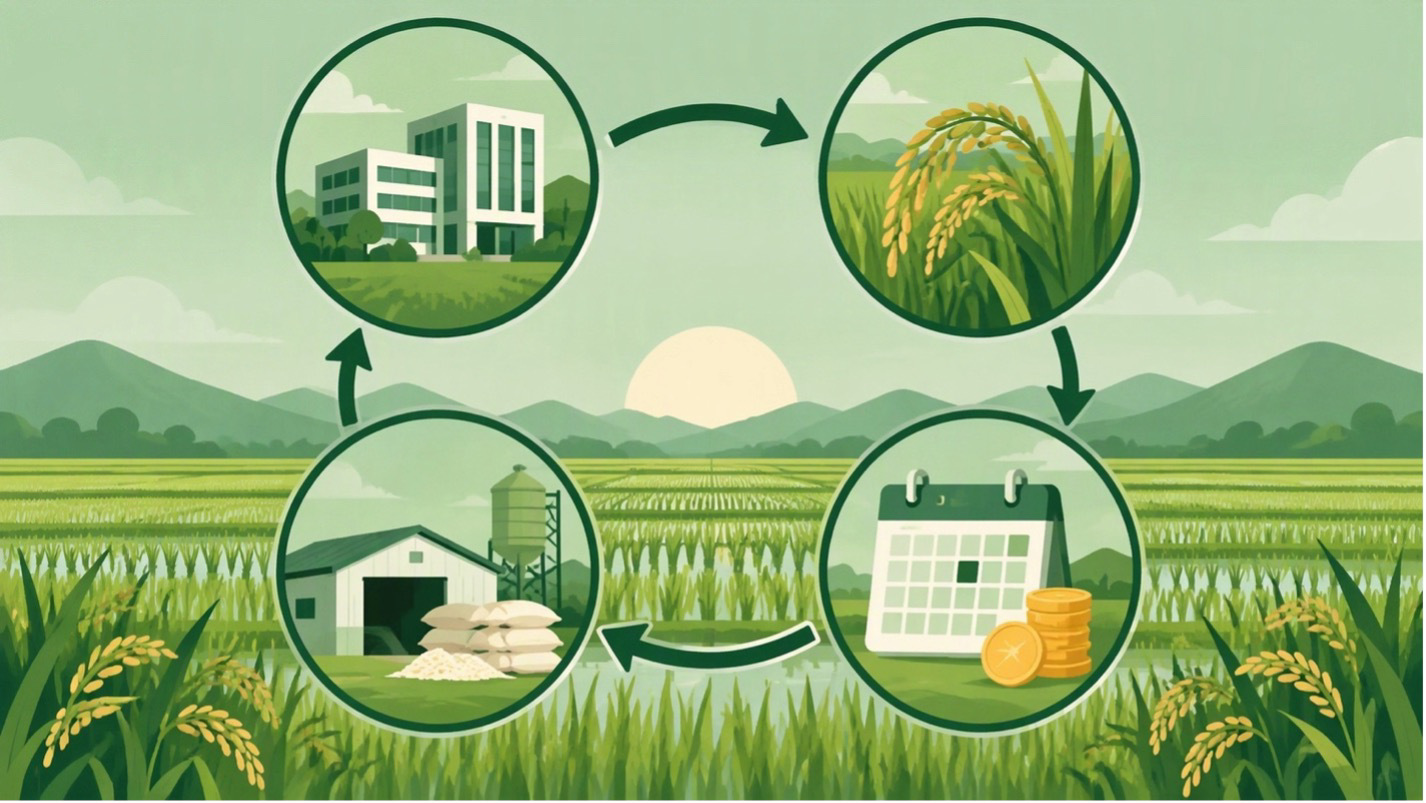
ESG綠色新幹線想做的,就是把這個問題拆成可以逐季核對的工作:付款日、受益農戶、復耕面積、土壤採樣。碳權不是終點;健康的土壤、一碗香甜飽滿的米飯,以及願意繼續耕作的農民,才是我們真正想守住的。歡迎企業、學校與朋友們到田裡走一走,嘗一口種碳田長出的米,聽農友說說他們的這一年。
From COP31 to Hualien–Taitung Paddies: How Corporate Support Can Keep Pace with the Farming Calendar
Xiaoxue, the Minor Snow solar term, brings the first snow to the north. In Taiwan, paddies rest after the second rice harvest; farmers till the soil and sow green manure so the land can recover over winter before spring planting. This issue invites readers to pause at year's end and look at what has happened, both globally and in the soil beneath our feet.
Our focus is COP31, the 31st UN Climate Change Conference, which has just closed in Antalya, Türkiye. It was the longest climate summit on record, yet it ended without a cover decision. On the technical side, however, international carbon markets are moving from rule-making to quality. Over the past year, the UN's Paris Agreement Crediting Mechanism adopted or revised a series of methodologies, tools and standards — none of them for farmland or forests — while the only negotiating track dedicated to agriculture was deferred to 2027. For those of us working alongside smallholder carbon farmers in Taiwan and Japan, this is both a warning and an opportunity: farmland soil carbon cannot wait for diplomats, and high-integrity, verifiable voluntary projects with real co-benefits are a path companies can join today. This issue also does the climate-finance arithmetic: pledges from developed countries are growing, but money for irrigation, flood control and smallholder adaptation remains far short of need, and funds often travel from the summit hall to the field far more slowly than the farming calendar allows. We have compiled the full list of methodologies, tools and standards the UN carbon market adopted or revised this year, and set out the evidence Taiwan's farms can start gathering now, giving companies a checklist when choosing partners.
Beyond the global stage, we return to Taiwan's fields. Rice farmers in Hualien and Taitung are still finding ways to reach the next season after years of typhoons. Nanya Technology has stepped into a citrus orchard in Emei, Hsinchu, to pilot cover cropping with the grower. A National Pingtung University of Science and Technology team is using edge AI to help hillside orchardist Lin Shih-feng cope with macaques. All of these stories ask one question: how can corporate support arrive in time for the farming calendar and genuinely share farmers' labour and risk?
The ESG Green Shinkansen aims to turn that question into work that can be checked every quarter: payment dates, participating farmers, replanted area and soil samples. Carbon credits are not the end goal. Healthy soil, a bowl of fragrant rice and farmers who choose to keep farming are what we truly want to protect. Companies, schools and friends are welcome to visit the fields, taste the rice grown on carbon farms, and hear farmers tell the story of their year.
 努力小農