努力小農
本文尚無譯文。
Food safety you can see but can't eat? Building a "metaverse" for consumers and smallholders
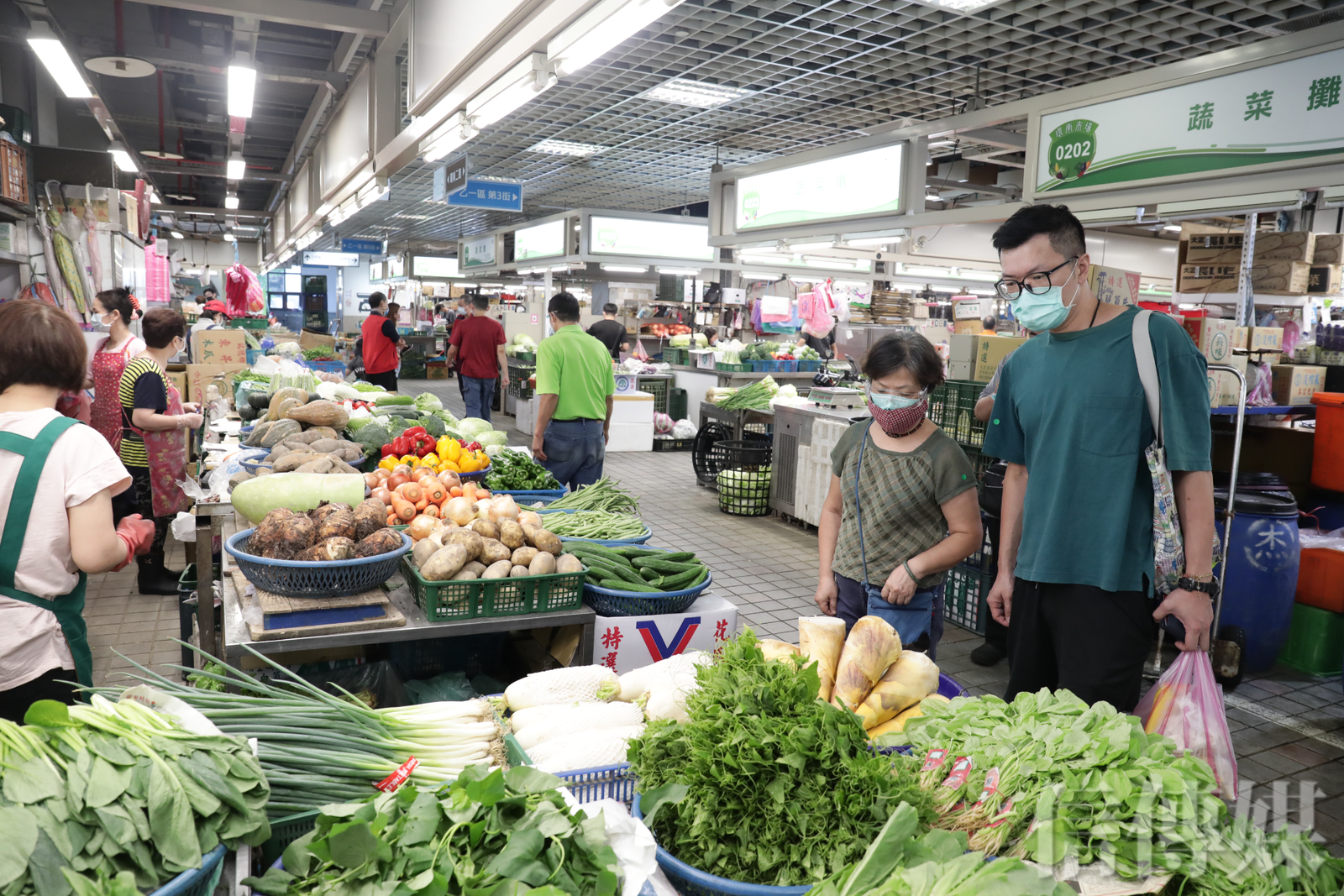
Test passes and certification labels: these certificates form a food safety "metaverse". But food is for eating, not for looking at. (Image: CM Media editorial team)
The metaverse is a hot topic. Its blend of virtual and real only gives ordinary people a sensory experience; but in real life, how can it be applied to make our lives better? Virtual reality, after all, has no reality. But if we flip the idea and make reality the genuine material and content of the virtual and digital — "virtualised reality" — then it has a chance to serve consumers and become a tool for communication between producers and consumers.
Smallholders become victims of virtual certification
Walk into a small eatery and you'll see several test and certification labels ("Passed XXX testing", pork origin labels and so on), but the owner's clothes are dirty, his fingernails black, maybe he's even smoking or chewing betel nut. Perhaps he once appeared on some "food show" and had his photo taken with the host. I keep my distance from places like that. These certificates form a virtual metaverse of food safety, but food is for eating, not for looking at.
Smallholders are the victims of this virtual "metaverse" of bad testing and certification, because they just farm and have no spare resources to cope with the costs and effort of testing. In the game of the supply chain, they are doomed to be eliminated.
The quality management guru Deming said, "Testing tolerates waste" — something fully borne out in my 20-plus years of industrial quality practice. Final testing can't improve a product's quality; it only finds defective products and scrap, and can't make good products. Good products come from production, planning and integrity; defects aren't made by testing, and testing only finds (produced) scrap.
Taiwanese consumers and manufacturers have a particular blind faith in "test reports", creating a virtual "food safety metaverse" that has reached the level of superstition. A friend has to run a whole pile of tests on every food product before it can go on supermarket and convenience store shelves; I can only smile wryly. These supermarkets and convenience stores really don't understand the true spirit and procedures of quality and food safety. Here are a few simple reasons:
Would a manufacturer hand a customer a failed test report?
The product tested isn't the product that goes on sale.
Is the sample sent for testing representative?
Are the testing company's reliability and validity trustworthy?
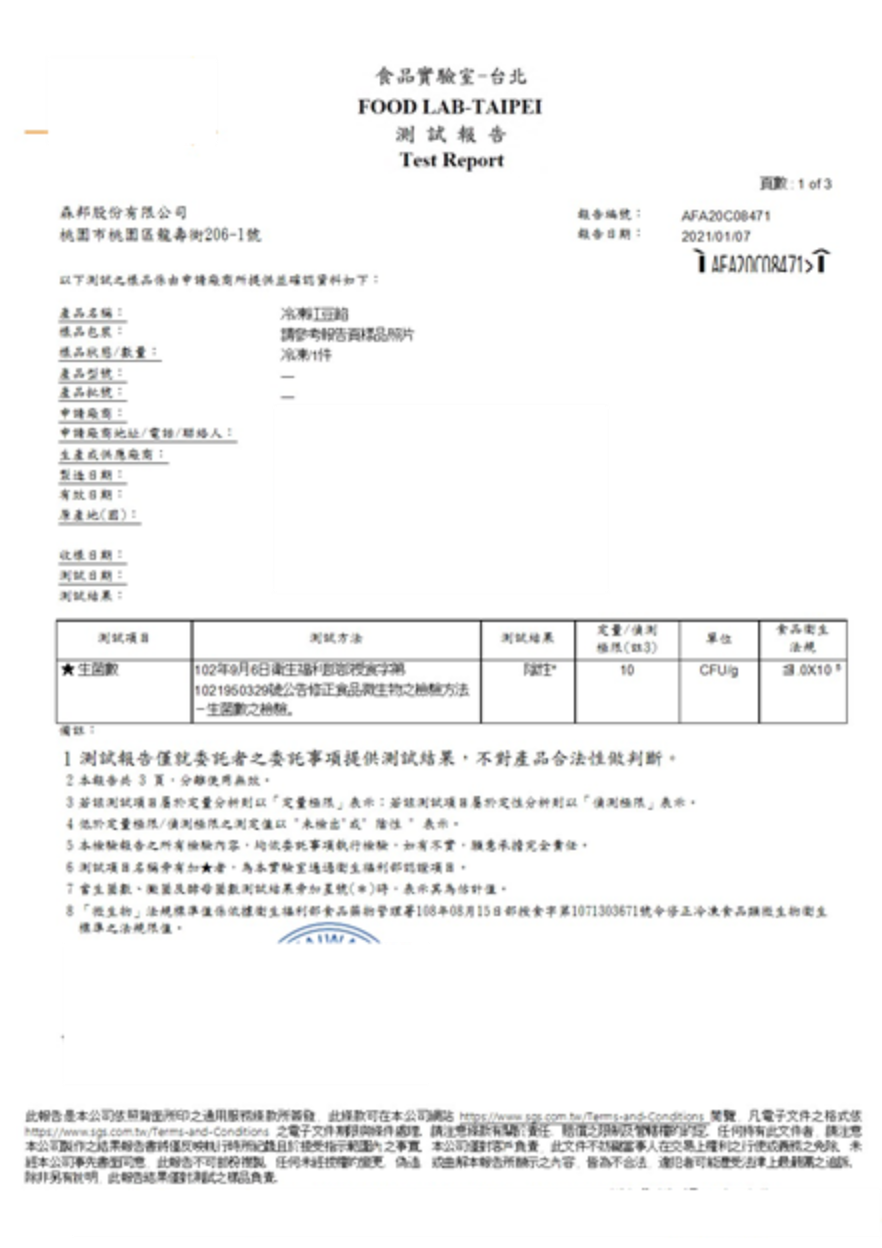
Every test report adds a disclaimer that gives the game away, saying in effect that it only reports test results for the items the client commissioned and makes no judgement on the product's legality.
Who wants a failed test report?
I once visited several testing companies and asked how many "failed test reports" they issue. They looked at me in surprise: "What customer wants a failed test report?" This shows the distance between the virtual world of the "certificate metaverse" and the real world.
A store has tens of thousands of products, and suppliers pay at least NT$3,000 per product for testing. If they put these resources into good supplier management rather than final testing, I believe costs would come down and all that red tape of testing and certification could be avoided.
Moreover, this formalistic testing and certification, which trusts paper rather than people, only lets each link in the supply chain shirk responsibility, and keeps some hard-working smallholders out of the mainstream market.
Smallholders may also misuse pesticides, damage soil and water conservation, or falsify products, because selling through middlemen they never face the end consumer, so they don't worry; or, selling online, there are plenty of gullible consumers, so they need all the more certificates to build up their credibility. Or someone else may tell their story while they buy in other people's produce to sell. Ads like this are everywhere on Facebook and YouTube.
Building a value chain for consumers and smallholders
Consumers bear responsibility too. If consumers put blind faith in ads and certificates without looking at who produced a product, where and how, they'll just be suckers.
Food safety, producer–consumer relationships and trust between people shouldn't rest on a few thin sheets of paper, but on trust built through long-term observation and acquaintance based on genuine, traceable data.
Everyone should take responsibility for the food they eat, and the food supply chain must be a value chain made of a chain of trust. Drawing on years of experience with quality management systems and on conversations with smallholders, we designed and developed the MiHuMiSang app, free for smallholders and consumers, to create together a value chain of integrity through a continuous chain of genuine, traceable information.
Of course, it's hard for individual consumers to get to know smallholders on their own. Thanks to technology, the internet and smartphones, consumers can now meet smallholders face to face through their phones — in effect building an honest smallholder "metaverse".
Source: CM Media ( https://www.cmmedia.com.tw/home/articles/32348 )