 努力小農
本文尚無譯文。
An invisible war: the Earth's sixth mass extinction, driven by humans
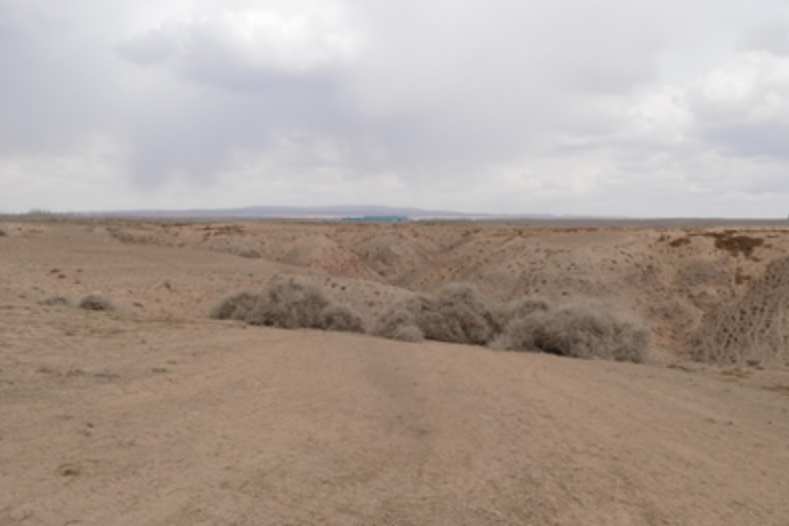
The Gobi stretches as far as the eye can see, yet it grows facai (hair moss), a cyanobacterium (Nostoc) that grows in the desert. Because it grows so slowly — 100 g needs more than 2,000 ping of land — it became a prized delicacy. Mass harvesting caused desertification, and harvesting was banned in 2000. It's an example of land becoming barren once its basic decomposers are destroyed.
In Sapiens (also known as A Brief History of Humankind), the Israeli historian Yuval Noah Harari describes how humans gradually moved from hunting and gathering into farming around ten thousand years ago, passing from the Cognitive Revolution to the Agricultural Revolution (not the so-called Green Revolution of the 1960s), which brought huge changes to the Earth's life, ecology and landscapes. He even argues forcefully, in essence, that the Agricultural Revolution increased the total food available to humans but did not make their lives better; instead it led to population explosions and pampered elites, farmers worked harder than foragers and ended up with a worse diet — that it was history's biggest fraud.
The sixth mass extinction is of humanity's own making
Ten thousand years of the Agricultural Revolution, plus 200-odd years of the Industrial Revolution and the technological and digital revolutions now under way, have made human change powerful enough to become a climate force, driving drastic global climate change. Perhaps this is "the Earth striking back" to revolutionise humanity out of existence. The sixth mass extinction humanity faces is of our own making.
Compared with other species, modern humans evolved from Homo sapiens only 100,000 years ago. Against the Earth's 4.6-billion-year history and the more than 2-billion-year history of bacteria and viruses, humans are like the last 3 seconds of a 24-hour day, and yet at lightning speed we have made every preparation to wipe ourselves out.
Seeing Russia attack Ukraine, threatening to put its nuclear forces on high alert and sending troops to target the Chernobyl plant, site of a nuclear disaster, and Zaporizhzhia, Europe's largest nuclear plant, makes one believe that humanity is only the distance between someone's fingertip and a nuclear button away from a "nuclear winter". Who would care about ±2°C or ±1.5°C then? Add to that 6 million COVID deaths worldwide, Taiwan losing almost 1% of its population last year as deaths outnumbered births, and prices soaring before our eyes every day — no wonder Taiwanese are even less willing to have children.
From pop idols to ethnic groups to plants, diversity is being lost
What has caused this? I think it is the loss of diversity that has brought us to this predicament heading towards extinction. Look around today: even "pop idols", carefully sculpted, all look much alike, losing the old diversity of beauty in every shape and size and defying the law of entropy.
Only small and diverse can stay stable over the long term; the big and unwieldy flourish and then decline. Even though we now have big data, AI, blockchain and the metaverse, can detect when meteorites and asteroids from space will hit the Earth, and the Webb Space Telescope can observe the aftermath of the Big Bang, we cannot tell whether Putin will press the nuclear button tomorrow.
Putin launched the war to wipe out Ukraine's "diversity", its difference from Russia. Even Western economic sanctions only provoke a bigger counterattack from this "fighting nation", including nuclear weapons.
Think about today's agriculture: big farms have unified species across tens of thousands of square kilometres, planting single crops of maize, soybeans, wheat and rice over huge areas. It looks spectacular, but it can't withstand bigger blows from pests and diseases. It seems "fast and economical" but haste makes waste: large monocultures of crops or livestock are more prone to large-scale epidemics that wipe everything out overnight, so huge amounts of pesticides are needed to kill insects and germs; and because a single crop exhausts the same soil fertility, chemical fertilisers are used to replenish "nutrients". To make plants and animals grow fast, growth-promoting antibiotics and hormones are added too.
An invisible war: humanity indiscriminately wiping out soil bacteria
Pesticides, chemical fertilisers, antibiotics and hormones are a biochemical war humans have launched on nature. Fertilisers and pesticides were originally invented from the manufacture of war gases, and we scatter them over the land without hesitation, waging an undeclared war on Mother Earth.
After the Industrial Revolution, large-scale, uniform production, cultivation and husbandry came from a greedy myth: some wanted to monopolise markets, drive down prices and control consumption. With the "Green Revolution" of the 1960s, agriculture adopted industrialised production on an even greater scale. Whether caused by industry or agriculture, environmental problems all stem from focusing only on cutting a company's internal costs while hardly considering external costs. Business is like a warmonger seeking short-term victory regardless of the consequences.
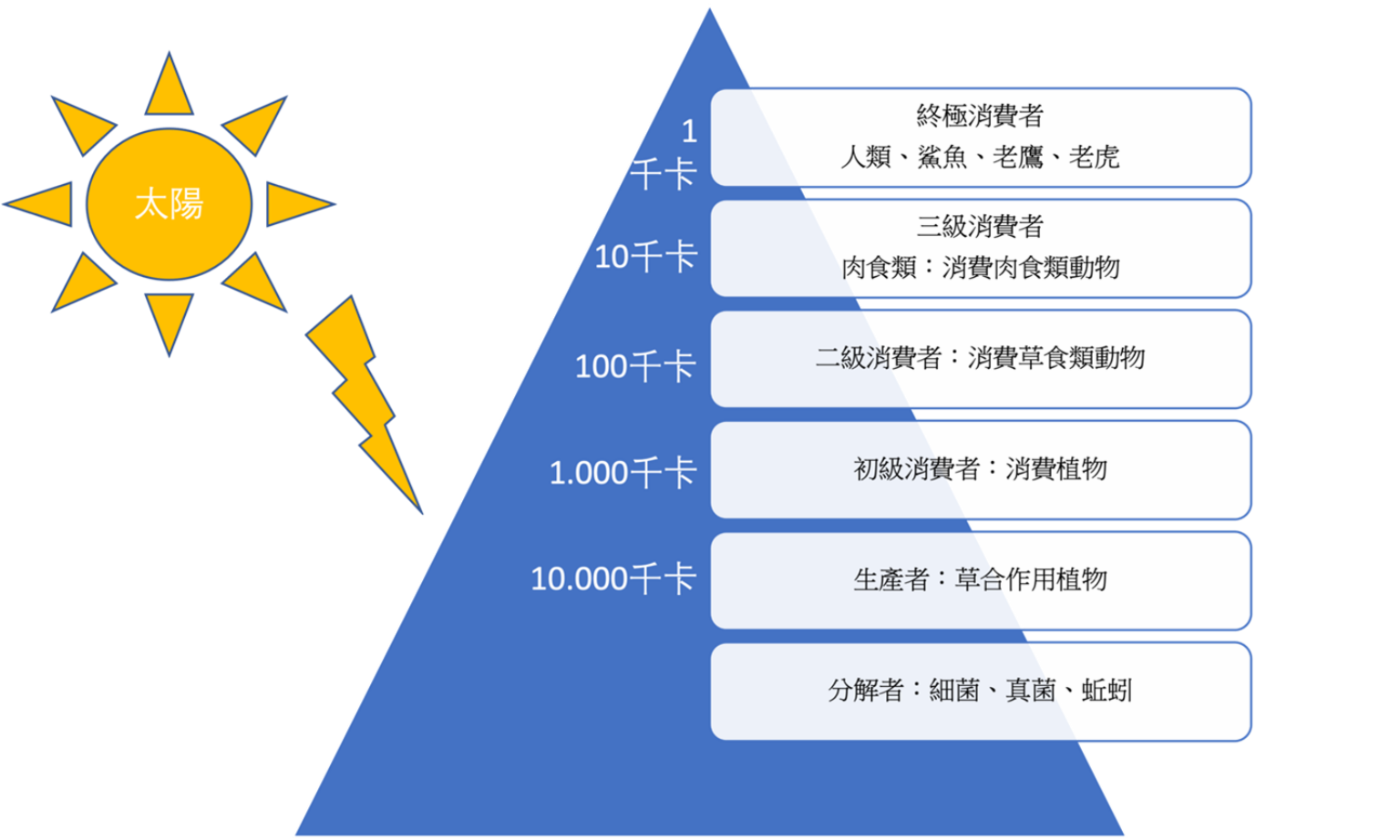
Ecology is a dynamic web of life built jointly by millions of species; some describe it as a food chain "pyramid", from bacteria, fungi, microbes, shrimp, small fish, insects, earthworms and reptiles at the bottom up to humans, forming a cycle of production, consumption and decomposition. Humanity's exhaustive way of producing, apart from wiping out species we can see — elephants, tigers, rhinos — only tears holes in a small part of the web. But agriculture's large-scale, indiscriminate destruction of soil bacteria is an invisible war.
Big farms and monocultures are no answer. To solve this ecological disaster we must first restore farm soil — soil is the answer.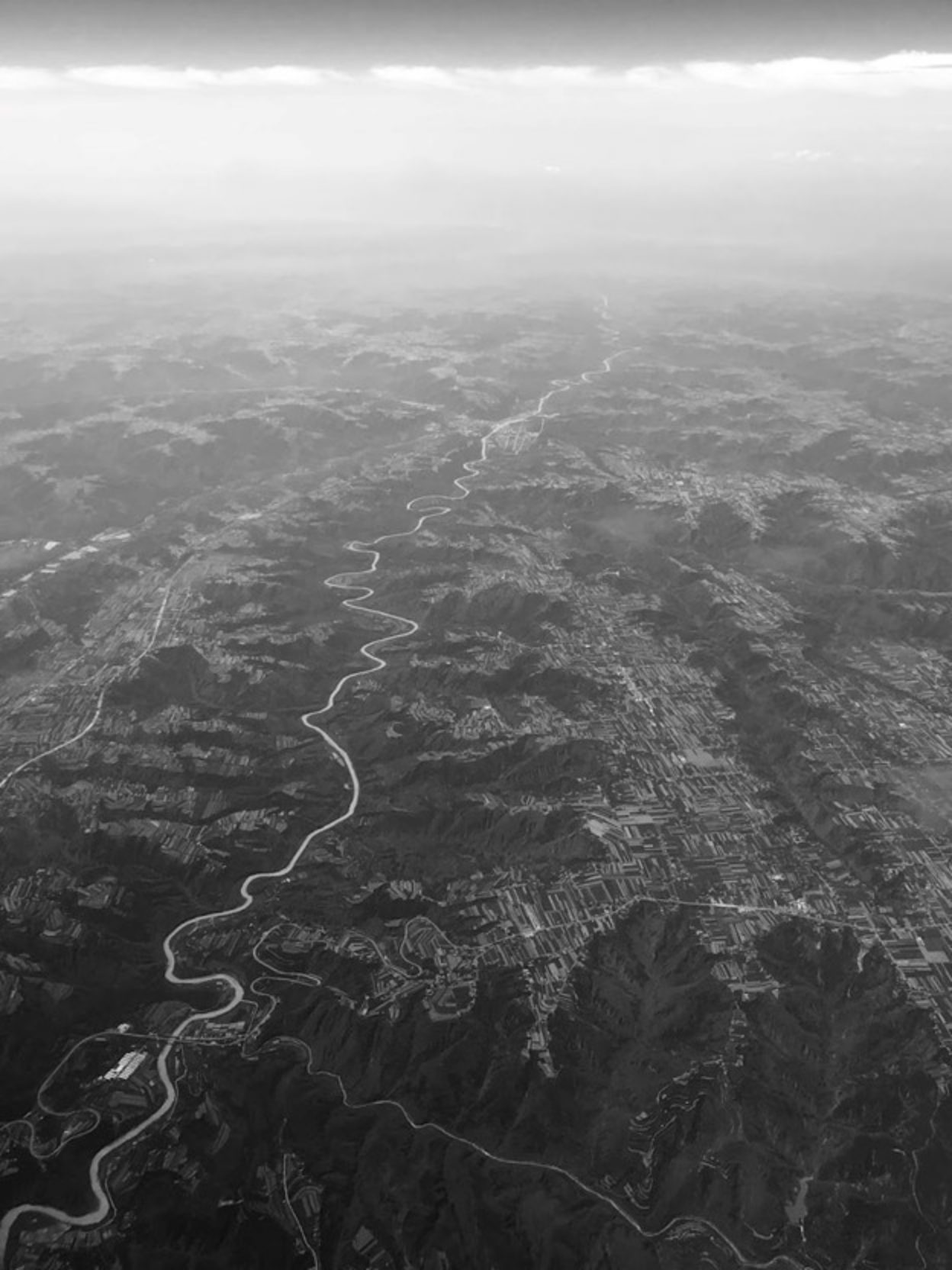
Seen from above, large-scale cultivation and husbandry have changed the terrain and landscape, flourishing for a time while wiping out the bacteria at the very bottom.
No international conservation group speaks up for these microbes, and they can't raise any money, yet these microbes truly form the most important foundation of the food chain pyramid. In the energy flow of the food pyramid above, each level consumes 10 times the calories, all of which come from the sun and plant photosynthesis. Lose the decomposers at the bottom of the soil and the whole pyramid collapses — and the first to be affected are the top consumers: humans.
Source: CM Media ( https://www.cmmedia.com.tw/home/articles/32699 )


