 努力小農
本文尚無譯文。
Power from waste is not a dream: diesel hides a forgotten bioenergy code
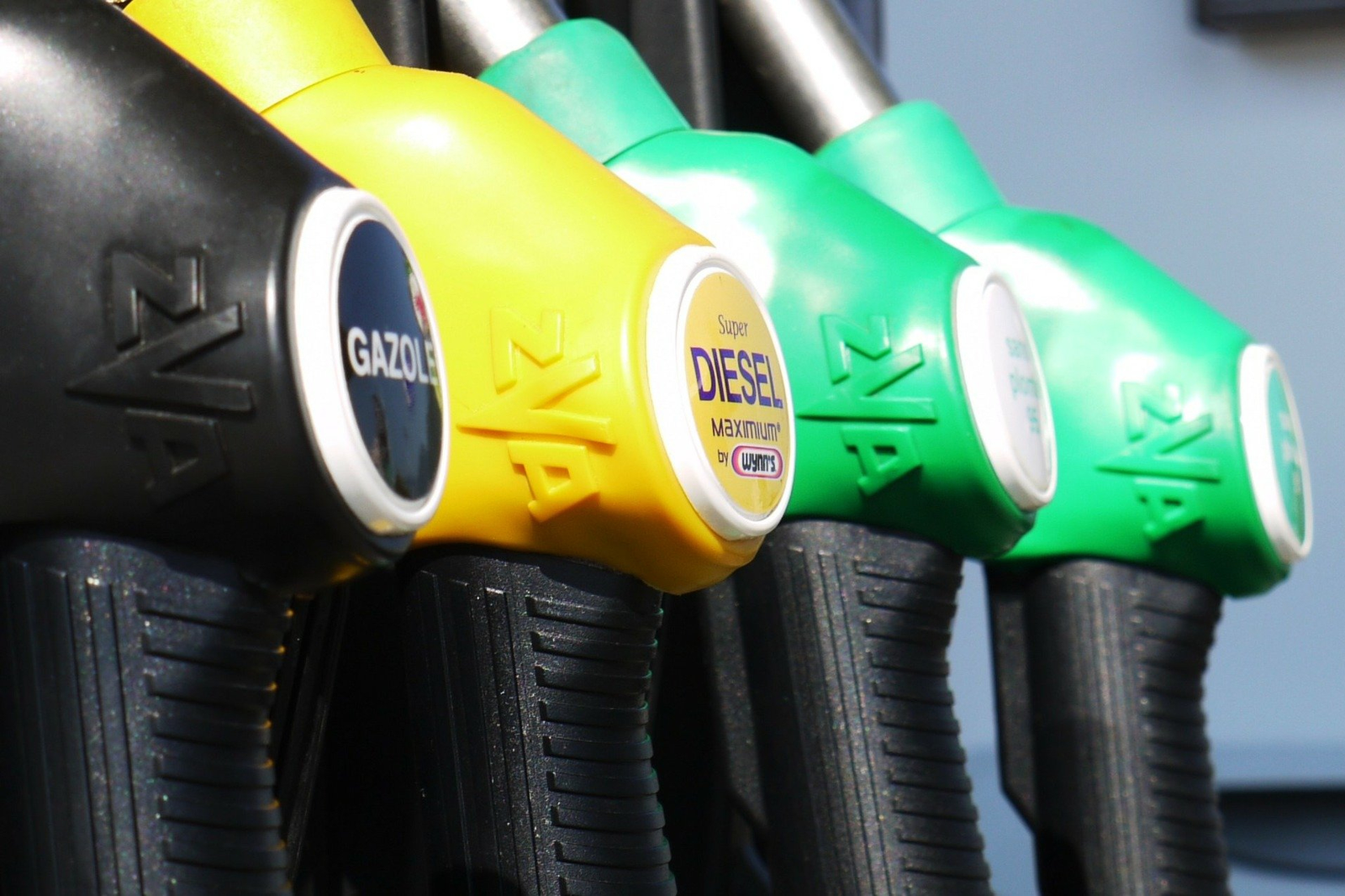
The origin of diesel hints at the possibility of generating power and cutting carbon with "pyrolysis". (Photo: pixabay)
In the film Back to the Future, Doc drives a car back from the future to 1985. When it runs out of fuel, he throws some rubbish into the reactor and it has power again. This film clip became a 2015 advert for Toyota's hydrogen fuel cell car, the Mirai, explaining how organic matter in rubbish produces methane, which in turn produces hydrogen to fuel the car.
You might think this is futuristic science fiction, but if you know why diesel is called "chaiyou" ("firewood oil") in Chinese, you'll know that before diesel became a car fuel, firewood was already a car fuel.
Why was Diesel translated as "firewood oil"?
Diesel takes its name from the German inventor Rudolf Diesel, who invented the diesel engine. But why is diesel called "firewood oil" in Chinese? Some online say it's because diesel gives off black smoke when it burns, like burning firewood. But burning firewood doesn't keep producing heavy black smoke the way diesel does, so that's not where the name comes from.
Diesel is "firewood oil" because before diesel was used, cars really were powered by "firewood". That's right: before diesel, petrol and batteries, firewood was a power source for cars.
This didn't mean burning wood to boil water and produce steam to drive a turbine and the axles, because cars are too small to carry such bulky steam equipment; the steam engine Watt invented wasn't used in cars.
In the early days of the car, over a century ago, a car had a wood-gas generator holding firewood, heated from outside with charcoal, which cracked the organic matter in the wood into simple carbon molecules — combustible gases such as carbon monoxide (CO) and methane (CH₄), also called wood gas or producer gas — stored temporarily in a sealed tank. When the internal combustion engine was running, the gas entered the combustion chamber, and the force of compression and explosion produced power to drive the crankshaft and driveshaft and turn the wheels.
During the Second World War, oil became a scarce strategic resource, so many people "retro-fitted" their cars back into wood-gas cars. Such "bioenergy" cars can still be seen today: Low-Tech Magazine shows that some vintage car fans are still converting cars to run on wood gas.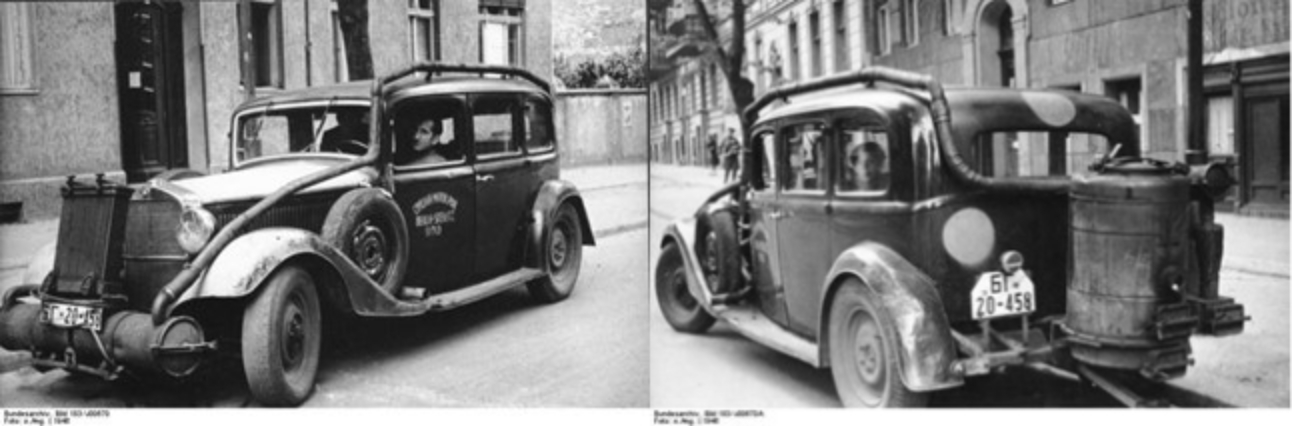
A wood-gas car: the wood gasifier hangs at the back, and the methane and carbon monoxide it produces are piped to the engine at the front, where they explode in the cylinders to power the car. (Image: Low-Tech Magazine website)
Power from waste is not a dream
To start from the beginning, the oil of the 20th-century oil age is itself really "bioenergy": plant photosynthesis "stored" CO₂ from the air in the Earth's crust, where long-term geothermal "pyrolysis" turned it into oil. The coal used in the 19th-century Industrial Revolution was also plants buried underground and cracked into solid organic carbon.
"Pyrolysis" is a thermochemical process that can be applied to any organic (carbon-based) material. Exposed to high temperatures without oxygen, organic material is chemically and physically separated into different molecules, and pyrolysis leads to the formation of new molecules. It ultimately produces solids (charcoal, biochar), organic liquids, and non-condensable gases (H₂, CH₄, hydrocarbons, CO, CO₂ and nitrogen).
So organic matter in our rubbish can, through pyrolysis, produce new energy and sequester carbon — the basic principle behind Back to the Future's rubbish-powered hydrogen car.
Most agricultural products and waste are organic matter. With appropriate pyrolysis, they can be stored as biochar or charcoal — something we've been doing since ancient times in charcoal kilns — and livestock manure can also produce biogas. Agriculture shouldn't really have "waste"; it's a matter of managing "carbon assets".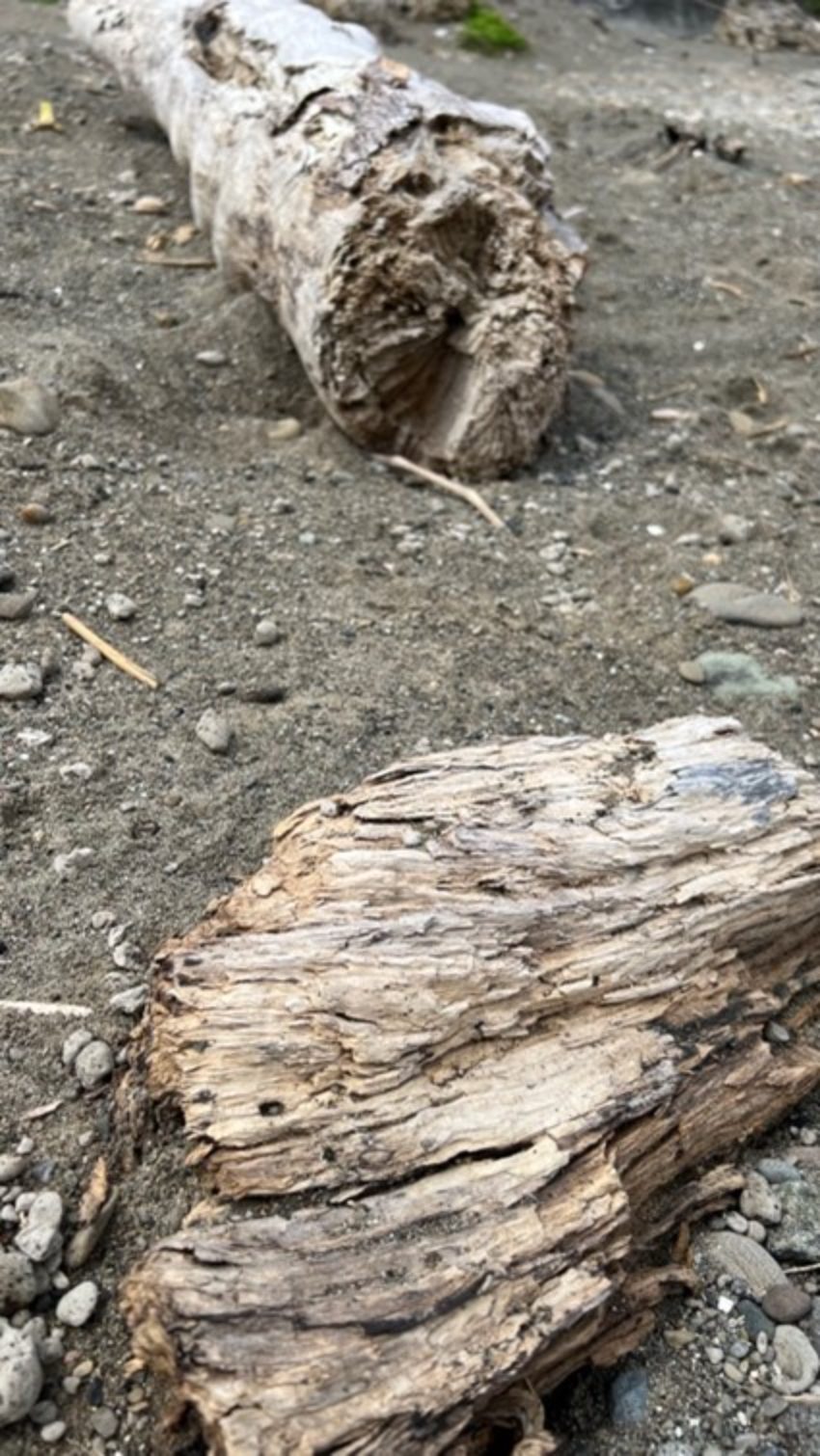
If plants are left to rot, the carbon in their biomass is quickly released into the atmosphere; if biochar is made properly, the potential carbon released into the atmosphere can be halved.
If trees, rice straw, rice husks and woody material are left untreated to rot, not only will 100% of them become CO₂, but they may also be eaten by termites or ferment anaerobically in water, producing methane (25 times the greenhouse effect of CO₂). By contrast, turning them into charcoal through proper pyrolysis cuts CO₂ emissions by nearly half and yields energy, even electricity, and 30% of the weight can become biochar. Returned to the fields, it enriches the soil's carbon and provides space for microbes to live and multiply, helping fix the carbon in organic matter released by plant roots — killing several birds with one stone.
As we hope to "grow electricity" on farmland with solar and wind, we might look back at our ancestors' "ecological wisdom". These things are hard to understand but easy to do. The firewood and charcoal of the past can become today's biochar and bioenergy, while also producing new organic fertiliser materials — good for the environment, good for farming, and making food more nutritious, delicious and safe.
Source: CM Media ( https://www.cmmedia.com.tw/home/articles/32835 )


