 努力小農
本文尚無譯文。
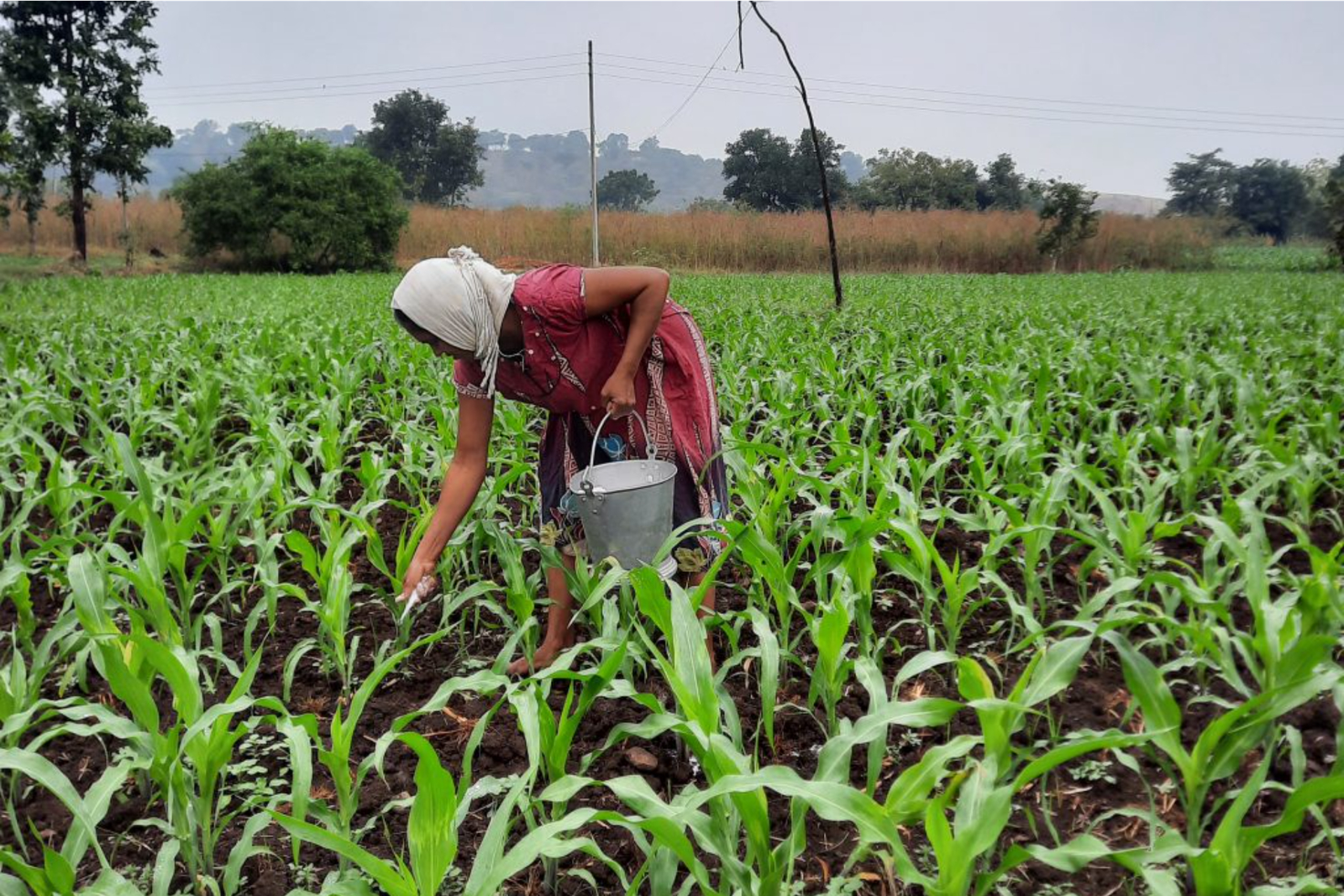
Why does smallholder carbon farming hold stakeholder meetings? Everyone has the right to be part of carbon reduction action
Some people exploit carbon trading for illegal purposes. How can we guard against it? (Photo: pixahive)
On 30 March the National Development Council published Taiwan's 2050 Net-Zero Emissions Pathway. Its Chapter 3, "A social support system for a just transition and civic participation", stresses the importance of a "social support system".
In the Clean Development Mechanism set up under the UN Framework Convention on Climate Change, stakeholder consultation and participation is an important launch mechanism. Because in the carbon reduction certification and carbon trading projects carried out since 2005, there has been no shortage of people doing terrible things to earn carbon money, including financial money laundering and fraud in France exceeding a billion euros, a reforestation carbon project in Brazil that was actually illegal mining persecuting Indigenous people, and a €200 million tax fraud in Germany.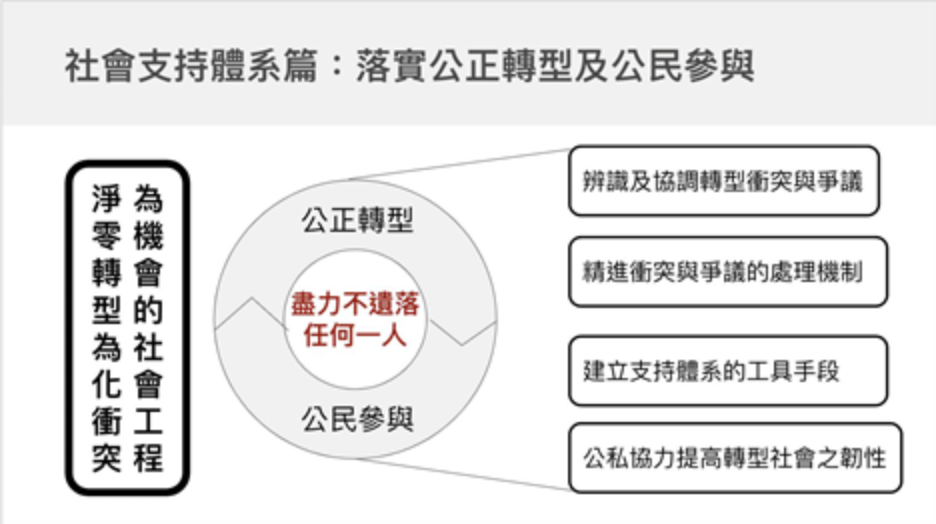
Source: National Development Council net-zero pathway, item 18, social support system (civic participation and just transition).
Openness and transparency to prevent carbon trading crime
INTERPOL has also published a guide to carbon trading crime, listing the many criminal methods seen in different countries — an impressive and ugly catalogue — from over-reporting reductions, stealing personal data and money laundering to all kinds of fraud in the name of carbon reduction, 10 methods in all. As a result, the international carbon trading market has been tarnished before it has even shown results.
"Smallholder carbon farming", initiated by the Green Consumers' Foundation, uses the MiHuMiSang app, which is built on blockchain principles: tamper-proof, genuine, verifiable and traceable (time, place, operator), as well as open and transparent (uploaded to the cloud in real time and disclosed online).
This app is currently the only platform in the world that combines smallholder production and marketing records with e-commerce services. The platform charges smallholders and consumers nothing; value-added services such as the "smallholder carbon farming project", which sells carbon credits on the international voluntary market, generate profits to cover development and maintenance costs.
Carbon farming projects must respect gender balance and protect disadvantaged groups
The Gold Standard for the Global Goals (GS4GG), the international voluntary carbon reduction standard and certification body that follows the UN Clean Development Mechanism (CDM), sets out in its Stakeholder Consultation and Engagement Requirements a clear definition of stakeholders, how to invite them, how to hold meetings, how to handle feedback, and further consultation on that feedback; consultation meetings continue throughout the project.
Under these requirements the project developer must consider gender equality, including whether women are disadvantaged socially, culturally and economically in the local area. Although women in Taiwan's rural areas have fairly equal rights, the rights of Taiwan's foreign spouses and migrant workers are something we must consider.
Stakeholders must include local residents and community members directly or indirectly connected with the carbon farming project, landowners, tenant farmers, government agencies, non-governmental organisations, workers, Indigenous peoples and ethnic minorities. Meetings must take into account these stakeholders' languages, cultures and levels of education, so they can understand how the project will affect them.
Meeting information must include: a non-technical summary of the project, covering its design, technology, objectives, scale, duration and an implementation plan (to date) tailored to the target stakeholder groups, so that they can understand and take part in the project; a summary of the project's economic, social and environmental impacts in line with the safeguarding principles and requirements; contact details for any stakeholder interested in further technical details and project information; and other relevant information to help stakeholders understand the project.
Everyone has the right to be part of carbon reduction action
Because of the pandemic, stakeholder consultation meetings can be held online as well as in person, giving all stakeholders as much opportunity as possible to take part and express their views.
At least two rounds of consultation must be held over at least 60 days, and consultation is ongoing. Before meetings, notices must be sent to stakeholders; afterwards, stakeholders' views and questions must be compiled, their questions answered, and their views sought again.
This information must be disclosed openly and transparently. We held the first online stakeholder consultation meeting on 6 April; anyone interested can find a full recording of the meeting on the MiHuMiSang Facebook page. We will also hold further online and in-person meetings from time to time, with live broadcasts, and anyone interested is welcome to join.
We hope the smallholder carbon farming plan can help build an open and transparent foundation for civil society.
Source: CM Media ( https://www.cmmedia.com.tw/home/articles/33191 )


