努力小農
本文尚無譯文。
From engineer to Taitung farmer: Chin Chin-lung's smallholder journey after retirement
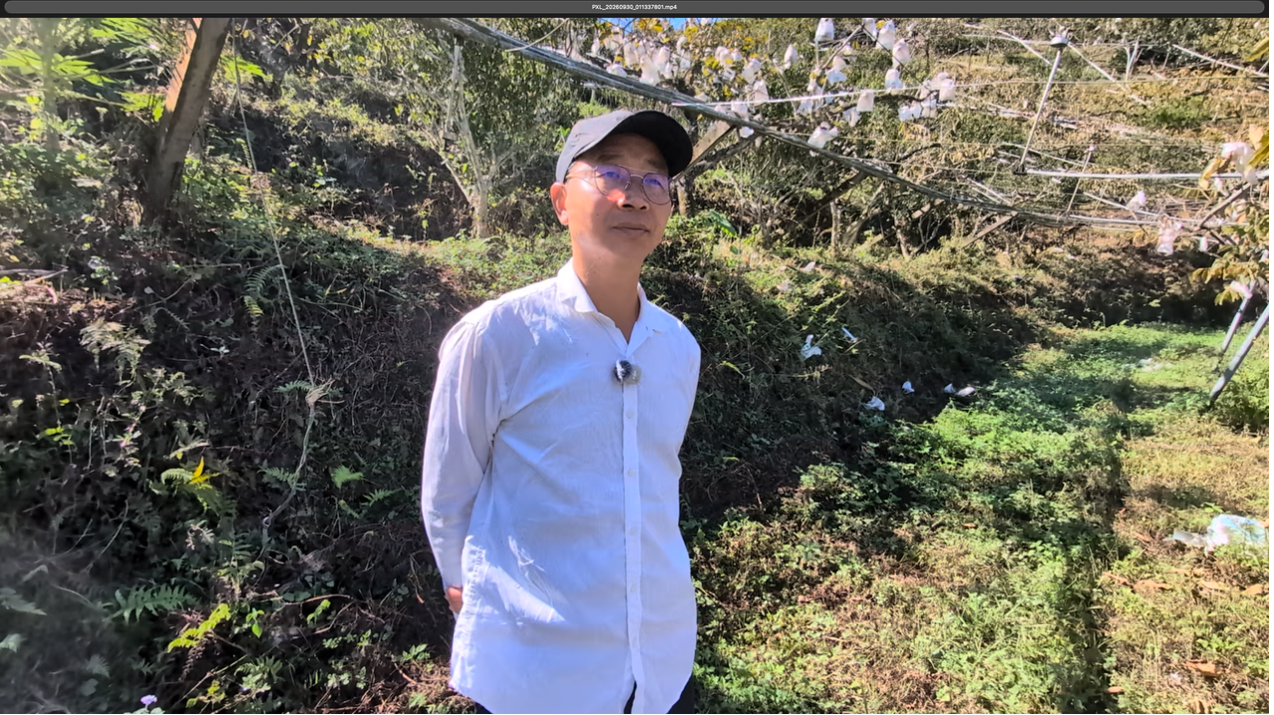
After retiring from Taipower, Chin Chin-lung bought 3 fen of land in Zhiben, Taitung, and began a retirement of farming and reading.
"In 8 years, this is the first time they haven't flowered — only 20% fruit set."
I had ordered Chin Chin-lung's Summer Snow mangoes early, last September. Counting the days, it was mid-May and there should have been fruit. I phoned him, only to find he had hit another bad year.
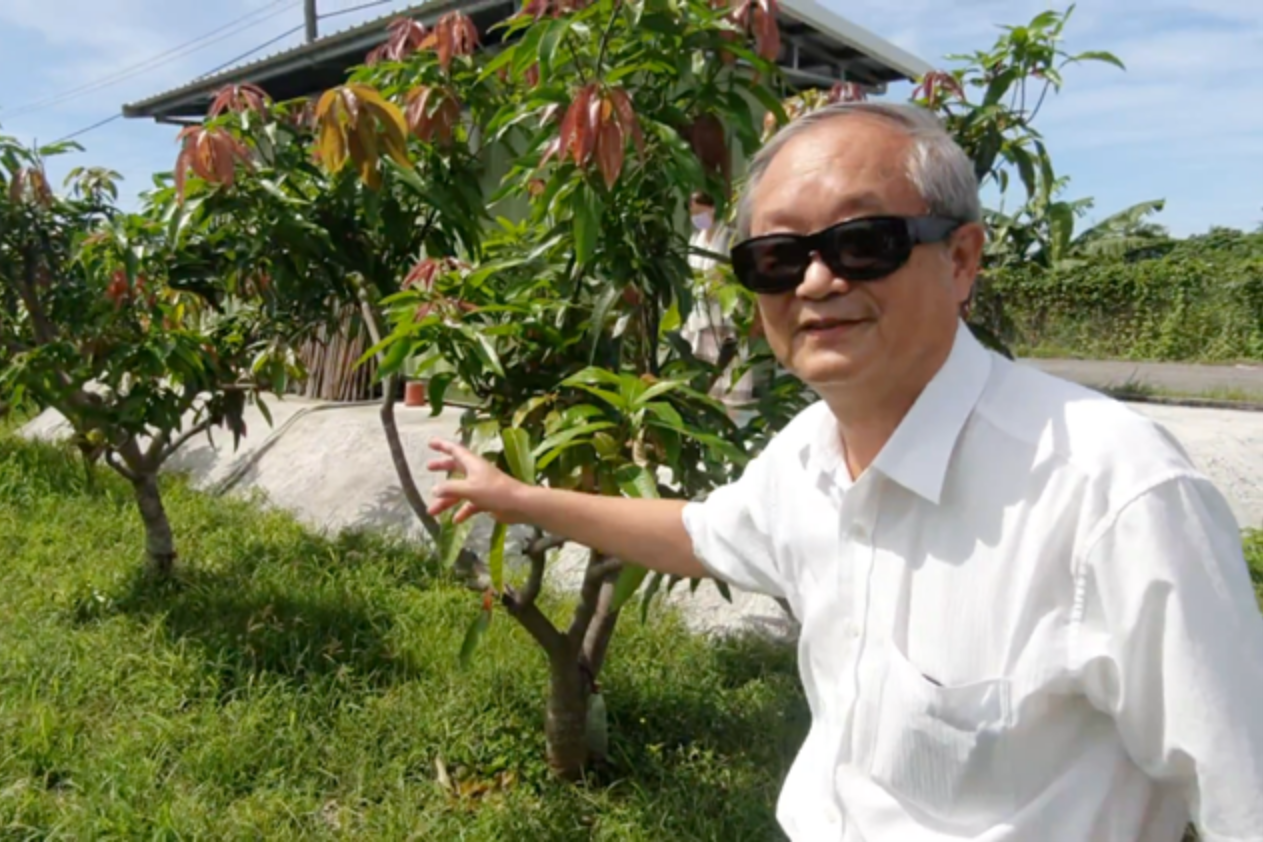
Mr Chin has 0.27 hectares of farmland in Zhiben, Taitung, with 8 Irwin trees and more than 200 Summer Snow trees, some planted 8 years ago, some 5. Last year's harvest was bumper: one 8-year-old tree bore 70–80 mangoes, and in total he harvested 7,000–8,000 jin of fruit; even after setting aside the 20% of lower-grade fruit, he still had 5,000–6,000 jin. This year he has only just over 1,000 jin of good fruit.
A NT$20,000 subsidy — enough for fertiliser
This counts as crop damage, for which the government pays NT$90,000 per hectare; Chin Chin-lung can claim just over NT$20,000, only enough for fertiliser.
"Last year the fruit was good and my prices were fairly reasonable, so it sold easily. This year the orders are all from regular customers, so I didn't feel right raising prices. Some blemished fruit I sell by the road outside the orchard, 3 jin for NT$100 — seconds, but I farm eco-friendly with no pesticides or chemical fertilisers, so locals buy them; the taste isn't affected, and I only sell them once they've ripened yellow on the tree. Taitung people know their stuff."
Chin Chin-lung was among the first smallholders to join the MiHuMiSang app trial two years ago. He was an engineer in Taipower's Transmission and Distribution Construction Department and retired as a manager. He had once been in charge of projects in Hualien and Taitung and came to love the area. As he has always loved plants and flowers, before retiring he planned to move to Hualien–Taitung and become a farmer, combining his hobby with something to fill his time.
With his engineering background, he took easily to the MiHuMiSang app's design and use. He is one of the few who record the quantities and concentrations of farm inputs when using it. These are his notes: consumers can see them, and they also help him keep good records as a basis for future improvement.
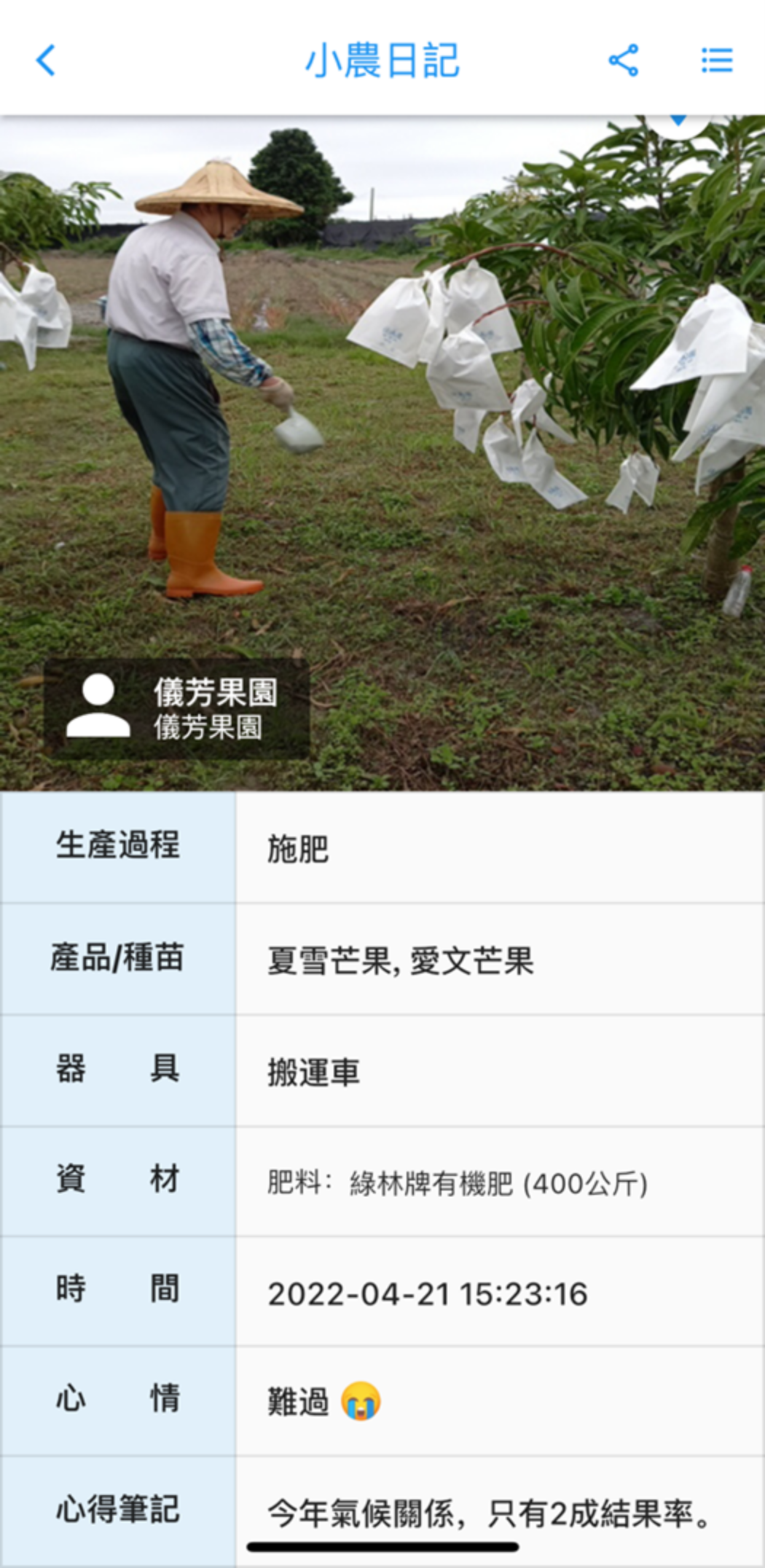
With his engineering experience, Chin Chin-lung is one of the few smallholders who fill in every record field. This helps him keep improving and lets consumers see how his produce is grown, increasing their confidence and satisfaction.
An engineer's PDCA applied to smallholder farming for continuous improvement
Quality management is the PDCA cycle of continually optimising processes and products — continuous improvement. Many smallholders only Do, without Plan, and keep no records, so they can't Check. If things go well, they got lucky; if not, they blame bad luck — and so there can be no Action (improvement measures).
The biggest test smallholders face is climate change. Among the victims of global climate change, the more vulnerable a group, the more easily it falls victim. Whether nations or individuals — from Pacific island states losing their homes one after another, to people hit by floods and droughts, to Taiwanese smallholders whose trees bear no fruit — the same tragedy is playing out everywhere, all the time.
Because Chin Chin-lung manages well, his fruit is good and his word is reliable, he has built a reputation over 5–6 years. This year his order book filled up; the problem is he has no fruit to deliver and feels he's letting his customers down.
"But this year's season may actually be long — some trees are still flowering now. In the past, late May was the end of the mango season. I hear mangoes only flower below 18°C; this year it wasn't very cold over Lunar New Year, but it got cold afterwards."
Indeed, in May this year Taipei still had several days below 20°C.
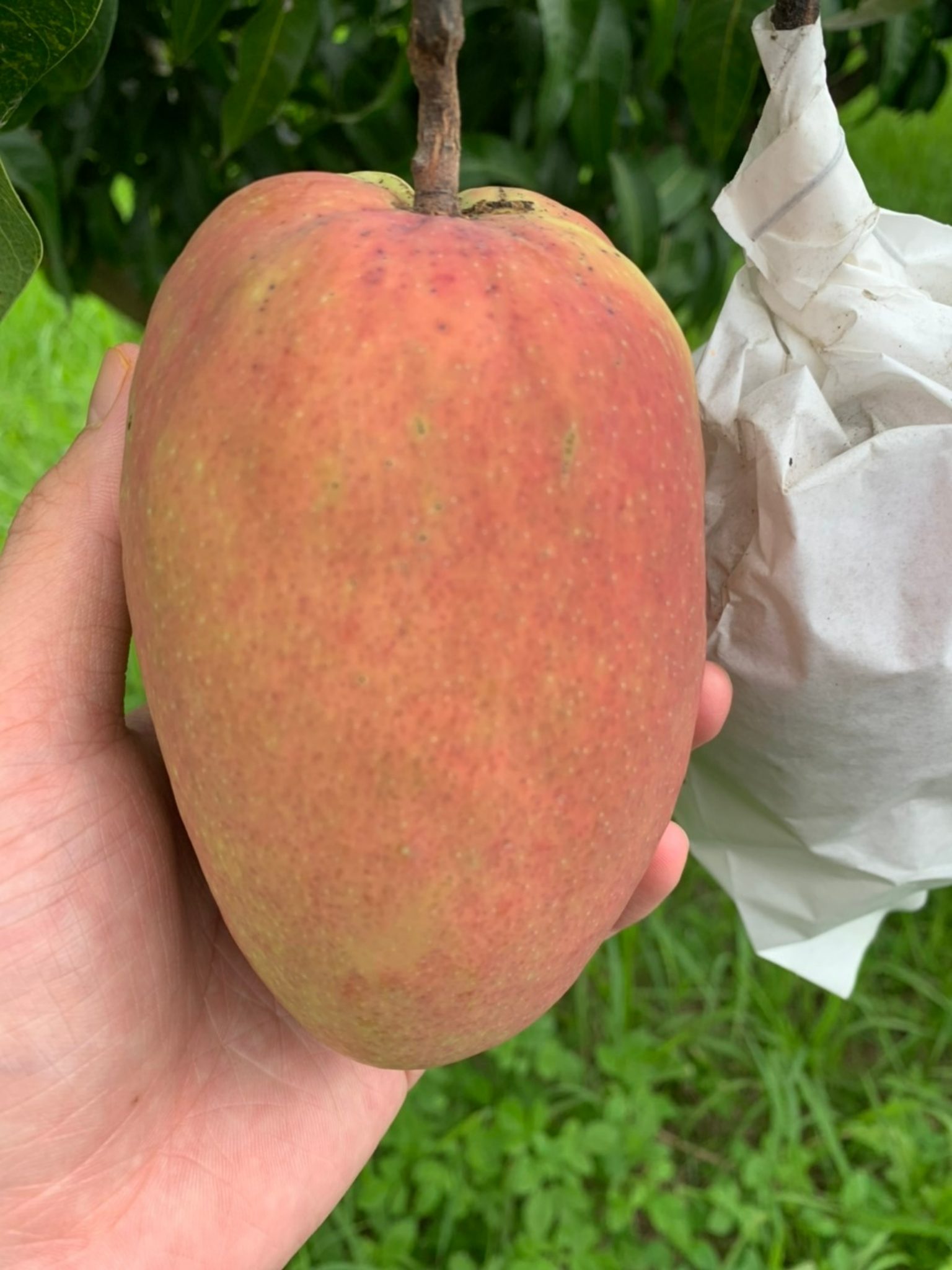
Affected by the weather, this year's Summer Snow mango crop is "devastating", and smallholders are struggling.
Farmers' ways of dealing with trees that won't flower are crude and blunt. This year's weather has affected not only mangoes but also Yu Her Pao lychees and grapes. Some people force flowering with hormones or so-called chemical phosphorus sprays — all sorts of methods; search online for "forcing mango flowering" and you'll find more than 18 tricks.
"I keep it simple: at most I use Kuei Wu Lu, an organic-approved pesticide made from sunflower oil and soapy water, to control the common powdery mildew."
Whether in his field management or in conversation, Chin Chin-lung is clearly different from other farmers. Huang Shao-wei, manager of National Taitung University's Eco-friendly Agriculture and Fisheries Extension Centre, observes that he is one of the few smallholders under their guidance who keeps observing, experimenting and optimising. One can't help wondering: what's different about an engineer turned farmer?
"I value SOPs. I look at how others do things, then look up information, try a little first, and if it works, do more. When the mangoes were still small I used Bacillus subtilis to suppress anthracnose; now I've switched to bagging, improving it my own way. From past experience, wrapping too tightly actually hampers fruit growth, so now I use bigger bags to give them more room."
"The production and marketing groups where I am all farm conventionally; few go organic. Doing organic, I have to find my own way and keep improving through trial and error. I understand other farmers too: unless you're a retired civil servant, soldier or teacher with a pension and don't depend on crop income to live, you have to make compromises under financial pressure."
Climate change is real; no one is an outsider
Why did Chin Chin-lung decide to grow Summer Snow mangoes in the first place? "Because a colleague knew about Summer Snow mangoes, I started growing them. I planted some, along with 90 Yu Her Pao lychee and sugar apple trees, mixed. The sugar apples didn't grow well without pesticides and the Yu Her Pao didn't flower, so I switched everything to Summer Snow, under contract with the Formosa company, which has a patent technology transfer from the Kaohsiung District Agricultural Research and Extension Station — you have to buy seedlings from them. Some people don't follow the rules and graft from cuttings, which isn't right."
"In future I should grow a mix of crops. I'm also growing avocados now, 6 or 7 trees. They flowered well this year; after 4 years, one tree has 60 or 70 fruit."
Since he started farming, the biggest lesson for Chin Chin-lung came from seeing other farmers prepare their land. At first he didn't know to prepare the land; he planted one tree every 1.8 metres, each by hand, which was exhausting. Later he discovered that others prepare the land first: they dig with an excavator and sieve the soil once, digging everything out, putting big rocks at the bottom and fine gravel and soil on top, with field rats and snakes running out. That kind of damage to the soil makes organic farming very hard.
"Climate change is real. In my 8 years of farming I've felt it deeply — every year is different. In the short term we can only adapt; in the long term we must cut carbon, and everyone should start with what they can do."
Chin Chin-lung, 71 (born 1950, Year of the Tiger), retired from Taipower's Transmission and Distribution Construction Department. After graduating in electrical engineering from National Taiwan Ocean University, he joined Taipower and worked on extra-high-voltage line design. He worked in Hualien and Taitung, later served as occupational safety manager of the department, and retired 6 years ago. He has two married daughters.
Source: CM Media ( https://www.cmmedia.com.tw/home/articles/33954 )