 努力小農
本文尚無譯文。
Leave the hard stuff to computers: the challenges facing smallholder carbon farming and certification
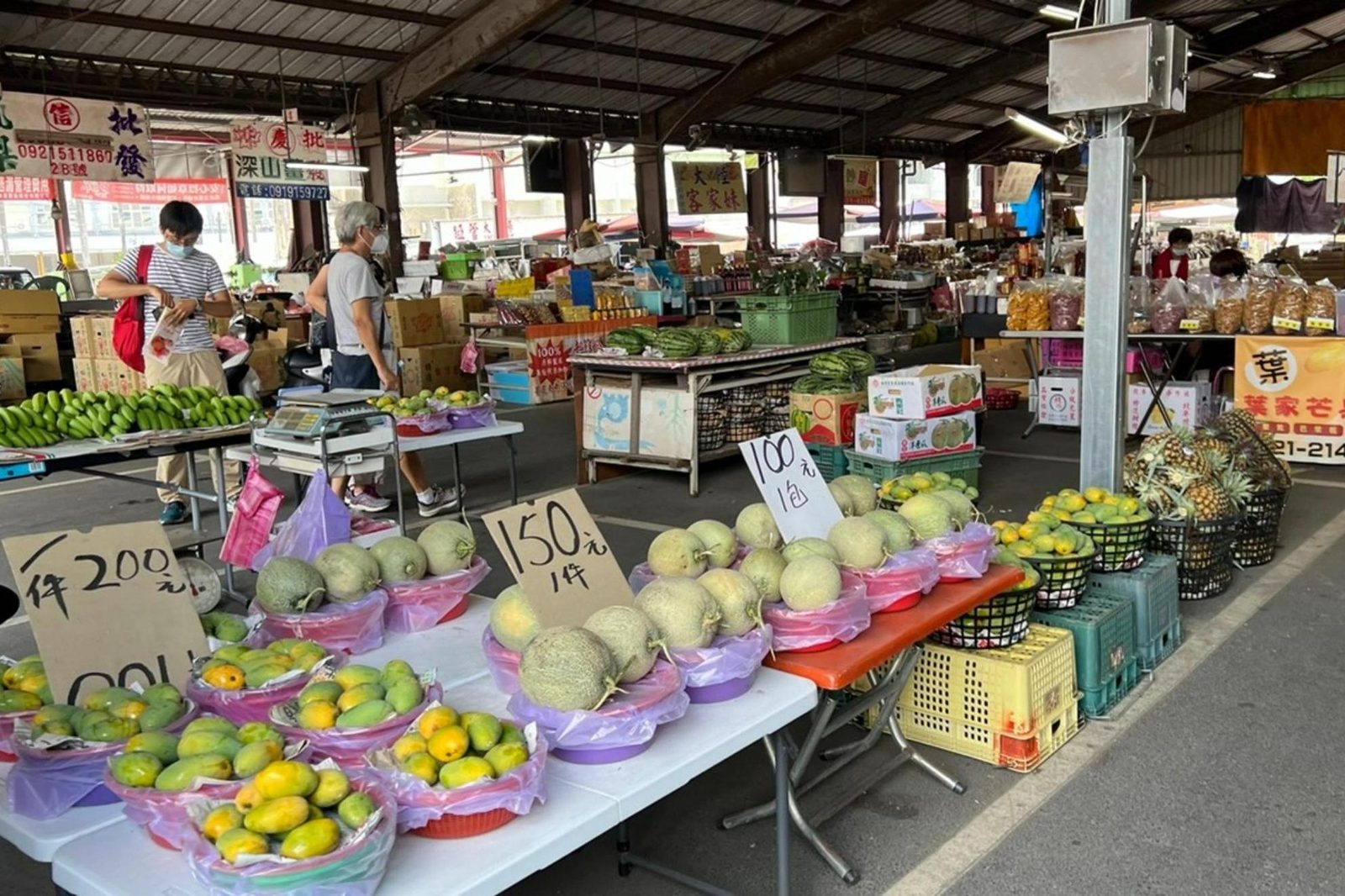
Smallholders' produce comes in a dazzling variety. Its diversity, uncertainty and small capacity and output are hard for industrialised certification systems to cater for, let alone carbon reduction certification.
Certification is an industry and service born for industrialisation and mass production. Certifying individual, small-scale, diverse systems and products involves unimaginably high uncertainty and cost; any kind of certification is difficult for smallholders.
Over 25 years working in global sourcing and in international standards and industry certification training, I have trained hundreds of automotive QS-9000 and ISO 16949 auditors (fewer than a hundred passed the exam), nearly a hundred American Society for Quality quality engineers, and HACCP auditors. I have also worked with an international laboratory accredited by the UK's UKAS, and led the translation of tool manuals and procedures related to these standards. I should have a fair understanding of and experience with international certification of personnel, management systems, products and laboratories, yet agricultural carbon reduction is the biggest challenge I have ever faced.
My previous work was always done under set conditions: products had specifications and standards, processes ran in controlled environments, personnel had to be qualified, and suppliers had well-organised systems. As long as consistency was controlled and errors reduced, a certification system meeting international standards could generally be set up in 12 to 18 months and business could proceed normally.
With agriculture, especially carbon reduction certification for smallholders, none of these controlled conditions exist. The 200-plus smallholders I have met have backgrounds as varied as their faces: from PhDs and school principals to people who finished only primary school, with farming experience ranging from zero to 50 years, and an assortment of sites and crops. Yet every smallholder does everything from running the show to ringing the bell, and must master every skill to get through. Their business situations also differ: some draw a pension and lack for nothing, farming just to keep fit and active while enjoying their grandchildren; others have borrowed millions or tens of millions from the bank and must work hard just to break even.
Smallholders are the first climate refugees
"The weather is different every year — it's a real headache." This is something almost every smallholder agrees on; once the weather comes up, the complaints are endless. Indeed, they are Taiwan's first climate refugees. They feel the pain of climate change first-hand, so carbon farming and carbon reduction resonate with them especially. When I proposed the idea of "carbon farming", every capable, eligible smallholder was eager to try.
Over these nine-plus months exploring international carbon reduction and certification, I've found agriculture more complex and difficult than ordinary industrial or green-energy carbon reduction. Establishing a "methodology" needs a great deal of research and repeatedly verified data; only when it achieves consistent repeatability and reproducibility can a methodology stand. So there are few agricultural methodologies to begin with, while there are more for forestry, whose environmental conditions are simpler and whose areas are large and more profitable. Smallholders' land is small: in Taiwan there are on average 3–5 farmers per hectare, and total farmland is only 790,000 hectares, so the inherent niche is very small.
The methodologies we studied — the framework methodology for increasing soil organic carbon, and those for reducing methane and nitrous oxide emissions — come with many formulas, and when you dig into the academic research and experimental validation behind them, nothing is easy: selecting sites, defining boundaries, suitable farming practices, establishing the baseline, risk assessment (safeguards), determining additionality, uncertainty, carbon leakage, and comparing before and after project implementation.
I have never heard anyone mention these detailed but crucial matters at any professional seminar, yet they are the basics of international carbon reduction certification and verification methodologies. Without these methodologies there is no standard way to calculate, and so no way to make quantitative comparisons or assess carbon reduction performance (how many tonnes of CO₂ equivalent).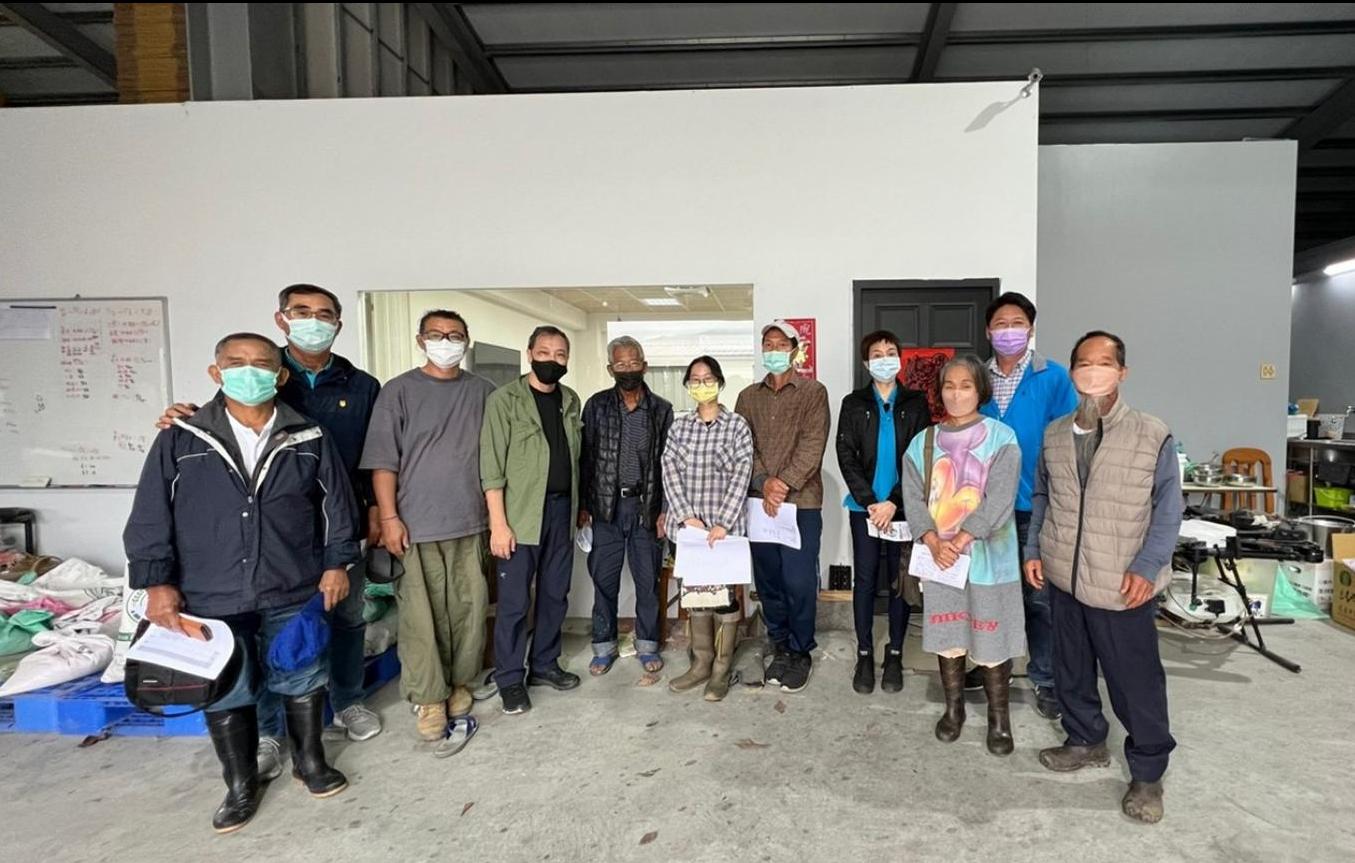
Smallholders suffer terribly from climate change; they too are climate refugees, and knowing they can cut carbon to ease the greenhouse effect, they are eager to try.
Let smallholders take part, and leave the hard stuff to computers
I have thrown myself into this, leaving the complex mathematical models to computers, but smallholders need to record key work simply and accurately. We will go to every site to train them one by one — not giving them fish, but teaching them to fish.
Many people enthusiastically propose all kinds of carbon reduction methods, for example that oyster farming can cut carbon so we should farm more oysters. That's possible, of course, but it is qualitative; today there is no clear international methodology for it. Ocean carbon sequestration (blue carbon) is very important, but its variables are more complex, uncertain and hard to observe than land-based agriculture and forestry. Whether it has "additionality" and how much reduction can be accounted for and certified is probably still some way off.
Watching the debates between Chinese and Western medicine, I see that Chinese medicine doesn't use quantitative methods, so it is hard to verify repeatability, reproducibility, linearity, stability and bias with mathematical models (the language of science); it is hard for anyone to replicate and verify, and uncertainty and standard deviation can't be calculated. Western medicine uses mathematical methods and statistics, producing results that can be publicly verified. Moreover, Chinese medicine prizes secret family recipes, and each time they are handed down something is held back, so each generation falls short of the last — and the same goes for Chinese kung fu.
In early 2000 in Detroit I watched Ang Lee's film Crouching Tiger, Hidden Dragon with colleagues from an American car company. My Western colleagues were puzzled: why not mass-produce the Green Destiny sword and get rich? If the master's martial arts are so formidable, why hold something back from his disciples? Why not teach more disciples and make a fortune?
Reversing two thousand years of autocracy without patents
Two thousand years of imperial examinations and autocratic thinking in China filled intellectuals' heads with how to write the perfect eight-legged essay to please the emperor, so they could become top scholars and officials and bring glory to their ancestors. Everyone wanted to keep the best for themselves, so they treasured their own and belittled each other, and progress in civil and military affairs was hard. Naturally the market had no copyright or patent protection for the rights of knowledge creators. Seeing the Westerners' strong ships and powerful guns, they single-mindedly wrote essays hoping to overtake Britain and the US, or raised the Boxer banner to "support the Qing and destroy the foreigners", treating the foreigners who came talking of copyrights and patents as demons and barbarians.
Since early April I have held a series of "stakeholder consultation meetings". I have held nothing back and haven't worried about exposing my shortcomings. When problems arise I address them frankly and convey these carbon reduction methodologies according to the standards. Through this process I have examined, learned and confirmed the standard methodologies, which is how I came to understand in depth how they are developed. Because international standards are built in a very transparent and open way, if you put in the effort you can grasp the principles.
I don't just want to understand all this; more importantly, I want to build it into the MiHuMiSang app so that every smallholder can operate it easily, keep work records and obtain certification. As designed, if a smallholder attends a 2–3 hour training course, they can set a year's work plan to their own rhythm, then follow it, using the MiHuMiSang app during the work to take photos and record what was done, the tools used, and the quantities and concentrations of inputs, uploading to cloud storage. About 10–20 records a year will satisfy the certification requirements.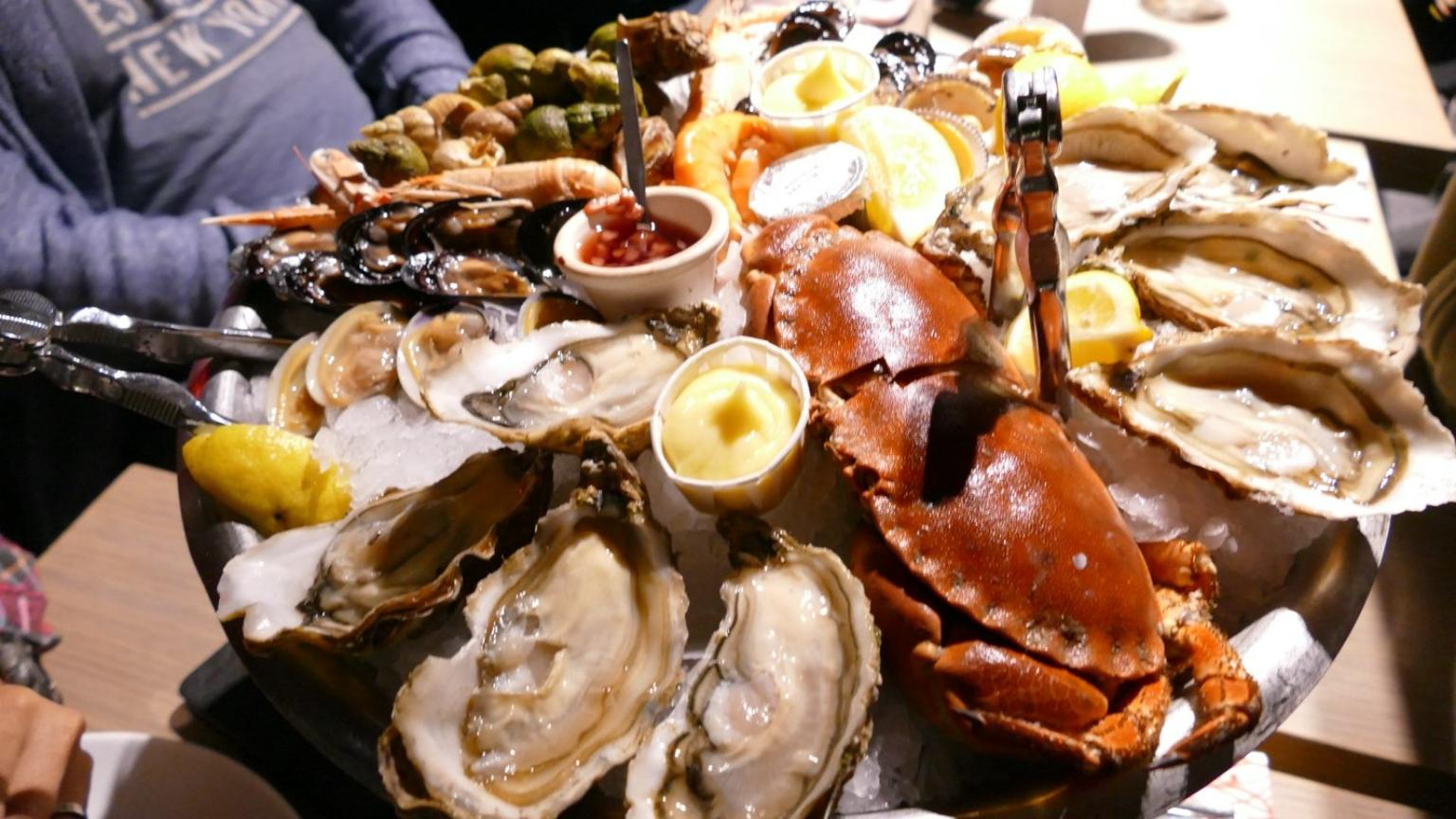
The ocean's "blue carbon" is inexhaustible, but sadly certification is even harder — otherwise a carbon-reducing seafood feast would be sure to please host and guests alike. Reducing pollution and damage to the ocean and beaches is more practical.
The MiHuMiSang app's back-end calculations can compile and analyse each smallholder's carbon reduction work records and list their performance; combined with on-site verification, this helps smallholders complete their carbon farming work painlessly.
Smallholders are welcome to join our carbon farming ranks, and companies can support them by buying smallholders' produce and the carbon credits generated in future — the best practice of corporate CSR/ESG.
The MiHuMiSang app and "Smallholder Carbon Farming: International Voluntary Carbon Reduction Certification", initiated by the Green Consumers' Foundation and produced by Eco-affinity Inc., is a free mobile app for smallholders and consumers, designed to give smallholders a convenient, easy way to record their production process and to set their own prices, list and sell their products. Consumers can also easily find smallholders, see their work records, and buy directly from them or become friends. Every smallholder on the platform has been visited in person by Green Consumers' Foundation staff or volunteers to confirm their authenticity, ruling out anything false.
Source: CM Media ( https://www.cmmedia.com.tw/home/articles/34518 )


