 努力小農
本文尚無譯文。
Net zero comes from sincerity: integrity is the only value in net-zero carbon reduction
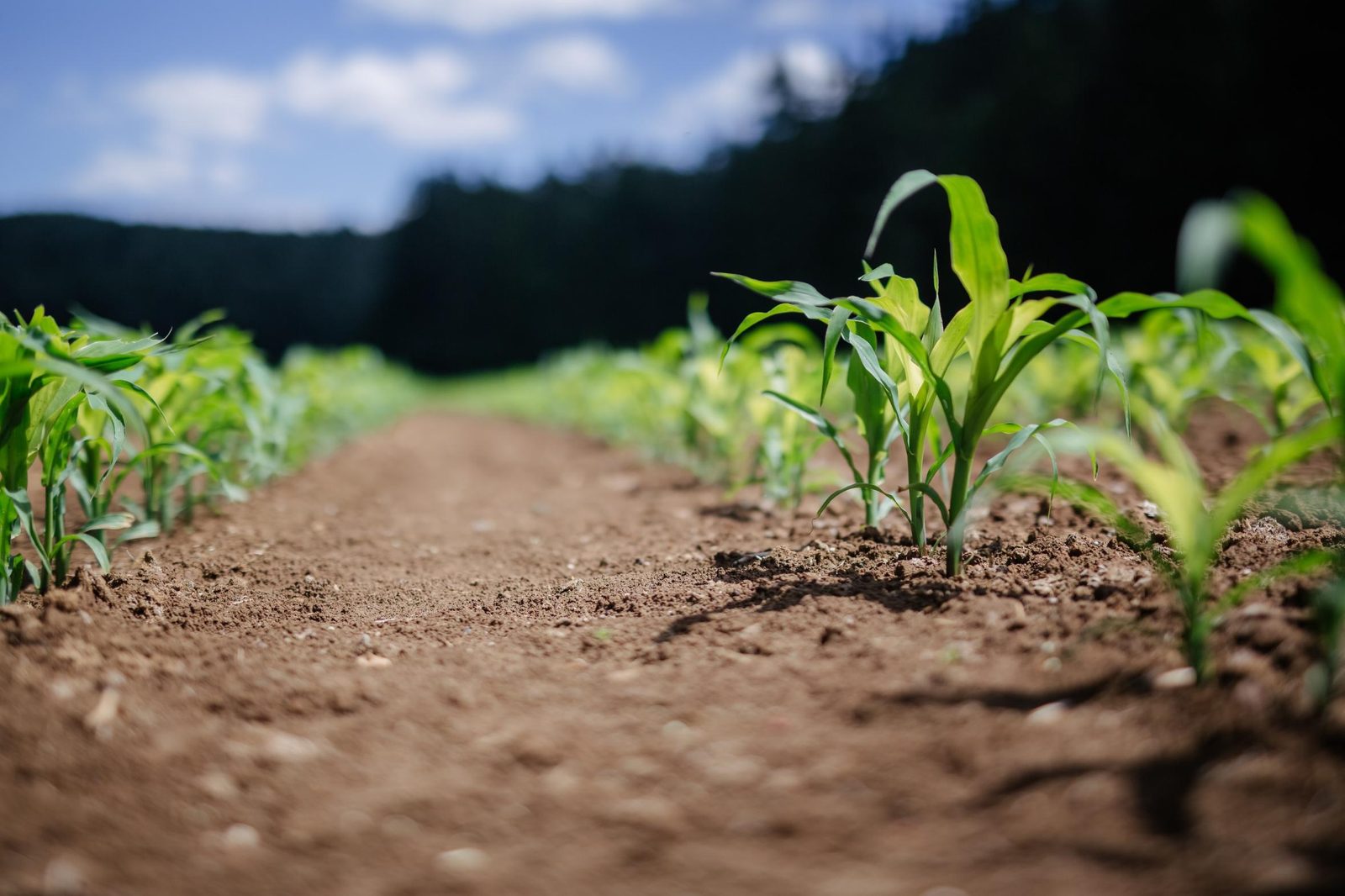
In net-zero carbon reduction action, agriculture was recognised later, but it will be the new blue ocean of the voluntary carbon market. (Photo: Unsplash)
"Net zero by 20XX" has become a ritual slogan. From whole countries down to small private companies, everyone can talk about "net zero", just as companies print "ISO 9000 certified" on business cards, products and promotional materials. It looks a bit like a temple amulet worn on the body or hung on a car's rear-view mirror — pray and you'll be protected.
Net zero seems to have become a new faith. Any faith requires that "sincerity brings efficacy". In net zero, zero isn't just a number; only by sincerely putting faith into action can it produce "the power of efficacy/zero" (a pun in Chinese). Otherwise it's a "zero-sum game" where everyone loses.
Government use of regulation to reduce carbon is a very complex mechanism
Global net-zero action falls roughly into two kinds: national government policy and regulatory action, and voluntary action launched by civil society. The former consists of decisions and targets set by industry, government and academia based on domestic and international conditions, often with a high degree of compromise. The latter is launched by large international environmental organisations such as the World Wide Fund for Nature (WWF), the World Resources Institute (WRI) and the World Business Council for Sustainable Development (WBCSD). It is more idealistic, but lacks the public power of government enforcement and legal sanctions, relying only on public opinion, supply chain and value chain requirements, and the checks and balances of civil society.
Net-zero action also has many market tools. Besides carbon taxes, carbon trading is a regulatory or voluntary carbon reduction tool. Governments can use both regulatory carbon taxes and carbon trading to reduce carbon, a very complex mechanism, because governments must consider many internal and external conditions. Just deciding how much carbon tax to levy requires a great deal of international and domestic economic, fiscal, industrial and environmental information; otherwise the changes brought by carbon reduction could topple governments or even trigger coups.
Voluntary carbon reduction, by contrast, is freer and makes more use of free-market mechanisms to weed out the weak and support the strong. A past success is California's clean air rules in the US, which made makers selling petrol and diesel cars pay money that went to makers producing and selling electric (zero-emission) vehicles in California, using market, financial and moral tools to the full. This let the latecomer Tesla rise from nothing, because the supply chains and 4S service systems of other big carmakers found it hard to turn around. Now countries are legislating or setting clear policies to stop selling petrol and diesel cars within a certain number of years and go fully electric. This is a model of using voluntary and regulatory forces in a free market to turn markets and consumption towards cleaner air.
The International Civil Aviation Organization and International Maritime Organization have also set targets for international routes in global aviation and shipping: 30% carbon reduction by 2030 and 50% by 2050. Those who miss the targets must pay those who meet or beat them. This design unleashes each company's carbon reduction potential: as long as someone can do it, that company can reap the payments of those that can't, accelerating the pace of carbon reduction.
Transparency in the voluntary carbon market is the cornerstone of integrity and trust
Regulatory carbon reduction involves a lot of human interference, unlike voluntary carbon reduction, which can be pursued to the full. Even if the market is small and prices low, it better shows humanity's attitude towards the climate crisis ahead. Ecosystem Marketplace, together with several voluntary carbon reduction bodies, recently published its Q3 2022 report "The Art of Integrity: State of the Voluntary Carbon Markets", with "integrity" as its theme, analysing the huge changes facing the voluntary carbon market in 2022.
The global voluntary carbon market grew from US$520 million in 2020 to nearly US$2 billion in 2021, prompting this analysis and an outlook on future trends. It stresses that transparency in the Voluntary Carbon Market (VCM) is the cornerstone of integrity and trust. Since its founding in 2005, the voluntary carbon market has existed for less than 20 years, with several ups and downs, learning from mistakes that integrity and trust must be maintained on a basis of transparency, or the voluntary carbon market will eventually disappear. On 27 July this year the Integrity Council for the Voluntary Carbon Market (ICVCM) launched its much-anticipated public consultation on the Core Carbon Principles, offering a definitive, credible, rigorous and accessible way to identify high-quality carbon credits that create real, additional and verifiable climate impact with high environmental and social integrity.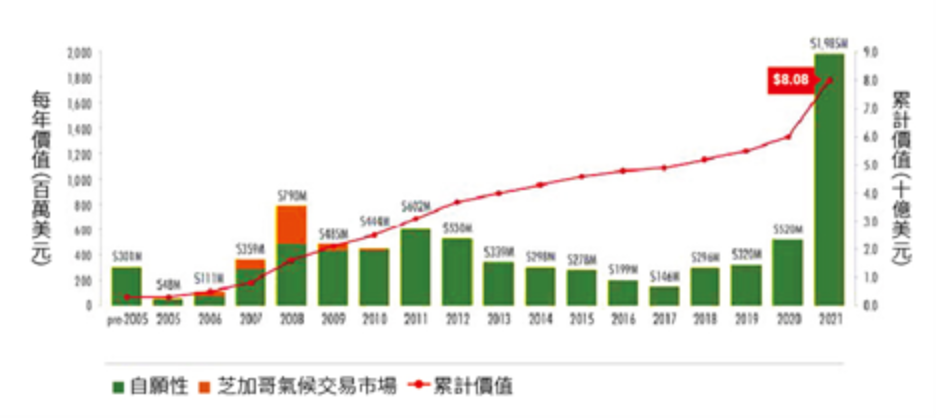
Changes in the voluntary carbon market since 2005: 2021 broke past records, reaching a market size of nearly US$2 billion.
Of the 170 types of carbon credits in the voluntary carbon market, forestry accounts for the largest share, followed by renewable energy, households and communities, chemicals, energy efficiency, waste disposal, transport and agriculture.
In net-zero carbon reduction action, agriculture will be the blue ocean of the voluntary carbon market
The biggest growth in total market value was still in forestry and land use: reductions increased nearly fourfold, the unit price rose by US$0.40, and its market share was 68%. Agriculture was the smallest, but had the highest unit price for carbon trading. The average unit price fell in 2021 because large volumes of low-priced livestock biogas reductions pulled it down.
Agriculture only received attention after the 2015 UNFCCC Paris Agreement, so its history is short. There are also few agricultural carbon reduction methodologies, farmers are scattered — especially in developing countries, where most are smallholders — making it hard to aggregate for large-scale carbon reduction, and agricultural carbon reduction is largely missing from knowledge and education.
But agricultural carbon reduction has a higher social dimension, which means higher carbon credit prices. The report notes that "non-carbon benefits" in the voluntary carbon market — such as supporting local communities and smallholders and conserving biodiversity, also called co-benefits or spillover effects — affect carbon prices. For example, the Gold Standard adds quantified verification of community, biodiversity and sustainable development impacts on top of certifying greenhouse gas reductions, all adding value to carbon credits.
The carbon credits of a group of smallholders pooling 50 hectares of land amount to far fewer reductions than a few wind turbines or 50 hectares of solar on the same area. But their impact on local residents, communities, schools, businesses and natural diversity — plus jobs, higher wages, smallholders receiving carbon reduction training and more — means their social impact far exceeds green energy's benefits to a few individual investors. If their contribution is measured concretely with quantified SDG standards, helping to achieve the 2030 global goals, the benefits are even greater.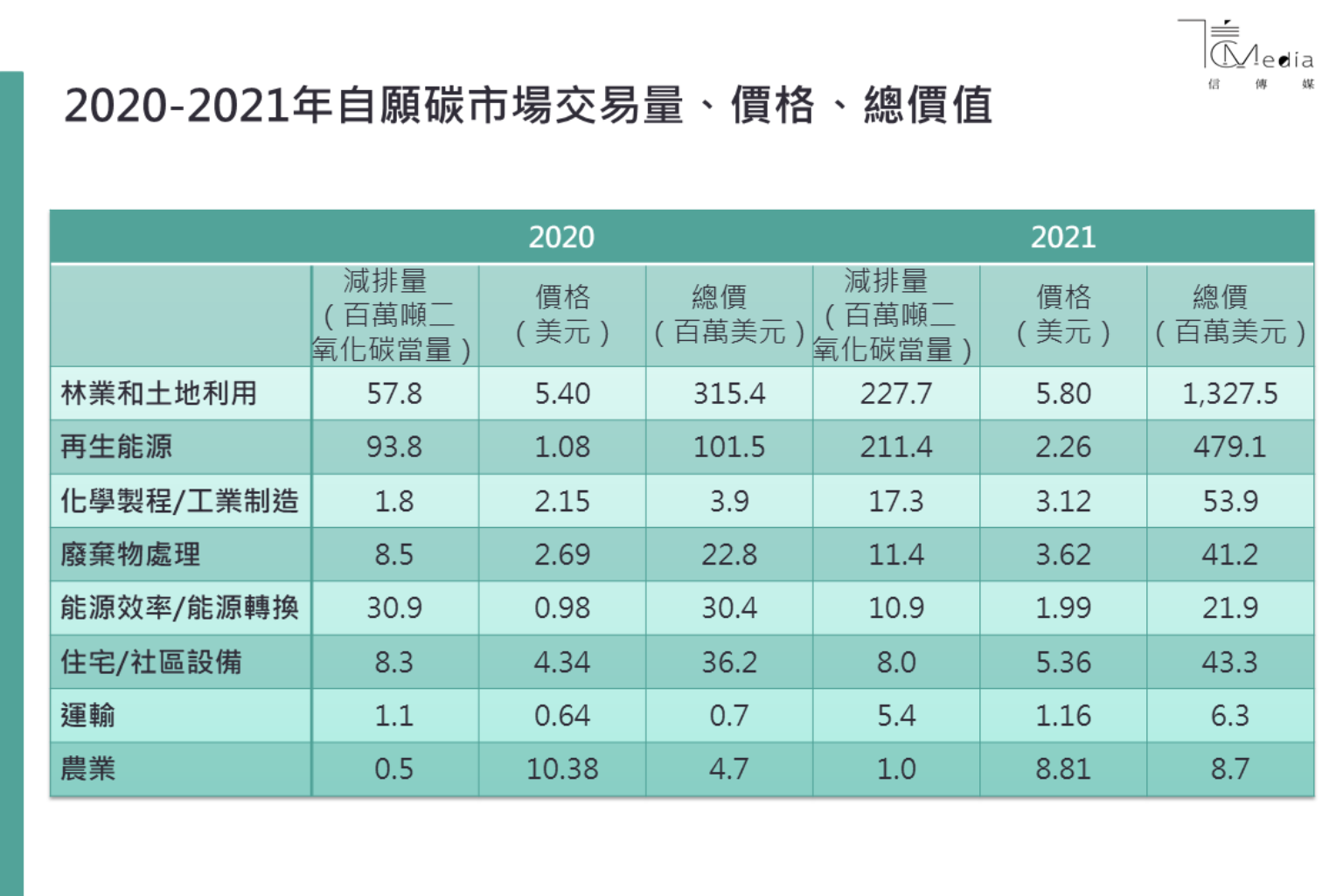
In future net-zero carbon reduction action, agriculture will be the blue ocean of the voluntary carbon market. The FAO has estimated the potential of "recarbonising soils". With the authentic, transparent and traceable system functions of the MiHuMiSang app, plus the elements required by international carbon reduction certification, we can help smallholders come together for agricultural carbon reduction, while increasing social impact by working with local businesses, schools and communities to reduce carbon together. I believe such voluntary carbon reduction should outperform reductions forced by regulation.
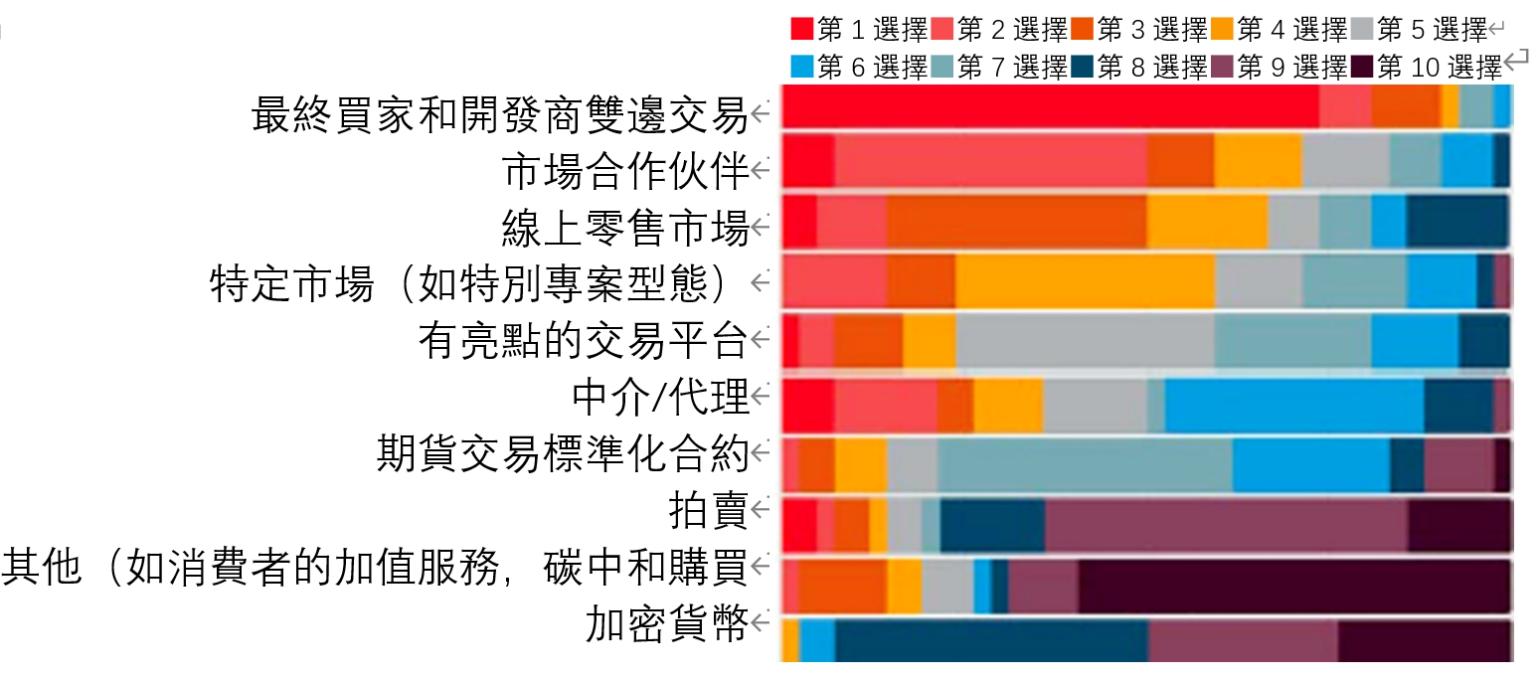
The cooperative model of the voluntary carbon market is the option preferred by buyers and end users. Despite the hype around cryptocurrency, it hasn't won the market's favour and comes last.
Carbon trading is a "way of business": whatever changes, it must not stray from integrity
As the VCM grows and diversifies, project developers, investors, intermediaries and end buyers are developing new ways of trading credits to meet the needs of corporate climate commitments (such as carbon neutrality and net zero) and stakeholder engagement strategies. The growing global body of carbon credit developers surveyed also gave their views in Q1/Q2 2022 on how they prefer to sell and buy credits.
The vast majority of respondents preferred bilateral deals between project developers and end buyers as their first choice. While the results show a wide range of preferences, the top choice of "developer to buyer" relationships and the second choice of "using market partners" reflect what emerging markets have seen over the past few years: more and more opportunities for project developers to respond to companies' requests for proposals. Respondents also said "retail" and "niche" markets allow those who know projects best to take part — first the developers themselves, then their marketing partners and marketplaces (both with increasingly dynamic, rich data insights and storytelling capabilities). On the other side of the deal, this lets buyers build more direct relationships with project proponents.
Cryptocurrency was identified as respondents' least preferred way to trade. Blockchain, as a disruptive technology for carbon markets, may represent a new frontier of innovation and demand in the VCM — or, if misused, a regression to the era of "carbon cowboys". Still, swept up in the blockchain wave, many major VCM bodies have jumped into the trend of carbon credit cryptocurrencies. It remains to be seen how they will issue relevant standards and whether they can revitalise the market.
Carbon trading is also a "way of business". However the world, technology and markets change, it cannot stray from the essence of business: integrity. Integrity must come from three basic principles: authenticity, transparency and traceability. The basic technical architecture of the MiHuMiSang app uses ISO 9000 principles to build an authentic, transparent, traceable personal digital assistant (PDA) for smallholders, constructing smallholders' own "blockchain" data. Combined with big data and the principles and requirements of carbon reduction certification, it forms an information chain that meets future agricultural carbon reduction norms, sustaining smallholders' long-term value.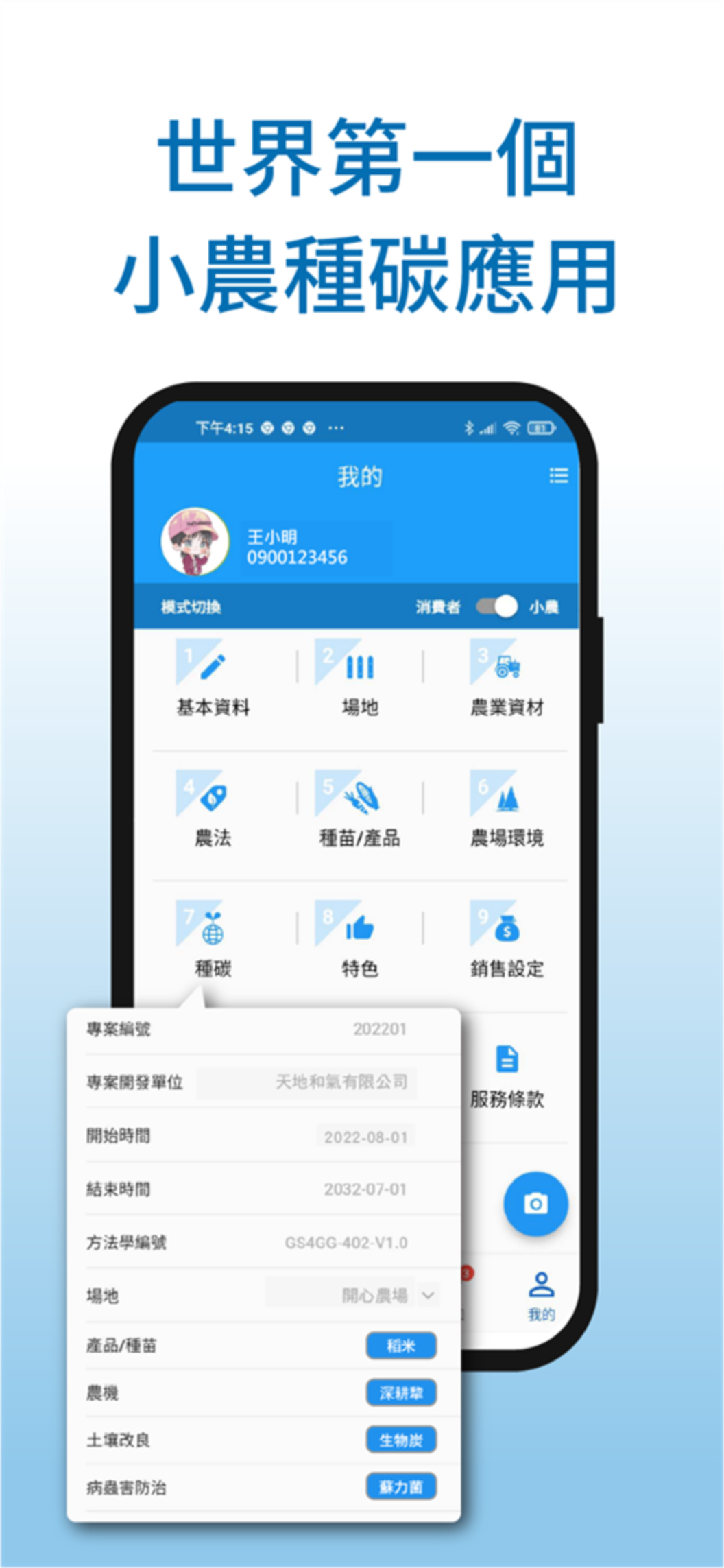
The MiHuMiSang app will soon release its "Smallholder Carbon Farming Enhanced Edition" — not only for carbon farming, but also meeting the implementation and certification needs of organic, eco-friendly, natural and other farming methods.
Source: CM Media ( https://www.cmmedia.com.tw/home/articles/35391 )


