努力小農
本文尚無譯文。
Cutting food waste could cut global emissions by 10%: rethinking "expired food"
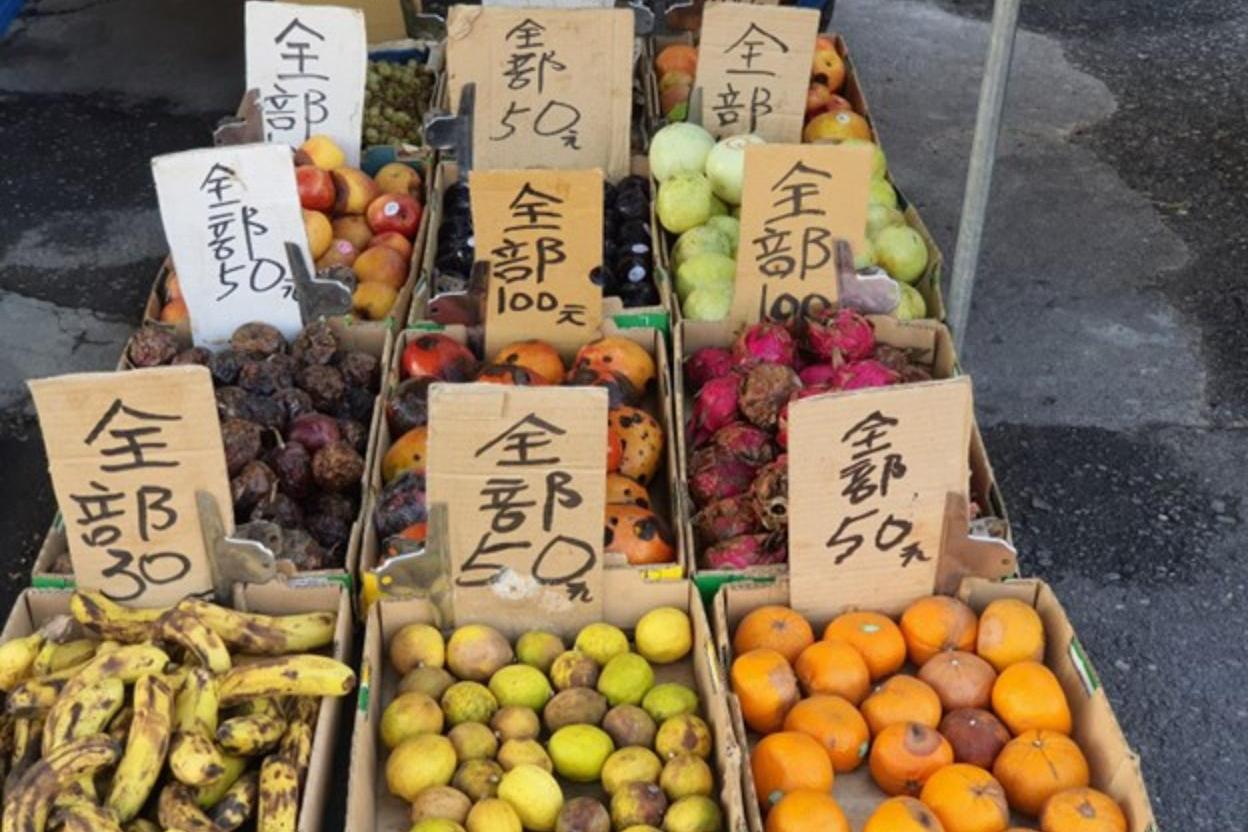
Don't turn your nose up at the slightly ugly ones — they're cheap, and the taste will surprise you. Taken at Chongqing Market, Hualien City.
COVID-19, the Russia–Ukraine war and other factors large and small have caused global recession and inflation, forcing consumers to change how they live. The New York Times recently reported that "salvage grocery" stores selling ugly, past-date and discontinued food are booming.
Avoiding leftover food could cut global emissions by 10%
A simple calculation:
Agriculture and food account for a third of carbon emissions from human activity, and within agriculture and food, wasted and discarded ingredients and food account for another third.
So by reducing food waste, avoiding leftovers and consuming more ugly food, we have a chance to cut greenhouse gases by 10%.
Note, however, that farm produce itself doesn't add carbon emissions, because it is part of the natural carbon sink. The real sources of added greenhouse gases are the carbon dioxide from fossil fuels used by the industrialised agri-food sector, and other greenhouse gases such as the methane used to make nitrogen fertiliser and the nitrous oxide produced after nitrogen fertiliser is applied.
We need to examine the life cycle of our food chain and find opportunities to reduce greenhouse gas emissions. Today let's start with the "best-before date" issue everyone encounters, to help clear up long-standing misunderstandings and misconceptions.
When I buy food in stores, I often buy discounted "near-expiry" items, because they're cheaper and also reduce food waste — and of course carbon emissions. Stores, whether supermarkets, convenience stores or hypermarkets, are very sensitive to the "best-before date" on food, because consumers or health officials can tell at a glance whether it's "expired". Expired food is treated like a venomous snake and must be pulled from the shelves; otherwise consumers may expose it or officials may fine the store, a huge blow to its reputation.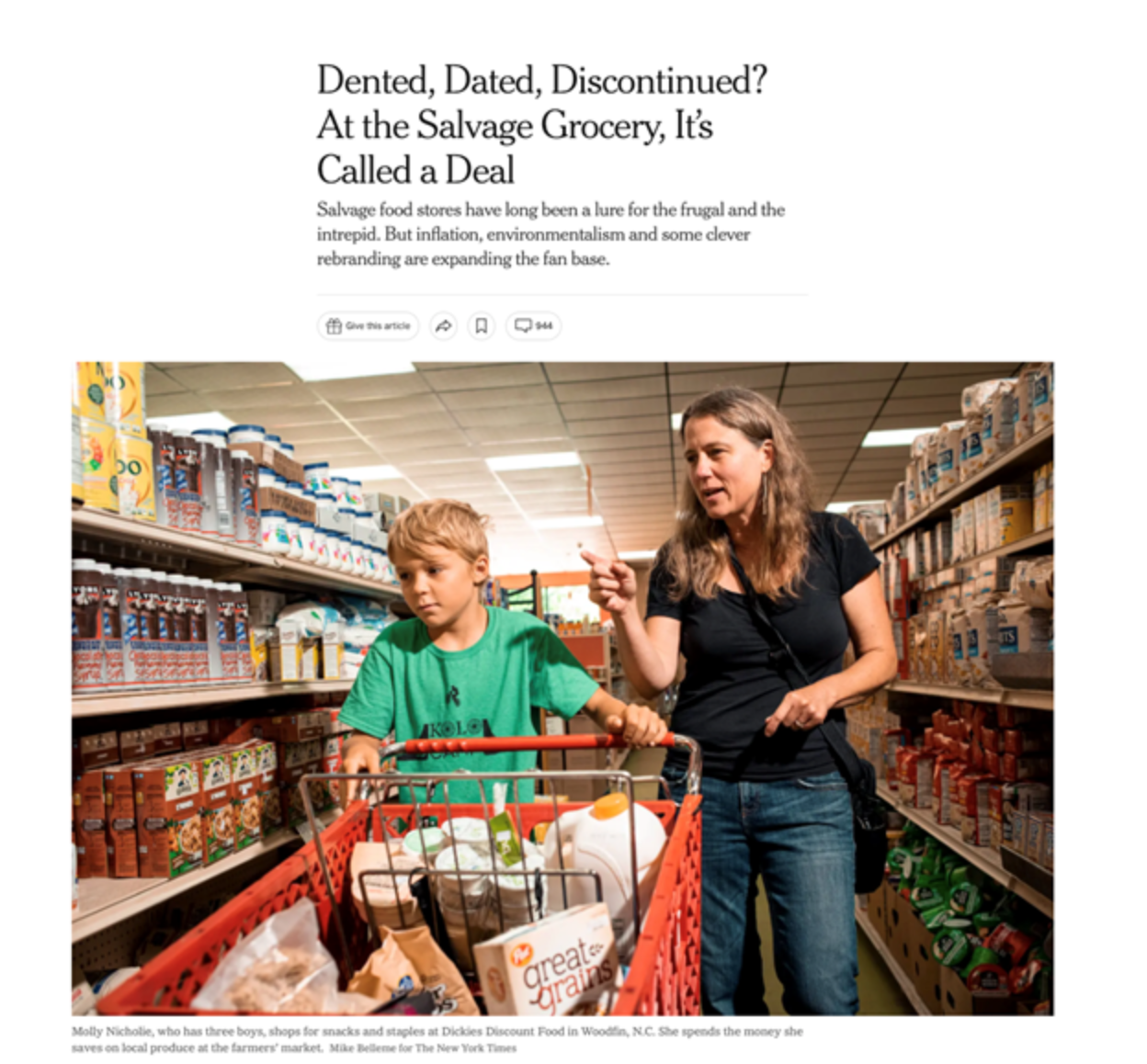
The New York Times reported on 15 August that, amid inflation, American consumers are turning to salvage grocery stores that supply cheap, eco-friendly past-date food. (Image: screenshot from the New York Times)
But is the "expiry date" on food really a "sacred food safety law"? Looked at rationally and scientifically, it's actually a long way from a food safety issue, but many people can't understand or judge this and treat past-date food as defective. This is a huge misunderstanding, causing a great deal of unnecessary food waste.
With fresh produce kept at room temperature, especially seafood and meat, you need to be very careful: even before the near-expiry date it may spoil on the way to the store, or worse, unscrupulous traders may use chemicals to keep it fresh-looking, preserve its colour or prevent decay.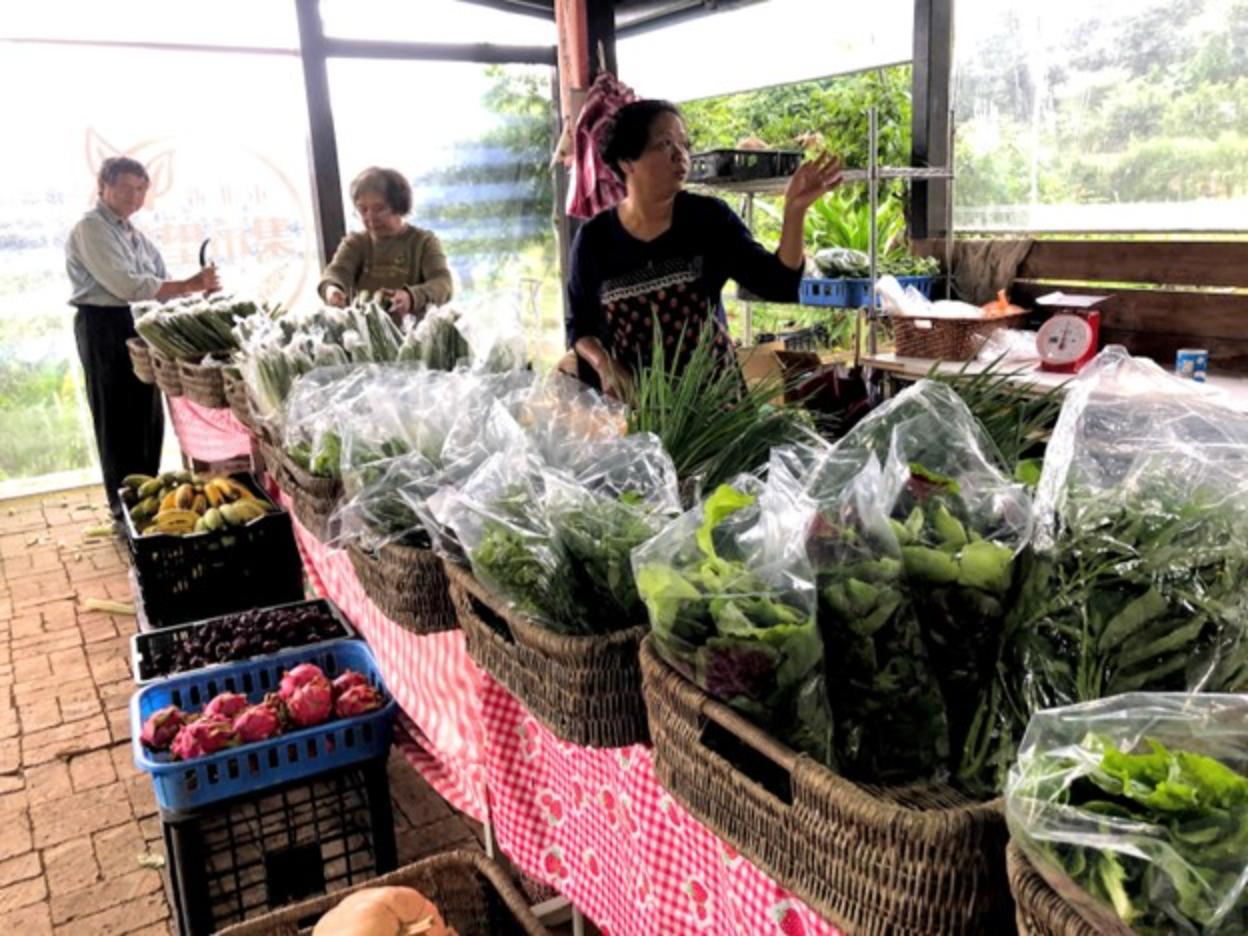
Buying directly from smallholders at nearby farmers' markets lets you get to know your neighbours and build relationships, and eat produce from farmers you know with peace of mind. Taken at the Balianxi Farmers' Market, Sanzhi.
Be a responsible consumer
This depends on consumers' own sense of self-protection: observing the colour, smell and taste of fresh food, and its firmness to the touch, which takes experience and training. I was lucky to go to traditional markets with my grandmother as a child, so now I can easily tell how fresh seafood is, and I also sniff for any chemical smell to avoid traps. Young people today may rarely have such opportunities for life education.
Packaged food is simpler: besides the production date on the package, look at the ingredient list. My rule is the simpler the ingredients the better; if the label has a pile of incomprehensible chemical names, I try not to buy it — though sometimes I still can't resist heavily processed, seasoned, preservative-laden snacks.
I try to buy near-expiry food, which helps maintain the "First In, First Out (FIFO)" principle for products on the shelf. Fresh milk, for example, is generally fine for a week past its date if unopened; the store just can't sell it any more. As for UHT milk, as long as the package is intact and not bulging, it won't spoil even after a year at room temperature out of the light, and its nutrients hardly decline. I'm very happy to buy near-expiry UHT milk.
As for deeply processed products like instant noodles and crisps, from a food safety point of view, unless the package is damaged or they've been kept for years, they may lose flavour but won't be hazardous. From a health point of view, it's a matter of whether they've gone soft or rancid, which is up to the consumer's own judgement.
A responsible consumer not only chooses food wisely but also protects the environment, protects their wallet, and eats healthily with peace of mind.
The date on food is only a reference label, not a safety standard
We often see news reports of a food company fined for storing expired ingredients. Expired ingredients have become a sacred food safety rule. But when I trained in HACCP (Hazard Analysis and Critical Control Point) with the US Food and Drug Administration, the date on ingredients was only a reference label, not the sole criterion for judging whether food safety controls had been violated. This differs from the understanding of many Taiwanese and Chinese, because food safety officials in both places may only look at the date on the label, without knowing to check the management principles of FIFO and FAT TOM.
Under HACCP's hazard analysis (HA) requirements, US food safety inspections focus more on hazard analysis in food factories — whether the food safety risks during production have been covered for the food itself (Food), Acidity, Time, Temperature (Thermal), Oxygen and Moisture.
So when inspecting a factory, we look at its food safety risk analysis. Even if some processed ingredients are a few "years old", we still need to see why they weren't used, whether the FIFO principle was violated, whether the cold chain was complete and stable, whether there were good temperature control records and environmental controls, before deciding whether so-called "expired" ingredients violate HACCP rules.
For example, if we find a piece of beef that has been in a freezer for three years (or longer), we must first check the receiving and usage order and records to see whether FIFO was followed, and then whether the freezer temperature was consistently kept at -18 or -40°C and stable over the long term, as well as the freezer's maintenance plan and records, to ensure the freezer always stayed at the set temperature.
If all these hazards have been analysed and possible loopholes ruled out, and the beef's appearance or bacterial tests are within hygiene standards, it can still be used.
Throwing the beef away because it has "expired" has nothing to do with food safety but causes more waste. Of course, from a cost control perspective, the company's failure to reduce inventory costs is a management lapse.
In the 2014 Shanghai Husi incident, Husi, a company with American backing, was exposed by the media for using "expired ingredients", causing a sensation. Its root was the difference between Chinese and American understanding of HACCP food safety, and it became one of the triggers for American food companies later divesting and leaving the Chinese market.
On the issue of "expired food" in food safety, Taiwan has clearly chosen to stand with China, out of step with US HACCP controls.
Thinking about food under inflation and carbon reduction
From the perspectives of carbon reduction and health, the top principles are: eat local, eat in season, the fresher the better, and the shorter the food miles the better. Buy as much food as you'll eat and don't waste it; eat unprocessed, seasonal whole foods; and have a smaller fridge, not storing too much food, saving the energy used to keep it.
If you budget carefully, it's actually better to spend a bit more buying less but better than buying too much because it's cheap — you'll spend less overall, and you won't overeat to avoid leftovers and store the carbon around your waist.
On the other hand, the pandemic reduced eating out but increased takeaways, which is also a hidden danger for food safety and the environment. The sources of takeaway food are often uncertain and the safety of ingredients questionable, and businesses use lots of oil, sugar, salt and strong flavours to hook consumers' taste buds — especially students living and eating away from home. Add pandemic measures such as lockdowns and masks that make people not want to exercise, and many people are carrying out "human carbon sequestration", reflected in their weight — sadly, those credits can't be traded.
Cook for yourself, eat more vegetables, less sugar, oil and salt, eat whole foods, think more about environmental issues and waste less. Perhaps this is a guide to eating in the post-pandemic era and a time of thin wallets and recession: it keeps you healthy, saves on living costs, and lets you appreciate the original taste of food. I once practised this myself — no fridge, no TV, no car, walking ten thousand steps a day — and in ten months I lost 20 kg, my blood sugar, blood pressure and blood lipids all fell, and I felt more energetic.
And of course, now you can buy directly from smallholders, benefiting them and yourself.
Source: CM Media ( https://www.cmmedia.com.tw/home/articles/36159 )