 努力小農
本文尚無譯文。
Biochar is a carbon reduction tool: how to reap the benefits and avoid the harm?
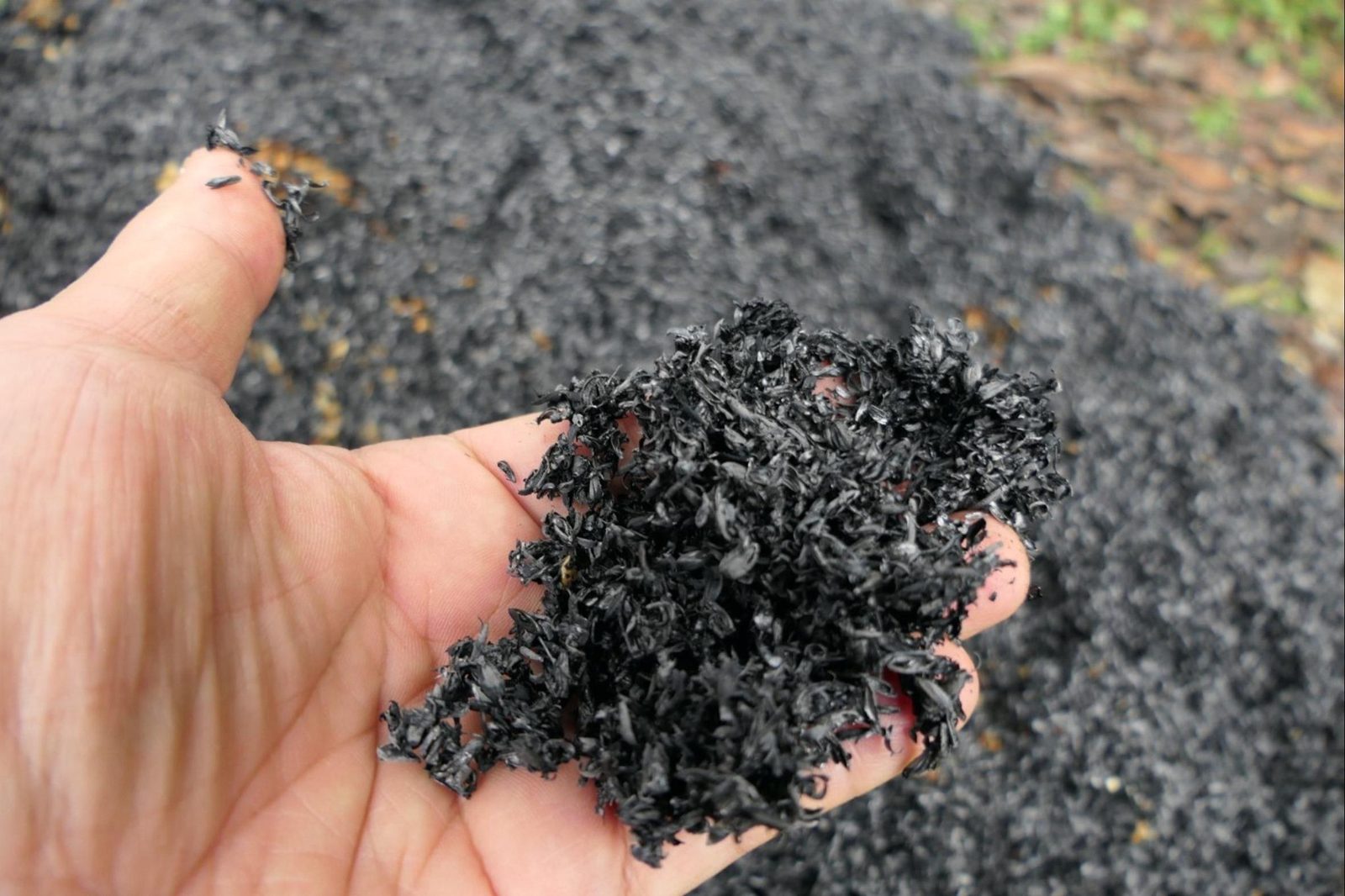
Biochar is made by carbonising plant lignin. Carbonised rice husks form rice husk char, providing vast numbers of nanoscale pores that become a "home" for microbes.
On 26 March and 2 April this year I published "Biochar: ancient, innovative and controversial" and "Let photosynthesis cut carbon: ancient charcoal faces a brave new world" in CM Media, on the past and present of biochar. They drew smallholders' attention, and some people warned of biochar's harms. Yet biochar is listed internationally as an effective carbon reduction method, so we must put it on the agenda, weigh its pros and cons, and help everyone reap the benefits and avoid the harm when deciding whether and how to use biochar.
Using biochar takes learning and experience
After National Day (10 October), we invited Liu Chin-hung of Grassroots Awareness Studio, who shares and teaches charcoal-making with smallholders, to give biochar demonstrations on three consecutive days at Kantiantian in Dongshi, Chiayi; 356 Coffee Estate in Luye, Taitung; and Chiang Yu-pao's ecological farm in Shoufeng, Hualien. If interested, you can watch the live-stream videos of these three sessions.
Let's first talk about the downsides of biochar. If they can be avoided or tolerated, then look at the benefits, and biochar can be applied properly to improve soil, increase soil organic matter, benefit crop health, and reduce carbon too.
Here we are discussing smallholders using agricultural waste materials from their own fields or nearby (such as branches, rice husks, coconut shells — woody materials). Industrially produced or mass-manufactured biochar is not our concern here.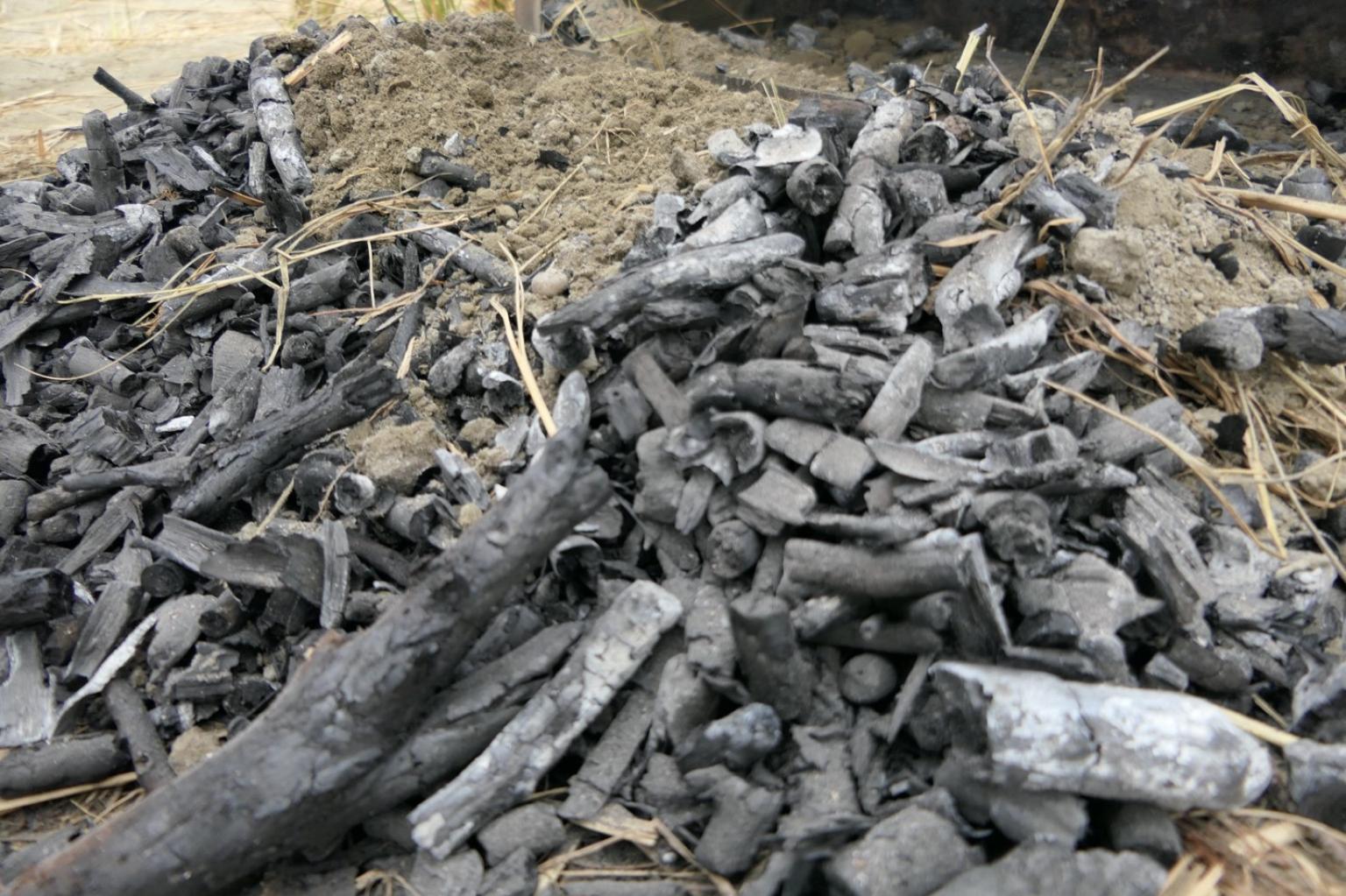
Finished biochar should be mixed with compost and soil and inoculated with microbes before use to be most effective.
Downsides of biochar
1. Fire. Making it involves fire; carelessness can cause a fire or burn yourself. You must be careful, ideally having learned how and using the right tools and protective gear to make biochar well. If you can't manage this, you shouldn't do it.
2. Smoke and haze. If the material is too damp, it produces steam and incompletely burned smoke, causing huge clouds of smoke; if someone also burns plastic rubbish, it's a serious air pollution problem that harms others and yourself, and you'll certainly be reported and fined. So all materials must be sun-dried before making char; damp material shouldn't be burned. Always do it when it's windy with good atmospheric dispersion, avoiding hazy periods.
3. Putting it directly into fields or the environment. Unless you deliberately want to kill weeds or insects, never put finished biochar directly into fields or the environment. Biochar also contains plant ash, which has potassium and is strongly alkaline, harmful to plants; it can be washed away by rain and harm plants too. It shouldn't be used directly but treated first (discussed below).
4. Overuse. Many farmers don't hold back with fertilisers and pesticides and overuse them, harming the soil. Likewise, biochar is neither pesticide nor fertiliser but a soil conditioner, and should be used in moderation — 200 g per square metre per year is plenty. And bought-in biochar at NT$20–30 per kg is an expensive input.
5. Insufficient long-term research. Fires and volcanic eruptions in nature produce biochar, and human making and use of biochar and slash-and-burn culture go back thousands of years, but academia only began to focus on biochar in the past 20 years, because it has been shown to be an indispensable tool for soil carbon sequestration. Its long-term effects on crops are still being studied — especially since soil microbiology and soil chemistry are very complex.
Benefits of biochar
1. An excellent soil conditioner. Biochar itself has no fertility; it is a nanoscale sponge structure of carbon molecules. It can absorb water and organic matter that plants secrete into the soil, while providing houses for bacteria, protecting microbes from external forces (such as sunlight and ploughing). Settled comfortably within biochar's structure, they turn soil organic matter into humus and humic acid that store nutrients long-term, forming organic soil (black earth).
2. Very cheap. If you make biochar for your own use, you need almost no bought-in materials — the materials are waste from the fields, so it's like clearing rubbish. The tools are simple too: the simplest is digging a pit in the ground; you can also buy an oil drum for a few hundred NT dollars, or of course a stainless steel drum for tens of thousands — it depends on your needs.
3. Compatible with different farming methods. From conventional farming with chemical fertilisers and pesticides to strict natural or ecological farming using no external inputs, it can be used by all, because it fits the human-made rules of circular agriculture. Growing crops draws heavily on the land's nutrients; if agricultural residues aren't returned to the field, these nutrients and minerals will be exhausted and the land will become barren.
4. Easy to make yourself. As long as you understand the nature of fire — digging a pit, building an earth kiln or using a metal drum — you can make biochar safely and effectively. It doesn't take much time or technical skill; just get your hands dirty and you'll gain experience and produce high-quality biochar.
5. Bioenergy, renewable energy. Making biochar inevitably involves burning, releasing carbon dioxide, but this comes from plants and can be cycled back into plants through photosynthesis, so it's renewable energy, unlike non-renewable fossil fuels. We can use the heat from making biochar to cook rice, boil water, roast sweet potatoes or grill meat, avoiding electricity or gas — also renewable energy that reduces carbon.
6. Carbon sequestration and reduction. Plant matter left in the natural environment turns almost 100% into carbon dioxide within 2–3 years. Making biochar can turn 30% or more of the carbon into biochar, which can stay in the soil long-term, acting as a soil conditioner, a home for microbes, and a catalyst turning organic matter into organic humus. Some research shows biochar's half-life in soil can reach 1,000 years — halving only after a millennium — effectively locking plant-absorbed carbon dioxide in the soil and promoting soil carbon sequestration, the long-term carbon reduction effect valued internationally today.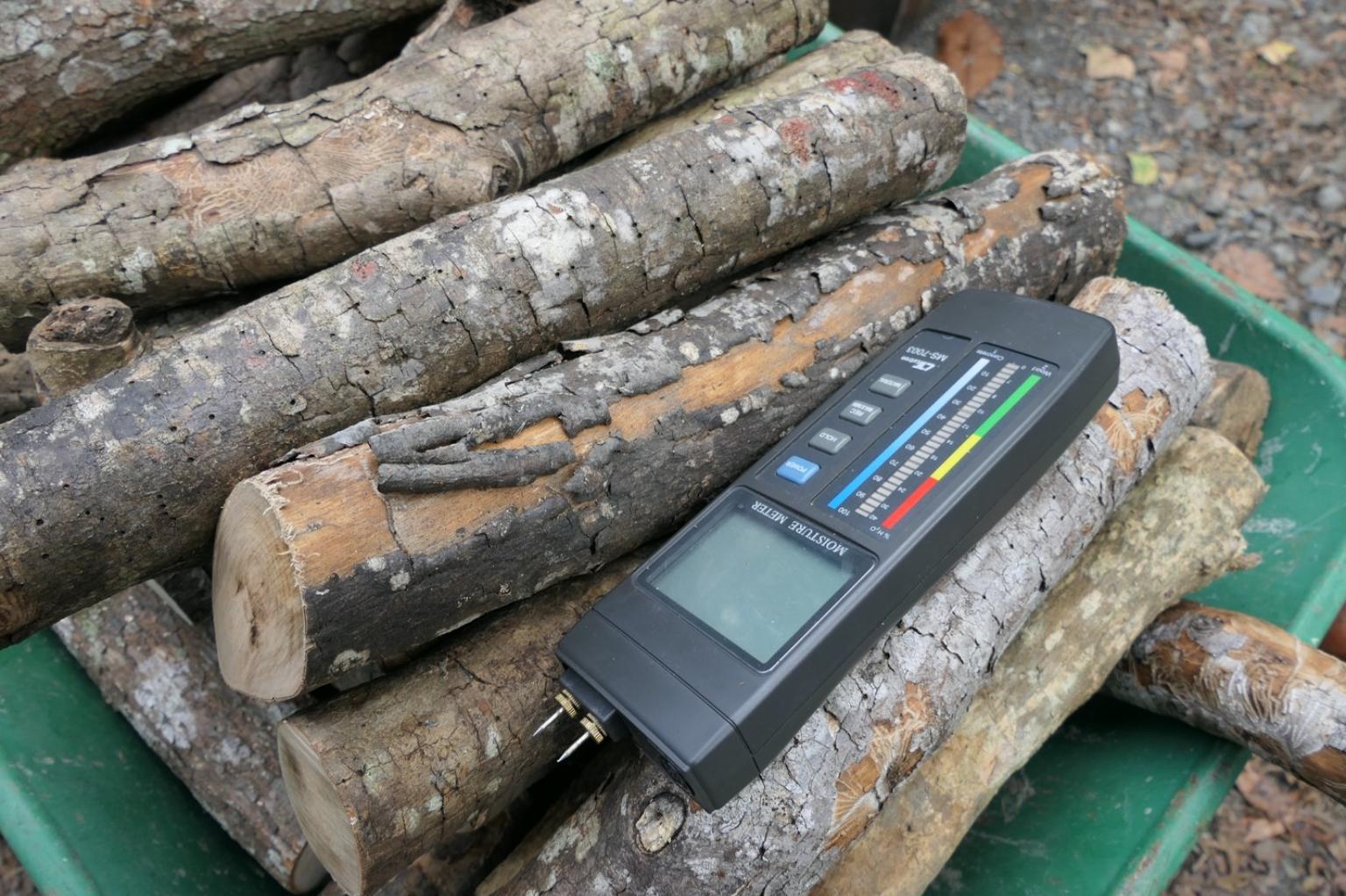
Materials used for biochar must be dry.
In MiHuMiSang's "smallholder carbon farming" international voluntary emission-reduction certification, although biochar itself has no standard methodology, it can be used appropriately as a method of increasing soil organic carbon. If you want to use it, assess the following first:
1. Know your soil. Biochar suits most land in Taiwan — sandy soil or loam, paddy or dry field, vegetables, fruit or trees. But note that biochar inevitably includes plant ash, so it's alkaline; it mustn't be used directly on saline-alkali land, but should first be composted and made organic.
2. If soil organic matter is low, you can use a bit more, but it's recommended to add it gradually in moderation to avoid harm from overuse.
3. Assess whether your agricultural waste is suitable raw material for biochar. Lignin-rich waste is best. If you grow vegetables, you have no woody farm waste and may need to get rice husks from nearby rice growers or pruned branches from orchards to make char.
4. A suitable site for burning charcoal. It must be well ventilated and open, with no flammable or explosive materials nearby, ideally with a water source; otherwise you'll need to bring large water containers.
5. A place to dry materials. Fresh material contains 70% water and absolutely can't be used to make char; ideally dry it to below 20% — the drier the better. So besides sun-drying, you should have somewhere to store dry materials, protecting them from rain and damp.
6. A place to make and store organic fertiliser. Biochar shouldn't be used directly but mixed with organic fertiliser and kept at a certain moisture level. Some soak it in water (not recommended, because soaking produces methane — another greenhouse gas). Organic fertiliser contains natural bacteria, and you can also add probiotics such as photosynthetic bacteria, "inoculating" the biochar with microbes. This generally takes 3–6 months, so the biochar should be mixed evenly with organic fertiliser and inoculated for 3–6 months before use.
What to burn it in? The simplest thing to try is digging a pit in the ground. For something "a bit fancier", find an oil drum or metal drum — anything that confines the area where the fire burns. You don't need a big pit or container to start; start small.
Kilns for burning biochar come in all sorts of weird and wonderful forms, depending on your needs. An oil drum is enough: a 50-gallon drum costs about NT$300 online; punch a few holes in the bottom and you can burn.
Watch the fire and burn from the top down, so the wood below "pyrolyses" in a low-oxygen environment. When you see the wood has burned through, douse it completely with water and you'll have biochar.
Some people put a smaller drum (20–30 gallons) inside a larger one, using the small drum as a pyrolysis chamber to make biochar effectively and safely.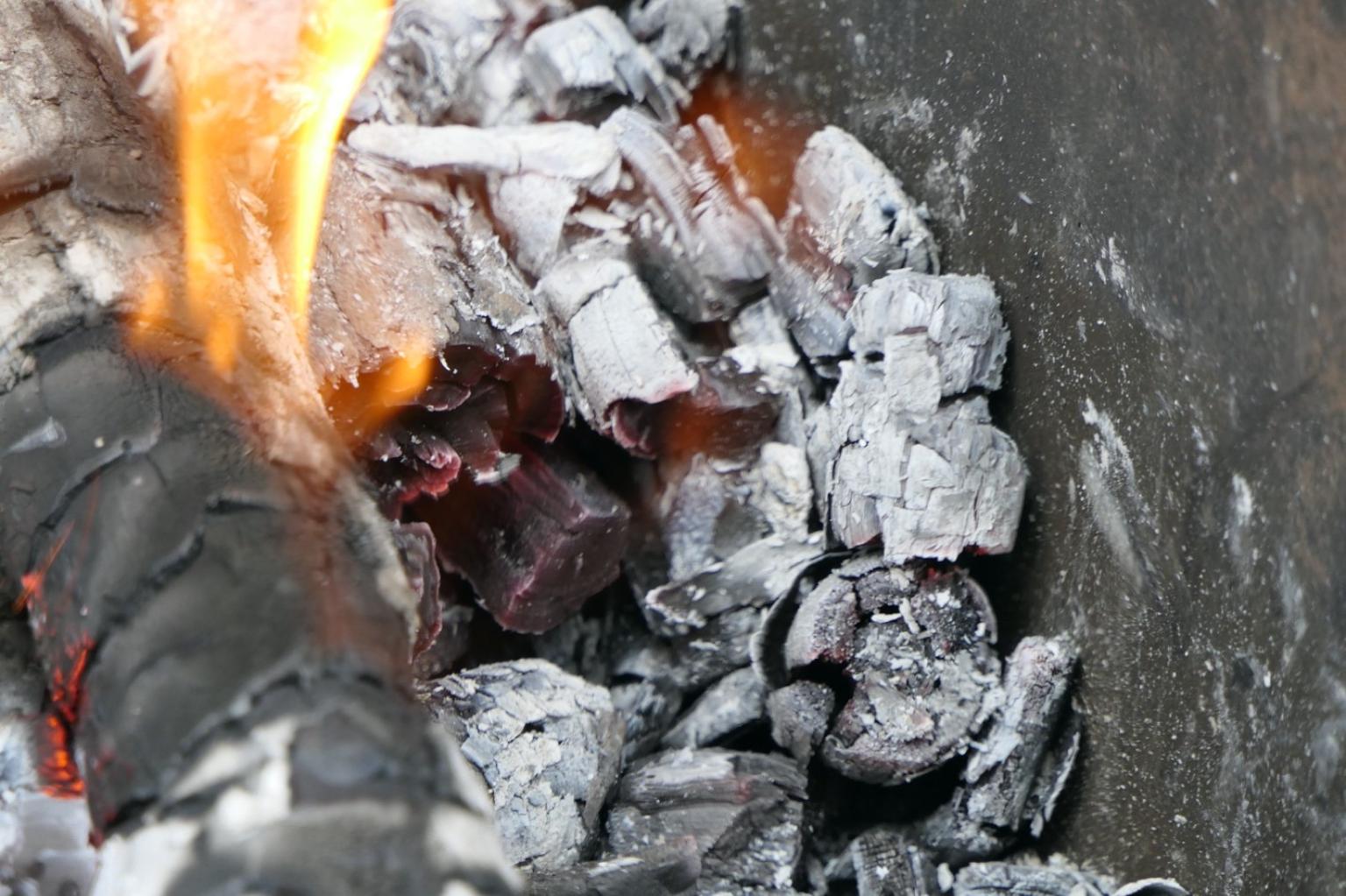
Making biochar not only improves soil but is also a source of bioenergy.
Just search "生物炭" or "Biochar" online or on YouTube and you'll find plenty of Taiwanese and international information and videos, and a char-making method that suits you.
Interested? Why not take action now, while October's autumn air is crisp and clear.
Source: CM Media ( https://www.cmmedia.com.tw/home/articles/36622 )


