 努力小農
本文尚無譯文。
Composting: a process of people and nature becoming one
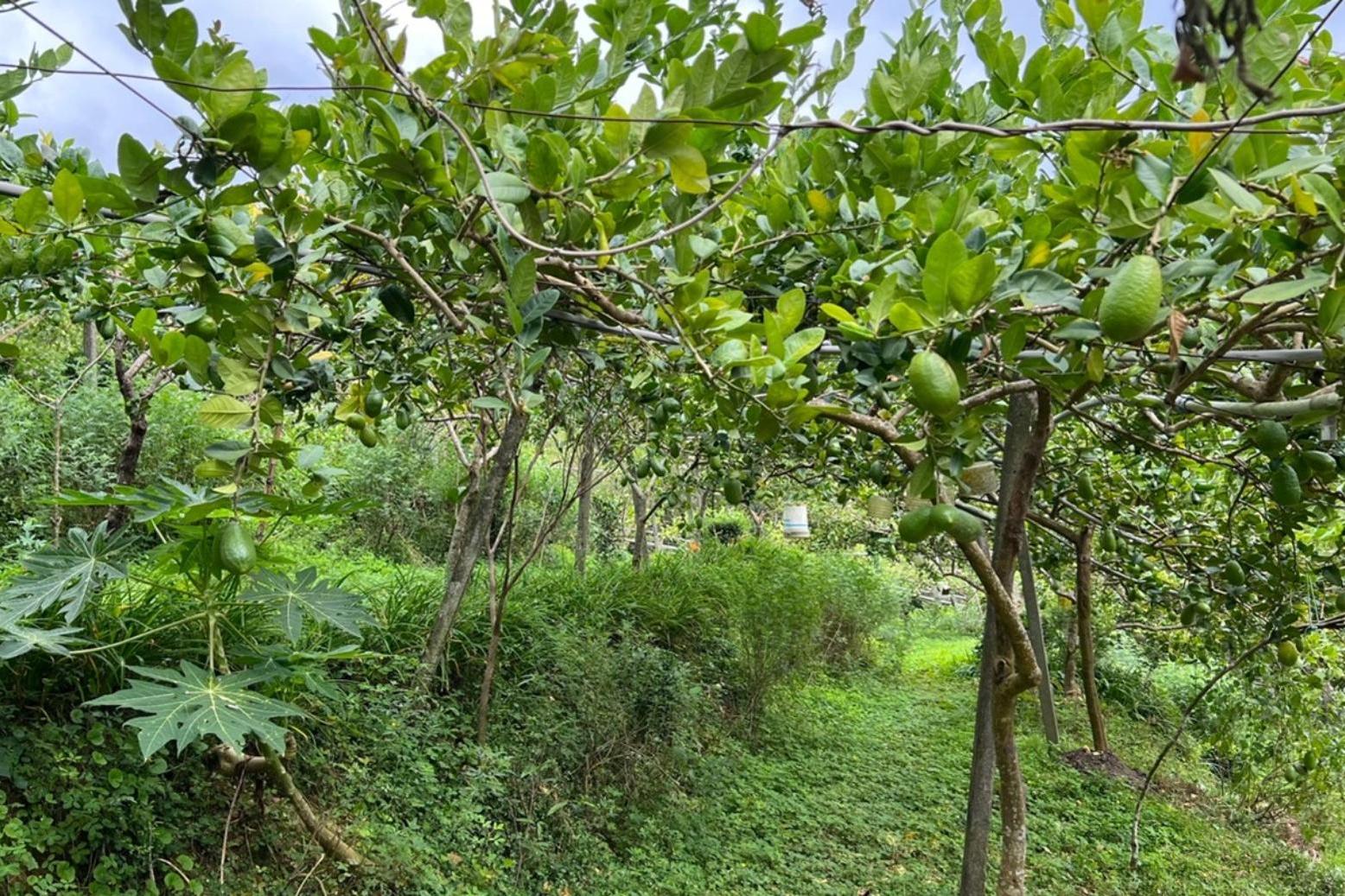
At Dragonfly Valley Organic Farm in Dongshi, Taichung, perfume lemons hang heavy on the trees and are produced all year round. Simple weeding and composting, plus plant ash, keeps the crops healthy.
The primeval Earth was completely barren. Volcanic eruptions produced volcanic rock, such as Yangmingshan's andesite, which over tens of millions of years of "transformation" formed soil; only then came mosses, ferns, grasses and trees, forming forests. Soil formation is a natural process that turns inorganic rock and gravel into soil rich in organic matter.
Dust to dust, earth to earth
The natural process of soil formation, in agriculture, becomes composting: preventing loss of organic matter from farm soil and speeding up soil formation. Besides benefiting crops and raising yields, it can improve quality, reduce pests and diseases, increase farmers' income and lower farming costs.
Tsai Yi-feng retired as deputy director of the Tainan District Agricultural Research and Extension Station. He graduated from National Chung Hsing University's Department of Soil Science and, after military service, joined the Taichung station specialising in composting. Starting in 1988, his work marked the beginning of Taiwan's earliest systematic, scientific research on composting.
"Back then no one wanted to research compost because it stank. After a day's work I smelled so bad my wife wouldn't let me home. I had to shower and wash my clothes in the bachelor dormitory bathroom first before I could go home."
Tsai Yi-feng has a PhD in soil science and researched composting in depth for over 30 years before retiring. Now, retired but not idle, he trains "compost instructors" around the country to continue his mission of promoting composting.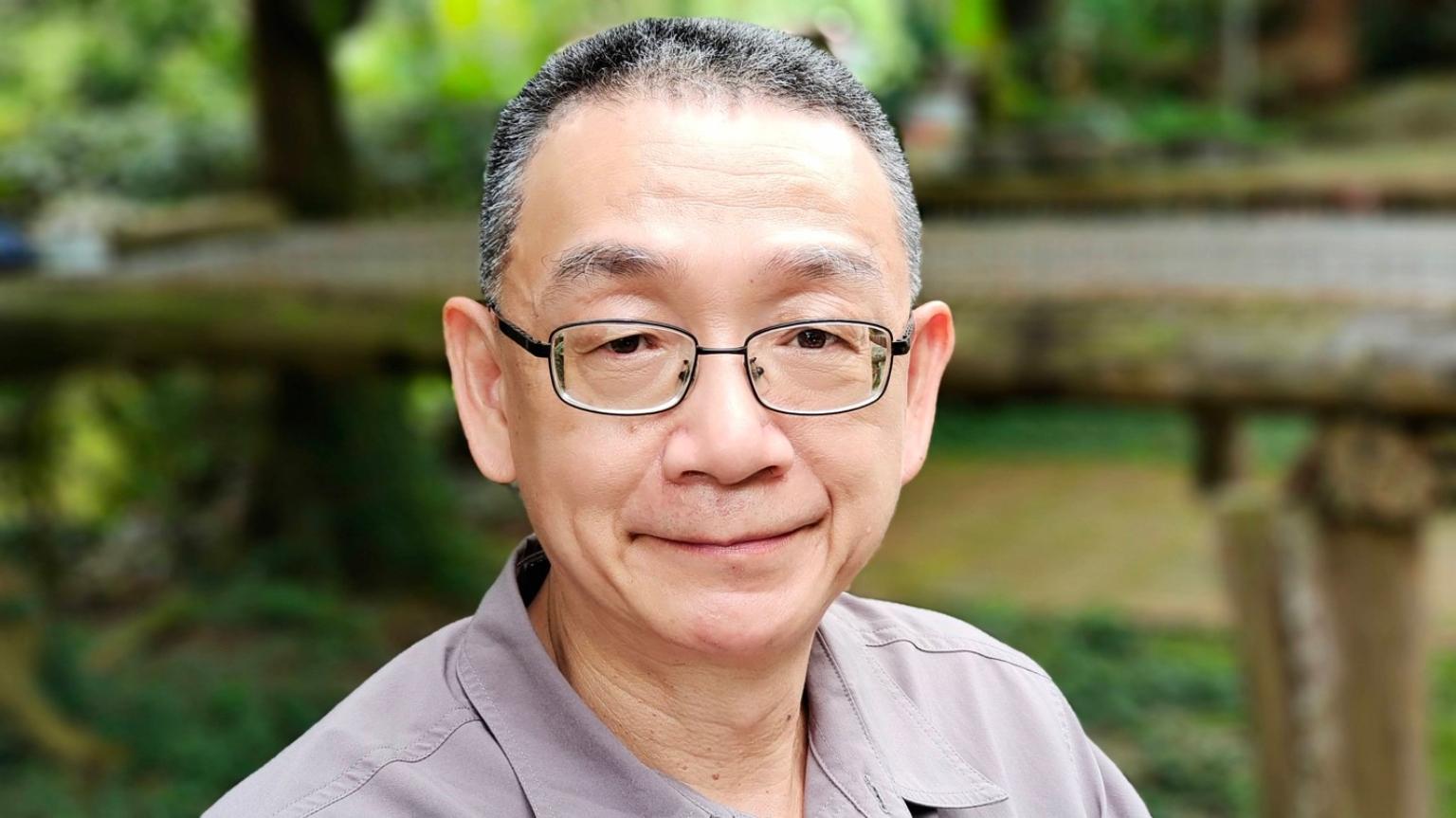
Dr Tsai Yi-feng specialised in composting during his career in agricultural research, and since retiring has actively trained compost instructors.
Like biochar, compost has an industrial, mass-production economic model. Under the Fertilizer Management Act it requires complex formulas, manufacturing plants and detailed compost composition, must be free of harmful substances, and must meet the relevant organic fertiliser standards and pass inspection. On 28 October at Dragonfly Organic Farm in Dongshi, Taichung, more than 20 smallholders came to take Tsai Yi-feng's six-week "compost instructor" training course, mainly on how smallholders can make suitable compost themselves from their own agricultural residues.
Internationally, compost is an important means of increasing soil organic matter. If smallholders want to increase soil organic carbon through "carbon farming", it's worth making their own organic compost, which has several advantages: first, it reduces agricultural waste; second, commercial organic fertiliser is expensive, so making your own saves money; third, returning field residues to the field fully meets your own needs. Just add some nitrogen, phosphorus, potassium and minerals, and you can practise "regenerative agriculture", the hottest trend worldwide today.
Compost: a necessity for agricultural carbon reduction
Tsai Yi-feng is highly confident in compost as a means of reducing carbon (increasing soil organic carbon, carbon farming). Properly done, it should increase soil organic matter and raise the yield and quality of farm produce. But compost, like soil, is a very complex scientific subject with many uncertainties. Research institutions should study it and set production standards in future; otherwise it's very hard for ordinary farmers to figure out by themselves.
For ordinary farmers' paddy fields, dry fields, mixed crops, vegetables and tea gardens, each crop has different soil characteristics and needs different methods. Because paddy fields hold water, compost organic matter shouldn't be too high: paddy fields lack oxygen, and organic matter is aerobic, so too much organic matter may starve rice roots of oxygen.
Vegetables and mixed crops in dry fields can take relatively more organic matter, because there are more aerobic bacteria in the soil and they can handle more organic compost.
Orchards can take even more organic matter than vegetables and dry-field mixed crops, so compost with more organic matter, such as poultry and livestock manure, can be made for them.
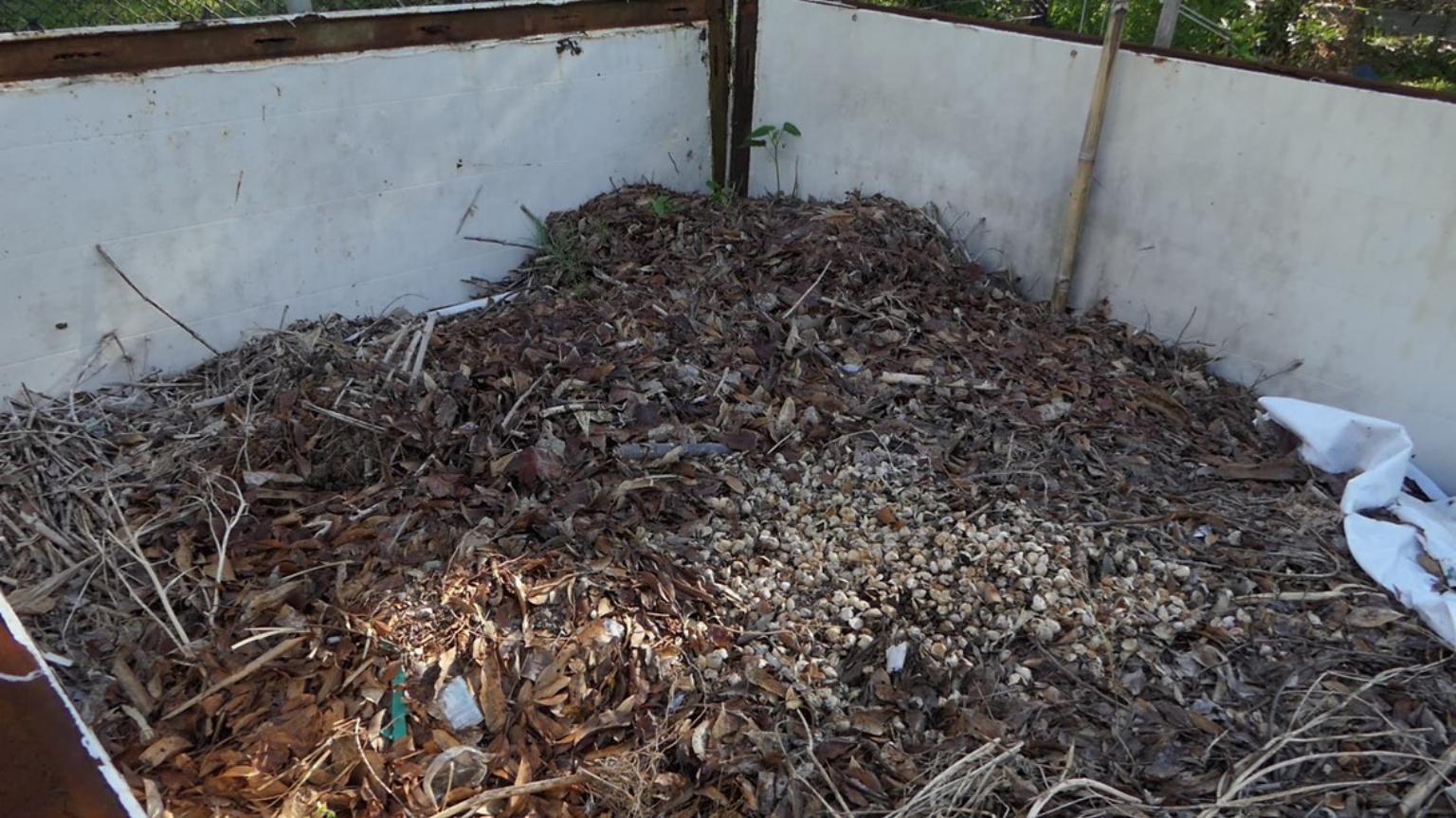
It's easy for smallholders to make compost: just pile cut grass and pruned branches together and composting can begin. But doing it right and doing it well takes continual learning and practice.
Tea bushes in tea gardens need acidic soil, so neutral or alkaline compost should be avoided; fully matured neutral compost isn't suitable. Instead, green manure is used to make semi-fermented compost that keeps some acidity.
Compost: hard to understand, easy to do
Tsai Yi-feng believes compost must be fermented. Unfermented raw manure is bad for all crops; organic matter needs a certain degree of decomposition to provide crops with good nutrients.
Soil type, terrain, climate, rainfall, farming methods, crops and local ecology — including microbes, insects, reptiles and earthworms — all affect local soil. These factors also determine what kind of compost is needed, how to make it and where to find materials.
Whether or not farming organically, composting — returning agricultural residues to the field — is very important. Without composting, agricultural waste is discarded or buried, where lack of oxygen produces methane (also a potent greenhouse gas); it also has to be disposed of as rubbish. Then fertiliser has to be bought and applied at extra cost. And with chemical fertilisers, plants are less healthy and need more spending on pesticides.
From the perspective of carbon reduction and net zero, the "Smallholder Carbon Farming" project will also promote home-made compost, so that smallholders reduce carbon emissions through composting while storing more organic carbon, organic matter and humus in the soil — healthy soil, healthy crops — and more organic carbon sequestered in the ground, reducing greenhouse gases in the atmosphere.
Source: CM Media ( https://www.cmmedia.com.tw/home/articles/36843 )


