努力小農
本文尚無譯文。
Photosynthetic bacteria make soil healthier and cut carbon: smallholders witness the power of soil probiotics
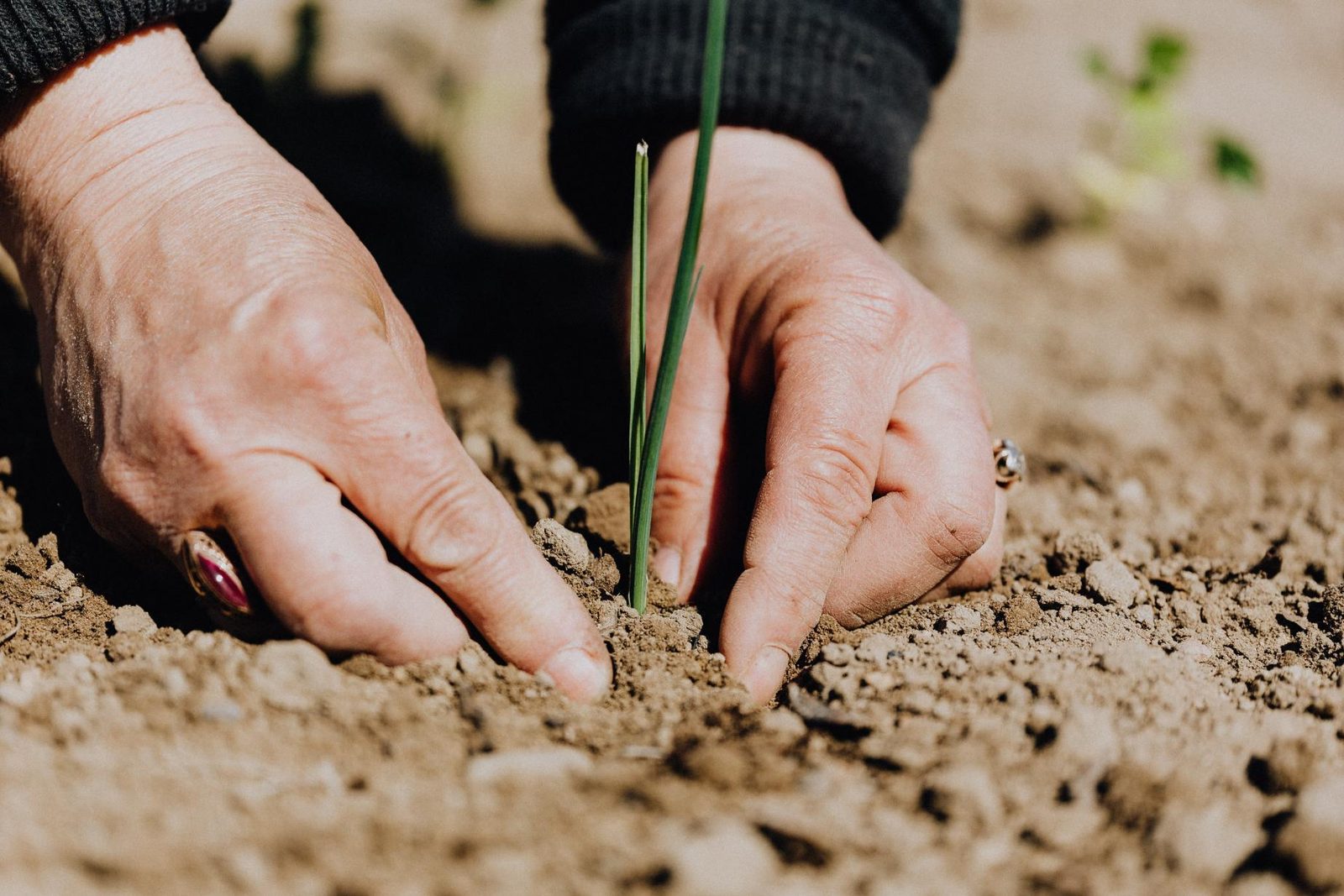
Good bacteria make good soil, and good soil makes good crops. (Photo: pexels)
As the 27th Conference of the Parties to the UN Framework Convention on Climate Change (COP27) meets in Sharm El-Sheikh, Egypt, under the theme "Together for Implementation", among the issues discussed, compensation for climate damage and food have drawn the most attention. International food and agriculture companies set up a Food Systems Pavilion. With climate change, the pandemic, economic recession, inflation and the Russia–Ukraine war, every country is affected by food security — after all, food is the energy of human life and needs a long-term, stable and safe supply.
At the Gushan Warehouse in Dashu, Kaohsiung, more than a hundred smallholders gathered to share a year's results and experience in culturing microbes. Besides speeches by officials, smallholders with three or four years' experience shared their results. Two rows of displays and tastings of farm produce were set out — a delightful sight.
The drivers of photosynthetic bacteria: Liao Li-ling and Tsao Chi-hung
This programme is the fruit of long-term research by Dr Liao Li-ling of the Bioresource Collection and Research Center at the Food Industry Research and Development Institute, applied to farming and fisheries to help farmers and fishers increase production and improve quality. Originally the research institute transferred the technology to private companies to promote. Five years ago it caught the attention of former Council of Agriculture minister Tsao Chi-hung, and this biological resource was gradually made "public" and "for the public good", so that farmers and fishers at large can prepare and culture it themselves affordably.
After leaving public office and returning to civil society as chairman of the Tawushan Cultural and Educational Foundation, Tsao Chi-hung has devoted himself to promoting photosynthetic bacteria as an agricultural soil conditioner, reducing the use of chemical fertilisers and pesticides.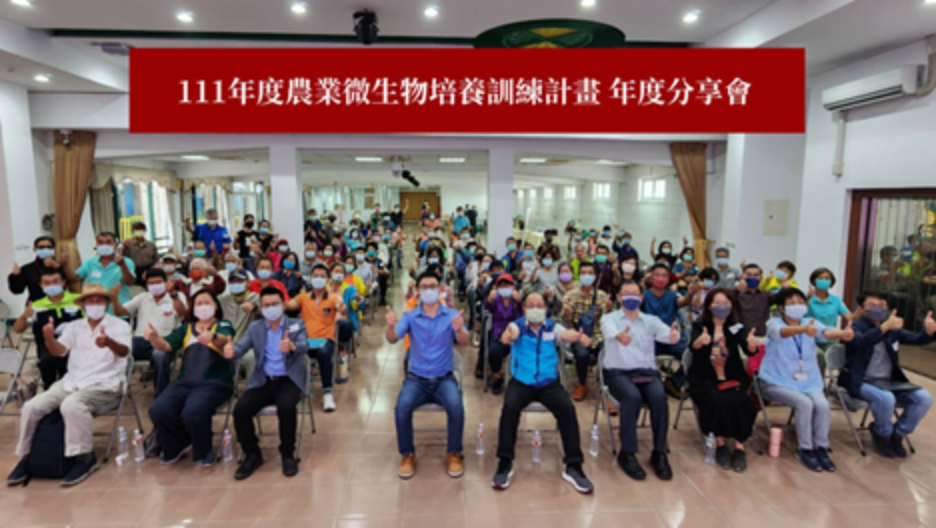
More than a hundred smallholders gathered to share how they use microbes to help soil fix carbon and restore soil health — echoing COP27 in Egypt. (Photo: Lin Tzu-hui)
"Photosynthetic bacteria", as the name suggests, are bacteria that carry out photosynthesis. They include the Earth's oldest photosynthetic organisms, the blue-green algae (cyanobacteria) — such as the oxygen-producing Nostoc commonly called "lovers' tears" or "ground wood ear" — as well as non-oxygen-producing green and purple sulphur bacteria. These bacteria come from nature and can break down all kinds of nutrients and fertilisers. In the soil they decompose organic matter into nutrients plants can absorb. Besides reducing fertiliser, they also improve plant health and immunity and reduce crop diseases.
Farm work is often hard to understand and even harder to do. With four years of promotion by the Food Industry Research and Development Institute and the Tawushan Cultural and Educational Foundation, more than 5,000 farmers have been trained and gradually organised into teams. Associations for education and promotion of agricultural photosynthetic bacteria have been set up in Pingtung, Tainan and Chiayi, practising at the grassroots.
In theory, soil bacteria can turn plants' metabolic products into long-term organic carbon such as humus and humic acid, forming a humus layer — like the soft humus soil under big forest trees rather than hard rock or clods. This is nature's process of turning rock into soil.
Photosynthetic bacteria link the symbiosis between crops and soil
There are a huge number of bacterial species in soil, in dynamic relationships of competition and symbiosis. Some say humanity knows more about outer space than about the soil beneath our feet, because microbes in the soil change every second; even with today's advanced technology we can only glimpse part of the picture, not grasp it fully — all the more since the endless variety of soil, climate, and plant and animal ecology interacts with soil microbes.
Ten thousand years of agricultural clearing and half a century of heavy misuse of fertilisers and pesticides have killed off large numbers of soil bacteria, causing soil acidification and loss. Some American agricultural experts even think that with large-scale machinery, pesticides and chemical fertilisers, US soils have "only 60 harvests left". This is seen as somewhat alarmist, but in fact much fertile land has already become barren.
The urgent task is to restore the vitality of soil microbes, and in turn nurture symbiotic ecosystems of earthworms, insects and small animals, to ensure sustainable use of farmland rather than "farming the soil to exhaustion". Photosynthetic bacteria have been studied internationally for years and become an important field; with calls for carbon reduction and net zero growing louder in recent years, appropriate use of photosynthetic bacteria has been shown to sequester carbon, while research on this in Taiwan has only just begun.
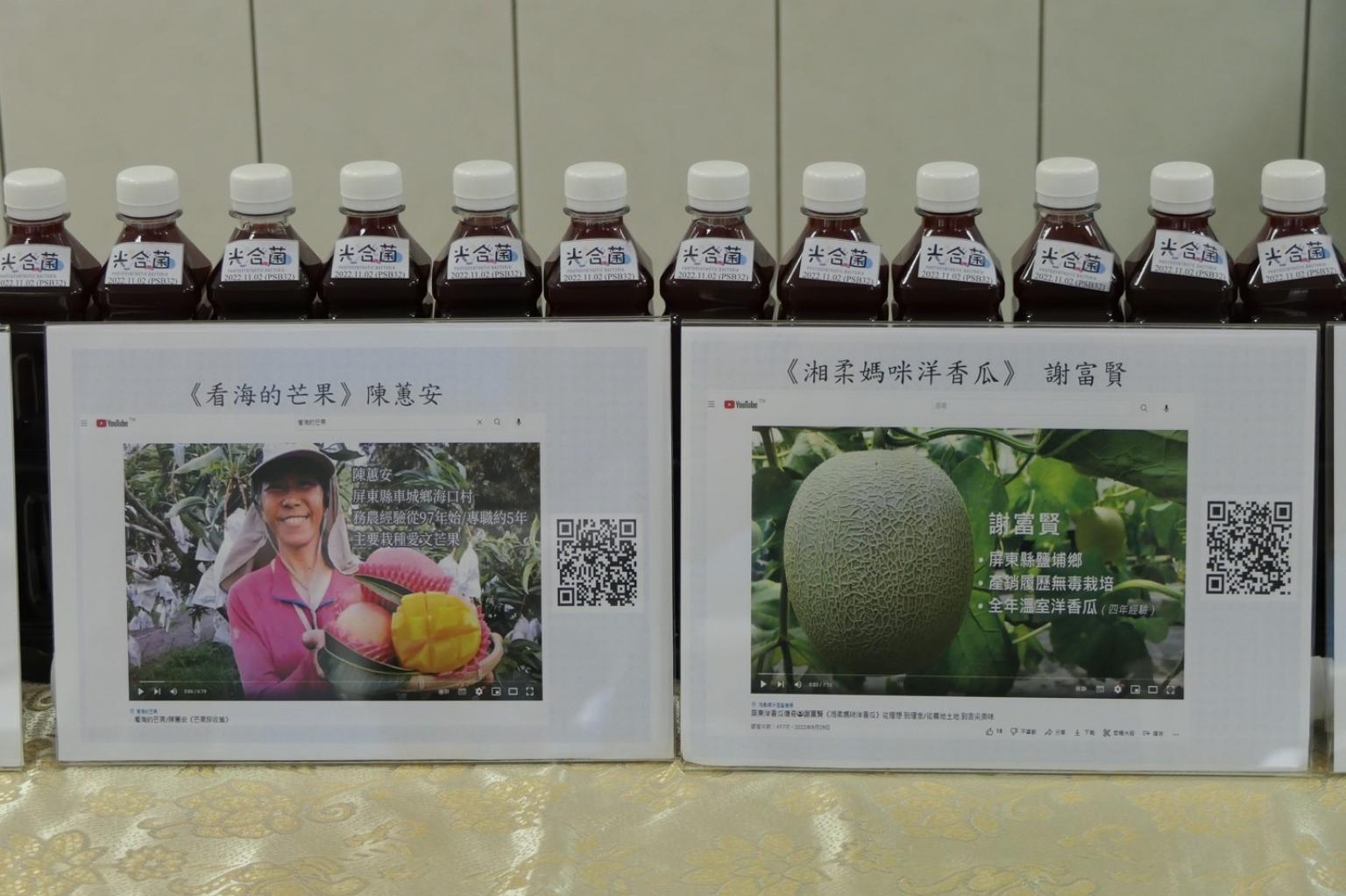
Photosynthetic bacteria live in symbiosis with crops, producing high-quality farm produce.
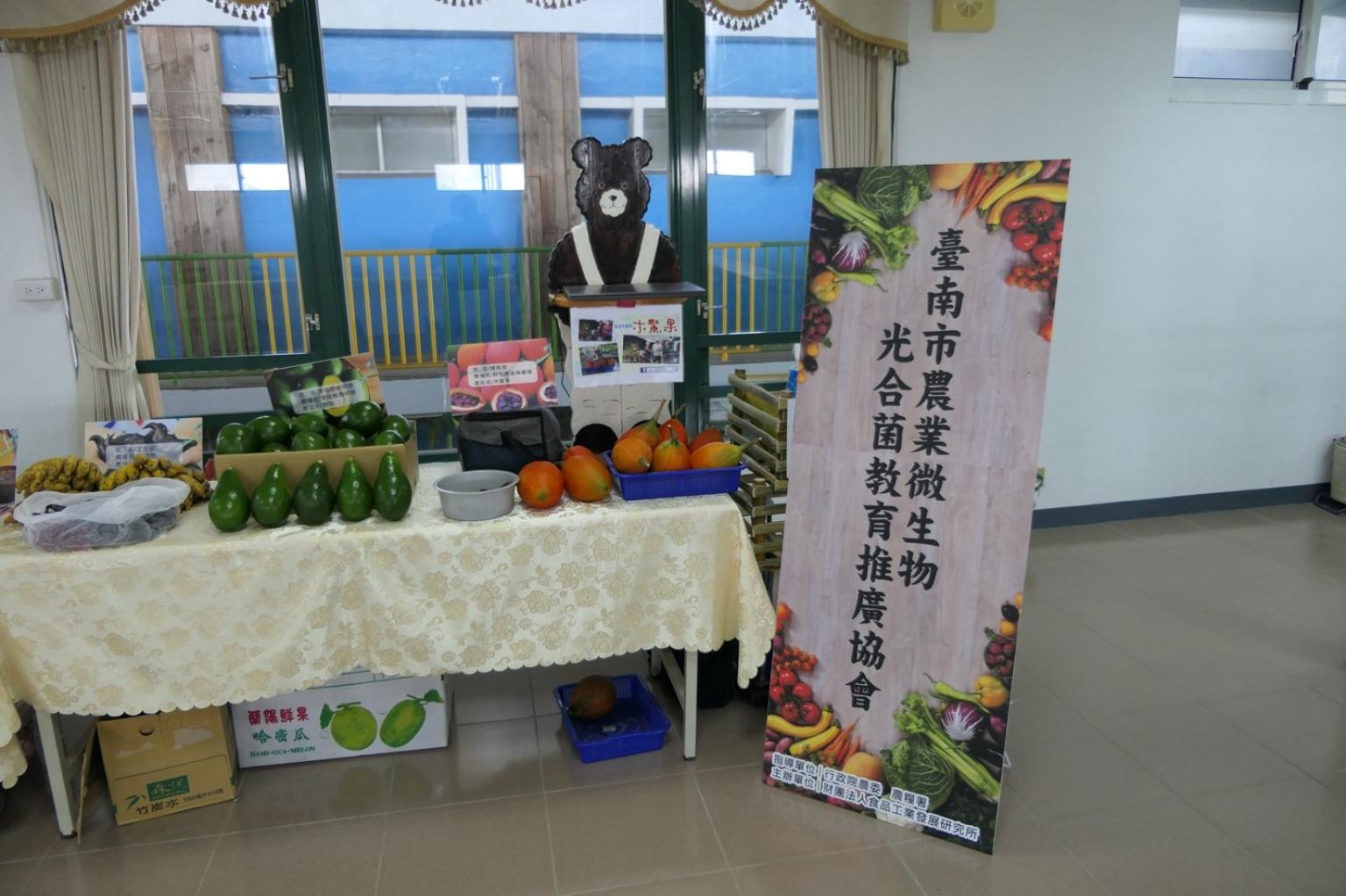
For farmers, using photosynthetic bacteria is "hard to understand and even harder to do". Some areas have formed associations, using the power of grassroots organisation to spread the uses of photosynthetic bacteria widely.
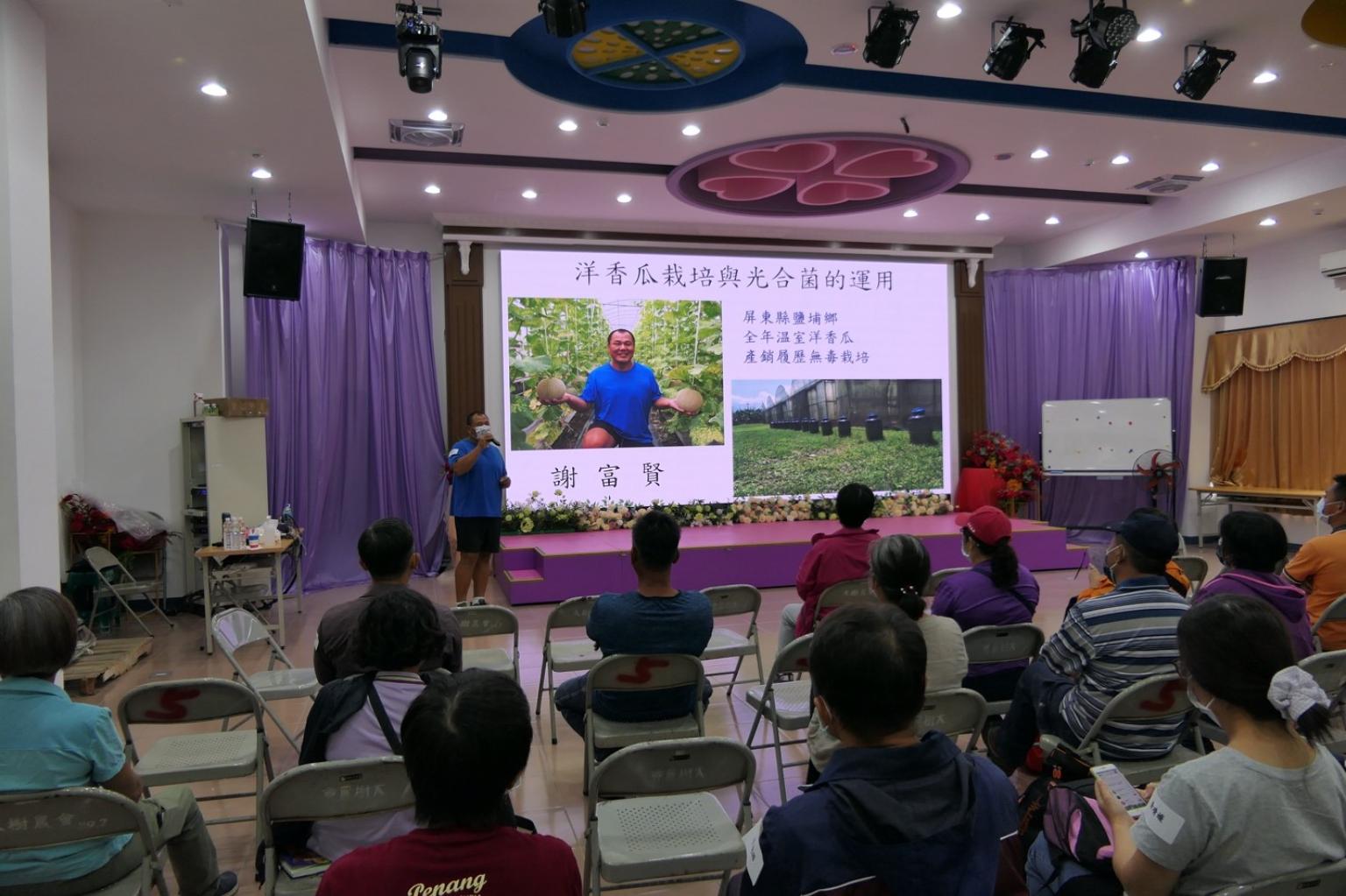
Smallholders happily share their ups and downs — lively on stage, rapt attention in the audience.
Over the whole day, besides expert talks, the highlight was smallholders sharing their experiences and telling their stories with each other. Some veterans have become mentors in photosynthetic bacteria and found their own stage, animatedly recounting how hardship turned to reward, concluding: "Using photosynthetic bacteria was the right thing to do."
From a carbon reduction perspective, photosynthetic bacteria offer excellent soil improvement. Good bacteria make good soil, and good soil makes good crops. After long misuse of pesticides and fertilisers, it's time to turn back. Meanwhile, through "smallholder carbon farming", smallholders can also take part in international voluntary emission-reduction certification, letting the world see Taiwan's smallholders' efforts in reducing carbon.
Source: CM Media ( https://www.cmmedia.com.tw/home/articles/37075 )