 努力小農
本文尚無譯文。
Smallholder carbon farming enters international carbon sink certification and markets
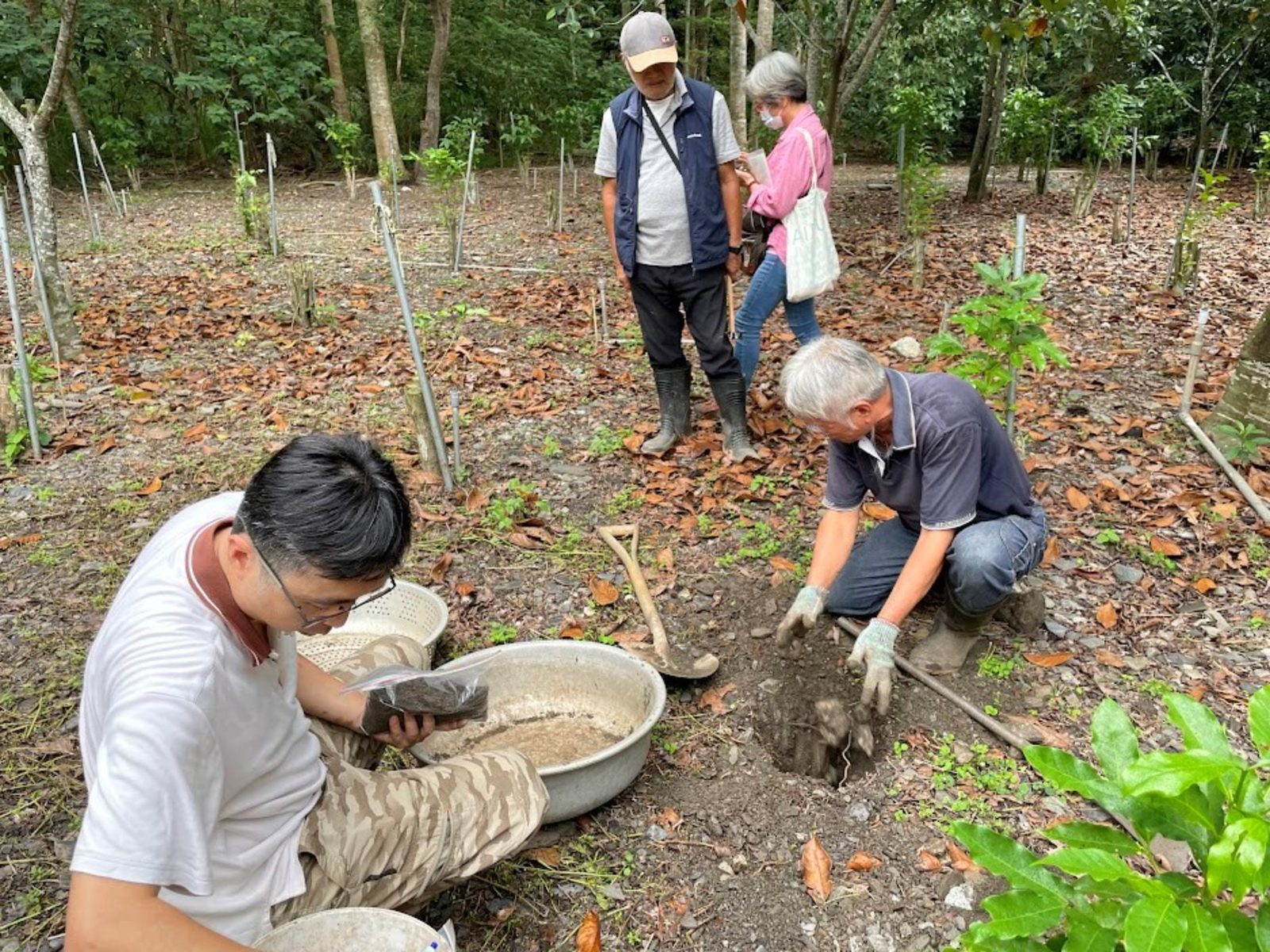
Smallholders in various places collect soil samples in their fields to establish the baseline before the project begins, as the benchmark for future increases in soil carbon sinks.
Good news after Lunar New Year
After Lunar New Year, smallholders began spring ploughing and threw themselves into the busy farming season. On the morning of 9 February good news arrived from Europe: "smallholder carbon farming", formed by smallholders, had passed the registration review of an international certification body, becoming the world's first smallholder emission-reduction project. In future we hope more people will take part, or develop new international emission-reduction projects, making agricultural carbon reduction in Taiwan an international highlight.
After nearly a year of collaboration and effort, Taiwan's first international soil carbon sink project (smallholder carbon farming) smoothly passed the Gold Standard (Gold Standard for the Global Goals) preliminary review. It is also the first time several hundred smallholders, bringing together more than 260 hectares of farmland, have turned soil into a carbon sink. This can not only ease the greenhouse gas problem of global warming but also raise farmland biodiversity and increase the value of produce. At the same time, these activities beneficial to the environment, ecology and social justice can gain quantified certification under the UN Sustainable Development Goals (SDGs), including carbon credits for emission reductions and quantified certification of SDG 2 Zero Hunger, SDG 4 Quality Education, SDG 8 increased income and SDG 13 Climate Action. Companies that sponsor it can also take part in and share the results of smallholder carbon farming as part of their ESG (environmental, social and governance) performance.
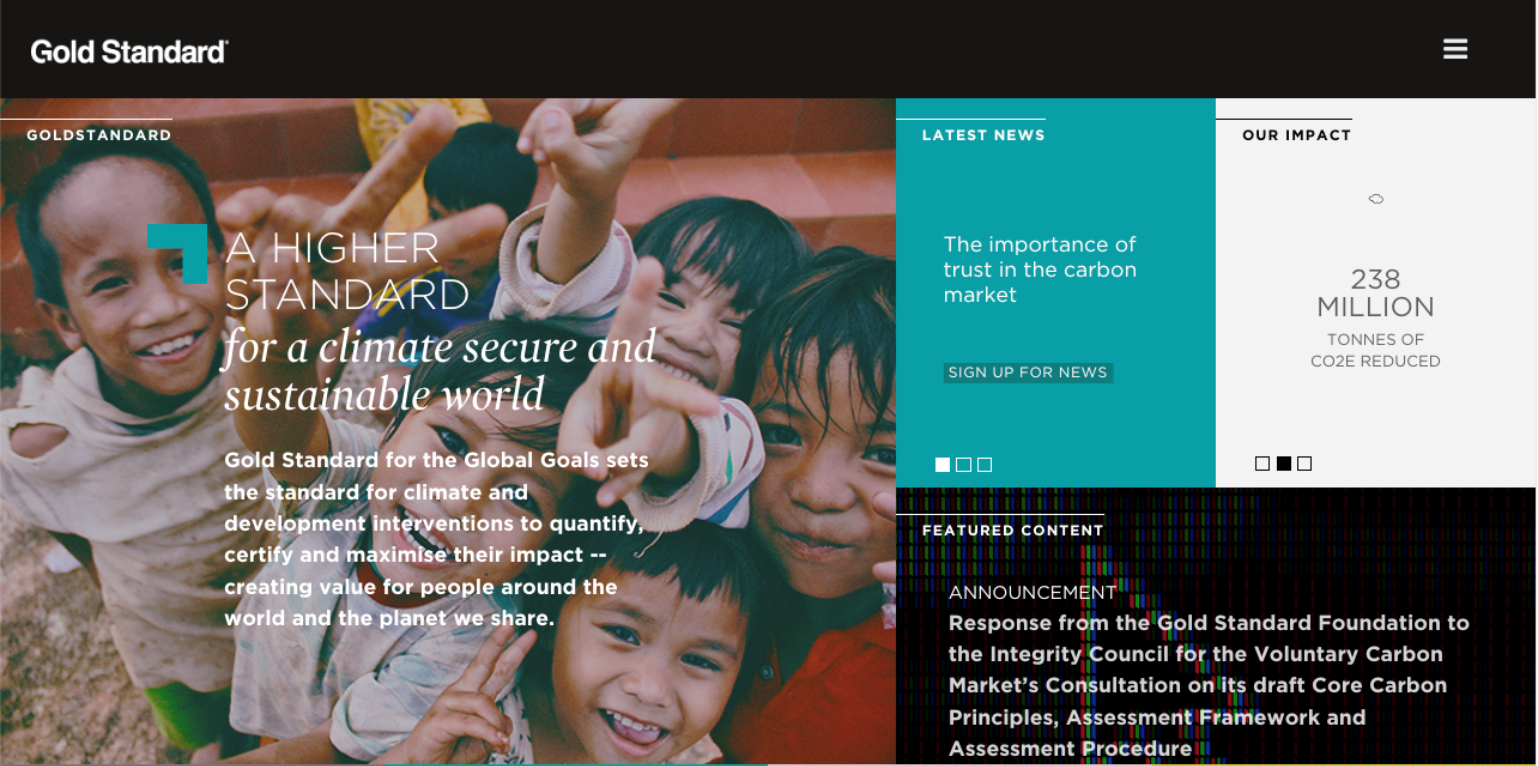
The Gold Standard, an international certification organisation set up with sponsorship from international bodies including WWF, has certified 2,900 projects in more than 100 countries, reducing 23.8 million tonnes of CO2. Taiwan's 300-plus smallholders, with over 260 hectares, have become owners of GS11818 "Taiwan Smallholder Carbon Farming", entering the field of international emission reduction.
In addition, because the Gold Standard is aISEAL(International Social and Environmental Accreditation and Labelling Alliance)memberand complies with ISEAL's codes of good practice, once certified, products and services can be labelled according to the rules. This means smallholders' products can in future show their contribution to emission reduction and sustainability indicators, recognised internationally. Just like the familiar Fairtrade, Rainforest Alliance and sustainable forestry certifications, certified products can carry labels showing compliance with Gold Standard emission-reduction certification, and sponsors and participants can disclose the certification process and results according to the relatedClaims Guidelines(Claims Guidelines), making it an important quantified ESG performance for companies.
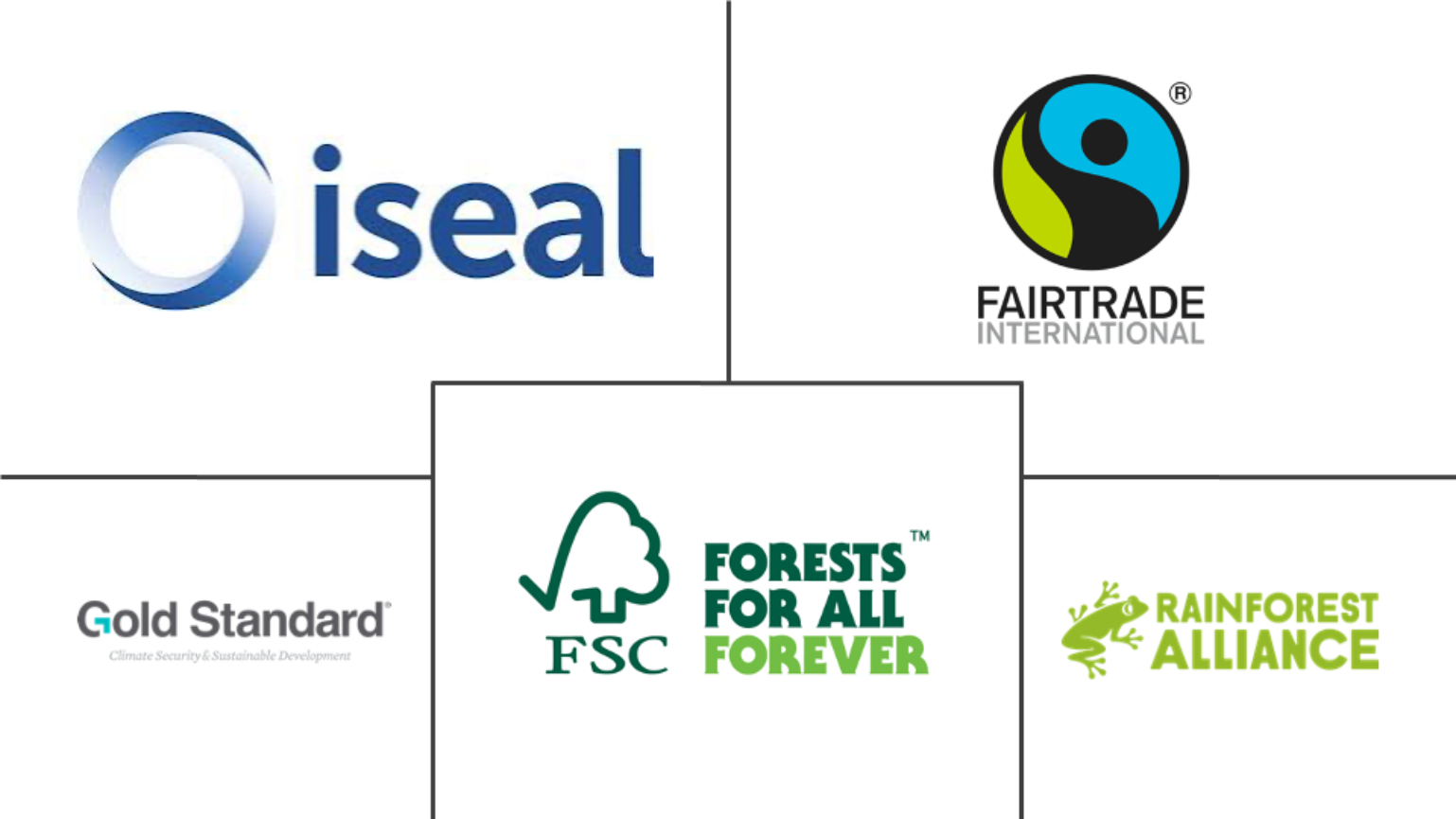
The Gold Standard, Fairtrade, sustainable forestry, the Rainforest Alliance and more than 40 other internationally known organisations are members of the International Social and Environmental Accreditation and Labelling Alliance; certified products can show their certified performance and results.
For agriculture to go international, it must pass certification under international norms
Because Taiwan is distant from the international community and relatively unfamiliar with international standards and certification, the early stage of promoting smallholder carbon farming has required a great deal of communication. In a year I drove over 40,000 km. Even in my small hybrid, doing over 24 km per litre, that used over a thousand litres of petrol — a "necessary evil" to get the project going. We hope that in future, using the MiHuMiSang app for digital monitoring and reporting will greatly reduce travel emissions during implementation and disclose the reduction process and results more precisely and transparently.
The basic methodology of carbon farming is based on the Gold Standard'sSoil Organic Carbon Framework Methodology. Simply put, you establish the baseline soil organic carbon — measuring the soil organic carbon ratio before the project begins — then carry out project activities, including reducing tillage, increasing cover, reducing fertiliser and chemical fertiliser use to protect the richness and diversity of soil microbes, and using biological inputs and biochar to promote carbon fixation by soil microbes. Each year the organic matter ratio of farmland under carbon farming is compared with the baseline to calculate how much organic carbon each field has gained, which represents that year's reduction performance. The performance is converted into tonnes of emission reductions using an international formula; after validation, verification and certification, carbon credits can be issued and traded on international carbon markets.
The Gold Standard has approved the Taiwan Smallholder Carbon Farming Project as a five-year carbon credit development project that can be extended. That is, the project activities we proposed — baseline, activity planning, additionality, leakage, methods of increasing carbon sinks and calculation methods — all meet the relevant requirements of theSoil Organic Carbon Framework Methodology, with no major non-conformities. If participating smallholders do what they committed to under the project plan, they can receive carbon credits for the organic carbon they add. Aggregated by the developer, these are sold on behalf of the smallholders (the credit owners) on international carbon markets to companies needing emission reductions, to offset their emissions.
Don't imagine that smallholders can get rich by "selling carbon credits". On today's international voluntary carbon market,Carbon Creditsthe price of a tonne of nature-based carbon sink credit is only US$4. But we guarantee to buy at US$10 per tonne, and profits after sale will be split 50/50 with smallholders. Because the social impact of smallholder carbon farming (numbers involved, public education, food security, social justice, ecological conservation, higher income and so on) far exceeds that of ordinary forest carbon sinks — and far exceeds the value of green-energy and similar credits — companies are willing to buy smallholders' credits above market price.
Smallholder carbon reduction drives an endless social value chain
For smallholders, the crops, products and related services (restaurants, leisure farms, eco-tourism, environmental and food-and-agriculture education) from land that has passed international emission-reduction certification will also increase in value, and can carry international certification labels, creating new added value guaranteed for products and services. All this can raise income far beyond what carbon sinks earn.
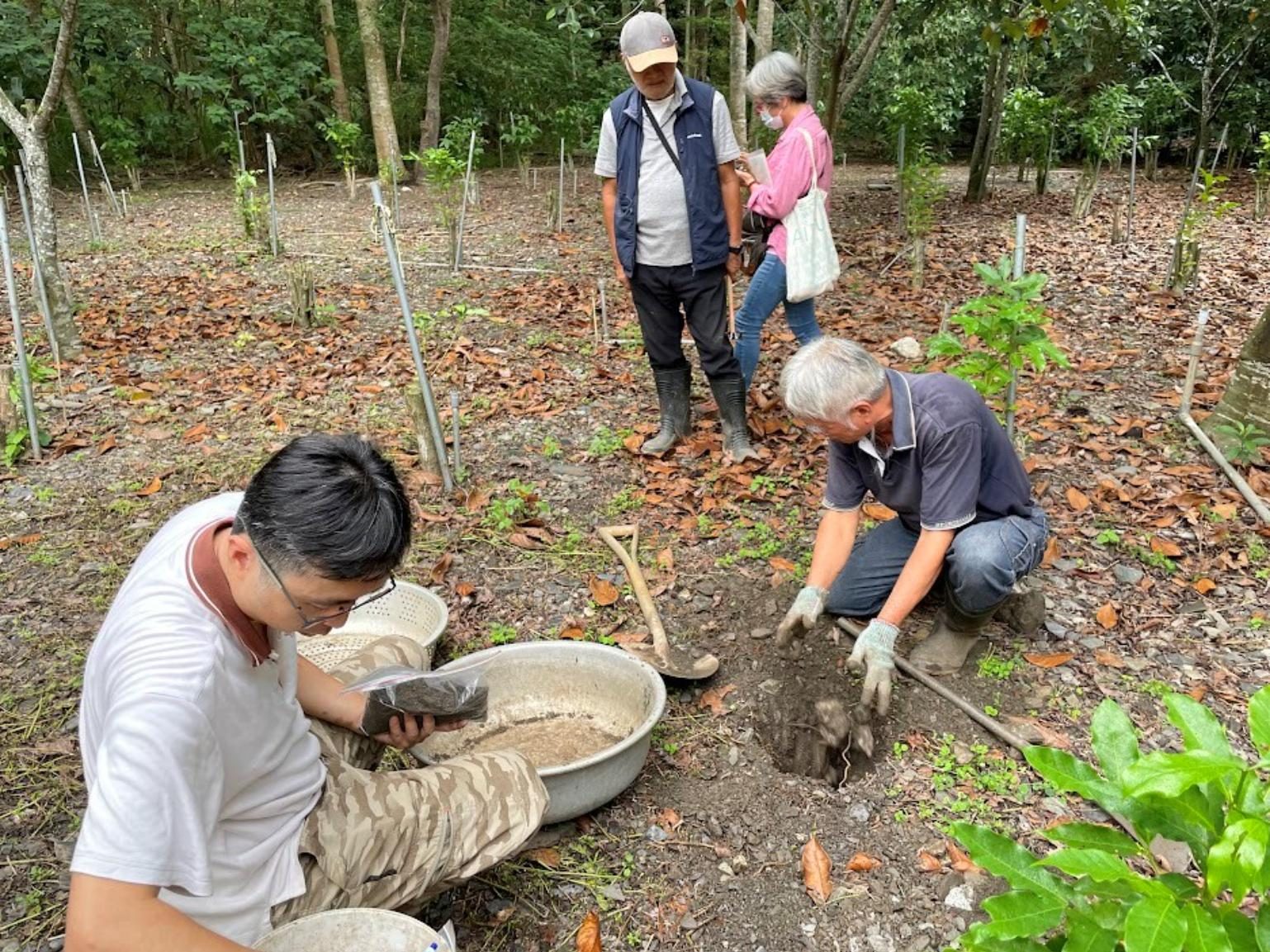
Smallholders in various places collect soil samples in their fields to establish the baseline before the project begins, as the benchmark for future increases in soil carbon sinks.
The project developer will also work with companies to jointly market internationally certified low-carbon smallholder products. The vast majority of these come from smallholders farming organically, eco-friendly, ecologically or in the spirit of permaculture, with guaranteed safety and quality. Add the boost of soil carbon sinks and the UN Sustainable Development Goals, and they will win even more consumer favour — going a step beyond organic and healthy to actions protecting the Earth's environment and fighting warming, in line with the Sustainable Development Goals.
At present smallholder carbon farming is still a "micro-scale project" under 300 hectares. Under the rules it can keep growing: at 500 hectares it becomes a "small project" (up to 16,000 tonnes of annual reductions), and beyond that a large project, which would take at least ten thousand hectares of smallholders. We look forward to it.
Source: CM Media ( https://www.cmmedia.com.tw/home/articles/38554 )


