 努力小農

本文尚無譯文。
The beauty and sorrow of ChatGPT: AI cannot replace human thinking, ideas and creativity
OpenAI's ChatGPT swept public discussion in early 2023. We hope artificial intelligence (AI) can also become Agricultural Intelligence. (Photo: Flickr @ Trong Khiem Nguyen)
Over the past month or so, OpenAI's ChatGPT (Chat Generative Pre-training Transformer) has taken up huge amounts of media space and internet traffic. It is the fastest application in the history of computing and the internet to pass 100 million users. You just type text, and "it" automatically generates a text answer. Besides this text-chat AI (Artificial Intelligence) robot, OpenAI's products also include AI that makes drawings, photos and videos, or composes music.
AI = Agricultural Intelligence
The enthusiastic nuclear engineer Dr Ho Li-wei is also passionate about AI applications and how AI can lend smallholders a hand. In the MiHuMiSang group he often posts about using AI to identify pests and diseases, and about providing farming knowledge to help smallholders produce better produce. This is also an essential tool for MiHuMiSang as it welcomes the great new era of AI, and AI will become the basis of Agricultural Intelligence.
Many people think this is an overnight change, something miraculous that leaves them in awe. So I logged into ChatGPT with my Google account and asked about an issue the world has been watching recently: the Japanese government's plan to approve discharging radioactive wastewater from the Fukushima nuclear plant. Because "it" only includes world information up to about September 2021, if you asked it whether Taiwan is short of eggs or why it is short of electricity, it would probably struggle to answer. So I picked this ongoing topic to test what ChatGPT can do.
Would you believe this is a chat conversation generated by ChatGPT?
The following video was made entirely from ChatGPT's answers. You can try it too and see what differs. I tested the exact same question several times; the wording of the answers varied somewhat, but the content was fairly consistent.
Asked ChatGPT: What are the effects of discharging Fukushima nuclear wastewater on humans and the environment?
ChatGPT answered:
On 13 April 2021, the Japanese government announced a controversial decision to discharge into the Pacific the contaminated water collected from the Fukushima Daiichi nuclear plant accident. The Fukushima accident occurred in 2011, when an earthquake and tsunami caused severe damage to the plant, releasing large amounts of radioactive material. Since then, the Japanese government has been treating the contaminated water and looking for the best disposal method.
However, the Fukushima accident has had long-term effects on humans and the environment. Here are some possible effects:
1. Human health risks: discharging nuclear wastewater may pose risks to human health. Nuclear contamination can damage cells and tissues inside the body and may cause radiation sickness of varying degrees. In addition, if the water contains large amounts of radioactive material, people may be exposed through drinking water or eating contaminated food.
2. Ecosystem risks: discharging nuclear wastewater may have long-term effects on marine ecosystems. Radioactive material may accumulate in the water, affecting the growth and reproduction of marine life and possibly even causing death. Other pollutants may also enter the ocean with the discharge and affect marine ecosystems.
3. Economic impact: the Fukushima accident severely affected the local economy, and discharging the wastewater may further affect industries such as local fisheries and tourism. Many countries and regions may also stop importing food and seafood from Japan as a result.
Overall, the Fukushima accident has had serious effects on humans and the environment, and discharging the wastewater may further aggravate them. Countermeasures are therefore needed, including monitoring and controlling nuclear contamination, protecting the health of people and ecosystems, and supporting the local economy.
Effects on humans:
Food safety: radionuclides may enter food through the marine food chain and may affect human health.
Health: the effects of radionuclides on the body vary with individual constitution, age and length of exposure, but long-term exposure may increase the risk of certain diseases.
Psychological effects: the trauma caused by the Fukushima disaster still affects local residents and workers. The decision to discharge contaminated water may further affect the mental health of local residents and workers.
Effects on the environment:
Marine ecosystems: discharging contaminated water may affect local marine ecosystems, including fish and other marine life, and in turn the whole food chain.
Water pollution: discharging contaminated water may pollute local water bodies, affecting local water quality and the survival of aquatic life.
Land pollution: radioactive contamination from the Fukushima disaster has already affected local soil and farmland. Discharging contaminated water may further aggravate soil contamination, affecting local agriculture and ecosystems.
Overall, the decision to discharge Fukushima's contaminated water may have long-term local and global effects and needs close attention and monitoring.
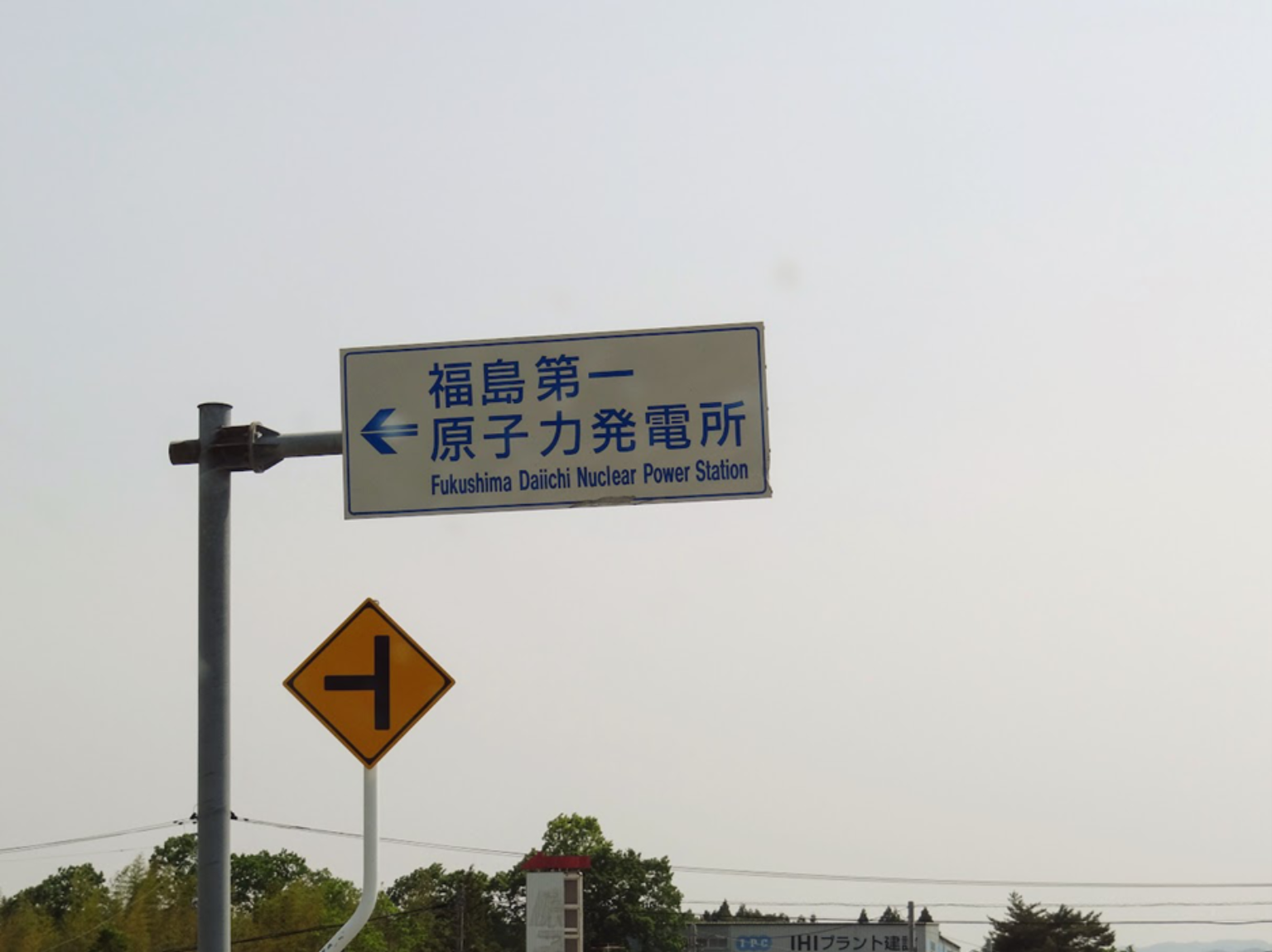
The Fukushima nuclear plant will discharge radioactively contaminated wastewater this spring or summer. What will the impact be? Let's see what ChatGPT says.
In case ChatGPT showed a "framing effect" (the possible leading influence of the question itself), I also asked a question leaning more towards discharging the Fukushima wastewater.
Asked ChatGPT: What are the benefits of discharging Fukushima nuclear wastewater?
ChatGPT answered:
The Fukushima nuclear accident produced large amounts of radioactive wastewater, and the Japanese government is now considering discharging it into the Pacific. Although the decision has caused widespread controversy and criticism, some people believe it may have the following benefits:
Saving storage space: if the water is discharged, there is no need to build more storage facilities on land. This would reduce demand for limited land and might save public spending.
Safe handling of wastewater: treating and storing radioactive wastewater is a very costly and complex process; if it is not properly handled, it could pose a greater threat to the environment and public health. Discharge may be one of the methods the Japanese government currently considers safest.
Easing the economic impact of reactor shutdowns: since the Fukushima accident, many nuclear plants have been forced to shut down, affecting Japan's energy supply and economy. Some believe discharging the wastewater could lower operational requirements on nuclear plants and ease the economic impact.
Note that these benefits represent only some people's views, and not everyone agrees with them. In addition, discharging wastewater may pose certain risks and negative impacts on the environment and public health, so governments and professional bodies need to fully assess and monitor such decisions.
ChatGPT can also help turn text into images or video
ChatGPT is not a god that appeared out of nowhere overnight. It uses web search engines to collect enormous amounts of data online to form a database, then uses language programs to deconstruct and reconstruct human language into algorithms, retrieving past information from the internet and rebuilding it as articles in plain, easy-to-understand human language. Because it is very fast and the content is accessible and seems reasonable, it is more than enough for the general public.
The text above can also be fed into ChatGPT and CapCut (a video editing app), and within a few minutes this video was produced, automatically matched with footage, photos, voice-over, subtitles and music fitting the text, forming a smooth, complete video.
On this point I concede defeat, because finding footage, editing, voice-over, music and subtitles would take me several hours to a day to make this short clip.
But in my view, "it" is still a commercial tool. Besides charging for use, it will become a breeding ground for advertising: as long as enough money is paid, certain views can be planted in its answers, so that people believe them without doubt and take them as true. It could even serve conglomerates and governments, giving only answers that fit the "main melody" and are "politically correct".
Just like the "Three Laws of Robotics" in science fiction — robots must not harm humans — will the AI that becomes widespread in future also have a control mechanism? Big Brother will certainly reach his eyes, ears and hands into AI applications too.
It's like Google and other search engines: if you search for a product, the first results you see are certainly links to products from the e-commerce sellers who paid the most. If you want reviews of the same or similar products, with "free" web search you have to go through several pages to find relatively objective, fair reviews.
Personally, I think AI cannot replace my work in thinking, ideas and creativity; it is an auxiliary tool, or a low-cost, high-efficiency assistant. But people whose work is merely repetitive, needs no creativity and only requires following orders should probably be careful.
For example, a reporter who only sends out press releases has no reason to exist. But AI cannot replace an investigative reporter, because current computers cannot go to the scene or read people's expressions. AI can, however, help investigative reporters gather information, save them the trouble of typing, and turn text into images and video.
In agriculture, however intelligent you are, you still have to do it yourself. Machines can replace a great deal of labour, but machines probably can't eat for people — you still have to eat your own meals, and you still have to do things well yourself. With AI's help, agricultural knowledge management can be done well, but it still needs a continuous, uninterrupted input of real, traceable information and data from the fields to accumulate experience and turn it into knowledge, ensuring the safety of the environment, agriculture and food.
Source: CM Media ( https://www.cmmedia.com.tw/home/articles/38811 )


