 努力小農
本文尚無譯文。
Lessons from Typhoon Morakot and Japan's 3/11 earthquake: finding smallholders who protect the environment
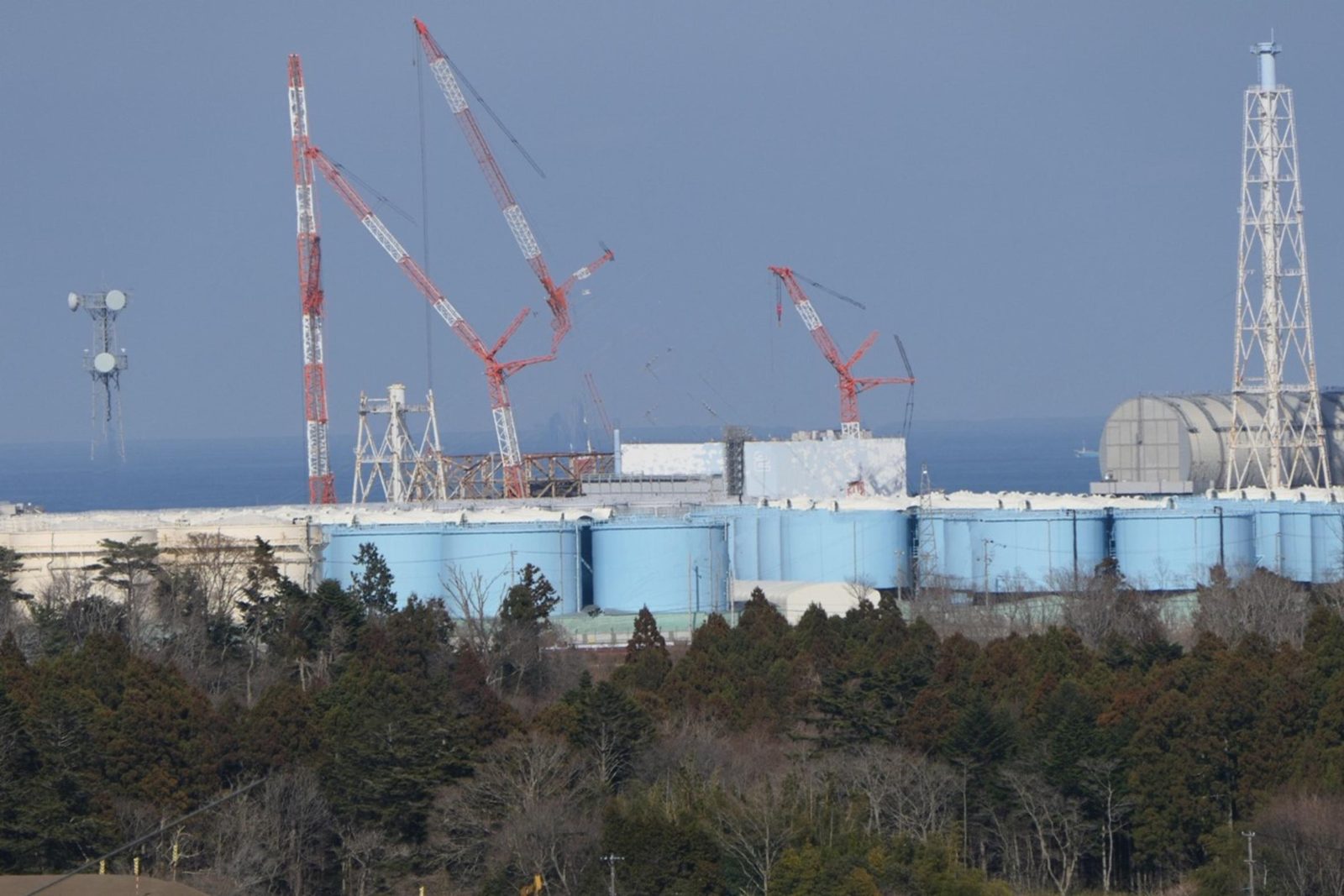
Contaminated water from Japan's Fukushima Daiichi nuclear plant already fills more than 1,000 storage tanks. The decision to discharge it into the sea this spring or summer has caused alarm and protests in neighbouring countries.
My first experience of smallholders came from Xiaolin Village after Typhoon Morakot in 2009 (the "88 Flood"). As a "trainee disaster victim", I stayed with survivors in the village's temporary prefab housing for about half a year. Most of the survivors I came to know were smallholders. The typhoon showed me that "heaven and earth are indifferent": before the power of nature, people are like ants. Besides grieving for their relatives, survivors also had to find a way to feed themselves and survive.
Lessons on smallholders from Xiaolin Village
I mostly stayed in the home of Xiaolin villager Huang Chin-pao. He worked from sunrise and rested at sunset, and often took out his Plant Protection Manual to decide which chemicals to use and how long the withdrawal period should be. "We eat what we grow too, so I'm especially careful with chemicals. Most approved chemicals today aren't very toxic, so many people use more. I wait a while, and if the insects still eat it, there's nothing to be done."
Huang Chin-pao has long since moved back to Wulipu near Xiaolin Village, but the farmland he had leased and developed from the National Property Administration was washed away. After the disaster he could only borrow and rent land here and there to farm, and sometimes takes odd jobs. He still drives to Jiasian market to sell his produce, living a simple life. After the disaster he sold some produce through the Green Together radio network. In production and marketing, smallholders like Huang Chin-pao have always been a disadvantaged group with no voice, whether in government administration or in the market.
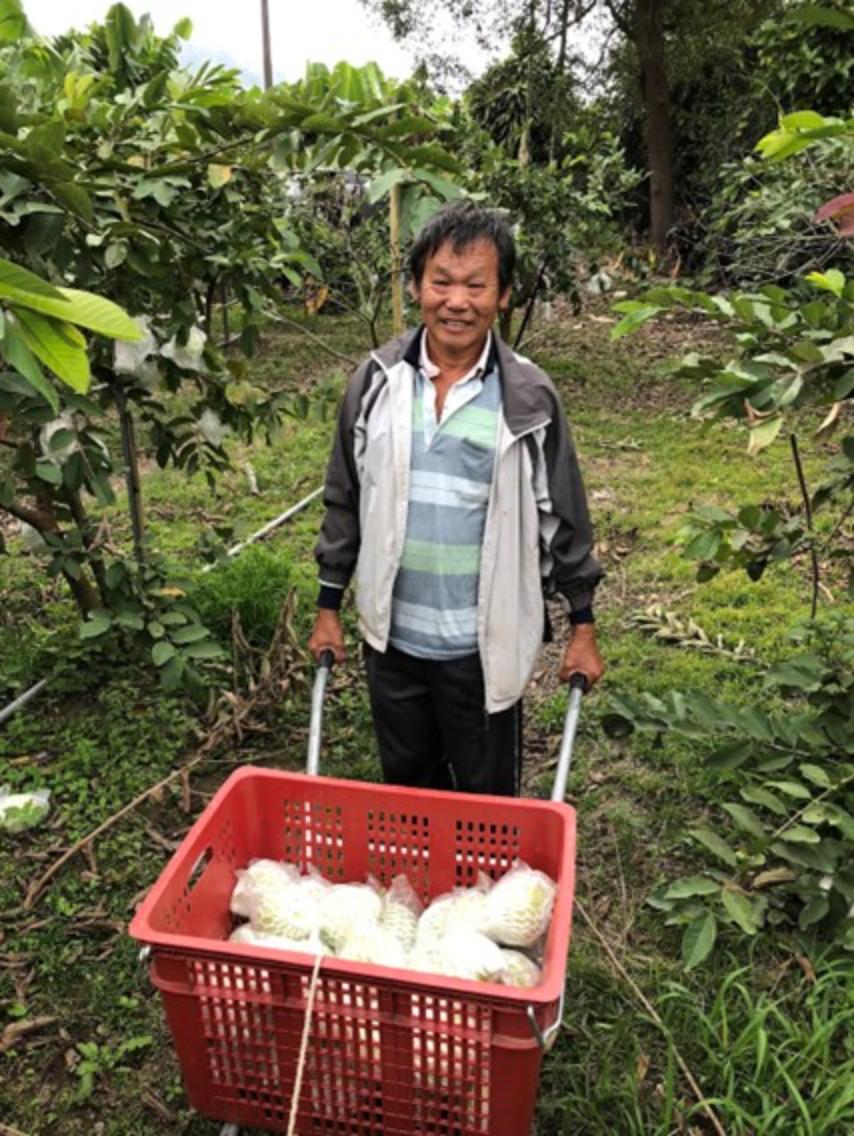
Huang Chin-pao of Xiaolin Village survived the destruction of his whole village. A smallholder's lifetime of farming work was wiped out overnight. After the disaster they could only rebuild their fields themselves, farming on rented land, but they cannot be "seen" by consumers.
In 2011 Japan suffered the 3/11 earthquake and the Fukushima nuclear disaster. In May 2013, when the radiation risk was somewhat lower and Japan had opened more of the radiation zone, I arranged to meet Kingus, a Japanese friend from Facebook, and entered the Fukushima disaster area. After three days of wandering I understood the horror of natural and man-made disaster: all the farmland there lay abandoned.
No amount of money can revitalise farming on contaminated land
Afterwards the Japanese government spent huge sums on decontamination, investing trillions of yen to "revitalise Fukushima", hoping residents would return home and resume production, and that its farm and fish products could be exported. At the same time it had to deal with the radioactive material continually released while cleaning up the plant — yet this has been futile. More than a thousand giant storage tanks have been filled with over a million tonnes of radioactive wastewater from the disaster.
There are also tens of millions of tonnes of radioactive decontamination waste, planned to be moved out of Fukushima by 2045, which has also sparked protests from Japanese residents. Japan's local assembly elections are on 9 April and this is bound to be an issue, but local citizens' groups are not optimistic about the likely outcome.
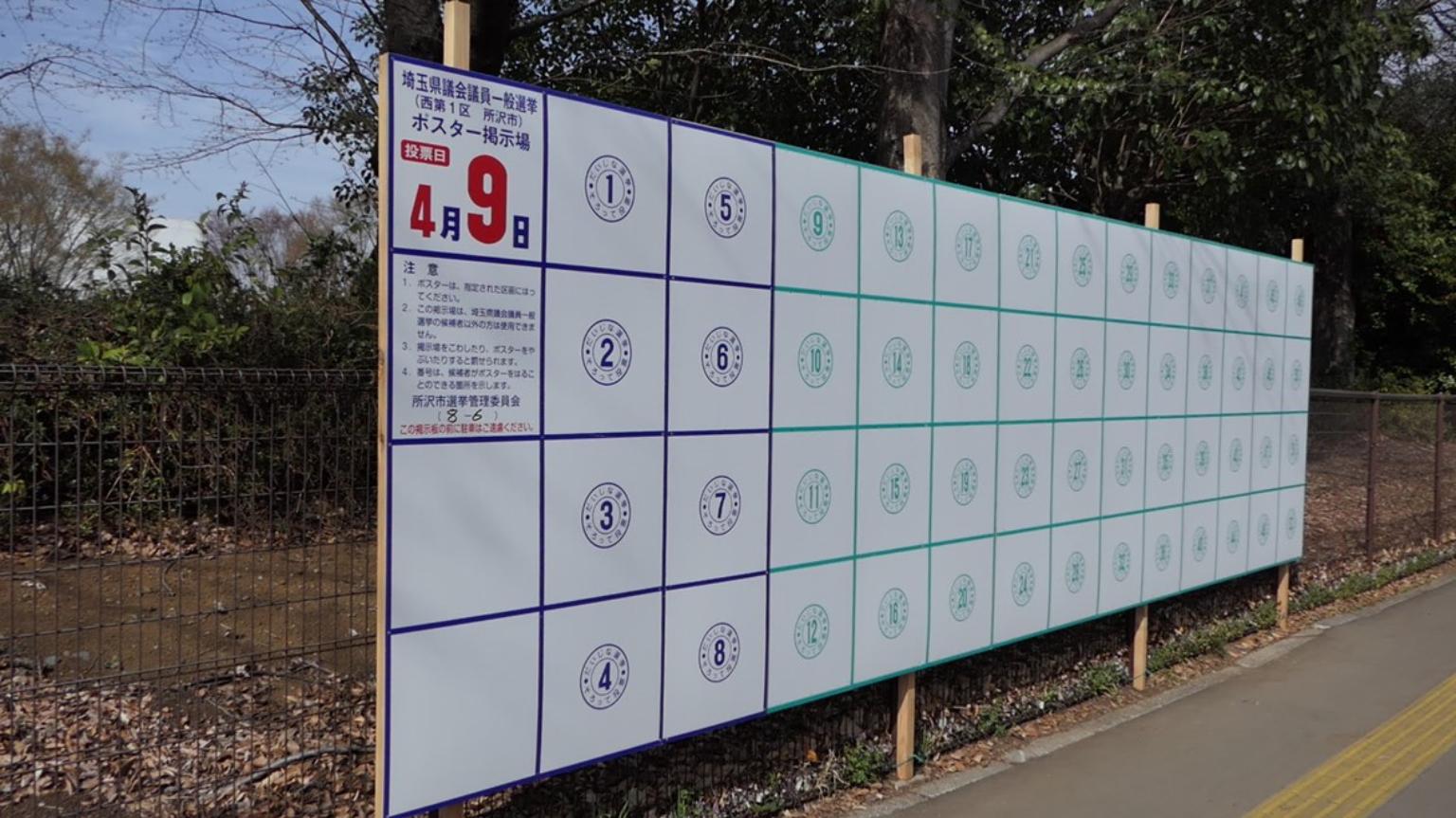
In Japan's 9 April local assembly elections, most of the focus is on revitalising local economies after the pandemic; environmental protection and smallholders' rights struggle to be heard.
This week is my ninth visit to Fukushima. On the surface Fukushima has been "revitalised", but communicating with local farmers and fishers is quite difficult. On the one hand they fear "reputational damage" ruining their livelihoods; on the other they still feel very uneasy about radiation. Eating it themselves is one thing, but selling it — especially on hearing that local products can be bought in Taiwan — makes them visibly uncomfortable: "Why would you in Taiwan still buy our products?" Some people in some parts of Japan deliberately buy Fukushima products out of sympathy, to help Fukushima's farmers, but by and large Fukushima's products are hard for the market to accept.
Supporting MiHuMiSang smallholders who protect the environment
Farmers in rural areas have little information and few resources, and are already breathless with work in the fields. How can they attract customers and sell their products at good prices? Today, when industry and commerce are more powerful than agriculture, smallholders in both Taiwan and Japan are mostly at others' mercy.
On the production side, farm machinery and agricultural inputs are also largely controlled by industry and commerce. Farmers can only spend more money buying new machinery and inputs, and the profit from selling their produce is eaten up.
Smallholders are also victims of industrial hazardous waste. Unscrupulous officials and businesses collude to pass off incinerator and steel-industry ash and slag as organic inputs, which become even more poisonous "black-hearted inputs". And some smallholders who had rented land to run organic farms for years have been evicted because landowners couldn't resist the big profits of "growing electricity on farmland" (solar farms).
Now, with the "international certification of smallholder carbon farming", simple, authentic production and sales records not only help sell products but also enable certification. Carbon farming methods are a work of subtraction: cutting unnecessary ploughing, pesticides and fertiliser, and restoring the soil. Farmers can recycle their own agricultural waste — including compost and biochar — as carbon farming inputs. It's a bit more trouble, but it saves money and avoids buying black-hearted inputs.
However hard smallholders work, it's only possible with consumers' recognition and support. Our "Smallholder Carbon Farming Project" tries to use carbon-reduction and SDG certification to help smallholders create their brands and raise visibility, so consumers can buy with confidence; and because products are traceable, quality can be guaranteed.
Since the news of the international emission-reduction design certification came out, more smallholders have asked to join "smallholder carbon farming". We hope this is a turning point: through international certification, smallholders can finally have their day.
Consumers should also support smallholders who are kind to the land and protect the environment, because they are on the front line of environmental disasters (including global climate change) and are guardians of the environment and ecology. If smallholders can't survive, consumers will suffer too — when the lips are gone, the teeth feel the cold.
Source: CM Media ( https://www.cmmedia.com.tw/home/articles/39126 )


