 努力小農
本文尚無譯文。
Wasting food invites heaven's punishment — better to turn it into carbon credits
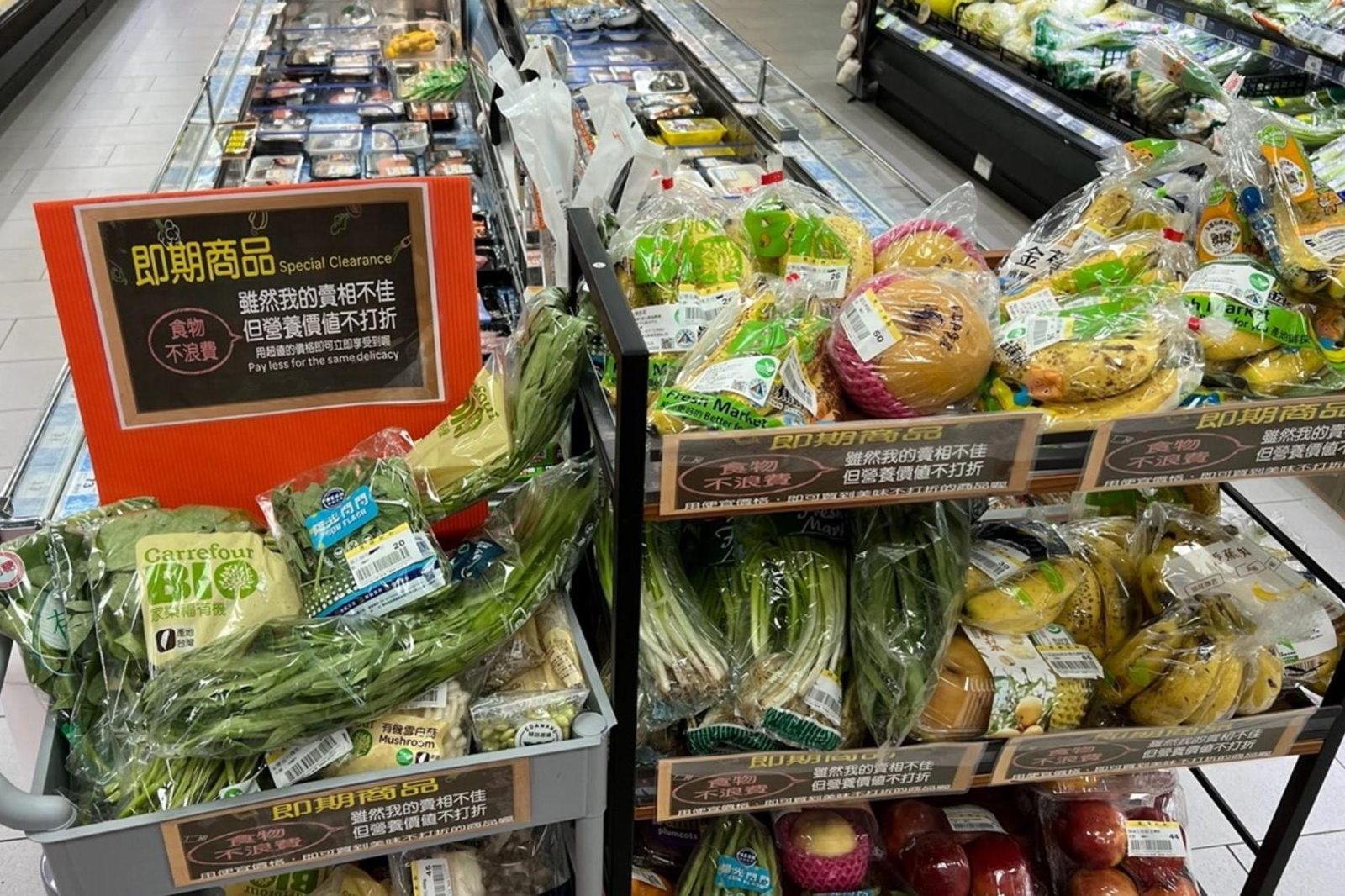
Mass production + mass consumption = mass waste. In a few hours these "near-expiry goods" will be in the landfill or the incinerator.
Food that people waste instead of eating produces 6% of greenhouse gases — an amount huge enough to destroy humanity. To tackle global climate change, start from the farm, the market and the landfill.
Over the past two years "egg shortages" have appeared around the world: from New Zealand in the southern hemisphere banning caged hens, to Japanese restaurants in Tokyo suspending chawanmushi, to Taiwan's scramble for eggs, with pork prices also stirring. From the perspective of biodiversity and ecological balance, humanity's "cheap food carnival" since the mid-20th century is nearing its end.
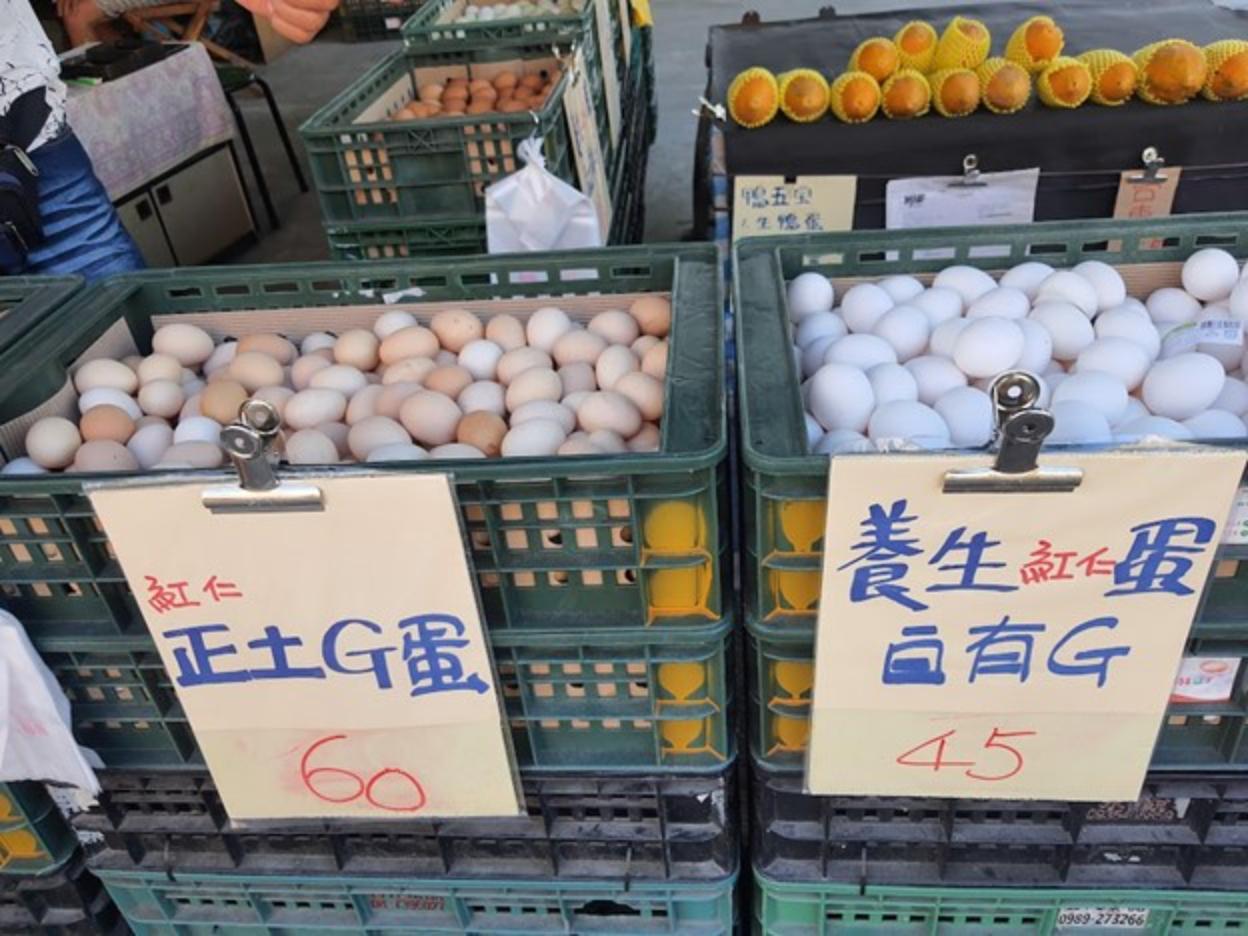
The carnival of food waste will eventually end and become only a memory; cheap, good eggs are gone.
After more than 70 years of exhaustive agricultural industrialisation and commodification of food, consumers seem to buy cheap food, but in fact farmers, livestock, land and natural resources are exploited layer upon layer. The result has been epidemics and wars, and everything from basic grain and feed production to poultry and livestock farming faces a "perfect storm" of natural and man-made disasters. Rest assured: in future, food prices will keep rising year after year, month after month, and as merchants seek profit, food quality and safety will keep falling.
Facing these problems, we should start with the easiest: reducing waste. We should calculate the true value and price of food from the costs to the environment, the land and farmers, rather than prices with values distorted by commercial games.
Food waste accounts for 6% of global greenhouse gas emissions
Food production accounts for about a quarter (26%) of global greenhouse gas emissions. Food loss and waste in supply chains and by consumers account for about a quarter of food's greenhouse gas emissions, or 6% of global emissions. That is a lot, but when we remind ourselves that food is a basic human need, it is a little easier to forgive.
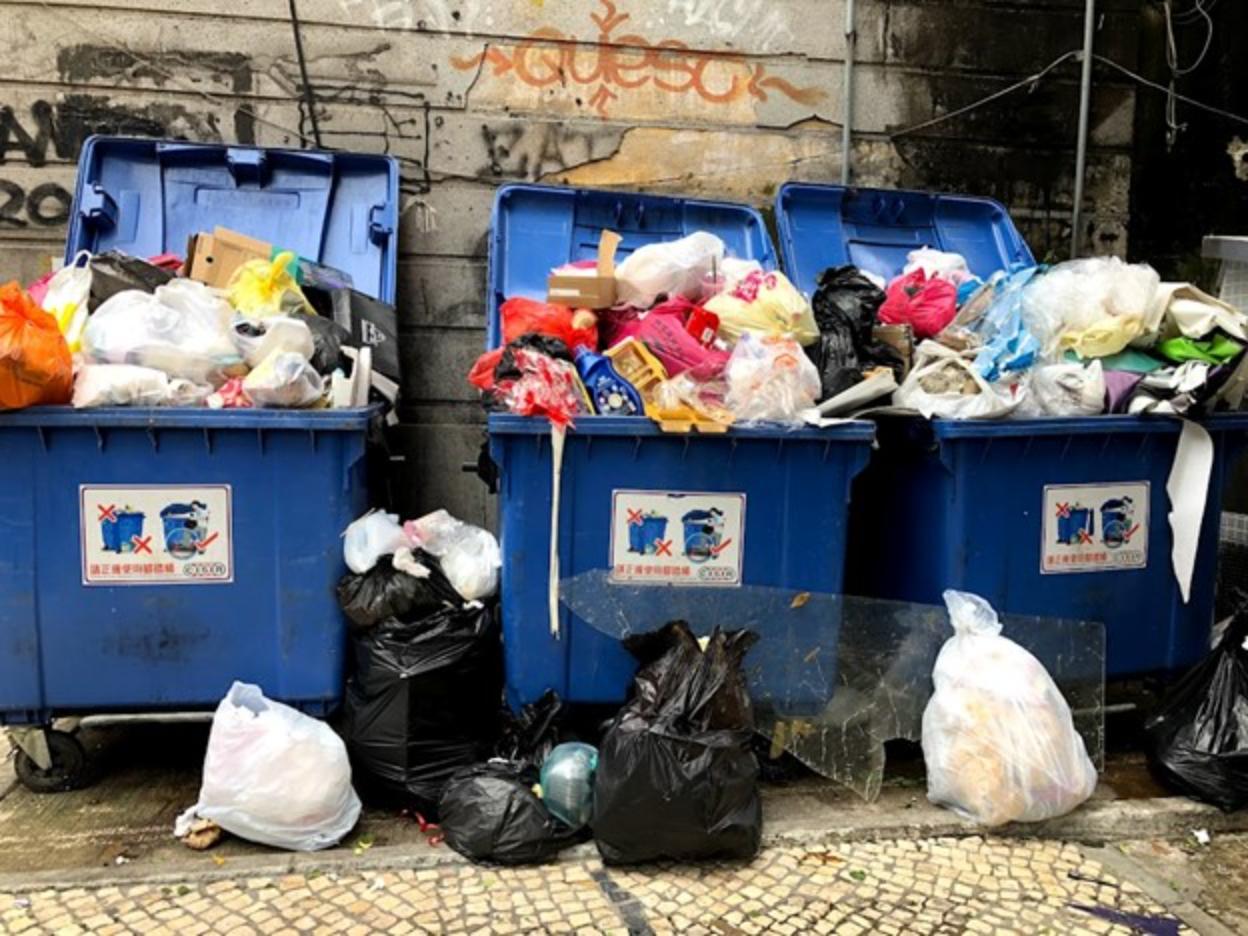
Food in the world's rubbish accounts for 6% of humanity's carbon emissions! Ranked as a country, it would be third in the world, behind only China and the United States.
What cannot be forgiven are the greenhouse gas emissions from producing food that is never eaten.
About a quarter of the world's calories (the energy food provides) are thrown away: they spoil or are discarded in the supply chain, or are wasted by retailers, restaurants and consumers. To produce this food we need land, water, energy and fertiliser. All of it comes at the expense of the environment.
Joseph Poore and Thomas Nemecek (2018), in "Reducing food's environmental impacts through producers and consumers" published in Science, estimated how much of our greenhouse gas emissions comes from wasted food.
The chart here shows emissions from wasted food in the context of global greenhouse gas emissions.
Poore and Nemecek'sstudyfound that nearly a quarter (24%) of food emissions come from food lost in supply chains or wasted by consumers. Nearly two-thirds of that (15% of food emissions) comes from losses in the supply chain, due to poor storage and handling techniques, lack of refrigeration, and spoilage during transport and processing. The other 9% comes from food thrown away by retailers and consumers.
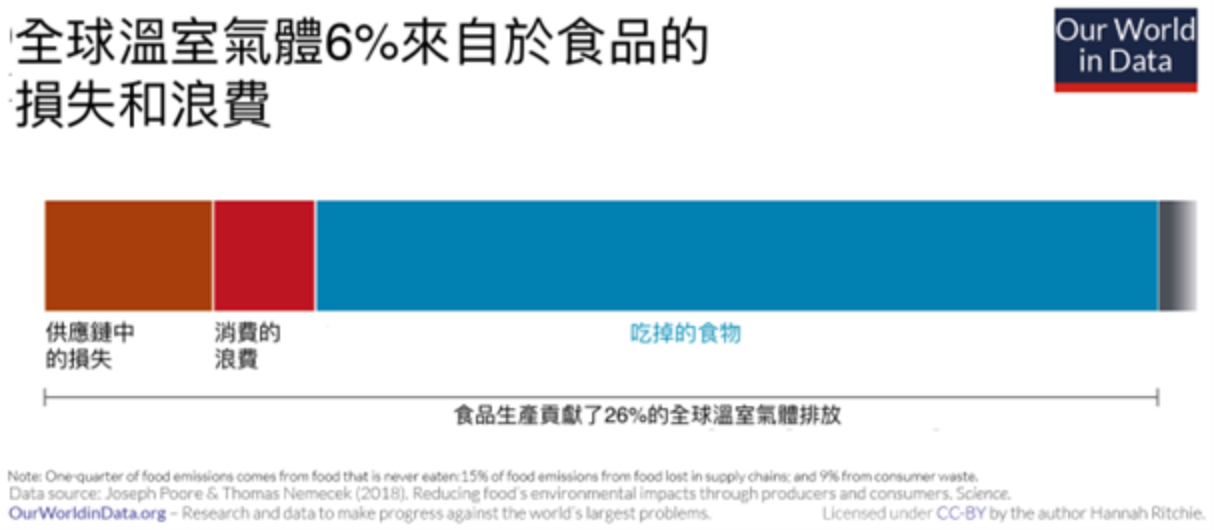
(Image: screenshot from OurWorldinData.org)
This means food waste accounts for about 6% of total global greenhouse gas emissions. In fact it may be slightly higher, because Poore and Nemecek's (2018) analysis does not include food lost on farms during production and harvest.
To put it concretely: it is about three times global aviation emissions. Compared with national emissions, it would be the world's third-largest emitter, behind only China (21%) and the United States (13%).
Here is a case from elsewhere that we can learn from.
Turning 1.3 billion tonnes of food waste into carbon credits
Miami-based climate-tech company CoreZero has worked with Mexico's food bank network to develop a method of creating carbon credits for reducing carbon dioxide and methane emissions from food waste through the voluntary carbon market.
CoreZero turned 221,800 tonnes of avoided carbon emissions into carbon credits.
The 221,800 carbon credits are the world's first carbon credits from food rescue. They mark the beginning of offset options that turn waste into value.
Nicolás Dobler, CoreZero's sustainability director, said in essence that the company is glad to help add value to waste and turn effort into money to expand social and environmental impact — saving more products and narrowing the food gap for people in need while contributing to climate mitigation — and that its model can be replicated to scale zero-waste projects worldwide, opening a new, disruptive vertical of offsetting with social, economic and environmental benefits.
Producing, transporting and handling food generates large carbon emissions. The global food system emits about a third of total annual greenhouse gas emissions. Food waste accounts for about half of this footprint, and when food ends up in landfill it releases methane.
The world's first carbon credits from food waste
In the United States alone, carbon emissions from food waste equal those of 42 coal-fired power plants.
The US Environmental Protection Agency (EPA) estimates that food loss and waste in the US each year release 170 million tonnes of CO2-equivalent (MtCO2e) greenhouse gas emissions — not even including landfill emissions.
The global waste sector accounts for about 20% of human-caused methane emissions. This greenhouse gas is more potent, with a warming potential 80 times that of CO2 over 20 years. And that doesn't count the CO2 from transporting waste.
So if we don't take urgent action, global waste will increase 70% from current levels by 2050.
When food is wasted, all the inputs used to produce, process, transport, prepare and store it are wasted too. Food loss and waste also worsen the climate crisis because of their huge carbon footprint.
CoreZero seeks to help strengthen initiatives that make a real impact in reducing food waste. The company's CEO and founder, Jean Pierre Azañedo, knows that responsible waste disposal can address both the hunger crisis and climate change. Azañedo has more than ten years of experience in waste management.
Through its quantification and monetisation approach, both non-profits and businesses can monetise their positive actions through carbon credits. Companies can obtain these credits and use them to offset their own carbon emissions.
From waste to carbon credits: a three-step approach to climate innovation
Integrate. CoreZero's platform integrates operations to assess a project's potential, determine the methodology and define applicable emission factors.
Quantify. They measure your positive impact and convert it into carbon reduction units, track and report it using blockchain technology, and verify it through an independent third-party process.
Monetise. Carbon reduction units are converted into tradable carbon credits and monetised on the voluntary carbon market (VCM).
Through this approach, CoreZero aims to turn 1.3 billion tonnes of food waste a year into carbon credits. It thus marks a turning point in how NGOs, companies and individuals now think about food waste and offsetting.
Many people think that cutting carbon dramatically requires massive construction. That is completely wrong thinking. To reduce carbon, we must see the "reduction" — cut out the carbon-emitting behaviour, rather than covering it up with even bigger emissions. Taiwan has long only known "engineering by addition"; now it must learn "engineering by subtraction" and make money by reducing.
[MiHuMiSang] Wasting food invites heaven's punishment — better to turn it into carbon credits
Source: CM Media ( https://www.cmmedia.com.tw/home/articles/39256 )


