 努力小農
本文尚無譯文。
Let's plant trees together: building a world asset network of trees and me
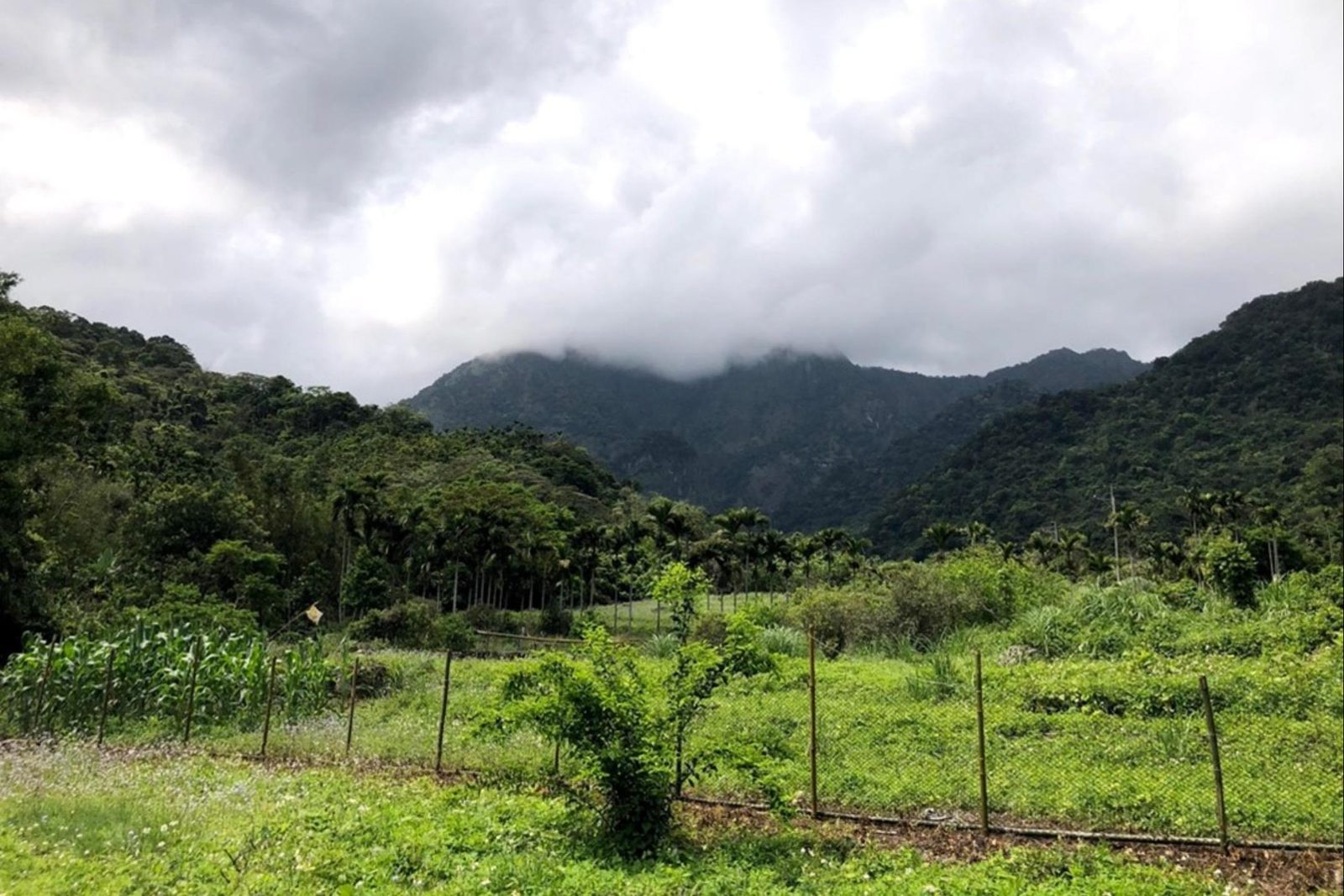
At the edges of fields, suitable spots can be planted with trees as green belts, which also help protect the soil against drought and flooding.
If you have land suitable for trees and want to plant trees to cut carbon, you can now join the "Smallholder Tree Planting" programme and plant good trees — the right trees — together with like-minded people.
Let's plant trees together, to leave land our descendants can share in future
Since "smallholder carbon farming" passed the project design review of the international voluntary emission-reduction Gold Standard (Gold Standard for Global Goals) in February this year, we have had many enquiries from friends who care about the environment and about carbon reduction and net zero. Most are very interested in "planting trees to cut carbon".
Agricultural carbon reduction is a relatively new issue. Internationally it only became clearly established after the Paris Agreement (UNFCCC Paris Agreement) was signed at the 21st Conference of the Parties to the UN Framework Convention on Climate Change at the end of 2015, because agriculture accounts for more than 24% of global emissions from human activity.
Yet when ordinary people think of carbon-reducing actions everyone can take, their first instinct is "plant trees", a "good deed" long rooted in people's hearts — as the saying goes, "it takes ten years to grow a tree and a hundred to raise a person", a way to accumulate merit. Many organisations have long promoted tree planting, with both praise and criticism. The biggest criticism is lack of planning: cutting trees first and then planting, or planting the wrong species, causing even bigger environmental or humanitarian disasters.
Internationally there have also been "greenwashing" scandals from forestry carbon reduction. In CM Media's "Greenwashing harms the fight against global warming", I described the regrettable false "climate fraud" in REDD+ (Reducing Emissions from Deforestation and Forest Degradation in Developing Countries) in recent years.
Recently I've also heard some people say they want to carry out REDD+ tree-planting projects in Taiwan. I must solemnly clarify here that REDD+ cannot be carried out in Taiwan, because it is a forestry programme for developing countries. The map on the REDD+official websiteclearly marks which countries the programme applies to.
We can learn about and try tree planting properly — not for certification or trading profits, but to leave land our descendants can share in future, and also to get close to nature and exercise.
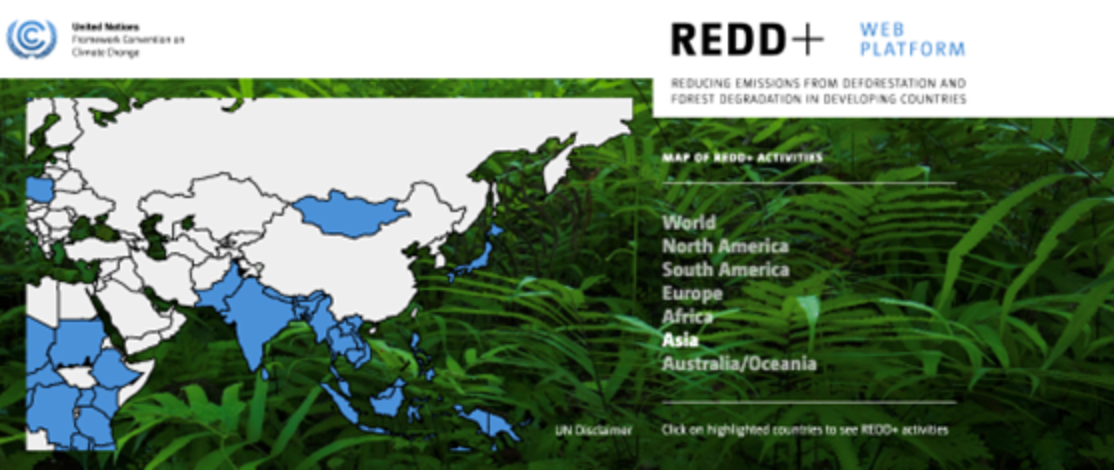
The map on the REDD+ official website marks in blue the areas where projects can be carried out. Taiwan is in the white area, not an area where project activities can be carried out. (Image: screenshot from the REDD+ website)
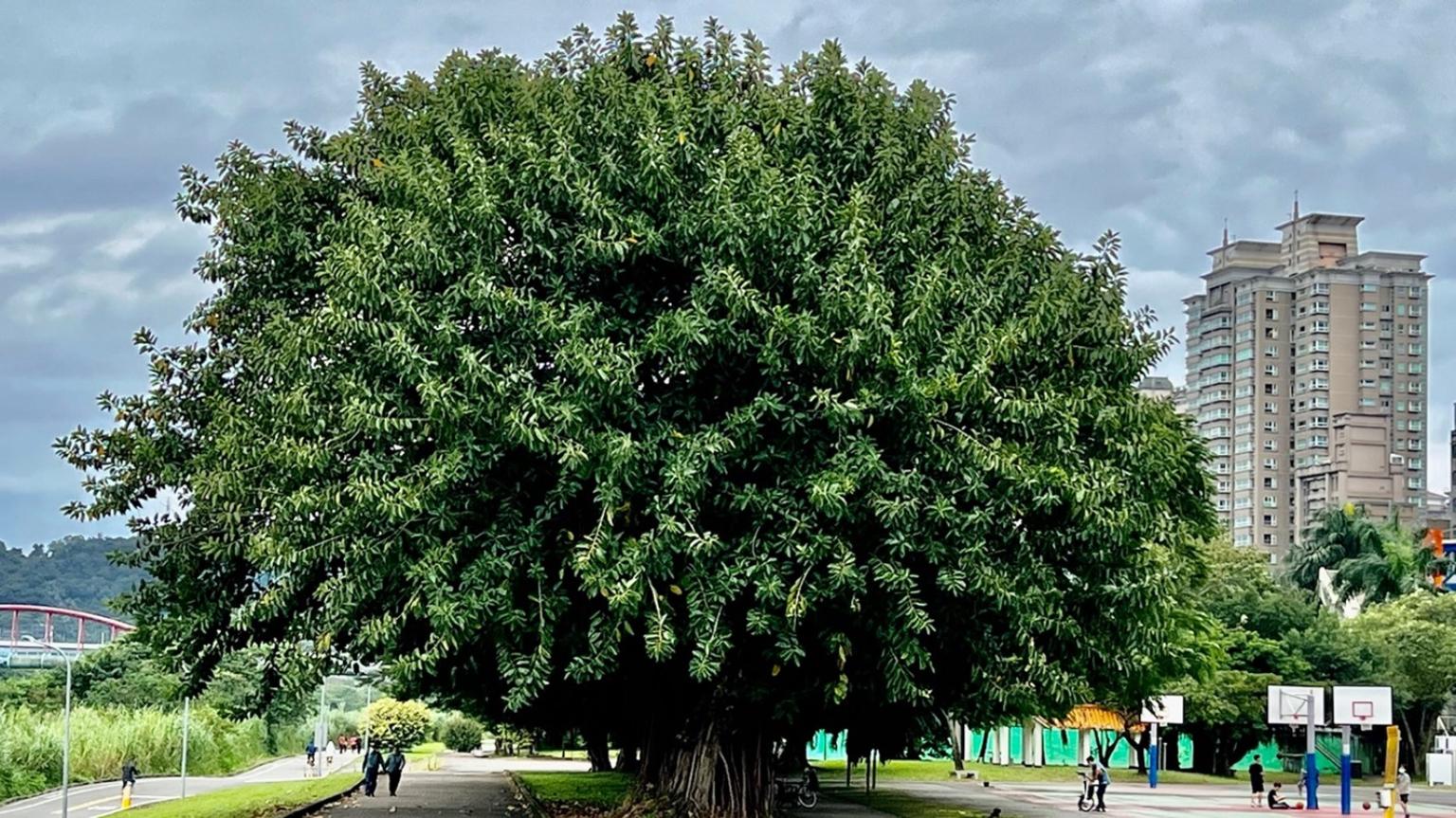
Plant a tree in your community, and future generations can enjoy its shade.
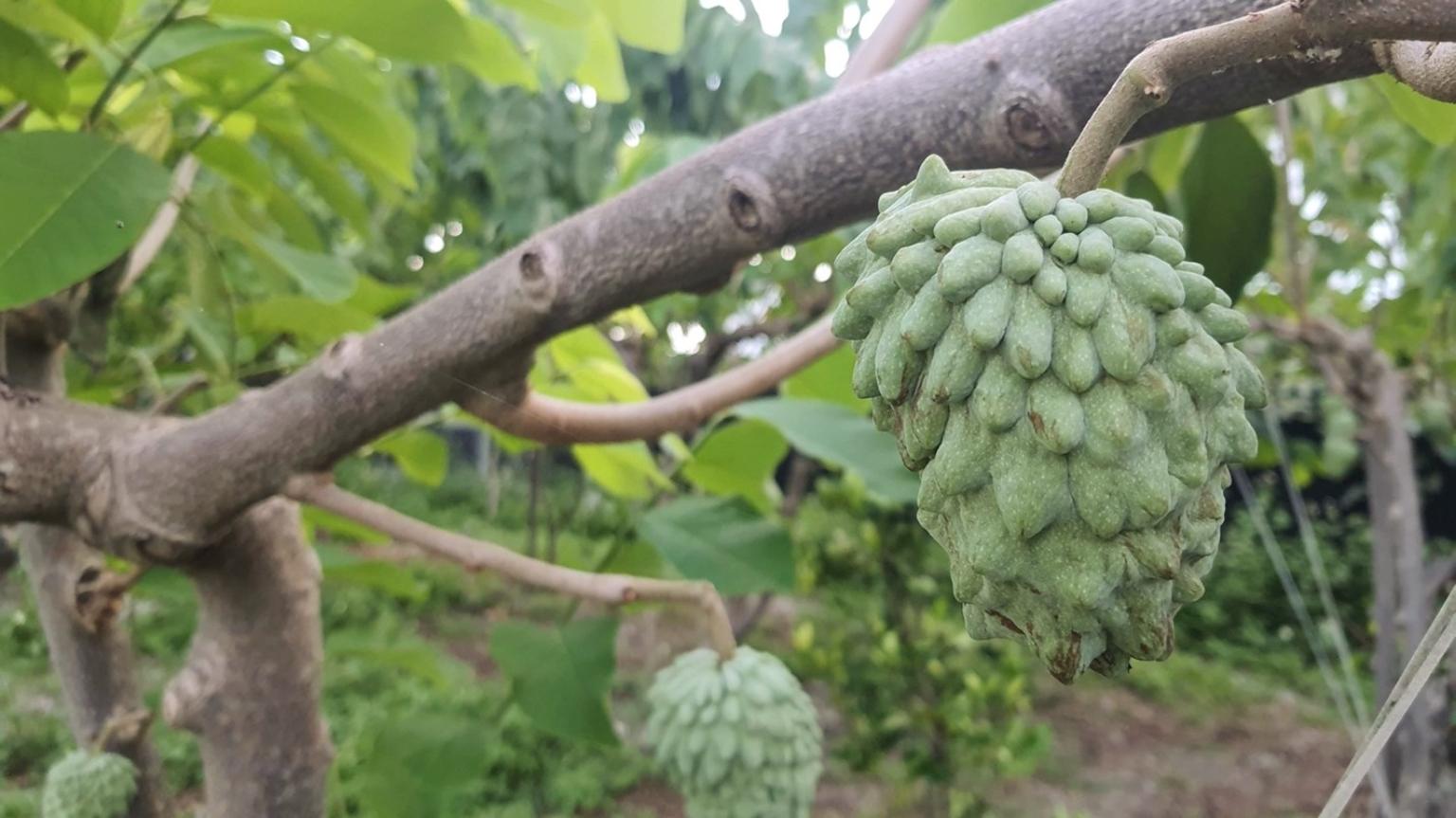
As Taiwan warms, it is gradually shifting from subtropical to tropical, so tropical fruit trees can also be planted.
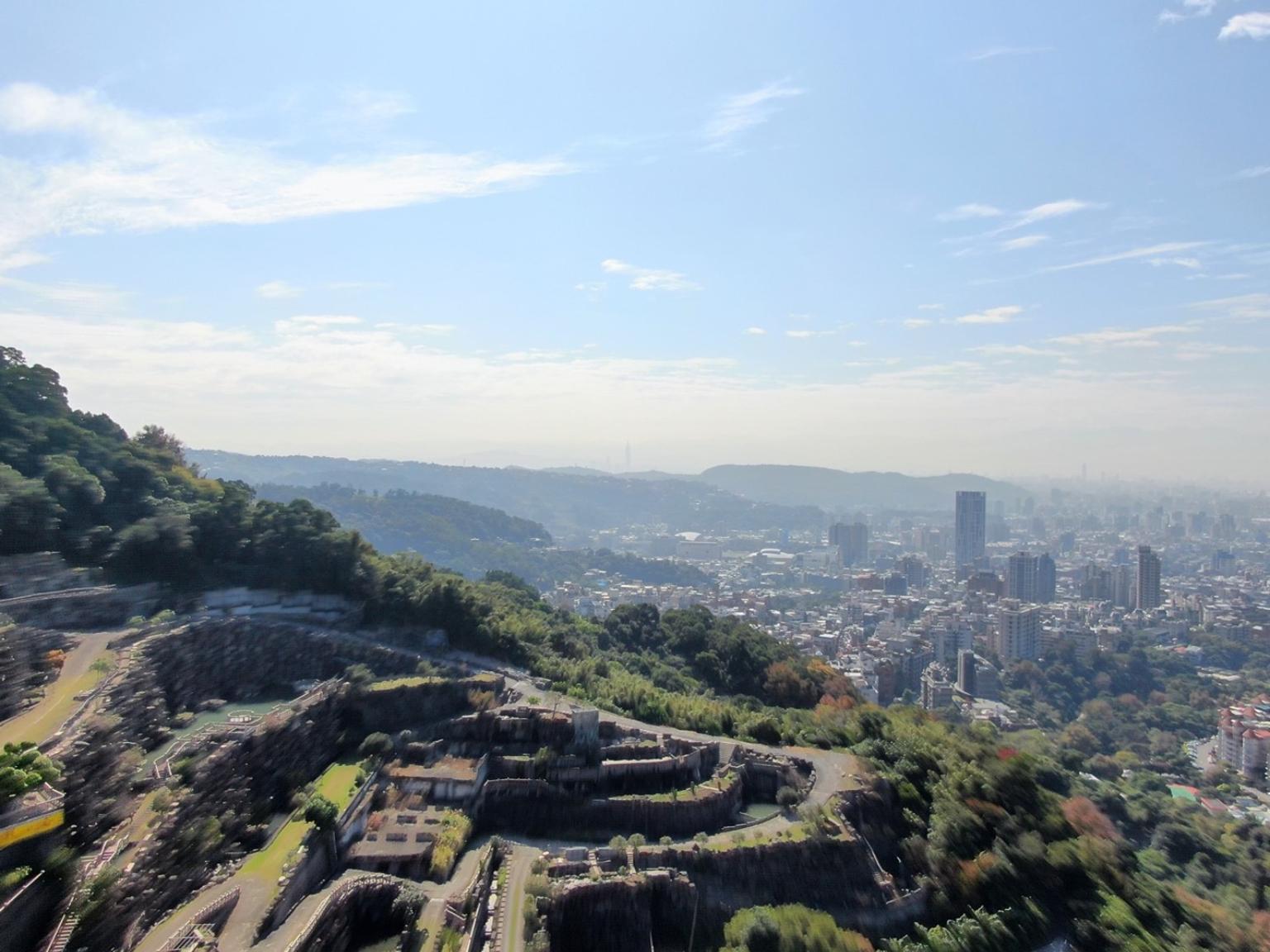
Taiwan has no shortage of improperly developed "wasteland". With a will, you can find places suitable for trees.
After much thought and discussion, to serve more environmentally committed people who want to cut carbon, we will open the MiHuMiSang app as a registration platform for tree planting. Anyone who wants to plant trees can voluntarily register the trees they have already planted, or will plant in future, on the platform — both for self-management and record-keeping, and for public accountability.
We are also carefully assessing whether to launch an international voluntary emission-reduction project for forestry carbon credits in future. That will take at least half a year of field assessment and discussion before we can decide whether it is feasible.
Meanwhile we are launching "Smallholder Tree Planting", a voluntary tree-planting and disclosure campaign that ordinary people can join. If a forestry project in Taiwan proves feasible, suitable parts can then go forward as an international emission-reduction certification project.
Plant a tree in your community, and future generations can enjoy its shade.
Our mission
Our goal is to create a digital real world in which planting the right tree in the right place at the right time is given its value in economic, social and environmental benefits. We are committed to promoting sustainable forest management practices and supporting local communities through our investment. Join our mission to create a more sustainable future for all.
Our mission is to connect investors with sustainable forestry projects around the world, promoting responsible environmental practices and supporting local communities. Through our network, we aim to create a world in which forests play their key role in mitigating climate change and as a vital resource for the planet's biodiversity. Together we can build a more sustainable future and contribute to the future of our planet and humanity.
We will use the MiHuMiSang app as the tool for "Smallholder Tree Planting", making tree planting more fun, more convenient and more transparent. We will keep exploring and developing to ensure our investment strategy stays aligned with changing market needs and provides our investors with the best investment opportunities.
Our plan
This is a voluntary tree-planting campaign in which volunteers can register on the digital platform the trees they have planted in the past two years and will plant in future — a single tree, a row of trees, or a whole grove. This is a long-term asset that can keep absorbing carbon dioxide from the air through photosynthesis, storing excess greenhouse gases in tree trunks, branches, roots and the soil.
Join and register for the "Smallholder Tree Planting" project in just 5 steps:
1. Download, install and log in to the MiHuMiSang app, and register as a member
2. Enter the relevant information through the smallholder interface (for detailed instructions, seeMiHuMiSang app tutorial videos). You must fill in basic information, the site (satellite positioning), add tree species under seedlings/products, and add agricultural inputs (tools, soil improvement, pest and disease control, etc.) and other related information, to complete the preparation for "Smallholder Tree Planting".
3. Tap the "Carbon farming" tab and enter "Smallholder Tree Planting" under Add project to register a "Smallholder Tree Planting" project. Please note
4. In the "Production" interface, tap "+" to add tree-planting work schedules and plan future work (including timing, tasks, agricultural inputs used, etc.).
5. Carry out the tree-planting project according to the schedule at the right time, and simply take photos, check in and upload them in the diary.
In this way our existing smallholders can easily join "Smallholder Tree Planting", planting trees at field edges or other suitable places to green and beautify them as green belts. It can also recruit volunteers to join "Smallholder Tree Planting" voluntarily and launch community tree planting, and anyone with a carbon-reduction project can share their tree-planting experience on the MiHuMiSang consumer interface.
Self-disclosure and certification
We will also mobilise ecology and tree experts around the country, find sources of seedlings and offer tree-planting training courses. On MiHuMiSang you can also share your personal tree-planting experiences and results.
If anyone is willing to find a suitable site and crowdfund tree planting, they are very welcome.
We will raise ESG investment from companies and share it with all registered smallholders, making smallholder tree planting part of corporate ESG asset portfolios and increasing its asset value year by year.
Entering international emission-reduction certification and trading involves many rules and reporting. "Smallholder Tree Planting" is not for certification or trading, but we still follow the international certification model of "smallholder carbon farming": planned, with authentic evidence of planting, traceable records for every tree, using the MiHuMiSang app to regularly photograph, check in and upload records of each tree's life cycle from planting to growth — like an electronic ID card for the tree.
Source: CM Media ( https://www.cmmedia.com.tw/home/articles/40181 )


