 努力小農
本文尚無譯文。
A remote Taiwanese village becomes an international carbon reduction hub: Changliang's smallholder carbon farming takes its first metre
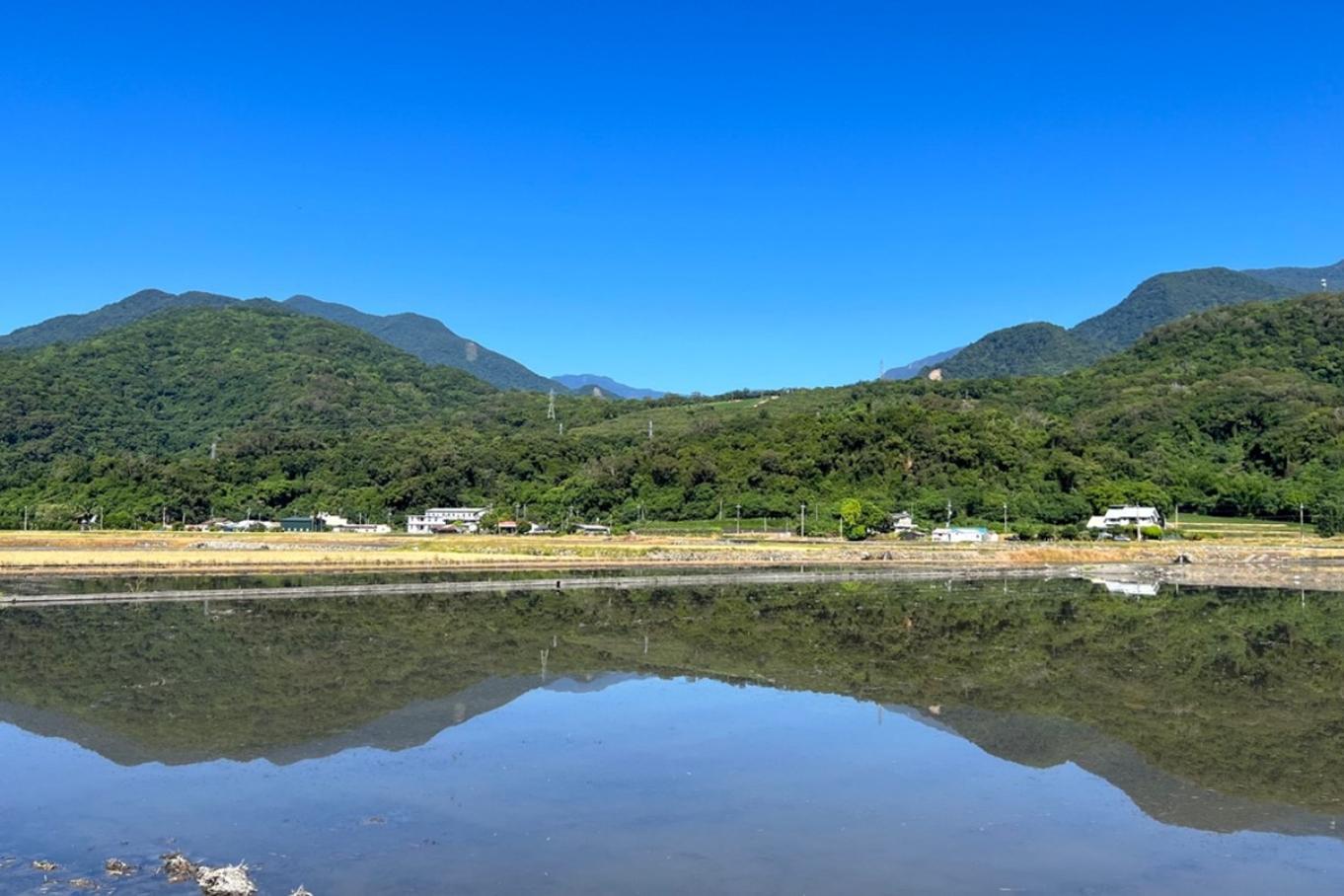
Changliang Village in Yuli Township, Hualien, is a two-hour drive from both Hualien City and Taitung City — truly the remotest of Taiwan's remote areas. It is a hub of the "Taiwan Smallholder Carbon Farming" international emission-reduction project, which plans to produce carbon-reduced, net-zero rice.
This summer in the northern hemisphere is scorching. According to CNNreport, it is the hottest in 100,000 years, and July has already broken the record for the Earth's average temperature three times. Heat doesn't just kill people; the extreme weather it brings causes crop failures everywhere, with major floods, droughts and wildfires taking turns, making the world ever more uneasy.
Open, transparent certification is the cornerstone of real carbon reduction
Governments, civil society and even companies are racking their brains for solutions to save the world. Besides technology, what draws the most attention (and money) are the financial mechanisms for carbon reduction and net zero — from the UN Clean Development Mechanism (CDM) begun in 2006 to the EU Carbon Border Adjustment Mechanism (CBAM) that will formally launch within the next year or two. The money involved runs to trillions, drawing attention from all sides and even turning into an endless stream of fraud and crime.
Only openness and transparency, applying scientific methods and recording real, traceable carbon-reduction processes, can ensure the authenticity and effectiveness of carbon reduction and net zero, solve the climate crisis, and make carbon trading and other financial mechanisms effective. Otherwise they will just become breeding grounds for crime.
Fully open and transparent and encouraging public participation, the "Taiwan Smallholder Carbon Farming Project (Small Farmers' Carbon Farming Project)" is Taiwan's first agricultural emission-reduction project registered with the international emission-reduction standard body Gold Standard (project code GS11818), bringing together more than 300 farmers. The 144 hectares of the No. 2 and No. 3 Quality Rice Production and Marketing Groups in Changliang Village make up Taiwan's first block of paddy fields to join global agricultural carbon credit certification as a whole area. A 20-hectare early demonstration and experiment of carbon-reducing methods will soon begin, introducing biological and organic inputs and displaying them publicly, so that society can see that smallholders too can join international carbon reduction.
Changliang: the first metre of net zero and carbon reduction
On 14 July, demonstration carbon-reducing cultivation was carried out on the 1-hectare field of Changliang village chief Chen Wen-hua. Chen said that for decades Changliang has used conventional farming with chemical fertilisers and pesticides, and the soil's fertility has steadily declined. They can't switch to organic all at once, but by joining "smallholder carbon farming" they can move gradually towards organic. He believes this will raise the quality of Changliang rice, and passing international emission-reduction certification can also boost sales.
At the start of the year Changliang began measuring soil organic carbon for the project baseline. The soil is acidic, and organic matter is only 2%, relatively low. The first rice crop was harvested in July. For the second crop, they are introducing Uni-President Biotech's "Datong Four Seasons" (5-09 poultry and livestock manure compost), adding biochar/plant ash and feather meal suited to rice to raise organic carbon content and practise circular, regenerative agriculture. Long-term use will raise soil organic carbon, but all this needs verification in real application, actual soil organic carbon testing and international certification.
Project developer Eco-affinity Inc. took as its benchmark the 5,712 m² (0.517-hectare) case of a "long-term manure-treatment experiment on sandy soil in Germany" from the FAO's Recarbonizing Global Soils. Because Changliang is real farmland, the experiment has been expanded to 20 hectares, to compare carbon sequestration with other fields.
The Taiwan Agricultural Research Institute has long studied farmland soils across Taiwan. Changliang's historical soil organic matter is lower than nearby areas, and its water comes from the Qingshui River, flowing from Yushan, Taiwan's sacred "mountain that protects the nation". The water is clear and pure; the area has been developed for a century and has never lacked water, making it a suitable research site. In February TARI also carried out large-scale soil sampling in the village, so its soil information is relatively complete and reliable, making it a base for long-term research.
Hualien and Taitung are the first to start on emission-reduction certification in Taiwan
Chiang Yun-chih, director of the General Education Center at Tzu Chi University, a participating institution in the project, said that although Hualien and Taitung are Taiwan's "back mountains", they are the front line of Taiwan's organic agriculture and now the first to start out on emission-reduction certification. Farmers and companies alike should seize the opportunity of global climate action, and Tzu Chi University can also help all sectors fulfil their community responsibilities.
Liu Chiung-hsi, director of the Center for Environment-Friendly Agriculture and Fishery at National Taitung University, noted that Taiwan has promoted organic and eco-friendly farming for years, with a high degree of social consensus. Introducing international emission-reduction certification now not only opens a new window for Taiwan's organic and eco-friendly farming, but also lets agriculture be not only healthy but a guardian of the environment.
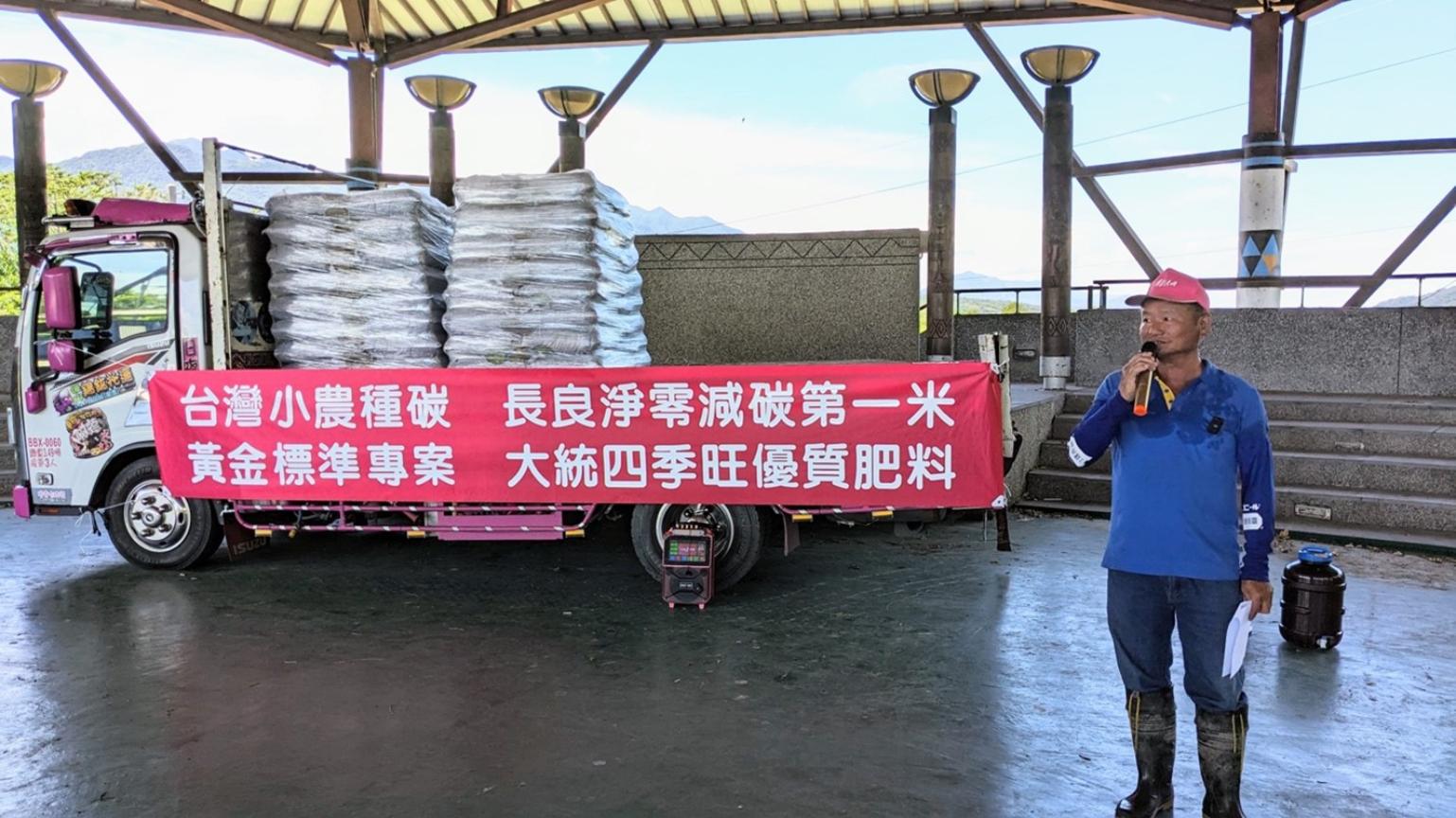
Changliang's rice is very good. Village chief Chen Wen-hua leads villagers in smallholder carbon farming using bio-organic fertiliser — an important step in the emission-reduction project, and Taiwan's "first metre" (a pun on "first rice") towards agricultural net zero.
Jay Fang, chairman of the Green Consumers' Foundation and driving force of the Smallholder Carbon Farming Project, stressed that this certification covers not only SDG 13 Climate Action but also quantified certification for SDG 2 Food Security, SDG 3 Good Health and Well-being, SDG 4 Quality Education, SDG 8 Decent Work and Economic Growth, and SDG 12 Responsible Consumption and Production. These are very important universal values for smallholders and companies alike. Successful carbon sequestration in future can also achieve healthy soil, healthy food and healthy people, worth everyone's attention and participation.
Wei Ping-chien, general manager of Datong Halawan, said that people generally think organic fertiliser costs more, but overall usage costs are actually lower, and organic produce fetches higher prices, so value for money is still better. Now, with international emission-reduction certification and carbon credits, plus international SDG certification and labels, product value can be raised further. In future, consumers or companies that buy it will not only eat high-quality, organic, delicious rice but also fulfil their responsibility as global citizens to reduce carbon.
Agriculture is both a problem and a solution for climate change
Agricultural carbon reduction gained attention in the 2015 Paris Agreement, when the French agriculture minister championed the "4 per 1000" initiative: since soil is the Earth's largest carbon sink, increasing soil carbon storage by four per thousand each year could solve the problem of human CO2 emissions. Meanwhile, the FAO states that agriculture's emissions — including from flooded paddies, methane from livestock manure and cattle flatulence, fossil fuels used by farm machinery and emissions from tillage — reach a quarter of emissions from human activity.
Agricultural carbon reduction has become a hot topic in recent years, but few actually practise it, because most people don't understand how to increase soil organic carbon to reduce carbon dioxide in the air.
2.5 to 1.5 billion years ago, carbon dioxide concentrations on Earth were far higher than now. Bacteria appeared and gradually absorbed carbon dioxide, and later photosynthetic bacteria and plants accelerated its absorption, creating the opportunity for other organisms and species to emerge. From the perspective of modern ecology and climatology, this maintained the balance of the Earth's carbon cycle.
Some try to capture and store atmospheric carbon dioxide with technology, but so far there is no evidence of long-term (over 100 years), stable and safe storage. So-called carbon storage is not yet mature in practice.
Chlorophyll photosynthesis, however, is a marvel of nature. However advanced AI becomes, and though technology can reach the moon and Mars, humans still cannot replicate the function of chlorophyll. For example, the light reactions split water into hydrogen and oxygen; if we could do that, we could produce hydrogen in large quantities cheaply and safely and turn it into hydrogen energy. The dark reactions combine carbon dioxide with hydrogen and hydroxide ions into glucose molecules, producing food and solving food security.
Solving food security, climate change, carbon reduction and net zero together
Until humans can replicate photosynthesis, the best approach remains farming: plant photosynthesis can simultaneously solve food security and the problems of climate change, carbon reduction and net zero.
Many people think organic farming and organic fertiliser will increase soil organic matter — a misunderstanding from taking words at face value. If organic fertiliser is just lifeless organic matter like soybean meal or tea-seed meal, most of it put into the soil will be quickly broken down by bacteria into carbon dioxide and enter the air, with only a small part absorbed by plants. To increase organic matter in the soil that stays there stably over the long term, we still have to rely on the multiplication of microbes in the soil.
In healthy organic soil, one cubic centimetre contains billions of microbes, and they keep multiplying; microbial cells store organic matter.
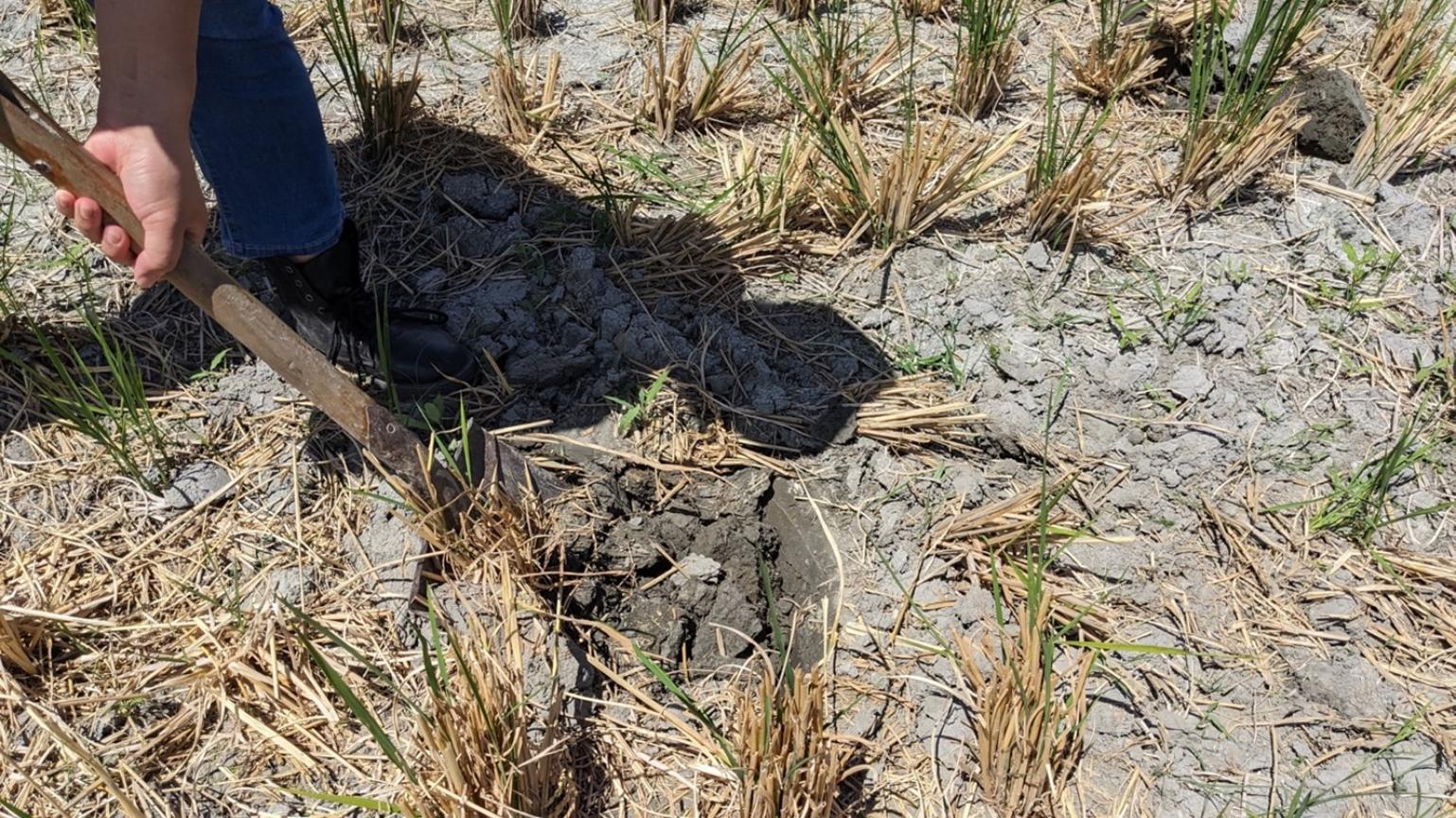
Taking soil samples in Changliang according to international standards is the first step of emission-reduction certification. The percentage change in soil carbon each period represents whether the CO2 equivalent of soil carbon sinks has increased.
After plants and animals excrete or die, their excrement or bodies also contain organic matter, but this dead organic matter is broken down into carbon dioxide again in the short term (days to years). Only carbon absorbed by microbes becomes living organic matter and is stored in the soil long-term. In short, the amount of microbes in the soil determines the amount of soil organic carbon.
We measure organic carbon content in the soil by taking the weight of soil dried to remove moisture (A), then its weight after ashing (B). The weight lost by the dried soil (C=B-A) is considered to have become CO2; the weight difference is the weight of carbon, and (C)×44/12 = the weight of CO2, which is the result of that year's carbon sequestration/carbon farming.
We hope Changliang Village, Taiwan's most remote smallholder carbon farming site, will be the first step of Taiwan's smallholder carbon farming.
Source: CM Media ( https://www.cmmedia.com.tw/home/articles/41148 )


