 努力小農
本文尚無譯文。
Taiwan's rice "surplus" is an illusion: look at how the Japanese treat domestic rice
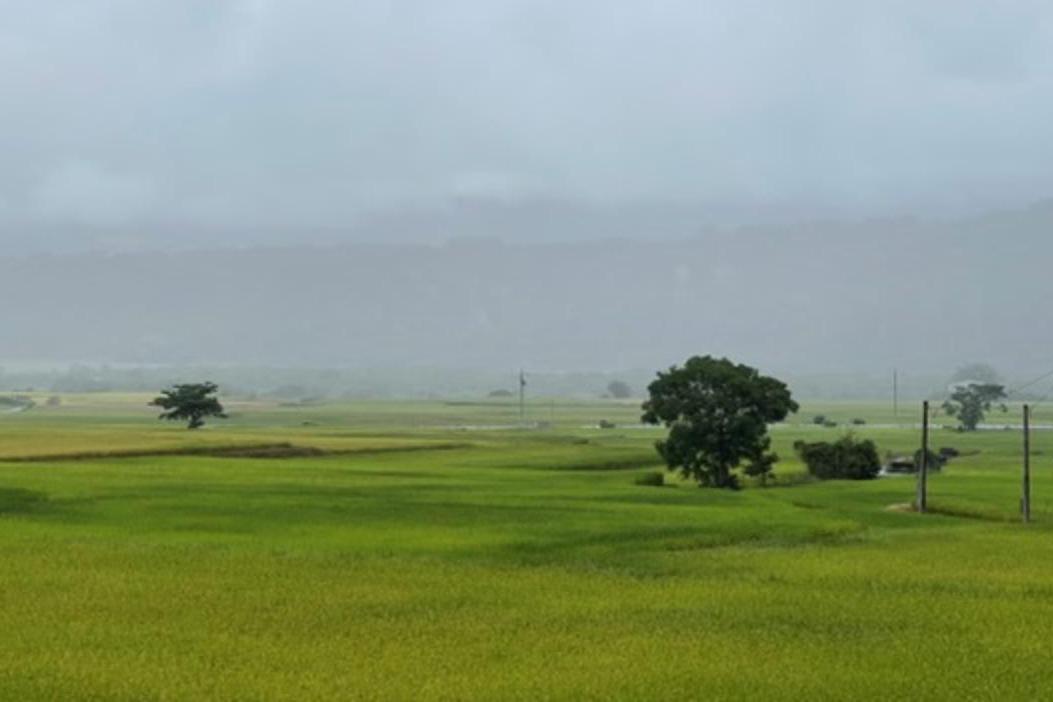
Taiwan's paddy field area is shrinking sharply year by year. The biggest crisis is a serious shortfall in food self-sufficiency.
One day in July 2023, Noodle and Meat Bun got into a quarrel over a trifle and came to blows. Meat Bun was too weak and was beaten soundly by Noodle, so as he left he shouted: "If you've got the guts, don't go anywhere — I'm getting my mates to teach you a lesson!" Meat Bun rounded up Pan-fried Bun, Steamed Bun, Bread and the rest to go and have it out with Noodle. On the way they met Instant Noodles, surrounded him and gave him a thorough beating. After being beaten for no reason, Instant Noodles asked Meat Bun why. Meat Bun replied: "Noodle, don't think I won't recognise you just because you've had a perm!" (adapted from the complete Noodle Clan War, a 42-round battle)
The story of the war between buns and noodles from over 20 years ago is still playing out today — only now the protagonists are restaurant owners, students, and netizens and trolls. Who is the war for? What is it about?
Wasting rice isn't news; not having rice to eat is
If not for the "white rice uproar", no one would have thought rice mattered so much to university students — or perhaps we have overlooked the value of rice.
The "mi" eaten in China's Central Plains since ancient times was not today's rice, but the five grains: hemp, glutinous millet, foxtail millet, wheat and beans. What was once called "mi" was actually today's millet. Today's rice is called "big mi" (dami) in contrast to these "small" grains. Rice was introduced in the Song dynasty from Yunnan and the Baiyue lands in the south. Grown in paddies, the plants are short but the grains large, providing ample calories and creating the later prosperity of Jiangnan, the land of fish and rice in Wu and Yue. Japan also took rice as its staple; Japan taught Koreans to grow rice, and later ethnic Koreans in northeast China grew rice there — hence today's northeastern rice from the black soil, of which "Wuchang rice" from Wuchang in Harbin is the most famous.
If you wrote a "war of the grains" between rice and millet, it would probably go on forever and be even more exciting than the noodle-clan war. With Western food culture spreading east, Taiwanese eat more and more wheat foods. Since joining the WTO in 2000 and opening food imports, only 30% of Taiwan's calories today come from domestic production; the rest are imported — rice included. Taiwan's land, fertiliser, storage and transport costs for domestic rice are high, making it hard to compete on price with imported rice. So domestic rice production exceeds sales, and rice farmers have begun switching crops, even to "growing electricity": thousands of mu of good paddy fields planted with solar panels. Can they ever be turned back into paddies?
Not wasting rice beats saving electricity
Taiwan's rice "surplus" is an illusion, because imported rice costs just over NT$20 per catty, while Taiwanese rice costs over NT$30, and rice from Hualien and Taitung around NT$50. Ordinary buffets and stir-fry restaurants, even big hotels, use imported rice. Take Chishang, the pride of Taiwanese rice: how many grains in a so-called "Chishang lunchbox" are real Chishang rice? A bowl of rice needs nearly 100 g of rice; the rice alone costs over NT$6, unless a bowl sells for NT$12 or more. Imported rice is less than half the price — so help yourself to as much as you like.
Because imported rice is cheap, restaurants, businesses and consumers don't care how much rice is added, and don't mind throwing away what isn't eaten. Look in the food waste bins, and the most obvious thing is white rice. Today everyone calls for saving electricity and not turning on the air conditioner — an hour of air conditioning uses 1–3 kWh, about NT$5–10. If we economise like that, why not save some rice?
Wasting food like this, my grandparents' generation used to say, would bring heaven's punishment. As a child, my maternal grandparents told me to eat every grain in my bowl: for every grain left, I'd get a pockmark on my face. This saying probably dated from the smallpox epidemics of their childhood. Today smallpox has been eradicated and rice is cheap, and the saying has long since vanished.
Growing up, our family ate rationed military rice — yellow, dry old rice that had been stored for years. My family judged the rice not by its fragrance or texture, but by how much sand and grit was in it this time. Still, it was much better than the "eight-treasure rice" eaten during the war and when fleeing as refugees. ("Eight-treasure rice" meant rice full of impurities and debris, sometimes small nails and iron filings, not to mention little insects — eating those counted as a treat, extra protein.) So as a child I didn't chew rice slowly but gulped it down, because if you chewed too much and bit on a pebble, you'd break a tooth — not worth it.
Another reason I never valued rice was that, as a child in the military dependents' village, we were influenced by US aid: flour was handed out and we were taught to make bread and cakes (not traditional steamed buns or noodles), and our family was even given an oven worth NT$200. People also believed that those who ate wheat grew taller. This was cultural export bundled with food, leading wheat-less Taiwan to eat more wheat than rice today — the result of long immersion in American food culture.
Rebuilding a trend for Taiwan's domestic rice
Many people avoid rice because the glycaemic index (GI) of white rice is as high as about 90 (actually bread, even wholemeal, is similar). Sixty years ago people mostly ate brown rice, because milling machines were primitive; to get white rice you had to mill several times, so it was more expensive and only the rich could afford it. Brown rice has a GI of about 50-something, so even diabetics can eat some. Today, with advanced milling — milling six or seven times, even wet polishing — rice is left as pure starch, with all its other nutrients milled away into the bran, used as bedding for chickens.
Rice bran was originally a fine material for rice bran oil, whose nutritional and health value is even better than olive oil. But because of the rice bran oil PCB incident more than 30 years ago, rice bran oil vanished from the market for many years. This is another example of how we waste rice.
Much greenhouse gas research is also relatively unkind to rice, because rice needs flooding. (Rice tolerates flooding while weeds can't grow under water, so flooding suppresses weeds and ensures rice gets enough water to grow tall and strong and bear heavy ears for a good harvest.) Flooding cuts off air in the soil, so organic matter in the soil undergoes anaerobic fermentation and produces methane. One tonne of methane equals 20–28 tonnes of carbon dioxide, making rice the second "culprit" of agricultural emissions after cattle — hence the claim that eating wheat is better than eating rice.
But when I looked closely at these articles condemning rice, I found they all compare greenhouse gas emissions per unit of "protein". This is clearly unfair to rice, because wheat has much more protein than rice. If brown rice rather than white rice were used, the ratio would fall. If starch or calories were the denominator, emissions per unit of calories would be lower still. Internationally, Western countries have very shrewd and capable wheat associations, while Southeast Asia, which produces abundant rice, has no capable joint organisation to counter them. So on the greenhouse gas "contempt chain", rice clearly comes off worse.
Those are some of my views on rice. Whoever is right or wrong in the white rice uproar, white rice is innocent and shouldn't be sacrificed. We need to make sure university students can eat their fill — and eat well. Besides not wasting rice, we should diversify rice dishes to attract young people to eat more rice, and encourage everyone to eat more brown rice — not only to save energy and cut carbon, but for health, and to give domestic rice a better market.
Photo set: see how the Japanese treat domestic rice
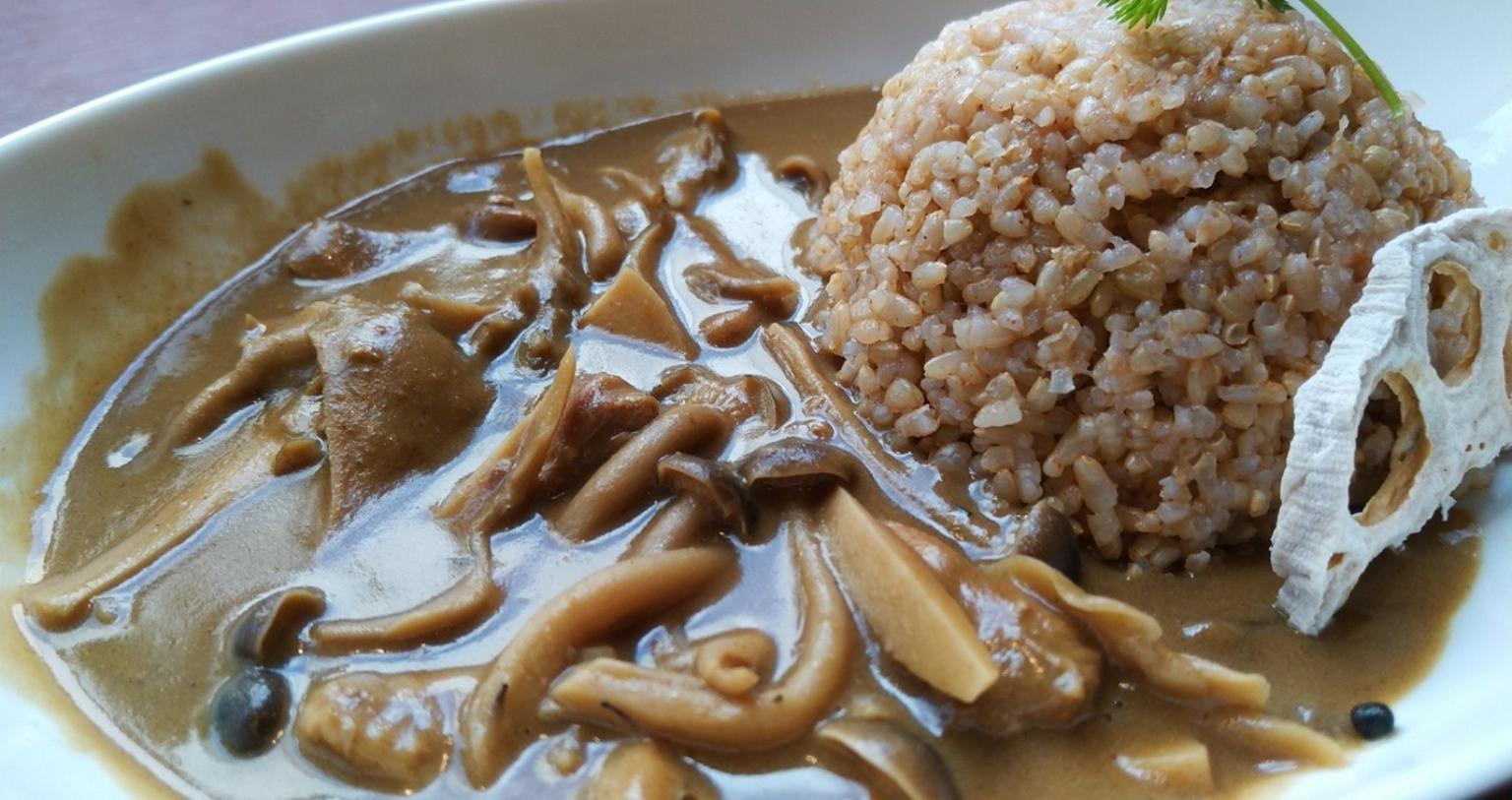
Ordinary restaurants offer brown rice (genmai) as an option when choosing rice.
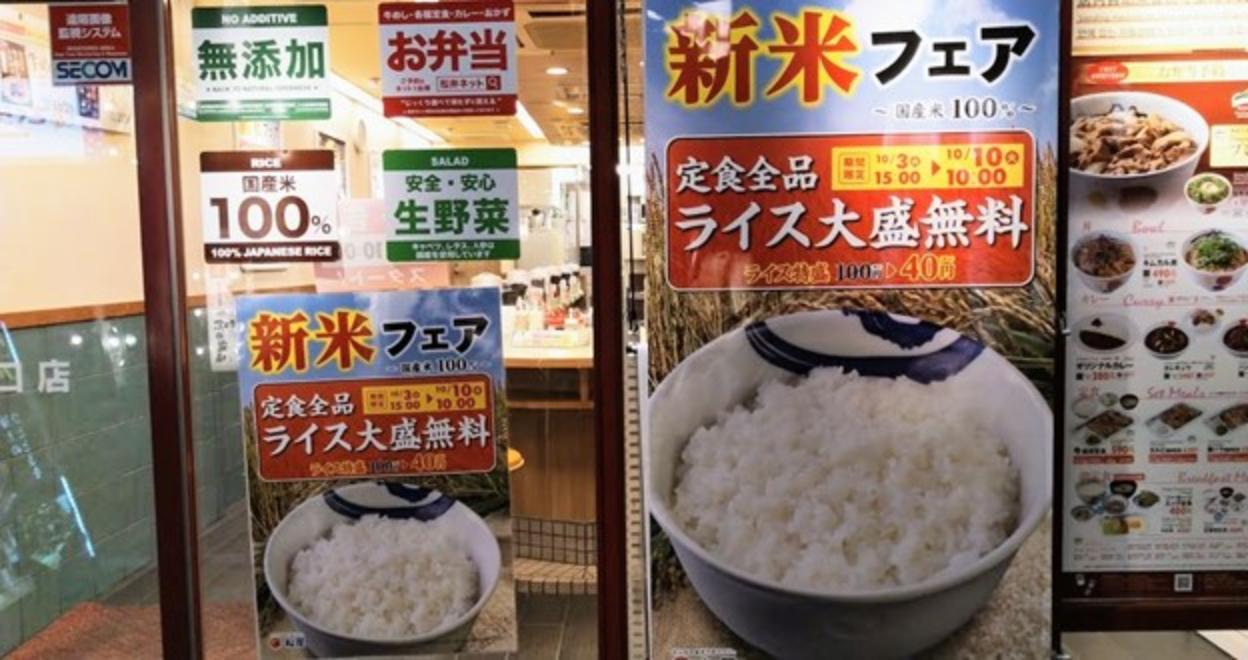
The Japanese care about where their rice comes from and emphasise new-crop rice. This is an all-you-can-eat rice restaurant prominently advertising the arrival of new rice.
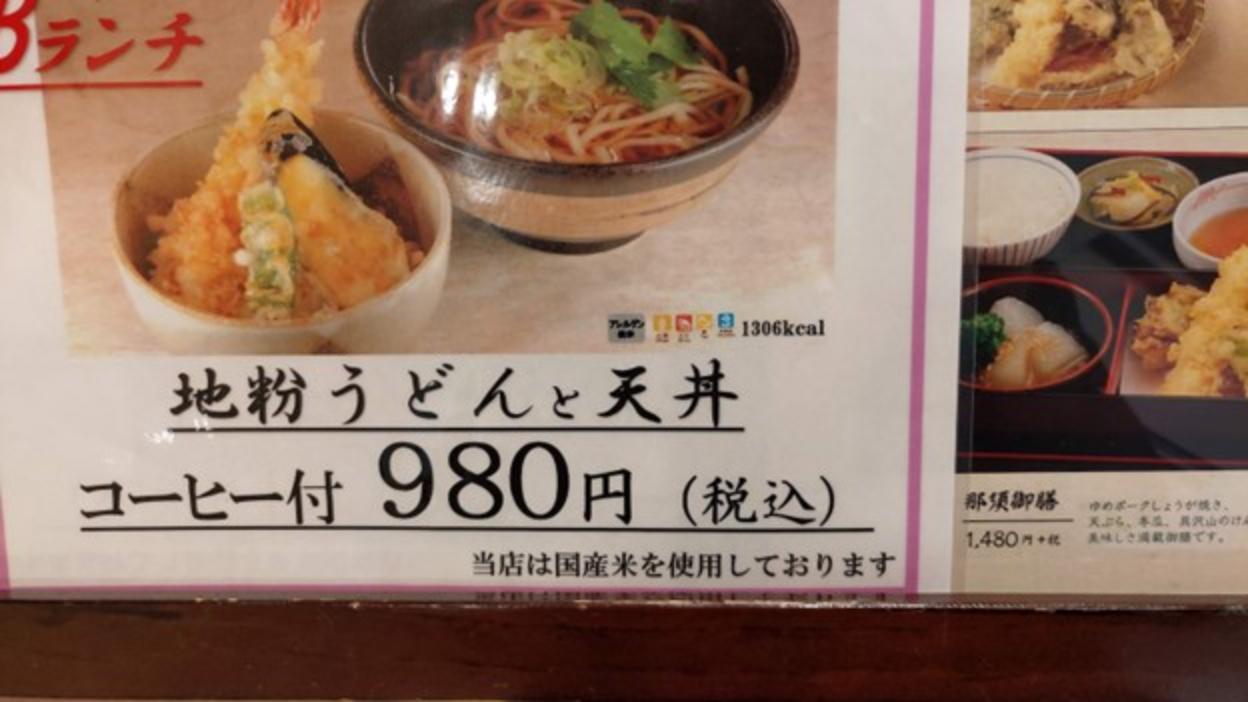
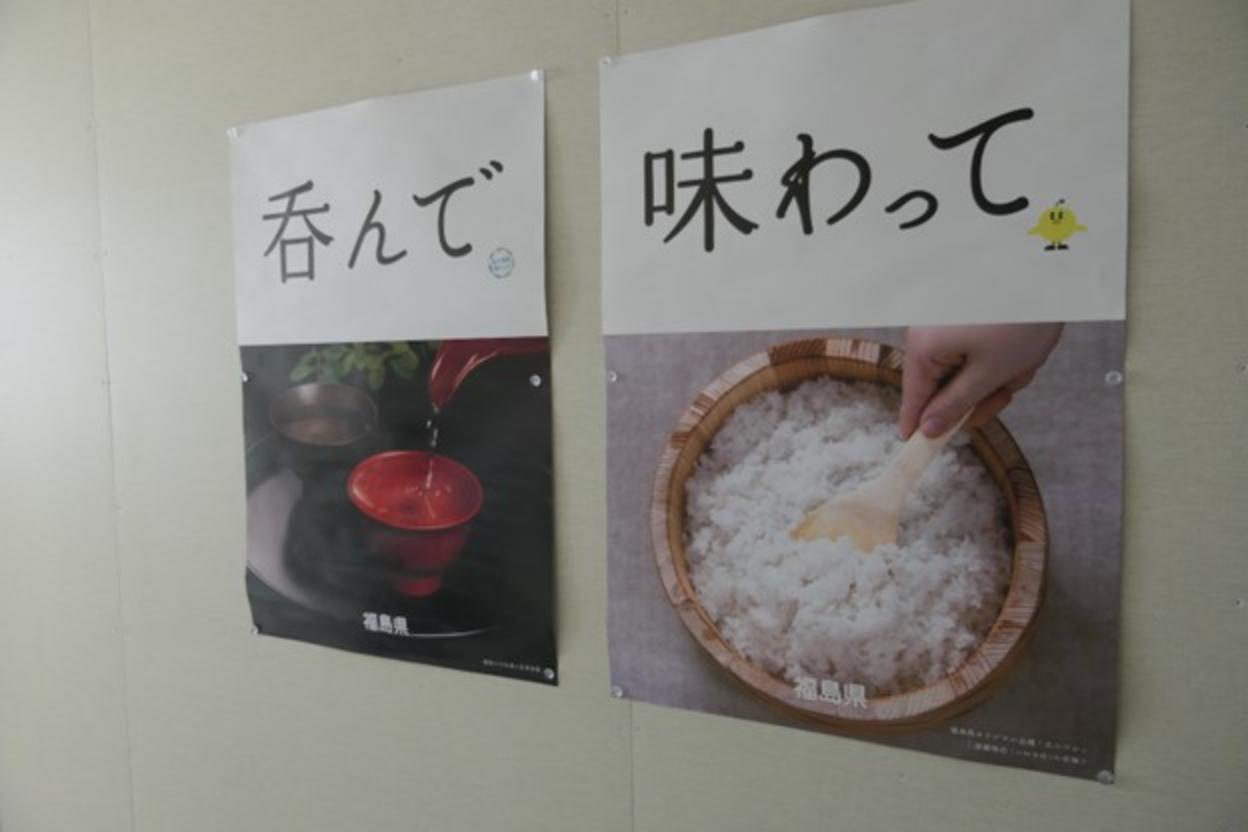
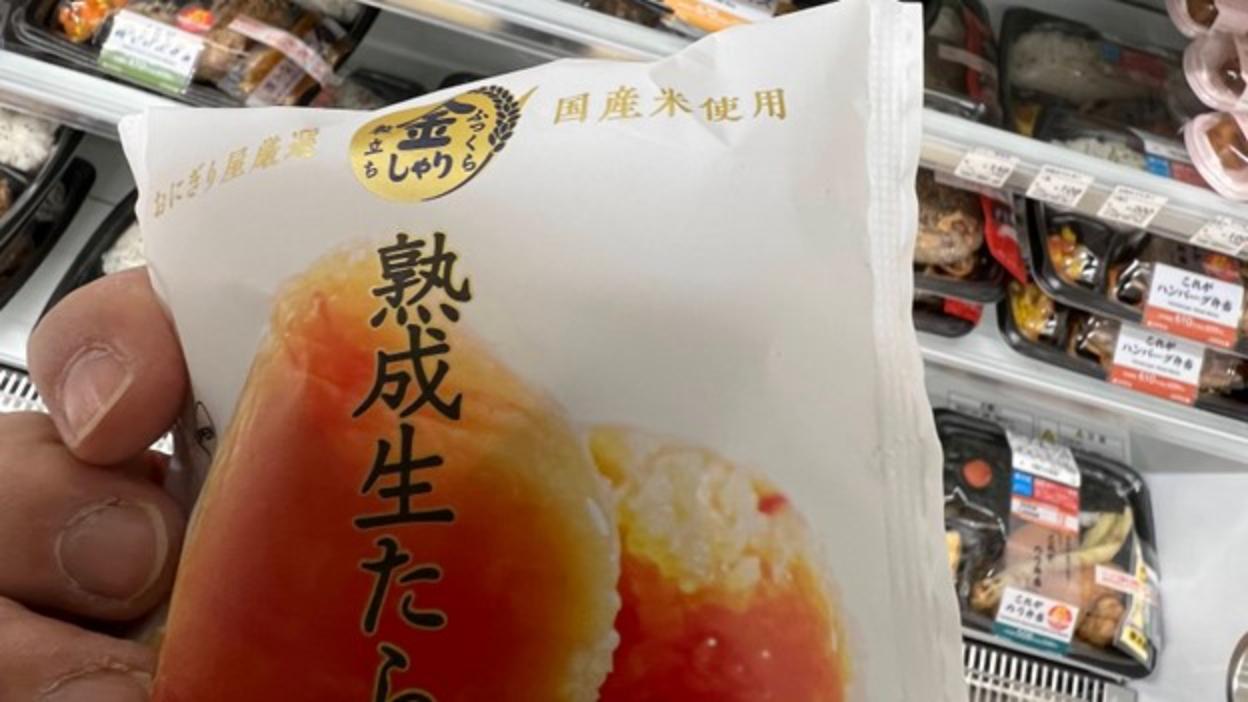
The Japanese obsession with "domestic rice" is everywhere. Even though Fukushima was poisoned by the 3/11 nuclear disaster, they still highlight "Fukushima rice", and restaurants big and small, and convenience stores, all stress "domestic rice used". In Taiwan, how many restaurants in Chishang dare say every grain of their rice is from Chishang?
Source: CM Media ( https://www.cmmedia.com.tw/home/articles/41396 )


