 努力小農
本文尚無譯文。
Typhoon Haikui sweeps Taitung: smallholders grow stronger through wind and rain
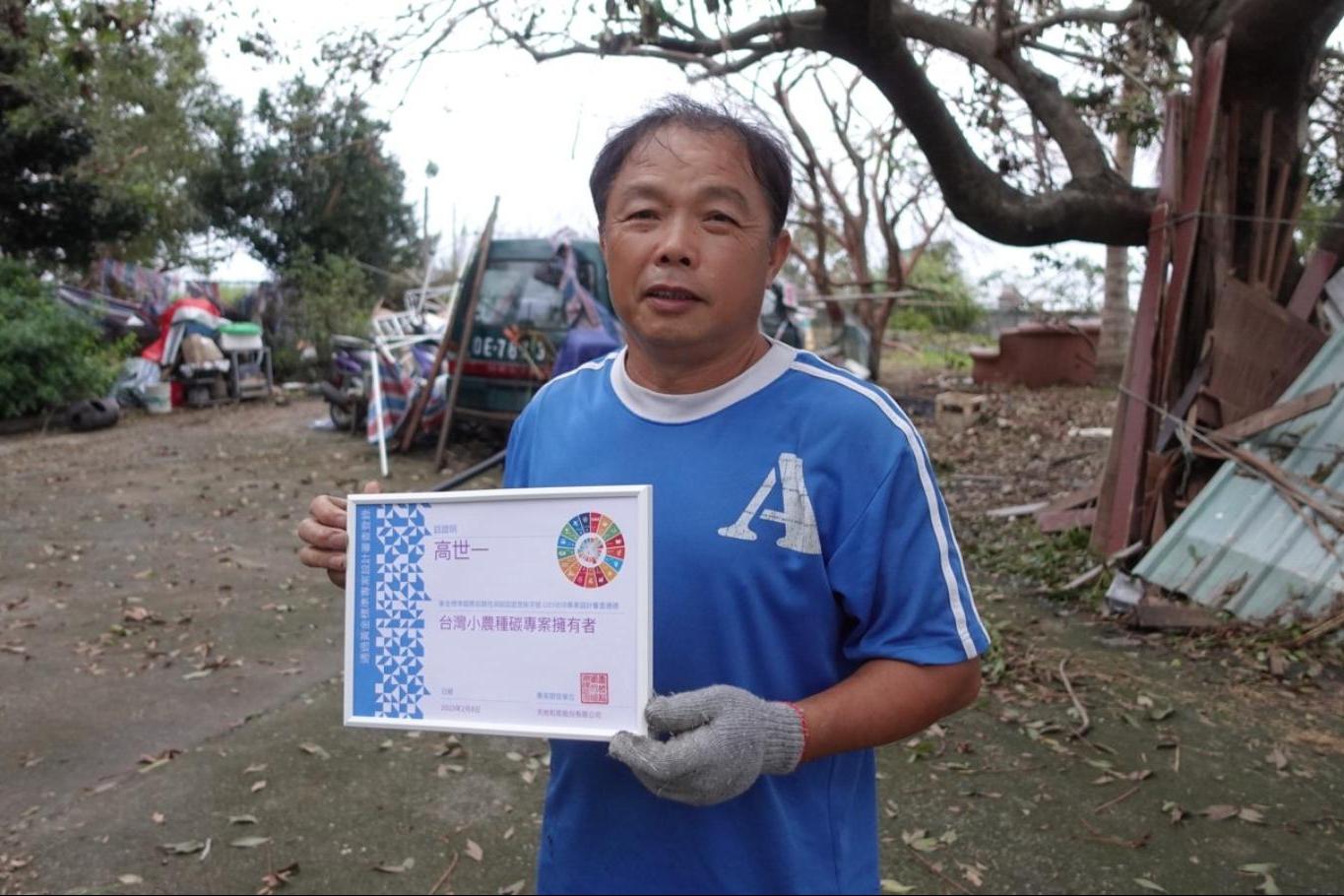
Taitung smallholder Kao Shih-yi is committed to eco-friendly farming and never uses pesticides or chemical fertilisers.
"Typhoon Haikui makes successful landfall", "Typhoon Haikui lands in Chenggong" — the news kept reporting "successful landfall", which sounds a bit odd, as if the weather presenters were gloating. In fact Typhoon Haikui made landfall on Taiwan's main island at Chenggong (literally "Success") Township in Taitung County.
After Haikui passed, a smallholder's banana trees were all flattened
I phoned smallholder Kao Shih-yi in Pawongwong, Chenggong, Taitung, to ask how he was. He sent photos of the banana trees at his home, all flattened. "The wind and rain were too strong — I didn't dare go and see how the fields are. This typhoon was really big." Kao Shih-yi mainly grows rice. Because he insists on eco-friendly farming and never uses pesticides or chemical fertilisers, his rice plants are noticeably shorter and paler than others', and his yields are lower. Yet his "Ichiro rice" has many regular customers who ask for it specifically, so his income is better. This has also changed his neighbours' thinking, gradually moving them towards an eco-friendly, premium approach.
This year is the hottest in the northern hemisphere in a century — perhaps truly global warming. In the past seven years, of the hundred or so typhoons that passed Taiwan, most only grazed it or took a detour, with relatively little impact; there were even water shortages for lack of typhoons. A big one like Haikui making "successful landfall" is a first in recent years. City dwellers may not feel that "heaven's might is unfathomable", but for farmers it may be a devastating disaster.
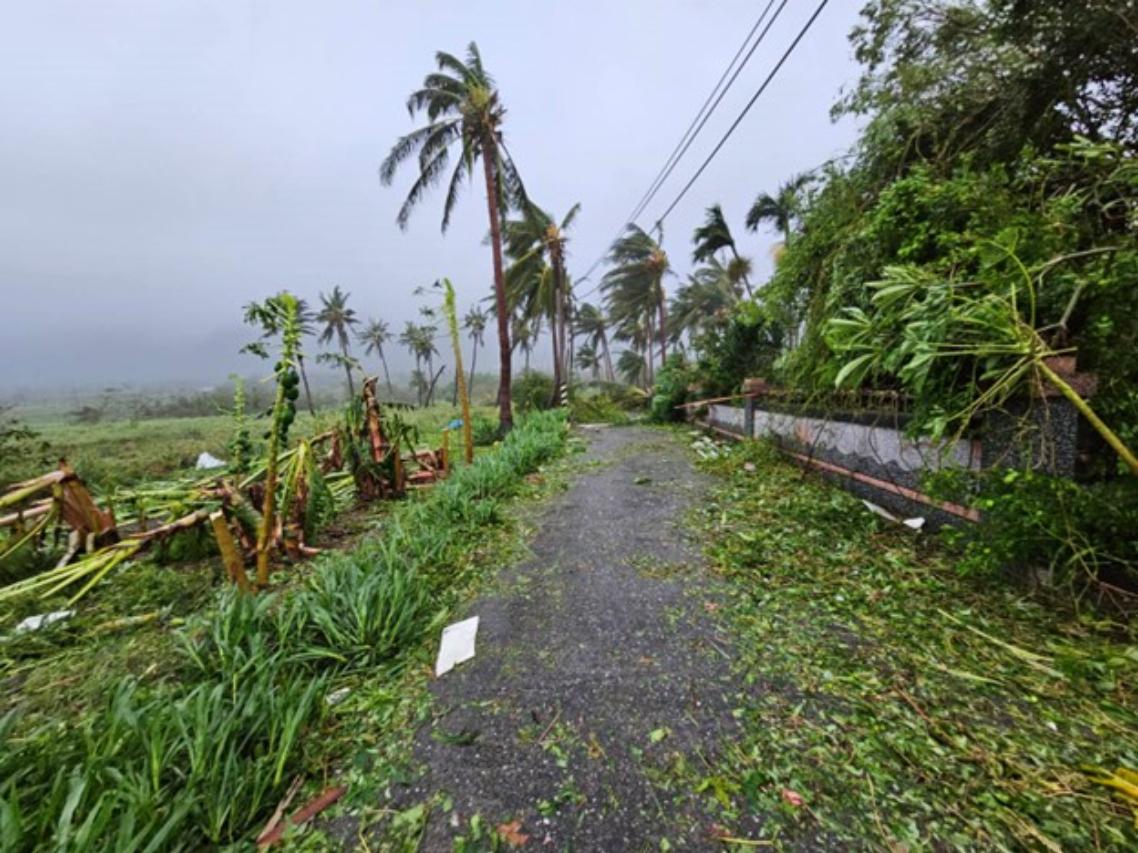
Kao Shih-yi of Pawongwong community, Chenggong Township, Taitung, was hit by the typhoon and has been busy with recovery work since. (Photo: Kao Shih-yi)
Many smallholders in the "Taiwan Smallholder Carbon Farming Project" are in Hualien and Taitung. Wind damage and debris flows from typhoons affect their yields and cause loss of soil organic matter — major events affecting smallholders' carbon reduction performance for the year. So before and after every typhoon, I always find time to visit them, learn about their typhoon preparations and post-disaster situation, keep records, and find possible measures for prevention and mitigation in future. Every typhoon, storm and drought is a learning opportunity.
Smallholders on the environmental front line have no "quiet, peaceful days"
Smallholders stand on the front line of the environment and have no "quiet, peaceful days". Lean years and bumper years have a huge economic impact: in lean years there's of course nothing to sell; in bumper years everyone produces too much and can't sell it, which is even more distressing.
Three and a half years ago, visiting smallholders in Taitung, every one told me how miserable their experience of Typhoon Nepartak in 2016 had been. "Nepartak's winds went off the charts. The only good thing was that it blew away lots of the roadside speed cameras, so everyone got fewer tickets." The cheerful smallholders joked that the typhoon was the one speeding, yet the tickets went to farmers.
After the disaster I visited Hsieh Ching-po of Yuemei Bridge Ecological Farm in Wanrong, Hualien. He has over 20 hectares, mainly growing soybeans and black beans, spread across Wanrong, Fenglin and Guangfu. This time he was hit hard, mainly by debris flows from abandoned mines in the mountains upstream. Just clearing away the washed-in sand and gravel will take half a month, the land has lost fertility, and this year's yields are bound to fall. About 10 hectares were scoured by floodwater, with soil and water loss. Luckily the second crop of beans hadn't yet been sown; otherwise he'd also have lost the labour and materials for sowing.
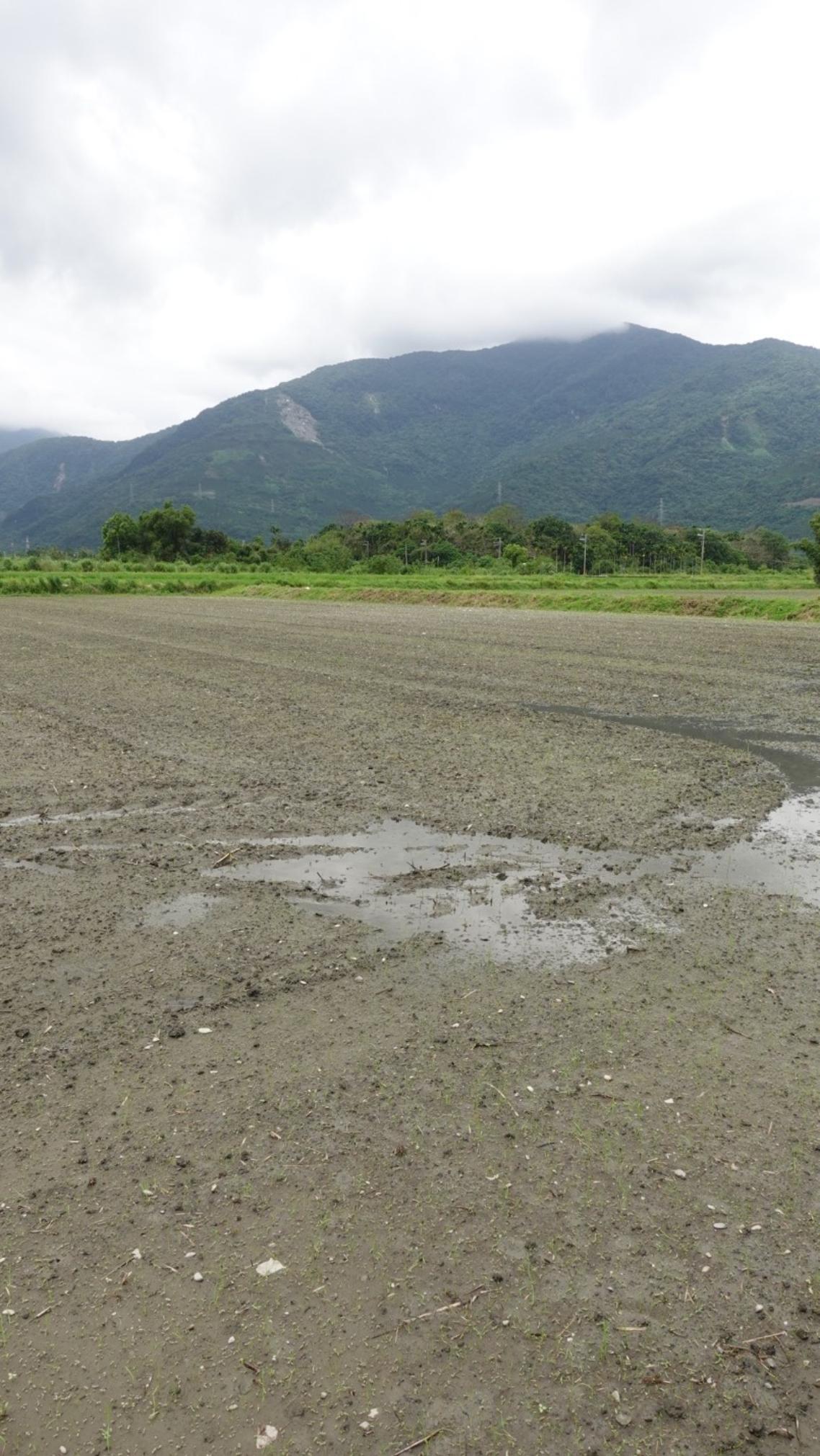
Debris flows cause the land to lose fertility.

South Hualien was a severely hit area. Hsieh Ching-po's soybean and black bean fields were struck by flooding and debris flows; yields will certainly fall, and soil organic matter has been lost too.
You can dodge natural disasters, but not man-made ones
Haikui swept across the southeast; South Hualien and North Taitung suffered the worst damage. I was most worried about Changliang Village in Yuli Township, with nearly 150 hectares in the Smallholder Carbon Farming Project, but fortunately there was no major damage this time. Smallholder Chiu Chui-chuan, whose home caught fire in early April, is still busy recovering from the fire. Fortunately the typhoon didn't have much impact, and he took me to see their uniquely blessed terrain and waterways.
Chiu Chui-chuan said: "We have Chiang Ching-kuo and the veterans to thank for building the levees for us back then. That's why heavy rains over these decades haven't caused major damage, and we can channel water in from the Qingshui River. When a typhoon or heavy rain comes, we just close the sluice gates and Changliang is safe from flooding — and we never lack water all year." Thousands of veterans who built the Central Cross-Island Highway were once stationed in Changliang, clearing the "Changliang Farm" north of the village, now managed by the Veterans Affairs Council. This typhoon only damaged the water intake channel from the Qingshui River outside the levee.
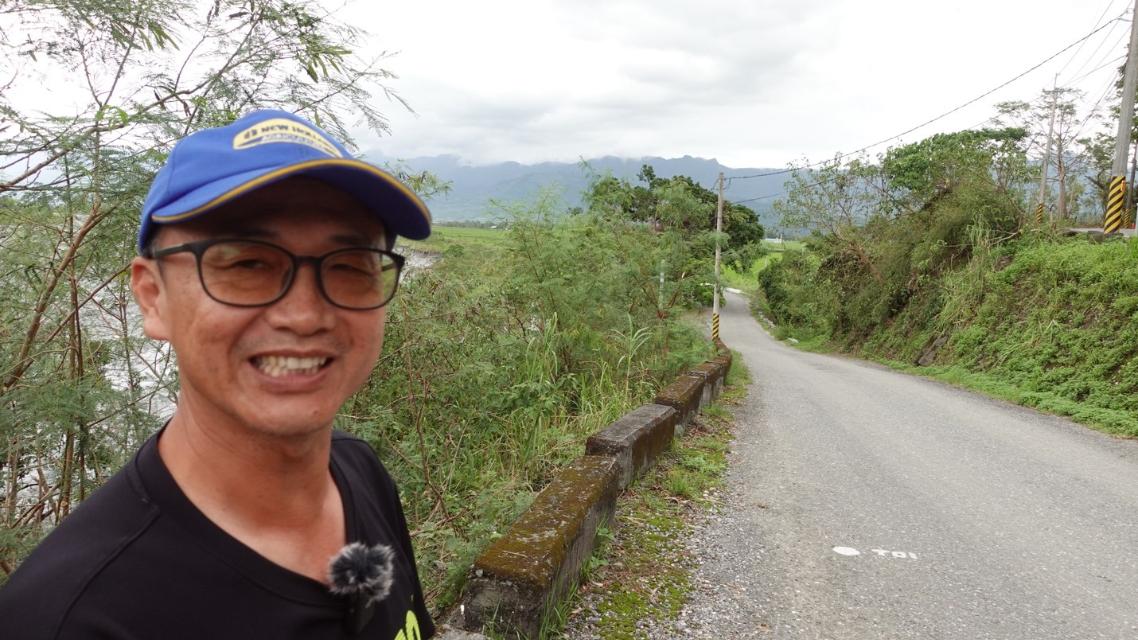
Chiu Chui-chuan explains how the levee on the south bank of the Lele River protects Changliang Village from typhoon flooding.
Haikui's torrential rain sent flash floods almost up to the Zhuofu Bridge, which crosses the Lele River (upper Xiuguluan River) from Zhuoxi to Changliang. Local residents were terrified, because last year's 918 Yuli earthquake damaged the two main bridges, the Yuchang and Changfu bridges, cutting traffic for over a year without repair. Only the Zhuofu Bridge remains as a link to the outside. If it were washed away too, villagers would have to take a long detour to reach Yuli or Fuli. Fortunately it wasn't badly affected, but the already damaged Zhuofu Bridge will surely be "more seriously injured" after the typhoon.
Natural disasters are frightening, but man-made ones are worse. Ginger has a dark side: it depletes the soil heavily and brings pests and diseases, so after ginger it's hard to grow other crops — it takes 5–7 years to restore fertility. So ginger growers look for "virgin land" never planted with ginger. In recent years, with no good virgin land left in western Taiwan, they've started looking for land in Hualien and Taitung for large-scale ginger growing. Besides destroying soil and water, the heavy pesticide spraying harms others and themselves.
"Changliang escaped the typhoon damage this time, but in the hills behind the village some outside ginger growers have cleared land for ginger over the past two years, causing serious soil and water loss." The village chief was furious, because amid the wind and rain he had to drive an excavator to clear roads destroyed by debris flows that had flooded the village.
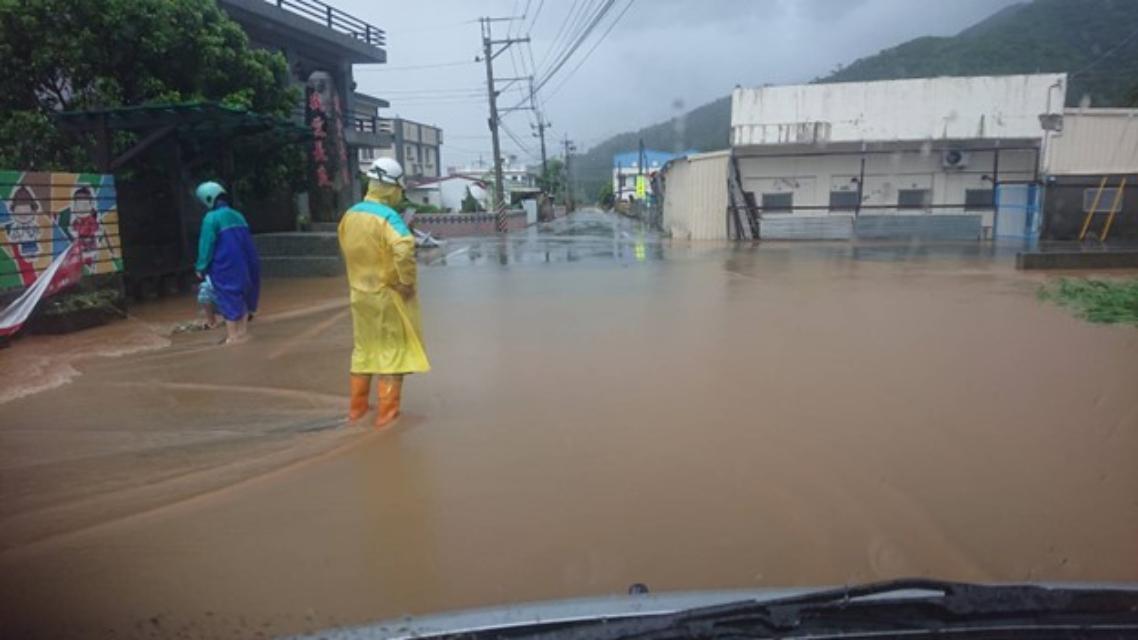
(Photo: courtesy of Changliang Village Office)
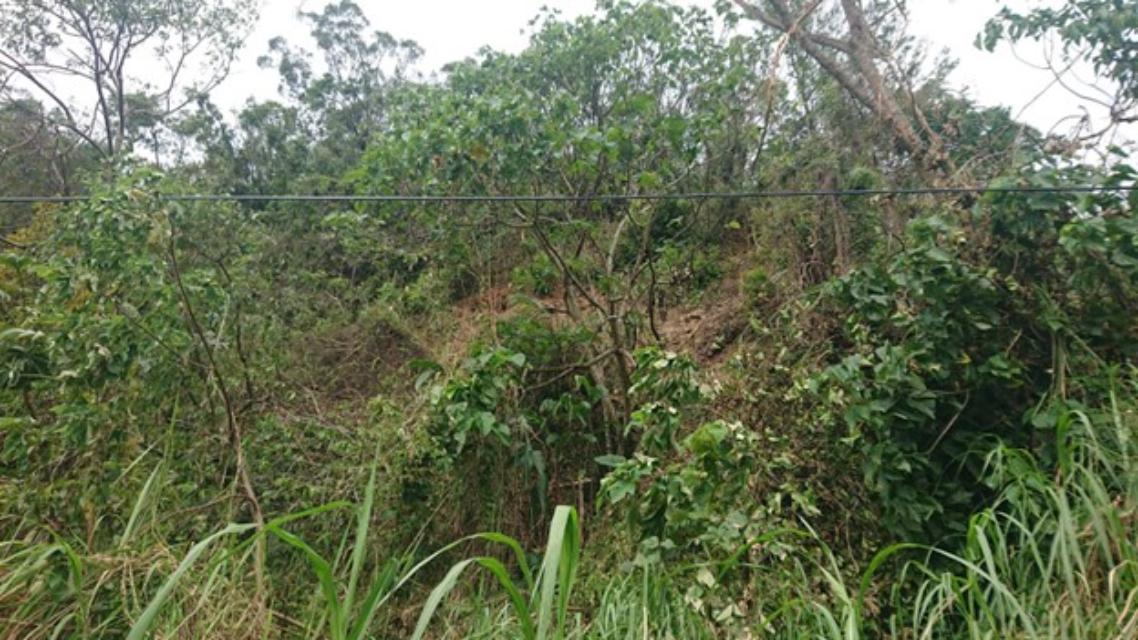
Ginger cultivation developed in the mountains caused flooding in Changliang Village. This is a man-made disaster, not a natural one. (Photo: courtesy of Changliang Village Office)
Hsieh Ching-po, hit harder this time, was also suffering the consequences of mining in the mountains. Such "beggar-thy-neighbour" behaviour keeps happening in Taiwan. Recall that more than 30 years ago in Hualien, theTongmen Village debris flow— because of mining pits and land clearing upstream, the typhoon all but wiped out the village. In recent major typhoons, when heaven sends disaster, farmers can accept the impact and must try to avoid it. But man-made disasters from illegal land clearing, logging and mining are impossible to guard against. And because these illegal developments are often backed by gangsters or collusion between officials and businesses, ordinary farmers dare not speak out, and when disaster strikes they can only ask heaven in silence.
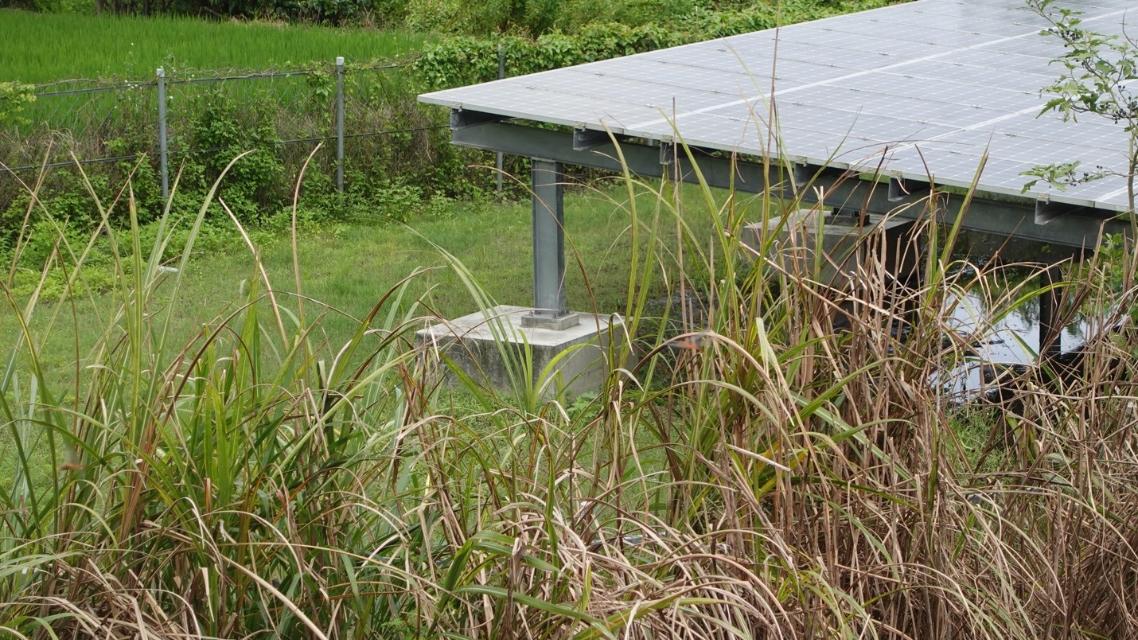
Thousands of hectares of Taiwan's farmland used to "grow electricity" are destroying land and soil — a man-made disaster in the making.
From "sustainable development" 40 years ago to "carbon reduction and net zero" today, man-made disasters continue. On this visit to smallholders, I also found that the east has begun "growing electricity". The thick foundations of solar panels destroy farmland, which in future can no longer be cultivated. This is another agricultural man-made disaster unfolding in Taiwan.
Source: CM Media ( https://www.cmmedia.com.tw/home/articles/42372 )


