 努力小農
本文尚無譯文。
A century-long plan typhoons can't blow away: Changliang's first metre of international carbon reduction certification
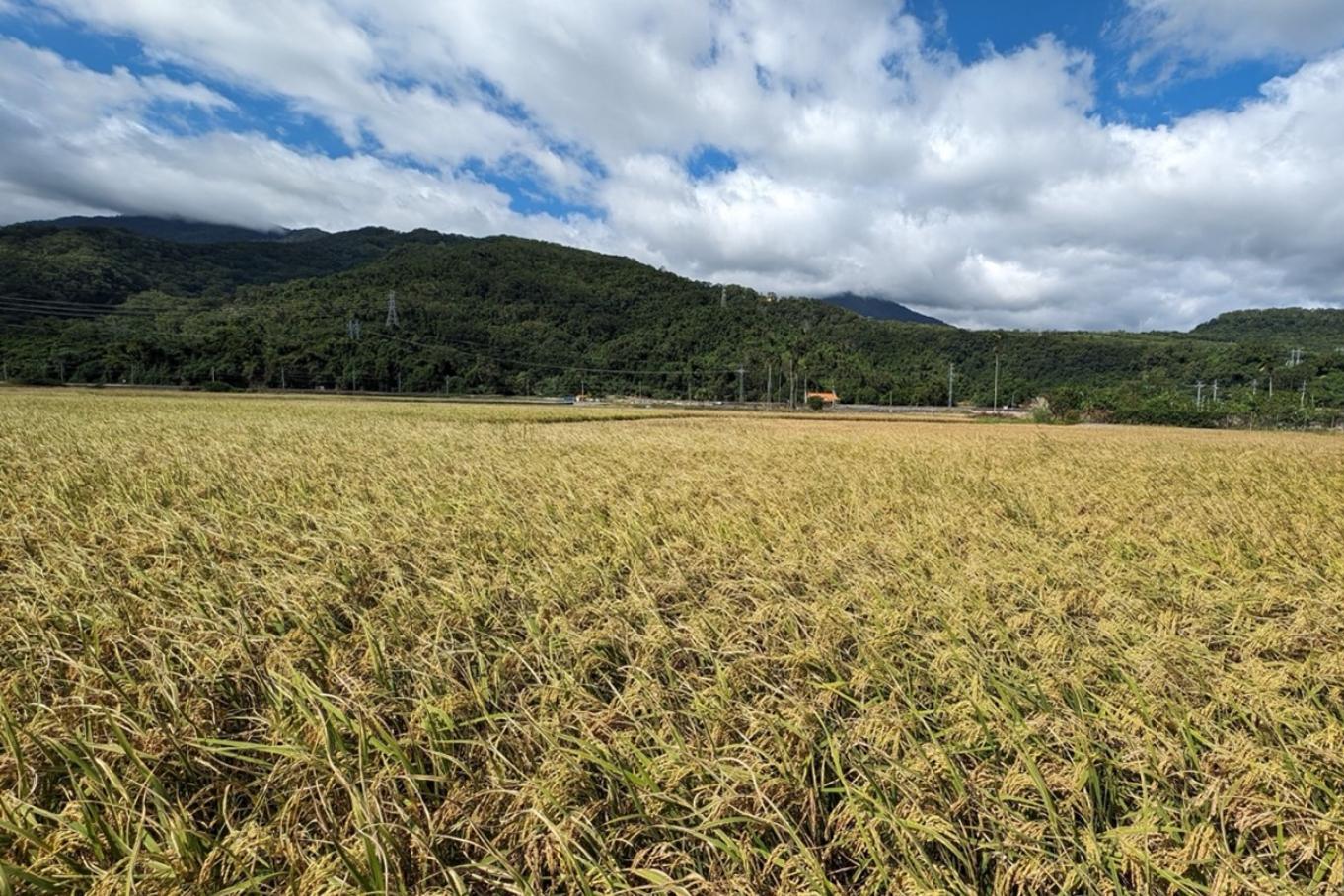
All 144.7 hectares of rice paddies in Changliang Village are part of the Taiwan Smallholder Carbon Farming Project — Taiwan's "first metre" (a pun on "first rice") towards international agricultural carbon reduction certification.
After the international certification body comes to Taiwan next February to review the "Taiwan Smallholder Carbon Farming Project", Taiwan will have a batch of farm produce certified for carbon reduction and six Sustainable Development Goals. Among them, Changliang Village in Yuli, Hualien, will take Taiwan's "first metre" (a pun on "first rice") in international carbon reduction. And Changliang's history of more than a century is also a portrait of ethnic integration and agricultural development in Taiwan.
Good rice from the gateway of Yushan's "Batongguan Trail"
The Yushan Batongguan Trail exits at Yuli, and its gateway is Changliang Village. Where there are roads there is water: water from Yushan flows via the Lakulaku and Qingshui rivers into the Xiuguluan River, the largest river in Hualien and Taitung. Changliang's irrigation and drinking water comes from the Qingshui River. From the Zhuofu Bridge (from Zhuoxi Township via Changliang to Fuli) you can clearly see the broad Lakulaku River, its water grey and murky from long-term mining and landslides upstream. The Qingshui River on the south side flows gently and steadily, its water crystal clear. In the 1960s the veterans who built the Central Cross-Island and Suhua highways built channels to bring Qingshui water into Changliang. Later there were floods, so levees were built to protect Changliang, creating a thousand hectares of good farmland.
Changliang Village is divided into two large parts. To the north is the Changliang Farm of the Veterans Affairs Council, about 500 hectares, cleared by veterans years ago; 250 hectares of it are now an organic agriculture zone managed by the Ministry of Agriculture. To the south, the residential area of Changliang, about 200 hectares, is farmed conventionally.
Changliang's history is unusual. A century ago the Central Mountain Range was the traditional territory of the Bunun people, and the Huadong Valley belonged to the Amis. When the two fought, Changliang was the battlefield on the border; the heads of the slain were taken, and in old times there was a graveyard of several hundred headless bodies here. Later Pingpu people migrated here from Tainan and began clearing land. From the Japanese era into the Republic era, Hakka people moved in and began growing rice, then Hoklo people settled here too; the Lien family from Yilan became the big local landowners. After 1960, veterans from mainland China were stationed here and mainlanders blended in too. Today Changliang is like a microcosm of all Taiwan's ethnic groups, living together in harmony with no barriers between them.
Apart from mountains unsuitable for farming, Changliang was among the last areas of eastern Taiwan to be developed for agriculture. Pingpu people migrated here in 1836 and turned it into good farmland, but in 1881 a flood of the Xiuguluan River turned the fields back into riverbed. Only after levees were built along the Qingshui River to the Xiuguluan River did the area enjoy more than 60 years of safety.
This September, hit successively by typhoons Haikui and Koinu, Changliang came through relatively safely overall, apart from debris flows and flooding caused by illegal land clearing for ginger. But the rice harvest this November was still 10% lower than in previous years.
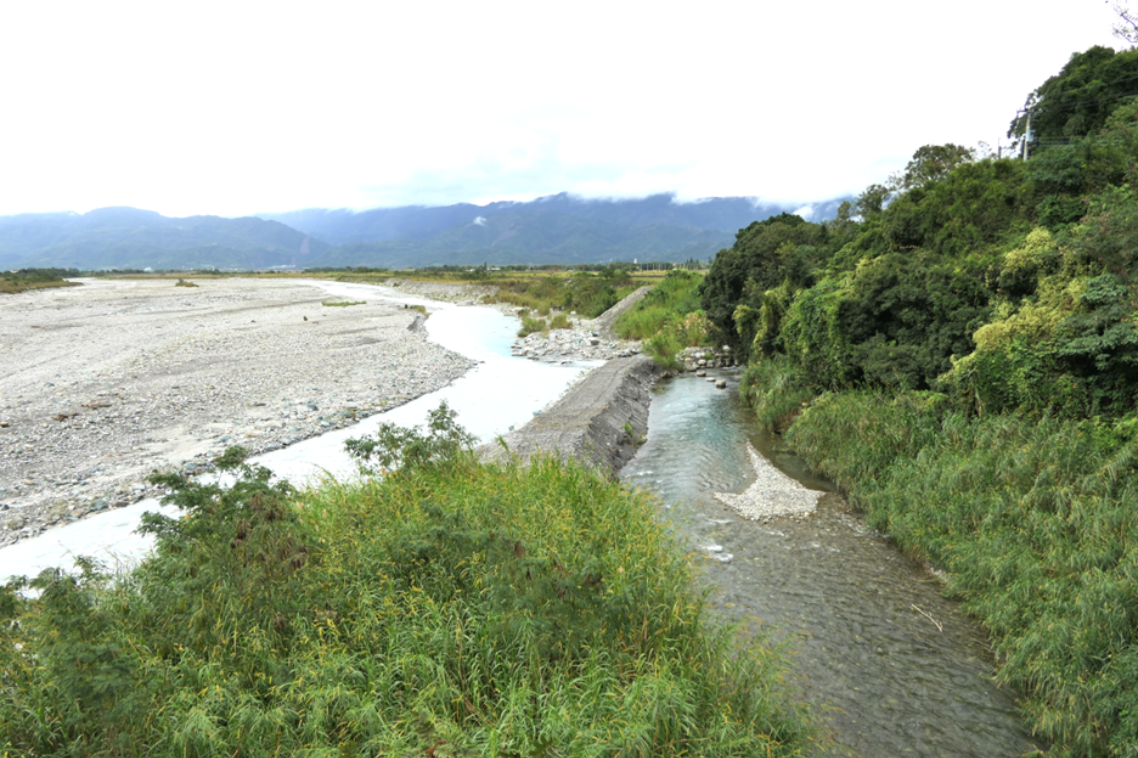
The narrow Qingshui River supplies Changliang's drinking and irrigation water. Compared with the murky Lakulaku River on the left, it looks all the more fresh and graceful.
Carbon farming is "engineering by subtraction"
In July we worked with Changliang village chief Chen Wen-hua, applying fertiliser from Uni-President Biotech to his field to see the results. Under the Gold Standard's Soil Organic Carbon Framework Methodology and certification principles and requirements, a precondition for certification is that yields must not fall by 5%. But in the case of natural disasters, whether this was a general situation can be judged against local conditions; if it was, soil organic carbon can still be considered. However, heavy rain scouring also causes soil organic matter to be lost, so this year doesn't look promising. Still, we shouldn't prejudge — we'll see what the results of the soil samples sent for testing show before drawing conclusions.
Some people are curious about "carbon farming" and think it means "burying" organic matter in the soil. In fact it means doing everything possible to increase the biomass of soil microbes, which is the long-term guarantee of organic matter. We are not burying carbon or charcoal in the soil; that's not the principle of "carbon farming".
Keeping soil organic matter (microbial biomass) is a farming method of subtraction. The first priority is to minimise disturbance of the soil. Besides reducing the impact of ploughing, increasing cover is also a good approach.
At harvest in Changliang, after the grain is cut, the straw and stalks are left in place as much as possible. Harvesting is like taking away all the organic produce above ground, but we only want the grain. Returning straw and stalks to the field returns this organic carbon to the land, letting the land rest and rebuild the microbes' ecological home and the soil structure. The straw cover reduces sun exposure, protecting microbes in the soil, and the straw can also become food for microbes, nourishing more of them to raise soil organic matter.
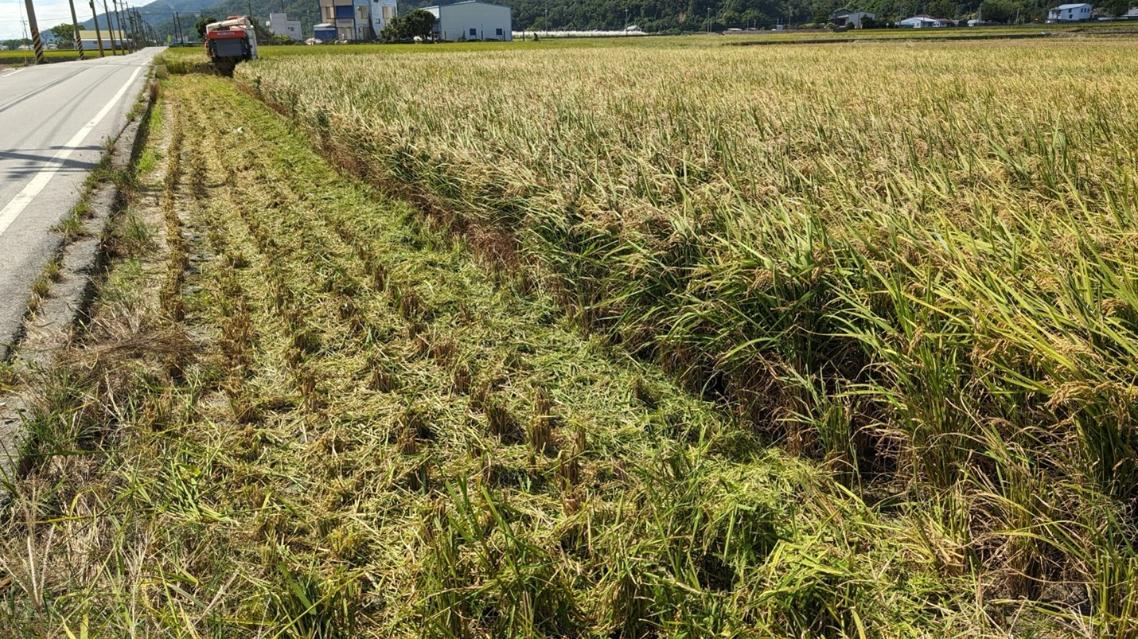
What is "carbon farming"? It is engineering by subtraction — not what you do, but what you don't do, including not removing straw and stalks after harvesting the grain, leaving them on the ground to protect the microbes in the soil.
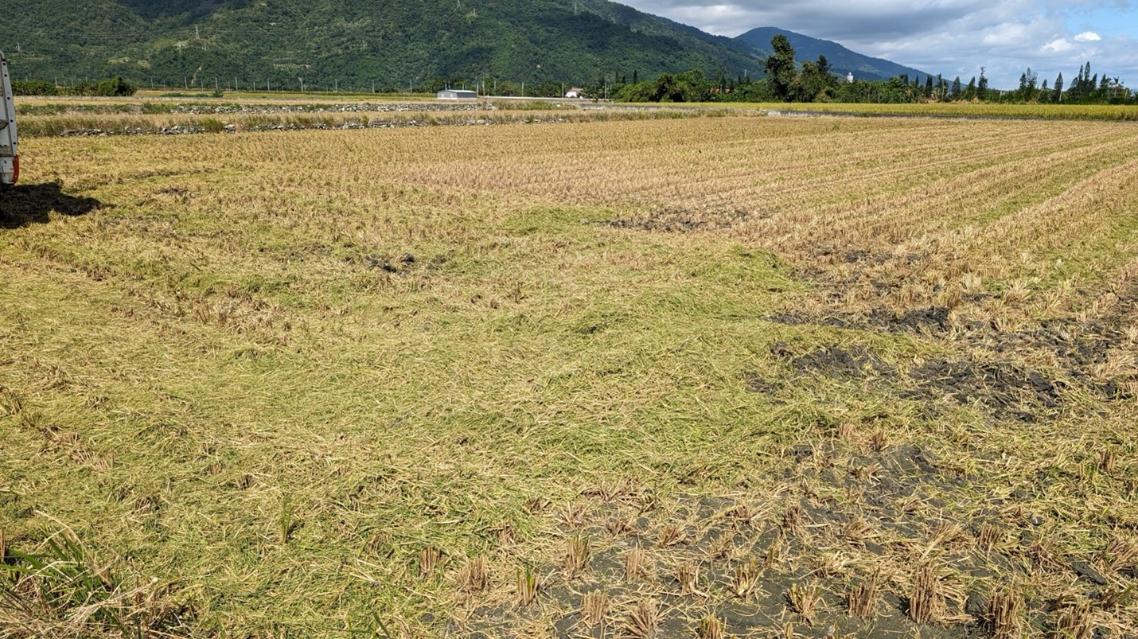
"Carbon farming" is formed by a series of changes in farming practices beneficial to soil microbes; it isn't something one method or input can achieve in the short term. So to see "carbon farming", you must observe at least one full farming cycle.
After harvest, some farmers plant green manure with no economic value, such as sesbania, sunn hemp or green-skinned soybeans; others plant buckwheat as an intercrop. In fact, planting soybeans and other legumes would also make a good intercrop, because if grown properly, legumes' root nodule bacteria fix nitrogen, providing natural nitrogen fertiliser and saving on artificial fertiliser. But under Taiwan's current fallow subsidy rules, only green manure with no economic value can be planted; soybeans, which have economic value and can enrich and add carbon to the soil, get no subsidy. Yet on the other hand, farmers are subsidised and encouraged to grow other grains (soybeans, wheat and maize). Why not encourage rotation, which would raise Taiwan's food self-sufficiency even more? (Note: Taiwan's food self-sufficiency by calories is only 30% — for an island nation, already a potentially serious national security crisis.)
Carbon farming and carbon reduction: a century-long plan typhoons can't blow away
Of course, rotation is also a good "carbon farming" method. In grain–legume rotation, nitrogen fixed by legumes can be used by grasses, and root nodule bacteria in the soil increase too — another good thing.
On 17 November, soil sampling was carried out in Changliang Village for "smallholder carbon farming", and the samples sent to TARI to test soil organic matter, which will show the results of the first year of carbon farming in 2023.
"Smallholder carbon farming" is Taiwan's first agricultural project to take part in international emission-reduction certification, now bringing together more than 300 smallholders and over 300 hectares. Its Gold Standard registry page is:https://registry.goldstandard.org/projects/details/3996
This certification covers not only Sustainable Development Goal 13, Climate Action. Besides certifying carbon credits, it also provides quantified certification for SDG 2 Food Security, SDG 3 Good Health and Well-being, SDG 4 Quality Education, SDG 8 Decent Work and Economic Growth, and SDG 12 Responsible Consumption and Production — six SDGs in all. The SDGs were adopted by the United Nations in 2015 and have become universal values in humanity's pursuit of sustainable development, setting out 17 goals, 169 targets and 247 indicators (92 of them environmental) to be achieved through international cooperation by 2030.
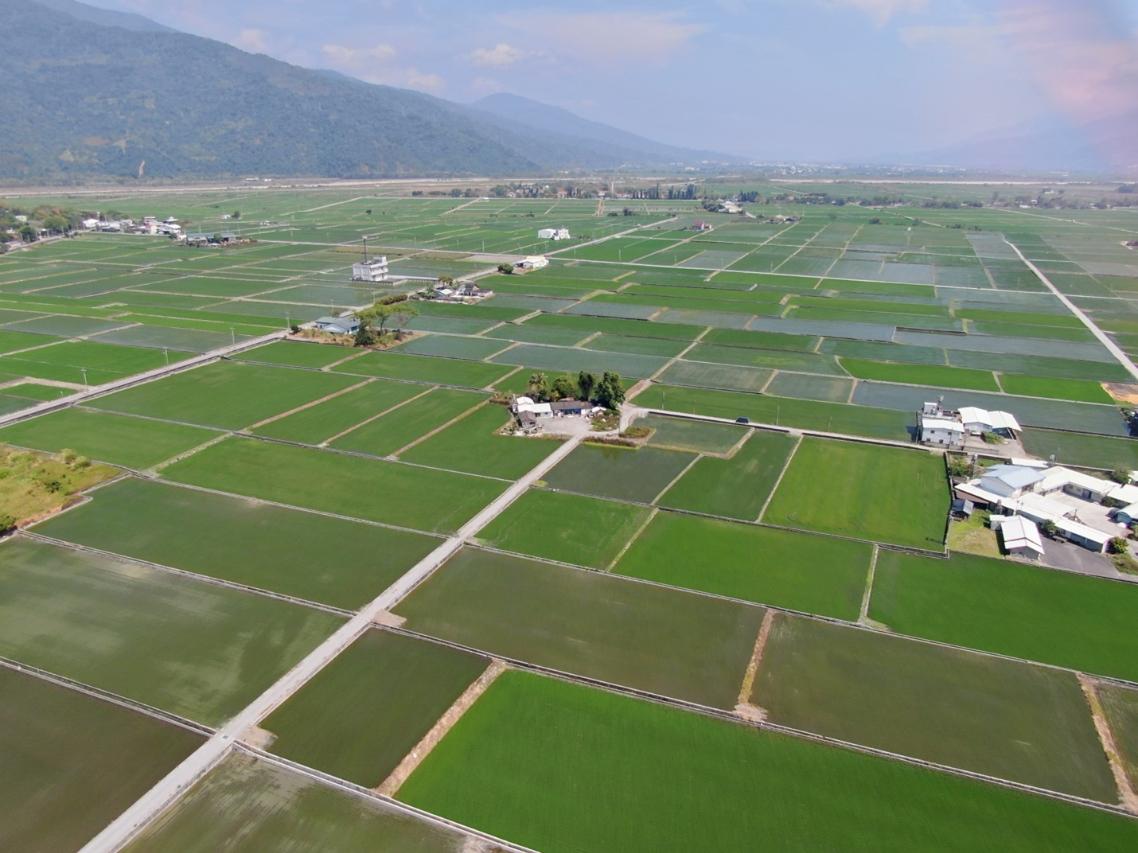
After this year's "baptism" by two typhoons, both yields and soil organic carbon will be negatively affected, but the smallholders carry on — after all, carbon farming and carbon reduction are a century-long undertaking.
The Green Consumers' Foundation supports the international "4 per 1000 Initiative": increasing soil organic carbon by four per thousand can defuse the global warming crisis, restore life to the soil, and solve the climate and food crises together. Eco-affinity Inc. is responsible for promoting the "Smallholder Carbon Farming Project", helping bring smallholders together to change or strengthen existing farming practices, increasing soil organic carbon without reducing yields, as the target of emission-reduction certification (how many tonnes of carbon sink can be added per hectare per year compared with the 2023 base year).
Eco-affinity Inc. has also launched the MiHuMiSang app, letting every smallholder use their phone to take photos, check in and upload their production records. It is a free mobile app for smallholders and consumers, designed to give smallholders a convenient, easy way to record their production process and to set their own prices, list and sell their products. Consumers can also easily find smallholders, see their work records, and buy directly from them or become friends. Every smallholder on the platform has been visited in person by Green Consumers' Foundation staff or volunteers to confirm their authenticity, ruling out anything false.
The "Smallholder Carbon Farming Project" currently being promoted follows the Clean Development Mechanism of the UN Framework Convention on Climate Change and the methodologies of international emission-reduction certification bodies, helping smallholders carry out agricultural carbon reduction, with international voluntary emission-reduction certification and carbon credit trading.
Source: CM Media ( https://www.cmmedia.com.tw/home/articles/43547 )


