 努力小農
本文尚無譯文。
A carbon-reduction model combined with organic regenerative agriculture: reflections on COP28 from afar
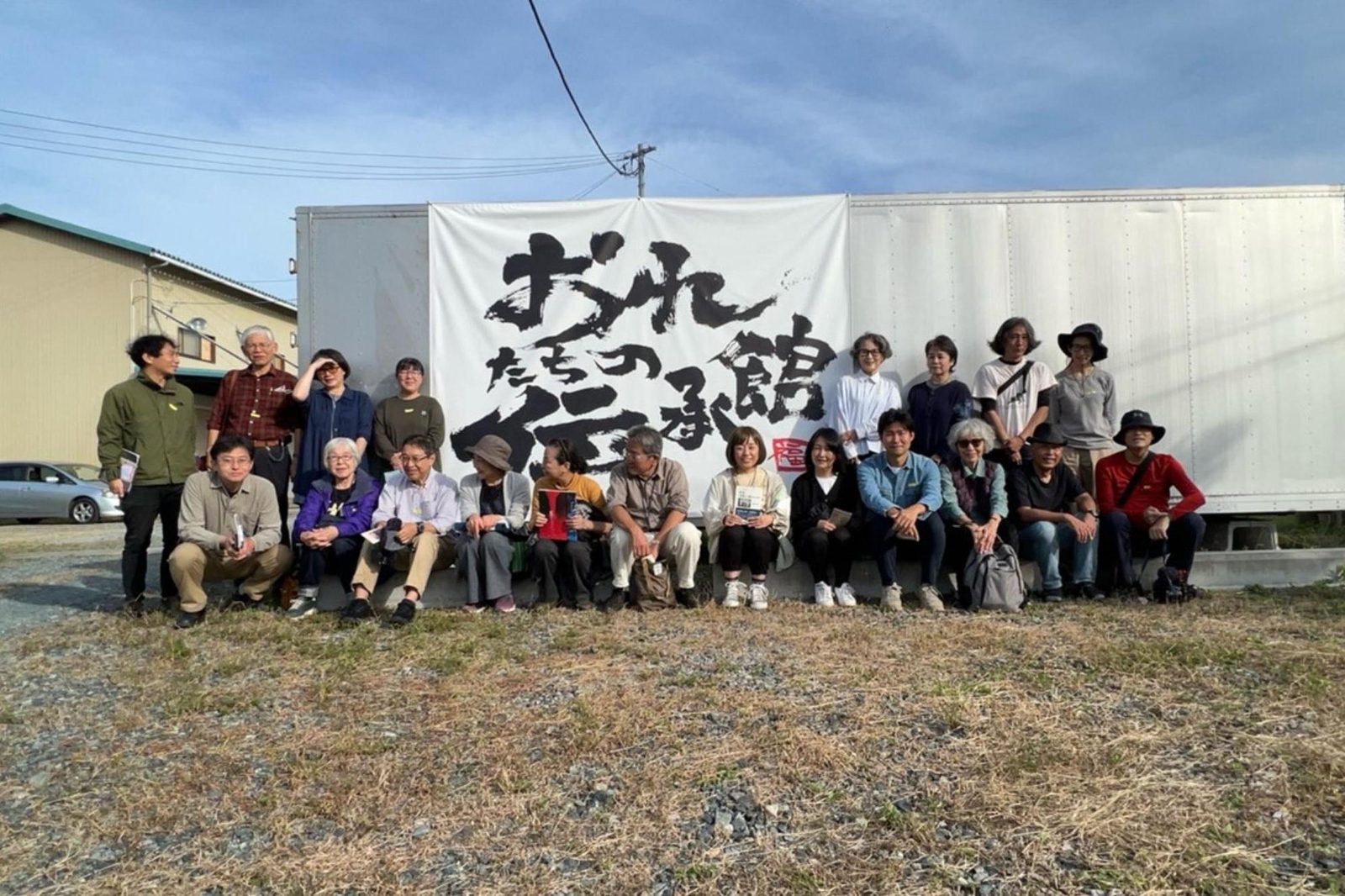
In October this year I joined a Japanese environmental group's study tour to Fukushima, visiting "Oretachi no Denshōkan" (Our Folk Museum) to learn about the current situation of local residents and farmers and discuss the future of nuclear power.
COP 28 is being held in Dubai in the UAE, a place that is anything but sustainable — awkward and magical realist. Critics have long said that without all these COPs, global warming would have been solved long ago.
Indeed, COP is the global politicians' annual year-end ritual of repentance to Mother Earth. They fly in by jet and fly out by jet; the wars to be fought are still fought, the oil to be grabbed is still grabbed. Carbon reduction: important when talked about, secondary when it comes to action, and dropped altogether when busy.
COP is short for the Conference of the Parties to the UN Framework Convention on Climate Change (UNFCCC), and is also American slang for "police". The COPs keep getting bigger — like a vicious cycle in which more police means more criminals and more criminals means more police.
Since I observed countries signing the UNFCCC at the 1992 Earth Summit, the only guarantee has been that every meeting brings a little more global warming, like boiling a frog slowly. Or to use another metaphor: it's like a diabetic who can't control their mouth or move their legs, eating and drinking frantically every day, only getting worse — like the grandma in TV ads for diabetes supplements: first losing feeling in the limbs, then necrosis of peripheral blood vessels and nerves, kidney failure and dialysis, amputation, and finally death from multiple organ failure.
Why do Japan, South Korea, Taiwan and China still refuse to give up on nuclear power?
In October this year in Japan I met with Japanese groups concerned about Fukushima, and we discussed why Japan, South Korea, Taiwan and China still won't give up on nuclear power. Everyone was anxious about the future. I played contrarian and suggested something that might be humanity's salvation. These four countries have all been under the thousand-year control of Chinese Confucian culture — really a system of rites created to consolidate imperial power, reflected especially in our education systems: "all pursuits are lowly; only study is lofty". And what is learned from reading the sages' books? "In books there are houses of gold; in books there are beauties like jade"; "ten years of hard study unnoticed, then one success makes you famous throughout the land" — all only for wealth and sex.
"If we see through this, we can understand why today's PhD and professor officials are constantly embroiled in corruption and affair scandals — it's a systemic problem. Western civilisation is the same, only a little slower. And Japan, Korea, China and Taiwan all face population decline from ageing and falling birth rates. These four 'advanced countries' on the Pacific earthquake belt will soon face even bigger nuclear disasters, because nuclear plants are ageing too and face shortages of new talent. Add earthquakes, and these decrepit plants that can't be decommissioned will have accidents every few years. And the politicians in power can take no responsibility at all. Just wait and see: whenever there's an energy crisis and a nuclear revival, there will be a nuclear disaster to teach humanity a lesson. I believe we'll live to see the next, even bigger nuclear disaster."
When I finished, my Japanese friends looked at each other. Clearly they didn't agree with me, but they couldn't refute me either, because everything I said was fact that everyone could see — they just hadn't connected the facts. Yet the more you think about it, the more frightening it is. Who can avoid such questions?
Science fiction films often reflect the real world. In the 1930s, still the era of black-and-white silent films, there were phones and watches you could talk into. More and more sci-fi films proclaim scenes of the Earth's doomsday, effectively foretelling the end of the road for the UNFCCC.
Having seen so many depressing environmental problems, rather than curse the darkness around us, it's better to light a small candle. That's why I started MiHuMiSang in 2020 and the "Taiwan Smallholder Carbon Farming Project" in 2022, because I believe only real, traceable information enables effective management, bringing environmental safety, agricultural safety and food safety together to be handled as one.
After more than three years of building connections, over 300 smallholders now take part in the "Taiwan Smallholder Carbon Farming Project", letting them reduce carbon through their own production, living and ecology, and bringing grassroots vitality into the field of international carbon reduction.
Organic, circular and regenerative farming, combined with carbon reduction, can bring new vitality to Taiwan's agriculture. Facing the challenges of transformation in global supply chains, Taiwanese companies must abandon high-energy, high-pollution, high-risk industrial models and reduce carbon across the life cycle, while also investing in high-quality, highly transparent carbon and in ESG (environmental, social and governance). We must re-examine the dirt (soil) we have always looked down on, and reposition "soil" as the source that nurtures life.
World Soil Day 2023 emphasised that soil and water are a source of life.
This year's World Soil Day, with the theme "Soil and water, a source of life", offered the following messages:
Soil and water are fundamental resources sustaining life on Earth
1. Soil and water provide the foundation for food production, ecosystems and human well-being. Recognising their invaluable role, we can take active steps to protect these resources for future generations.
2. Soil erosion and compaction undermine the soil's ability to store, drain and filter water, and increase the risk of floods, landslides and dust storms. Soil and water are the medium through which plants grow and obtain essential nutrients.
3. Healthy soil plays a key role as a natural filter: as water seeps into the ground, it purifies and stores it.
4. Rain-fed agricultural systems account for 80% of cropland and contribute 60% of global food production; these systems depend heavily on effective soil moisture management. Irrigated agricultural systems draw 70% of the world's fresh water and account for 20% of cropland.
Soil and water are interdependent resources that need integrated management
1. Soil health and the quality and availability of water are interconnected.
2. Implementing sustainable soil management practices can increase water resources for agriculture.
3. Healthy soils rich in organic matter play a key role in regulating water retention and availability.
4. Using good-quality water efficiently, promoting sustainable use of fertilisers and pesticides, adopting appropriate irrigation methods, improving drainage, controlling water pumping, and monitoring soil and groundwater salinity are vital to sustaining sustainable agricultural practices.
5. Sustainable soil management is key to improving the water productivity of irrigation systems.
Poor soil and water management practices affect soil erosion, soil biodiversity, soil fertility, and water quality and quantity
1. Water scarcity leads to loss of soil biodiversity, while leaching and eutrophication from agricultural practices lead to loss of aquatic biodiversity.
2. Poor management of pesticides and fertilisers not only threatens soil and water quality but also poses major risks to human health and ecosystems.
3. Poor irrigation and drainage practices are the main drivers of soil salinisation.
4. Sea-level rise causes land loss and increases the risk of soil salinisation and sodification, which may harm agricultural productivity.
Protecting soil and water helps climate change mitigation and adaptation
1. Improving soil and water management can increase land's resilience to extreme climate events such as droughts, floods and dust storms.
2. Integrated soil and water management practices provide essential ecosystem services that support life on Earth and enhance ecosystem resilience.
3. Healthy soils can act as carbon sinks, absorbing carbon from the atmosphere and contributing to climate change adaptation and mitigation efforts.
Original link: https://www.fao.org/world-soil-day/en/
After reading these messages, isn't it time to get up and act?
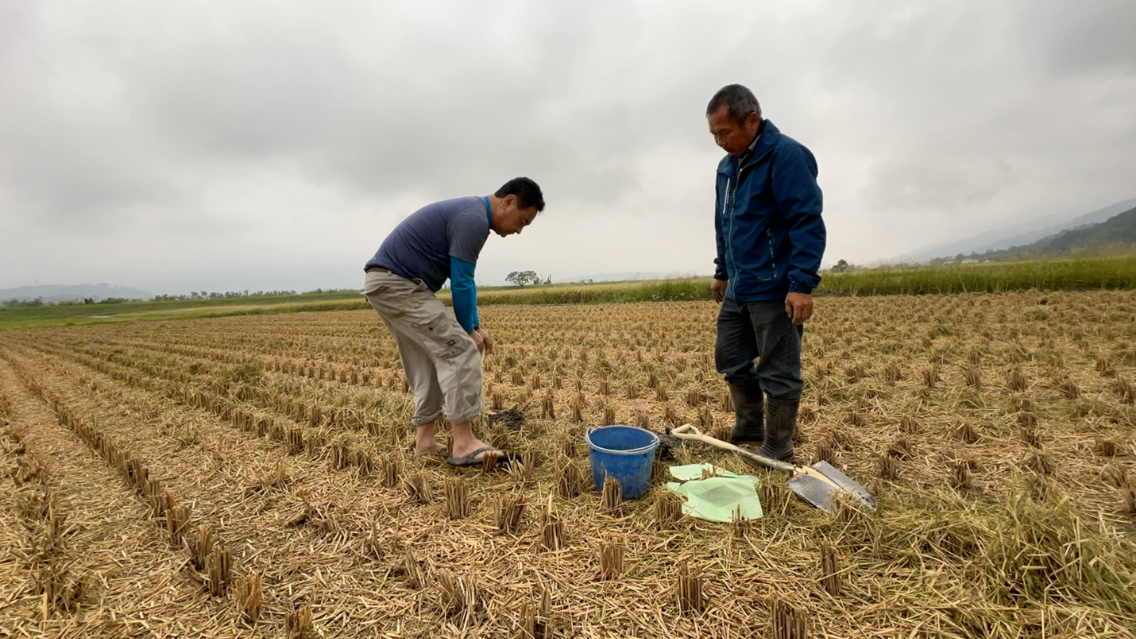
Time-lapse of sampling in the fields with smallholders.
You're welcome to order the "Changliang Carbon-Reduction First Rice" from Eco-affinity Inc. Companies can also contact us to convert the quantified certification of the "Taiwan Smallholder Carbon Farming" sustainable development goals into a corporate ESG investment portfolio, working with smallholders to create a net-zero, win-win future together.
If you'd like to know more, click the link below and contact us:
https://forms.gle/ZSu3Q8K3ntWZahfG6
Source: CM Media ( https://www.cmmedia.com.tw/home/articles/43937 )


