努力小農
本文尚無譯文。
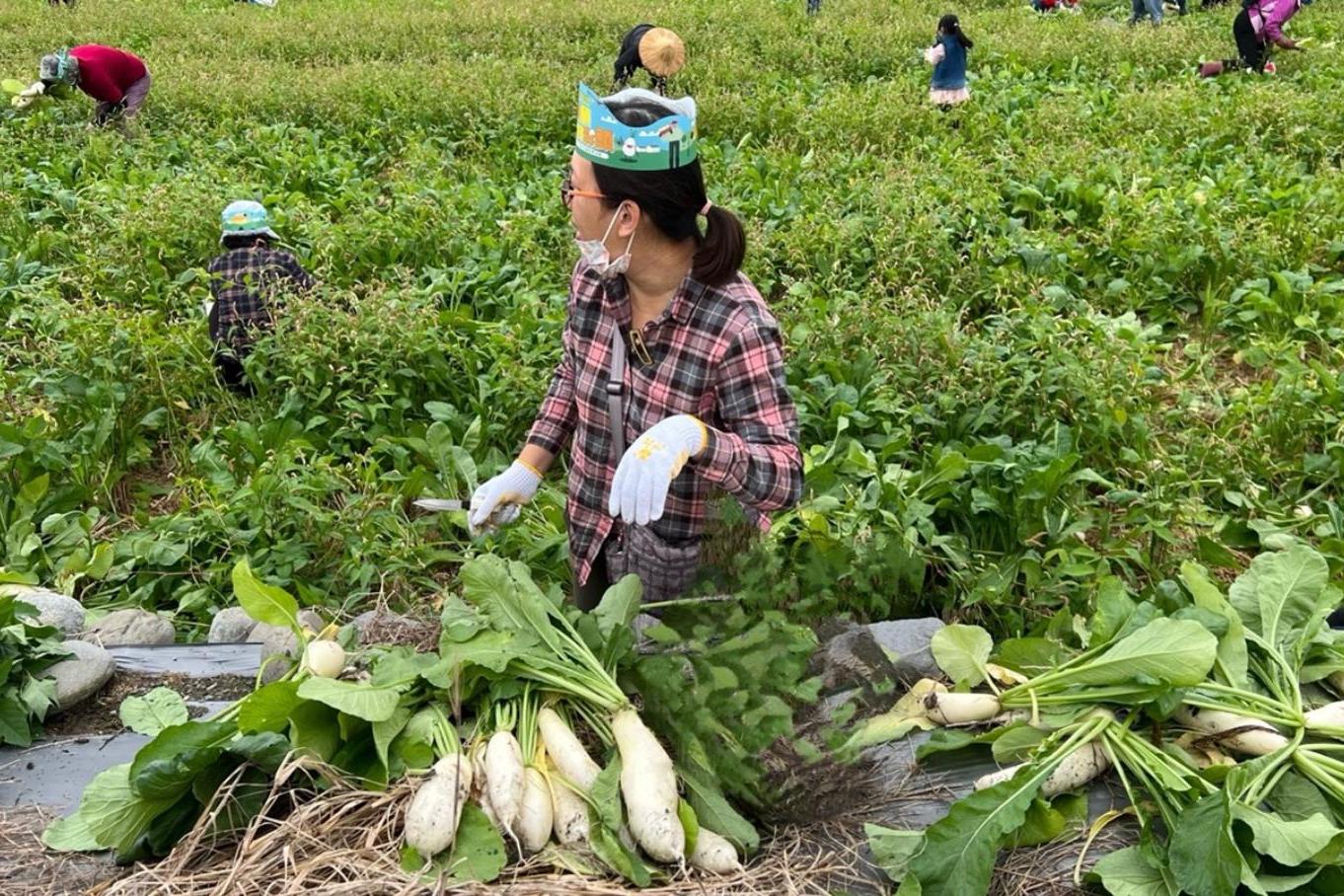
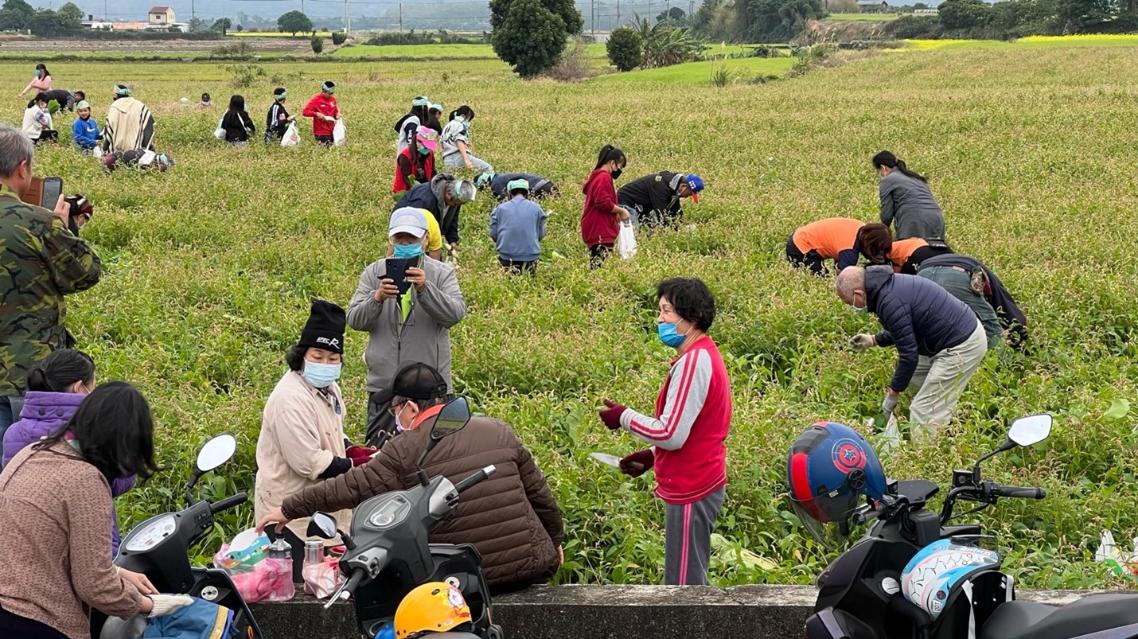
2024 Hualien Yuli Radish Festival: adults and kids pull radishes together this winter break
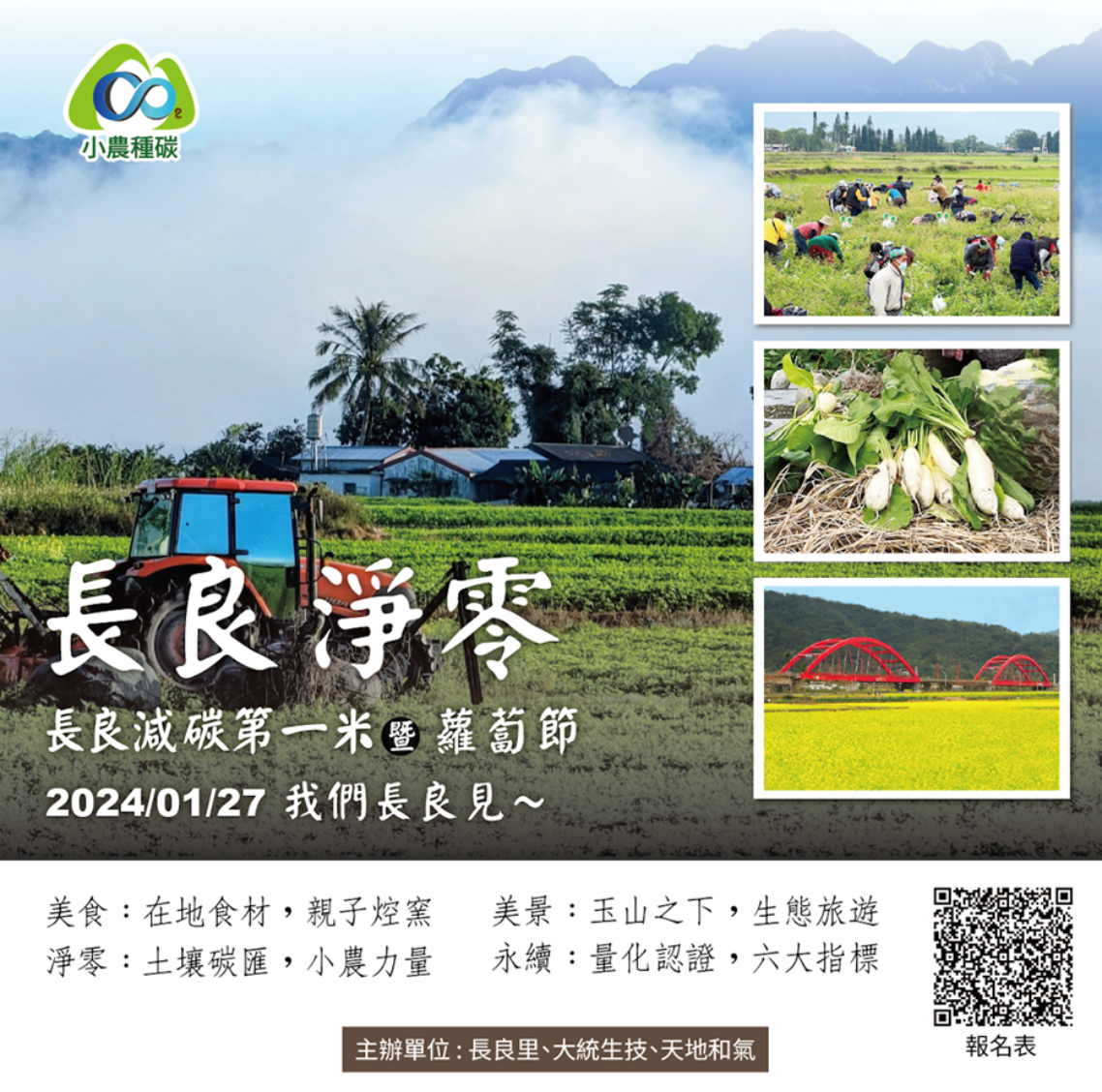
The 2023 Radish Festival was fun for all ages. The 2024 festival will add elements of smallholder carbon farming and soil carbon sinks, making it more entertaining and educational and turning the fields into an ecological classroom.
International media report that this year is the hottest in 100,000 years. To fight warming we must cut carbon to net zero immediately to keep the Earth cool. Changliang Village in remote Yuli, Hualien — whose name sounds like "long-cool" — may be Taiwan's first step towards staying cool.
Fight warming with Changliang ("long-cool")
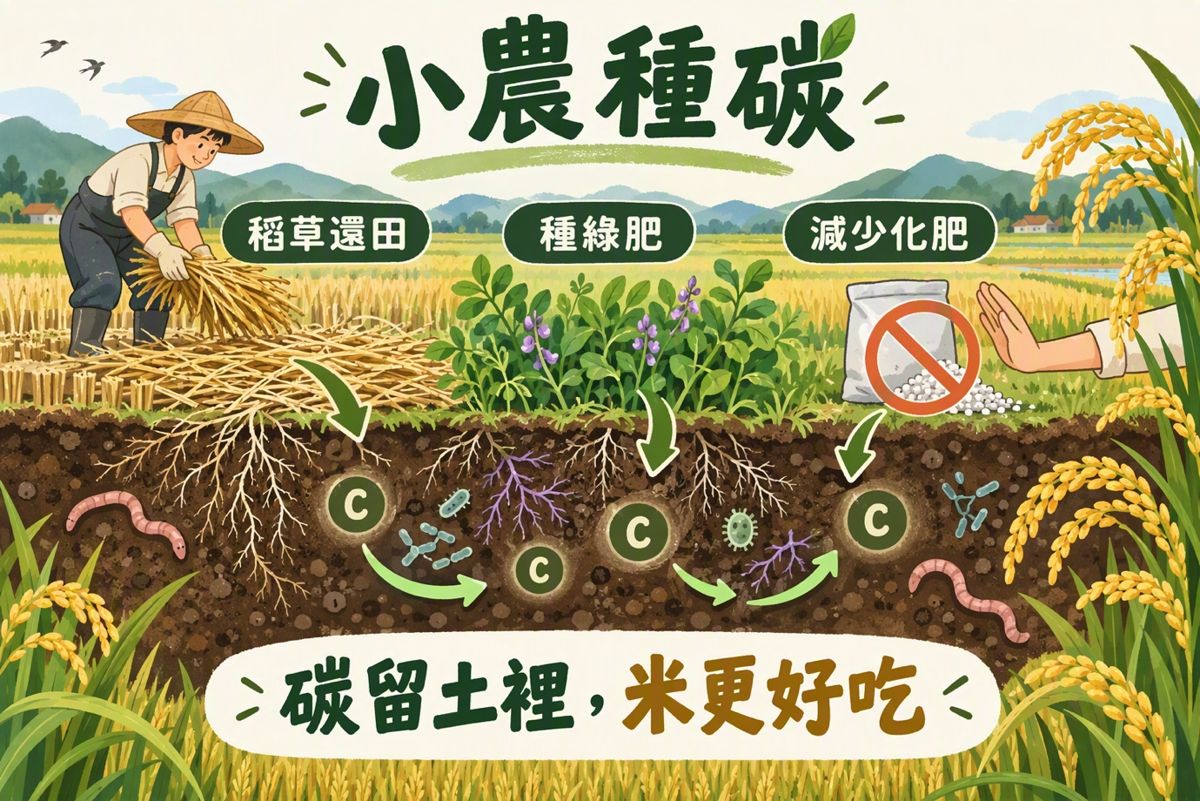
Changliang Village will hold its annual Radish Festival on 27 January 2024. This time is different: in 2023, Changliang's 150 jia of farmland became Taiwan's first and largest area to undergo international soil-carbon-sink emission-reduction certification. At the end of the year, celebrating the harvest season, the village will also show the results of the international voluntary emission-reduction project it has run for more than a year, explaining how Taiwan's smallholders carry out the Taiwan Smallholder Carbon Farming Project. If Changliang can do it, smallholders all over Taiwan should be able to — and of course large farmers even more so.
Why Changliang? It all came about through remarkable coincidence — perhaps it was fate. Chiu Chui-chuan, born in the 1960s, grew up in Changliang and after university went abroad to work in Japan, China, Thailand and elsewhere. In 2019 his mother fell ill, so he returned with his wife and two sons to care for her. After she passed away that September he planned to leave again, but stayed on to care for his elderly father. Then COVID-19 broke out in early 2020, and he stayed in Changliang and began learning to farm.
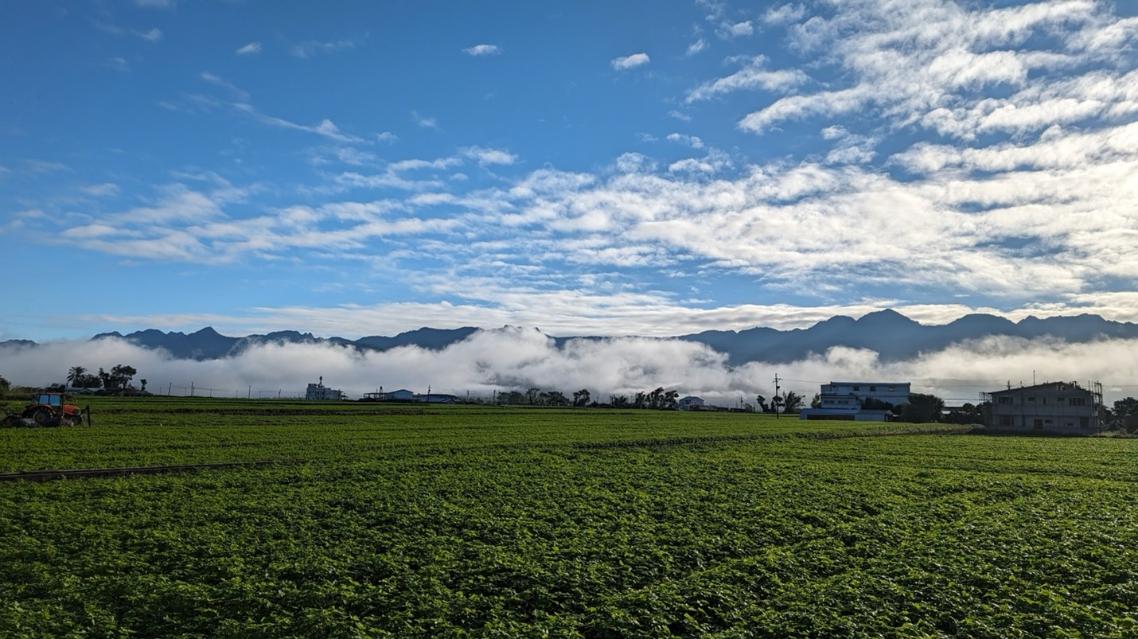
On winter mornings in Changliang, the sun rises over the Coastal Mountain Range to the east, wreathed in mist.
In early 2022, Chiu learned that the Taiwan Smallholder Carbon Farming Project was recruiting smallholders. On 4 May, together with young Fuli farmer Su Chun-lung (Chiu happens to be a classmate of Su's mother), he was among the first to join, becoming Taiwan's carbon farmers No. 1 and No. 2. Chiu says that having worked and lived abroad he was used to keeping pace with the world; back in Hualien he felt cut off, and joining smallholder carbon farming connected his farm work with the world again.
Chiu felt that rather than farm carbon alone, he should persuade the villagers to join. He introduced me to village chief Chen Wen-hua, who also leads Changliang's Second Quality Rice Production and Marketing Group, and to Huang Cheng-hsien, head of the Third Group, and his successor Chu Yen-lun. I carefully explained what carbon farming is, and the more I explained the more confused they got. I suspect they thought I might be a con man — but signing up cost nothing and there was no penalty for withdrawing, and with Chiu's lobbying and encouragement, the two groups' 150 jia of farmland joined the Taiwan Smallholder Carbon Farming Project together, at the Changliang Radish Festival on 8 January 2023.
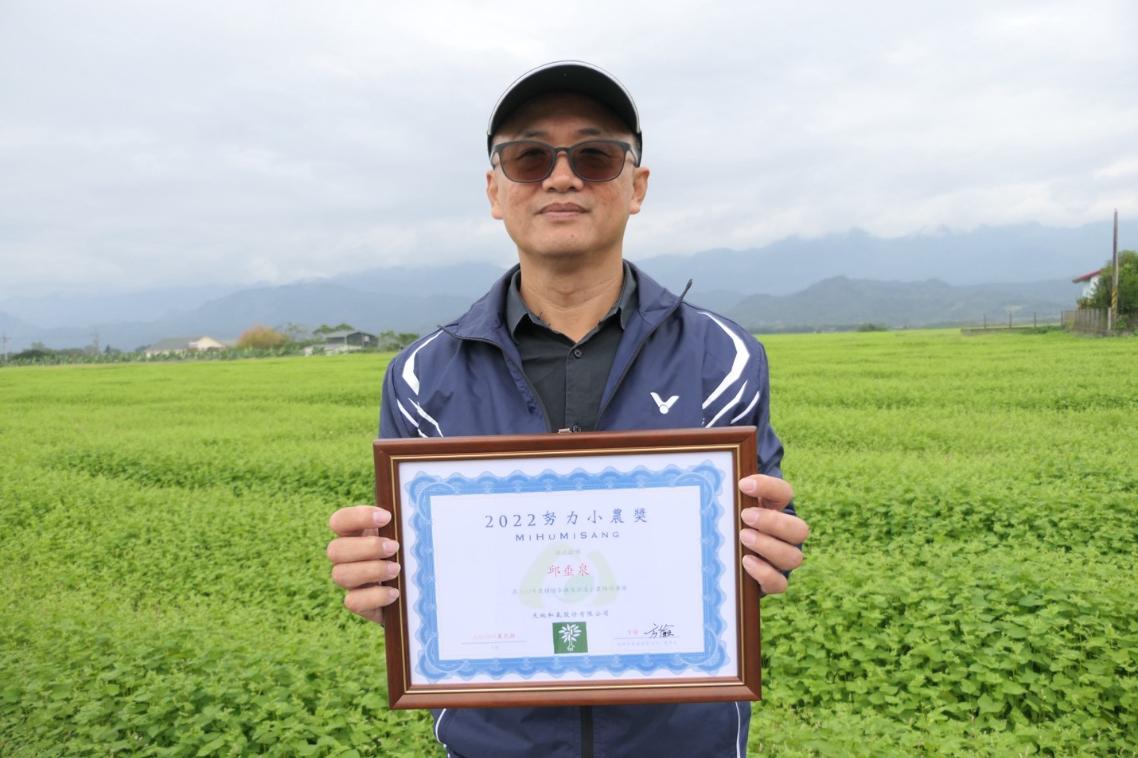
Chiu Chui-chuan came home from abroad to farm and became No. 001 of the Taiwan Smallholder Carbon Farming Project; he also received the 2022 MiHuMiSang Award. Carbon farming has connected him with the world again.
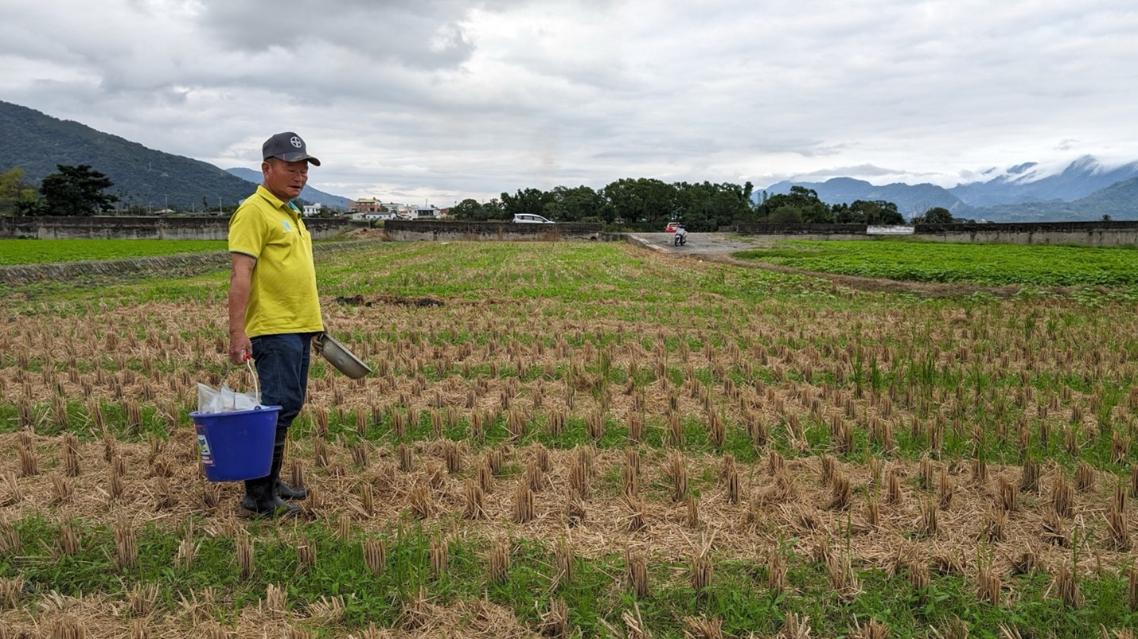
Measurements on this one-hectare experimental field of Changliang village chief Chen Wen-hua showed an increase in CO2 sequestration of four per thousand in a single year. We will continue in order to verify that smallholder carbon farming can achieve net-zero agriculture.
After that I went to Changliang almost every month, staying at Huang Cheng-hsien's Changliang Leisure Homestay, getting to know the villagers, becoming friends, and gradually rolling out the carbon farming plan. Changliang had long used chemical fertilisers and pesticides; the villagers knew the land was getting worse and they could only use more fertiliser and pesticides. To farm carbon you have to increase soil organic matter, and moving towards organic is the necessary path — but organic farming often means lower yields due to insufficient fertility and pests, so most people hold back. This July we demonstrated on the village chief's one-hectare field using Datong Biotech's bio-organic fertiliser. Unexpectedly, even after two typhoons this experimental field yielded 10 ge — 10,000 catties of dry paddy per hectare — and soil sampled and tested under the Gold Standard's international certification rules showed sequestration of 66 tonnes of CO2, in line with the international expectation of four per thousand.
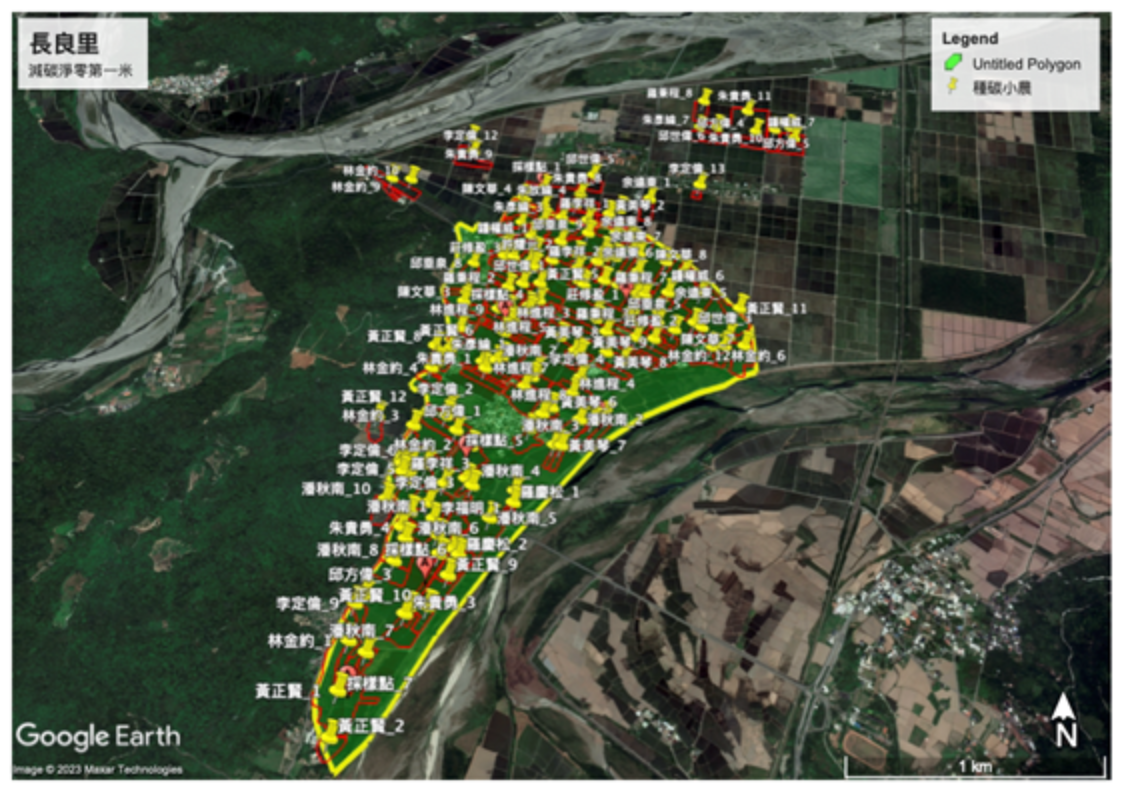
Changliang's 150-jia carbon farming demonstration area welcomes everyone to visit and give feedback.
Many people are curious about or doubt why this one-hectare experiment defied Taiwanese experts' expectations of lower yields and one tonne or less of sequestration. Frankly, we simply adjusted cultivation following internationally recognised methods and used biological organic inputs. Organic matter in the 0–20 cm soil didn't increase, possibly because of the typhoons; the 20–50 cm soil increased by four per thousand, which for one hectare is 66 tonnes of CO2 equivalent. Everything was done strictly to international standards, and anyone is welcome to inspect and challenge it. We hope the Changliang experience can be replicated.
This November, Datong Biotech and I decided to support Changliang's 2024 Radish Festival and disclose the entire carbon farming process on site for the public to witness. We also decided to expand the bio-organic fertiliser experiment by another 20 hectares, and welcome people from the public and private sectors to take part and bear witness. Whatever the results, we hope to find the mechanisms that increase soil carbon sinks and copy them elsewhere.
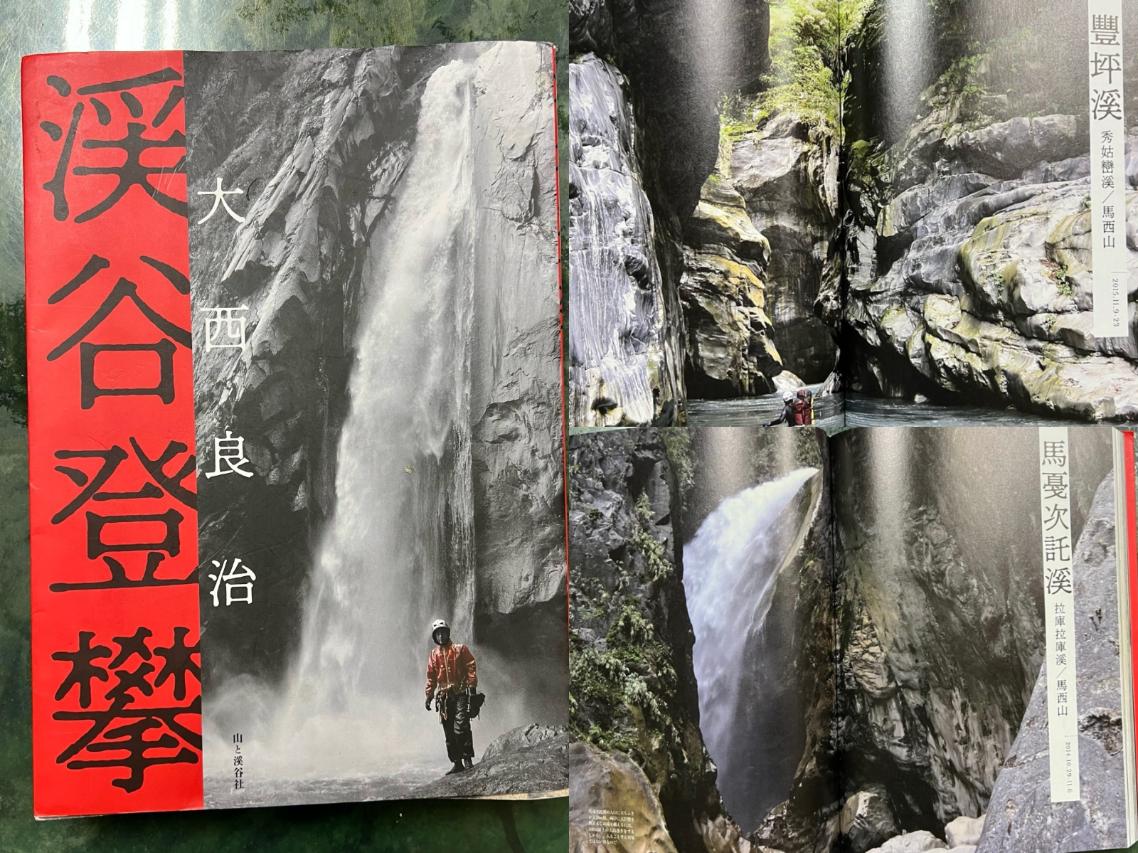
The Japanese book Canyoning lists the gorges of Japan and Taiwan and ranks the canyons of the Xiuguluan and Lakulaku rivers near Changliang as world-class — yet few in Taiwan know of them. Such world-class natural landscapes could be part of future low-carbon ecotourism. (Image: from Canyoning)
It has to be tasty and fun
Changliang is unfamiliar to most people. Unless you are hiking the Yushan Batongguan Historic Trail, it is very easy to miss as you pass through the Huadong Rift Valley by the Hualien–Taitung railway or Provincial Highway 9. It is a small village of clear streams and green hills, formerly called Jiuzhuang and renamed Changliang under Japanese rule. Originally the traditional territory of the Bunun and Amis peoples, it was settled from 1829 by western plains indigenous people who came from Pingtung via Beinan in Taitung, followed by Hoklo and Hakka farmers and veterans from mainland China, forming a multicultural community that is a microcosm of Taiwan.
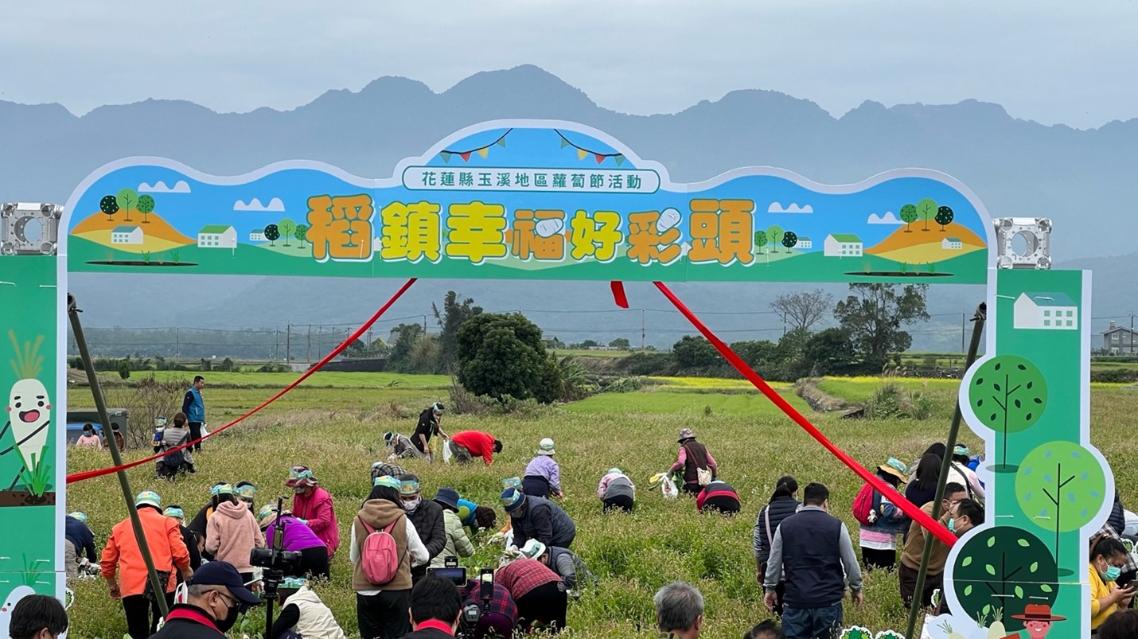
In nearly 200 years of history, Changliang once flourished on forestry and mining, with several thousand residents. According to Yuli Township household registration statistics for November 2023, Changliang has 294 households and 666 people — 376 men and 290 women — including 261 plains indigenous and 69 mountain indigenous residents. It is a gradually dwindling village. Through smallholder carbon farming and international certification of six additional Sustainable Development Goals, we hope to bring new life to it — above all to lift the villagers' morale and give them great pride in the rice they grow.
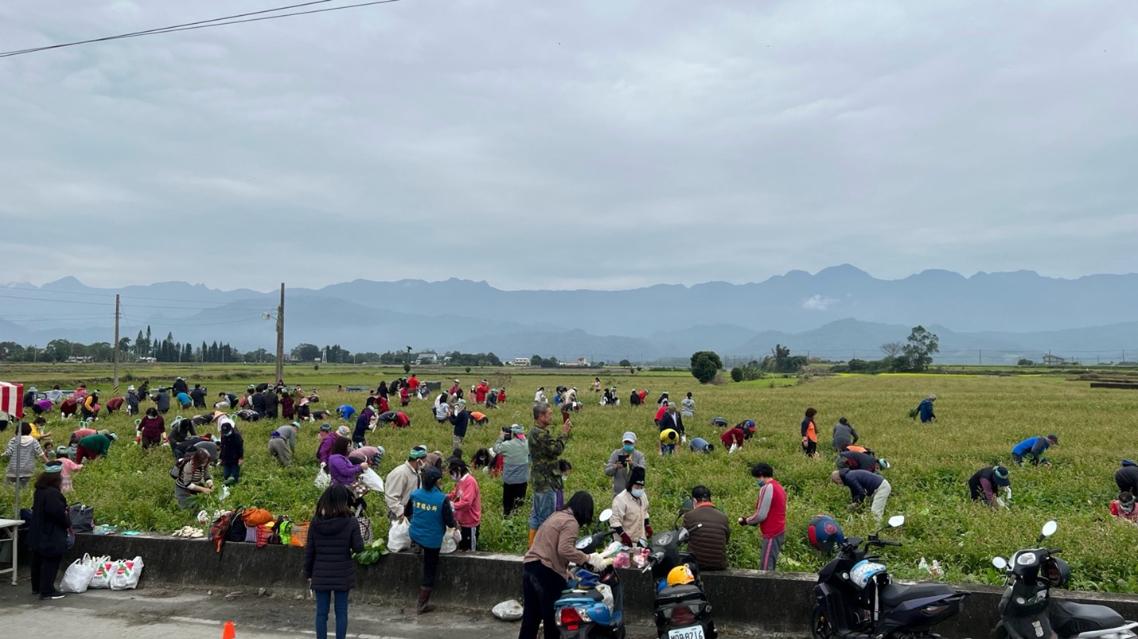
So besides the traditional radish pulling, radish cake and radish soup, we've added kiln-baked sweet potatoes, corn and other local produce, as well as tastings of locally grown rice. Taiwan has many rice varieties, each with its own strengths, and we hope to find the varieties best suited to Changliang, securing sales and yields so farmers' incomes rise.
At the earth kiln, Liu Chin-hung, head of the Grassroots Consciousness Studio who has long promoted biochar, will demonstrate how biochar is made, how biochar increases soil organic carbon (carbon farming), and how, combined with bio-organic fertiliser, it helps reach net zero.
27 January is two weeks before Lunar New Year; primary and junior high schools start winter break on 20 January, and the presidential and legislative elections will have ended two weeks earlier. The event is ideal for parents and children to learn and experience together; if you're interested, why not plan a two- or three-day trip to Hualien and Taitung. To keep the venue clean and orderly, adults are charged a NT$200 venue fee, which includes a kiln gift pack, limited to 200 people; students and children are free.Sign up now。
[MiHuMiSang: 2024 Hualien Yuli Radish Festival — adults and kids pull radishes together this winter break]
Source: CM Media ( https://www.cmmedia.com.tw/home/articles/44222 )