努力小農

本文尚無譯文。
Beware the "chewy" additives we eat
Humans have eaten bread for centuries, but since wheat was bred and "improved", more wheat-based foods have caused gluten-sensitivity symptoms in many people.
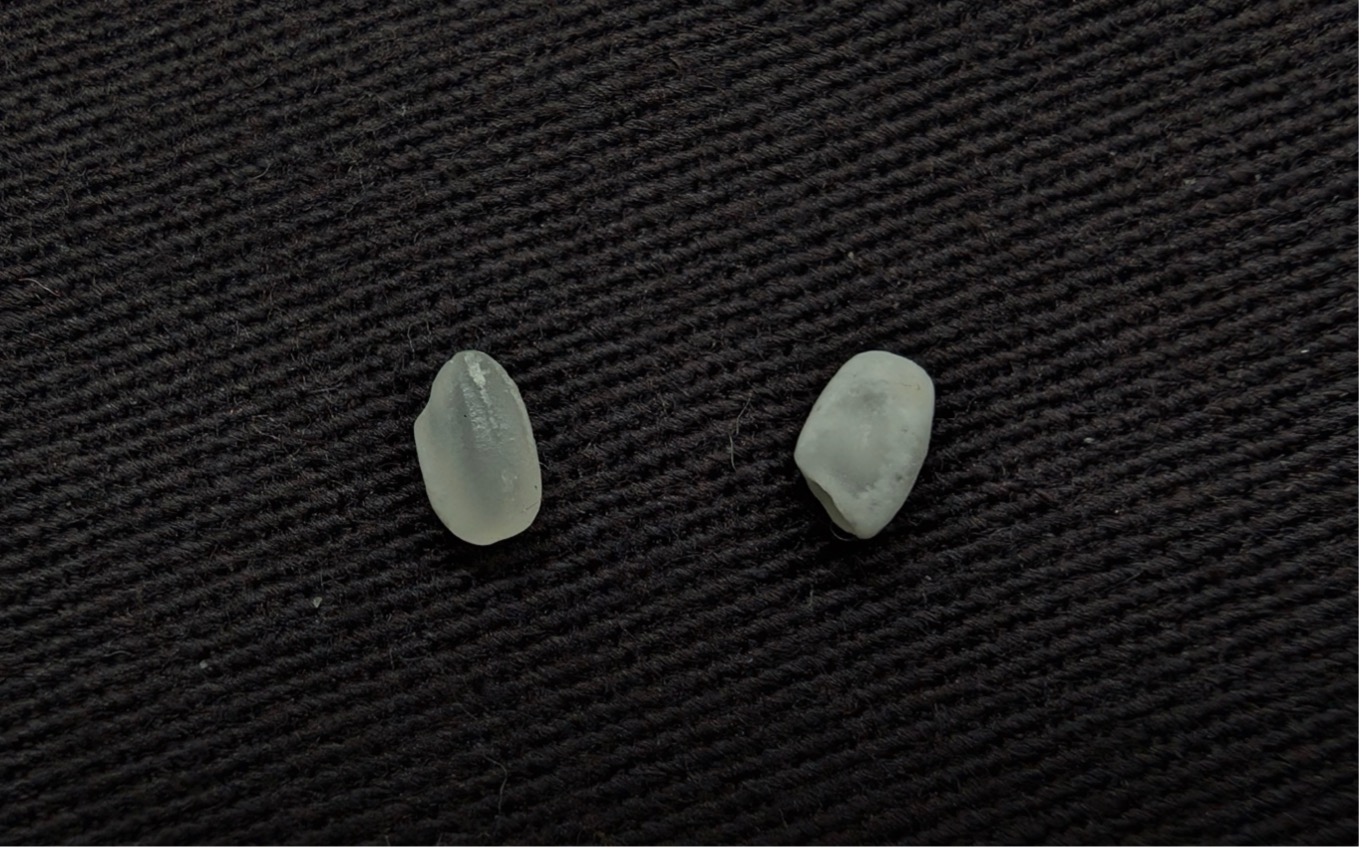
I recently saw a news story that McDonald's chicken nuggets taste different because phosphates were removed from the global nugget recipe — yet Taiwanese consumers cried that "it's not the same anymore", because the nuggets had lost their bouncy, chewy "Q" texture.
"Q" = delicious?
Taiwanese love food that is "Q" (springy and chewy) and melts in the mouth, and dislike chewing. This is a hidden public-health worry, because these admired textures — springy, silky, soft and fluffy — are not the natural taste of normal food. Young people in particular no longer know what food really tastes like, and instead take unhealthy foods for delicacies. It is like the "Kingdom of Rakshasas" of gastronomy, where ugliness is beauty and beauty ugliness. Perhaps foreigners in Taiwan, out of novelty or politeness, call Taiwan a "kingdom of gourmet food", and Taiwanese have come to believe it, deepening this national movement of "taking ugliness for beauty".
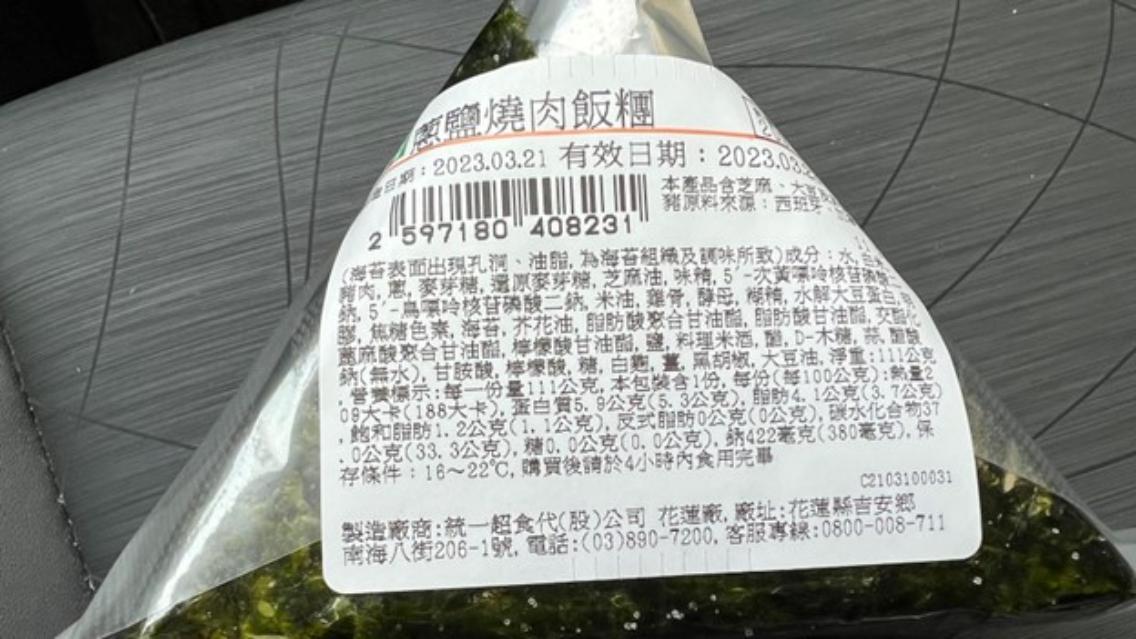
With the government (and manufacturers), you can rest assured. Didn't do well in chemistry? No matter! Dense lists of chemical names — all "legally" added. But do they agree with your body?
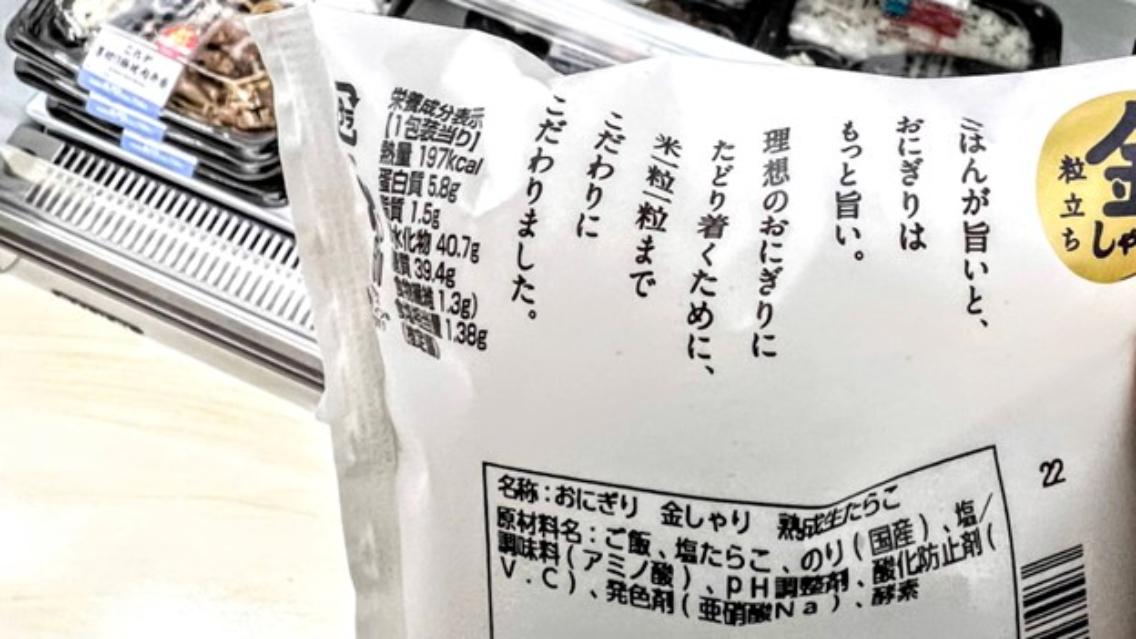
Japan is the birthplace of MSG. In recent years Japanese convenience stores have started reducing unnecessary additives (keeping those needed for food safety and cutting seasonings). Taiwanese tourists may find the food has "got worse", because there's less MSG.
The effects of this movement are everywhere to be seen — the overweight people walking the streets, and the forests of "dialysis" advertising signs in every township. After all, in Taiwan, "labour insurance plus health insurance — all you can eat for 499".
Thirteen years ago I found I had high blood sugar, high blood pressure and high blood lipids (the "three highs"), and weighed over 80 kg. Like many people, I went to hospital outpatient clinics regularly for chronic-disease prescriptions and took medication for more than three years. My health went from bad to worse — I was even short of breath walking — and I became psychologically dependent on the drugs. After all, I'd paid the maximum labour and health insurance premiums for 30 years, so why not use them?
To understand my own metabolism, ten years ago I started using a glucose meter, testing five times a day — fasting in the morning, two hours after meals, and before bed — and recording what I ate at every meal and snack. Comparing them, I found that the more additive-laden food I ate, the higher my blood sugar spiked and the harder it was to bring down. So I concluded I should avoid processed food; for half a year I even ate only two meals a day of boiled vegetables and walked briskly for two hours daily, bringing my weight and the three highs under control. (Note: everyone's constitution differs and the author's case cannot be generalised; readers should manage their own health and refer to medical professionals' advice or prescriptions.)
Ten years ago I also happened to be setting up a "food authenticity laboratory" in Shanghai for a listed testing company, handling countless food samples every day and learning much more about the ingredients of processed food. Besides some necessary preservatives and sterilising agents, there are countless chemical preparations. Learning about them one by one, I realised that what are collectively called "food additives" are "hooks" merchants use to attract consumers. Once the memory of sight, taste and smell is triggered, consumers can't help buying and eating — like drug addiction.
No food is naturally uniformly "Q"
Natural food is not uniform. The sunny side of an apple is sweeter than the shaded side because sugar is distributed differently. Sugarcane growers all know that cane at the head of the field is sweeter than at the tail. Even in the same field, with the same variety and the same cultivation, there are differences — so how could crops, livestock and seafood from different places and seasons taste the same?
Even Coca-Cola tastes different in different producing regions because of different water sources, though few except professionals can tell. McDonald's advertises "one taste worldwide", using large amounts of flavouring additives to deceive consumers' taste buds so that things with different flavours "taste the same".
Forty years ago I rode my motorbike to night markets all over Taiwan, and you really could eat authentic local snacks everywhere. In recent years the character of night-market snacks has been completely lost. Making food in-house is expensive, so vendors buy "uniform food" produced by so-called "central kitchens" — the same as in the cities, all identical, even opening nationwide chains. I've lost all interest in eating at local night markets.
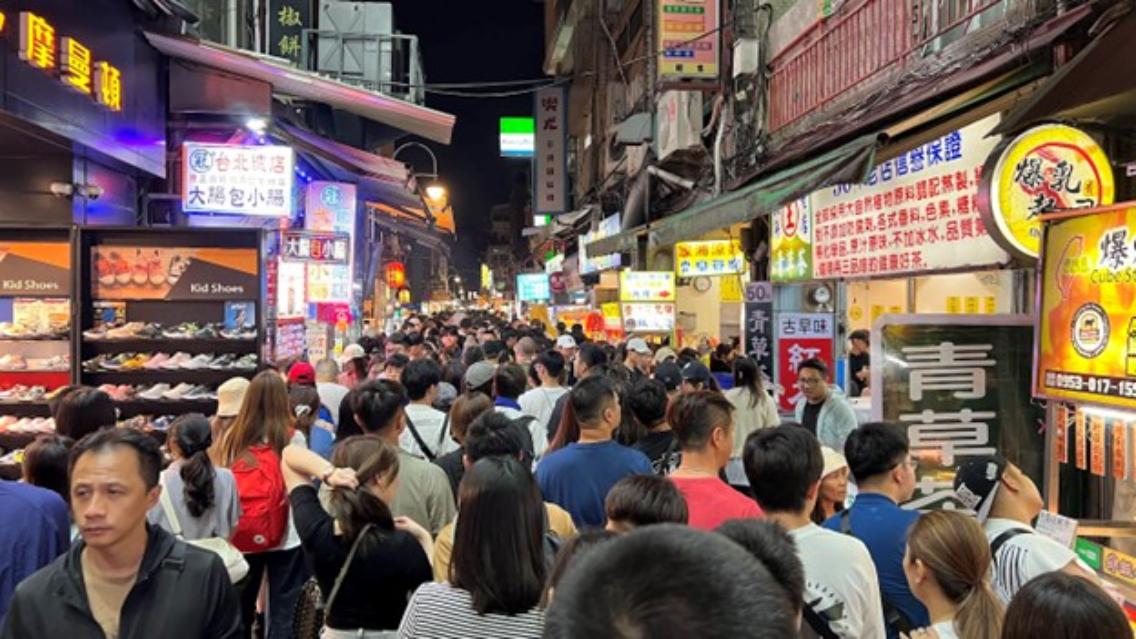
In recent years night-market "delicacies" have been unified by so-called central kitchens. With prices and raw-material costs rising, outsourcing is cheaper than making it yourself, and night markets everywhere have become as homogeneous as the souvenirs at scenic spots — all from one factory, one mould. Of course, "tech and ruthless" additives have played a great part in this "great unification".
All of this is thanks to additives, which have also unified the taste buds of people on both sides of the Strait. In Chinese cities I often smelled the irresistible aroma of Taiwanese bread, which reminded me of the glory days of "Panda Man" bakery on both sides of the Strait — it seems "same race, same smell" is true. Additives let some people turn rot into magic and get rich overnight.
MSG was one of humanity's great 20th-century inventions. Umami (うま味), savouriness, is an unforgettable taste beyond sour, sweet, bitter, spicy and salty. It created a food market worth trillions and even unified humanity's taste memory worldwide — the unforgettable thing about the famous Doritos is the taste of MSG.
Recently some have tried to rehabilitate MSG. "Chinese Restaurant Syndrome" was once blamed on MSG, but now restaurants of every nationality use it, so Chinese influencers see this as racial discrimination; and MSG's main component, glutamic acid, is a natural amino acid — so why would it be harmful?
In fact the problem isn't glutamic acid but the contamination and residues from its synthesis. Also, every molecule of MSG (chemical name monosodium glutamate) contains sodium; sodium ions in the body cause high blood pressure and other symptoms, and can even be fatal to some sensitive people. At a banquet I saw someone collapse and be rushed to hospital after eating dishes with a lot of MSG, while hundreds of other guests who ate the same food were fine.
Adding phosphates to fried chicken nuggets and fish balls has a similar effect. Phosphoric acid occurs in all natural foods; it stabilises proteins to keep food fresh (preservative) and makes meat soft and "Q" (that again). It is a legal food additive, yet the government forbids adding it to fresh seafood on the grounds that it makes seafood look bigger and the flesh softer. This is a strange argument: if fish balls and fish cakes with added phosphates are cooked together with fresh fish and shrimp, is that legal?
Likewise, artificially extracted phosphate salts may carry two or three sodium or two or three potassium atoms; once ingested, excess potassium and sodium ions in the body can cause kidney failure or high blood pressure.
On the other hand, phosphorus and calcium must be balanced in the body. Eating too much phosphate upsets the calcium–phosphorus balance and can cause kidney stones. Some people blanch at cola because they've seen it dissolve human teeth — mainly because the phosphoric acid in cola dissolves the calcium in teeth.
In toxicology, any substance is toxic. Take familiar table salt: eating 50 grams at once — about 10 teaspoons — gives an adult a 50% chance of dying, yet we happily eat it every day. And salt (sodium chloride) is an indispensable component of the human body, nothing to worry about.
What we should worry about are the many substances humans never encountered during evolution. For example, one in eight people is sensitive to gluten; even a small amount can cause itchy skin in mild cases and fatal asthma in severe ones, especially from wheat-based foods. The cause turns out to be recent "tech and ruthless" wheat breeding, producing proteins different from those of its ancestors; the body can't recognise these proteins and amino acids in wheat products and reacts badly.
There's no settled answer to how to eat safely and with peace of mind, but eating fewer additives must be considered. Eat less "Q", and don't be fooled by unscrupulous merchants and tainted food.
=======
Source: CM Media ( https://www.cmmedia.com.tw/home/articles/44458 )