 努力小農
本文尚無譯文。
The SDG and ESG significance of the Changliang Village Radish Festival
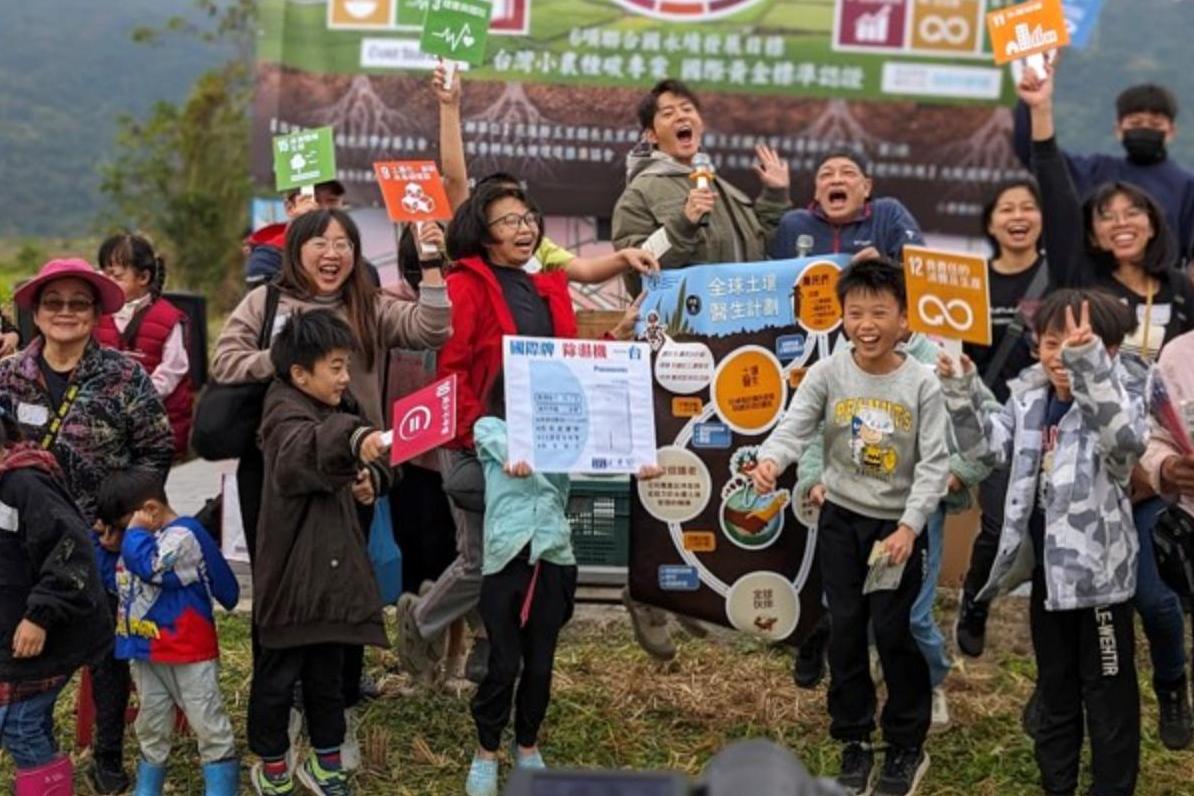
The 17 SDG indicators grow in Changliang Village.
Carbon reduction is for sustainability
Carbon reduction and carbon credit certification should be joyful, lively and fun, to bring more people in, so that the universal value of net-zero carbon becomes part of every individual, family and group, together creating low-carbon living, production and ecology. Through the climate action of "Changliang's first low-carbon rice", we have launched the first demonstration of international carbon reduction in Taiwanese agriculture.
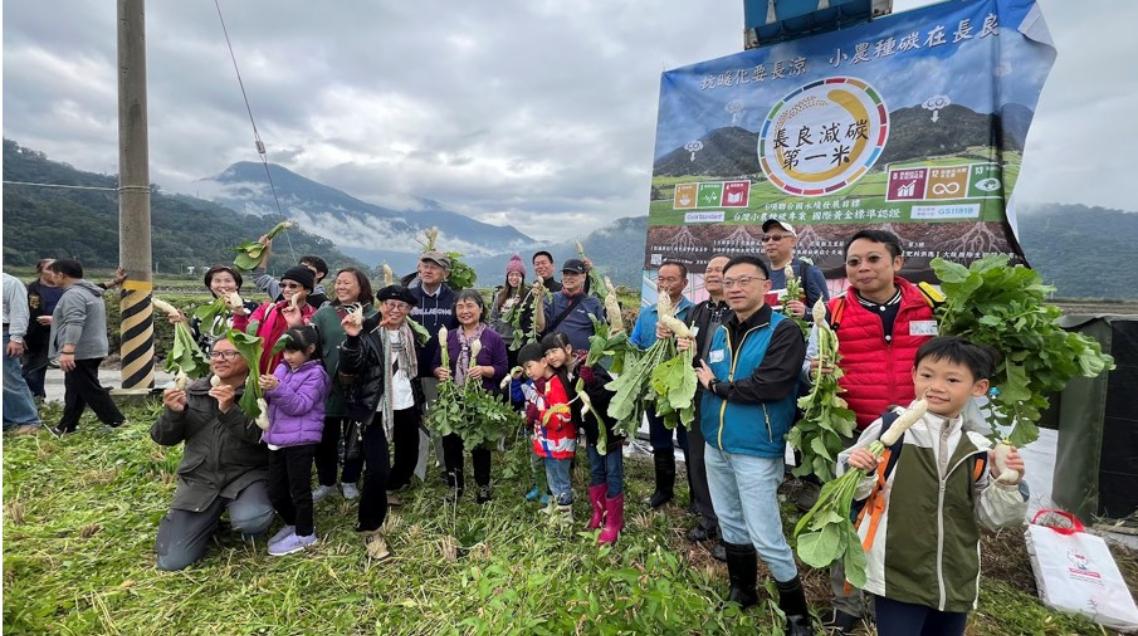
Pulling radishes brings good luck to smallholder carbon farming.
The Changliang Village Radish Festival on 27 January brought together important Taiwanese advocates. Tsao Chi-hung, former chair of the Council of Agriculture and chair of the Dawushan Cultural and Educational Foundation — the first person in Taiwan to respond to the international 4 per 1000 Initiative — gave a speech, delighted to see Taiwan's smallholders successfully put the initiative into practice and join international emission-reduction certification. Chen Man-li, former chair of the Homemakers United Foundation, chair of the National Union of Taiwan Women's Associations and convener of the Taiwan Smallholder Carbon Farming Project's advisory committee, explained the relationship between smallholder carbon farming and six SDGs, hoping that in future agricultural carbon reduction can go further by linking with companies. Dr Liao Li-ling, a researcher at the Food Industry Research and Development Institute who has worked tirelessly in recent years to apply photosynthetic bacteria to agriculture and fisheries — more than 5,000 people now use them with outstanding results — said photosynthetic bacteria can also be used for agricultural carbon reduction in future. Liu Chin-hung of the Grassroots Consciousness Studio, who has promoted smallholder-made biochar for years, demonstrated biochar making and kiln-roasted sweet potatoes, combining education with fun and integrating many skills, captivating children and parents. Project developer Jay Fang demonstrated how smallholder carbon farming carries out soil sampling and calculation, helping the public understand how carbon reduction establishes a quantified baseline and the soil organic carbon content under the project scenario.
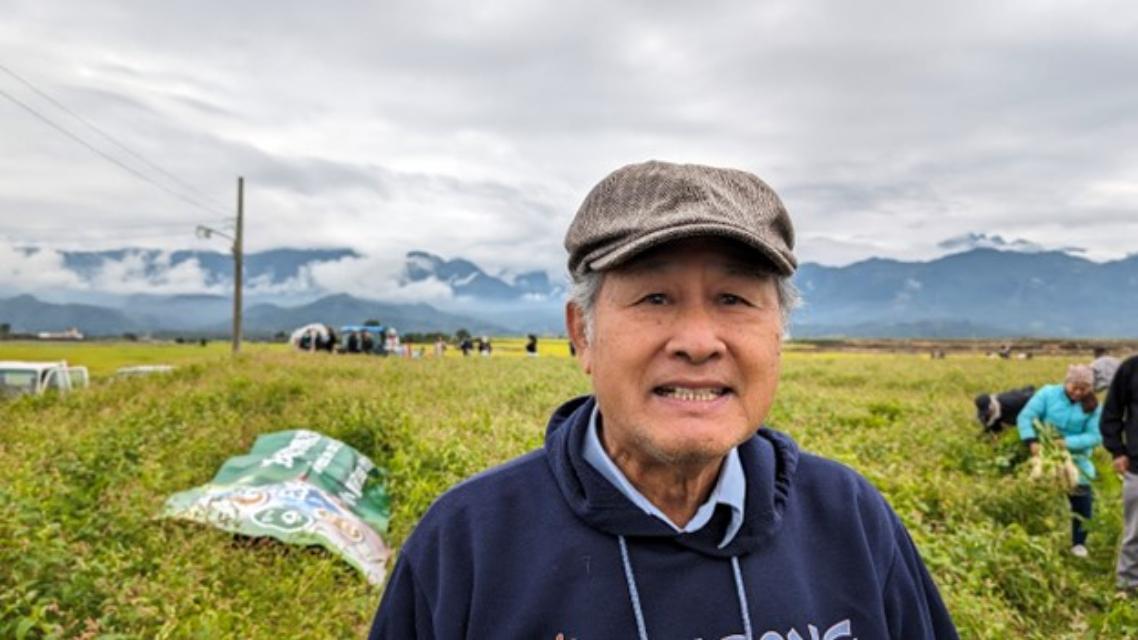
Former Council of Agriculture chair Tsao Chi-hung took part in the whole Radish Festival and encouraged more farmers to join the global 4 per 1000 Initiative to increase agricultural soil carbon sinks.
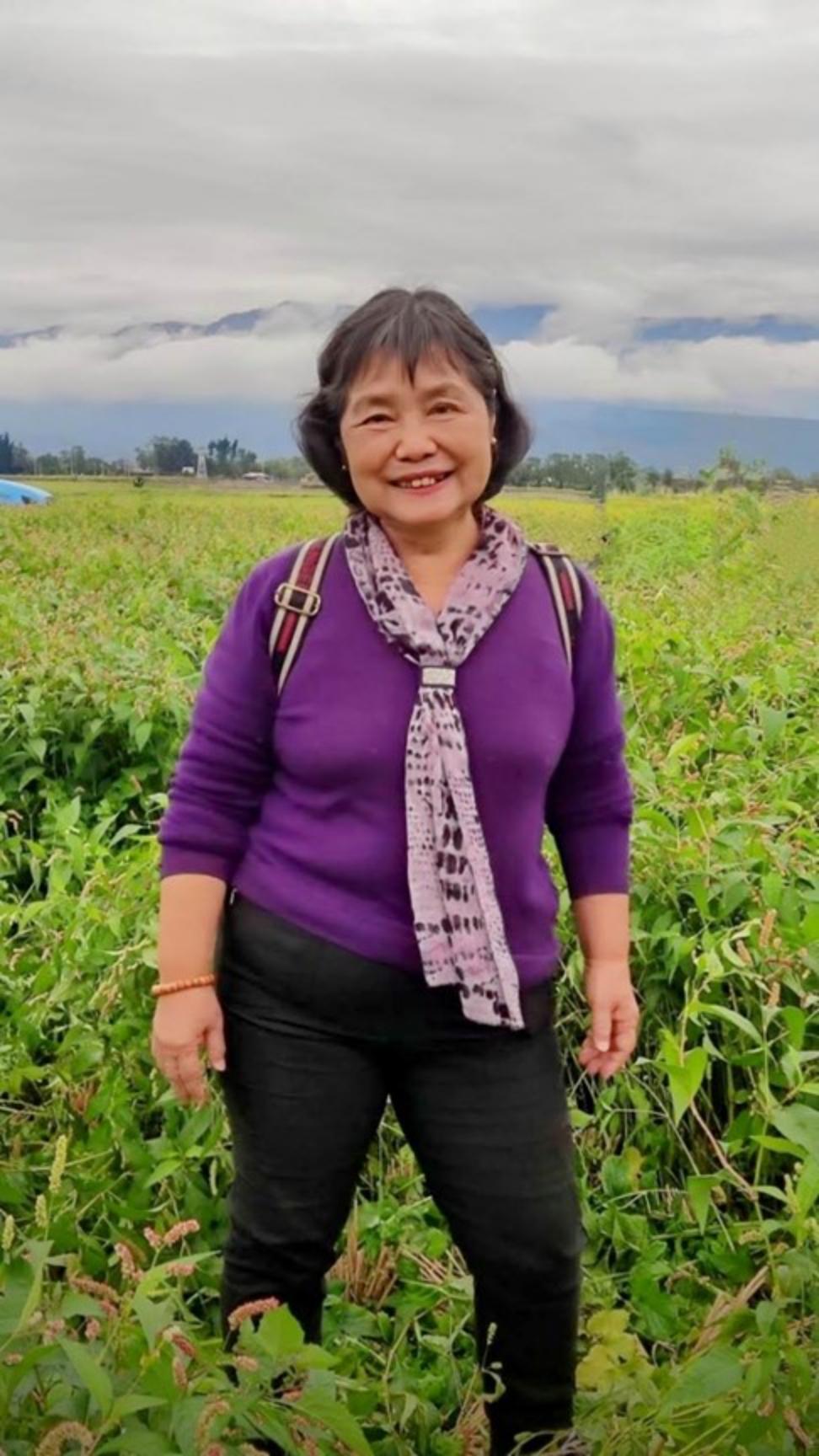
Former legislator Chen Man-li, also convener of the smallholder carbon farming project's stakeholder consultation meeting, stressed that achieving the UN Sustainable Development Goals is the real purpose of net-zero carbon.
The event was hosted by Yu Sheng, chair of the Global Friendly Farmland Sustainable Environment Promotion Association. Facing his past mistakes and emerging from the shadow of sexual harassment, he is devoting himself to safer, friendlier agriculture and volunteers to help farmers sell their produce.
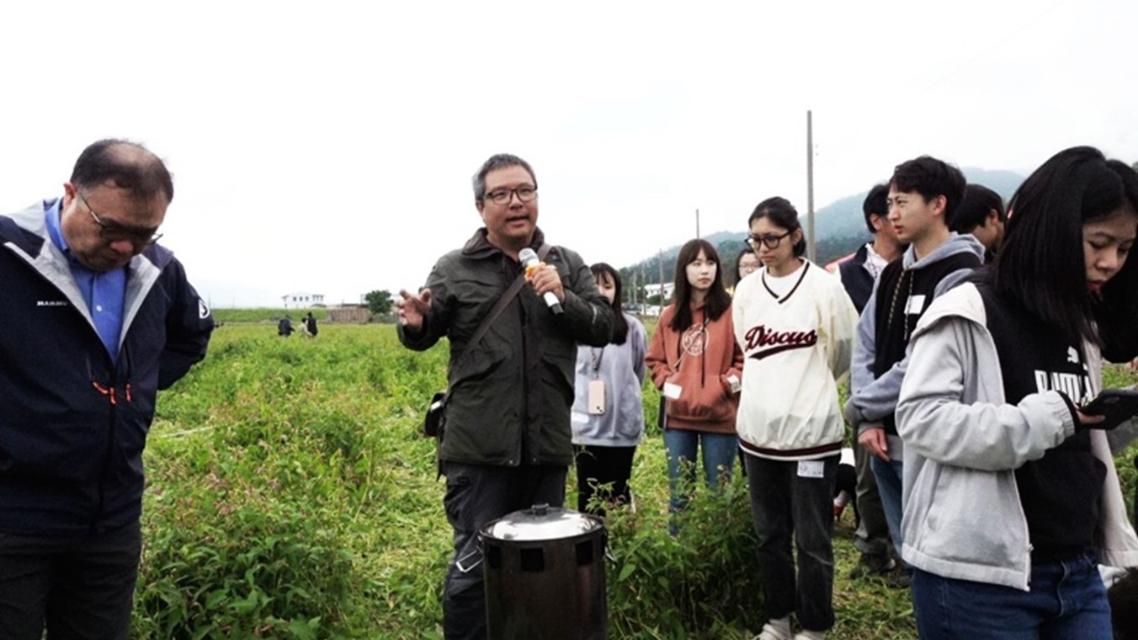
Liu Chin-hung of the Grassroots Consciousness Studio teaches ordinary people how to make small batches of biochar while also using bioenergy.
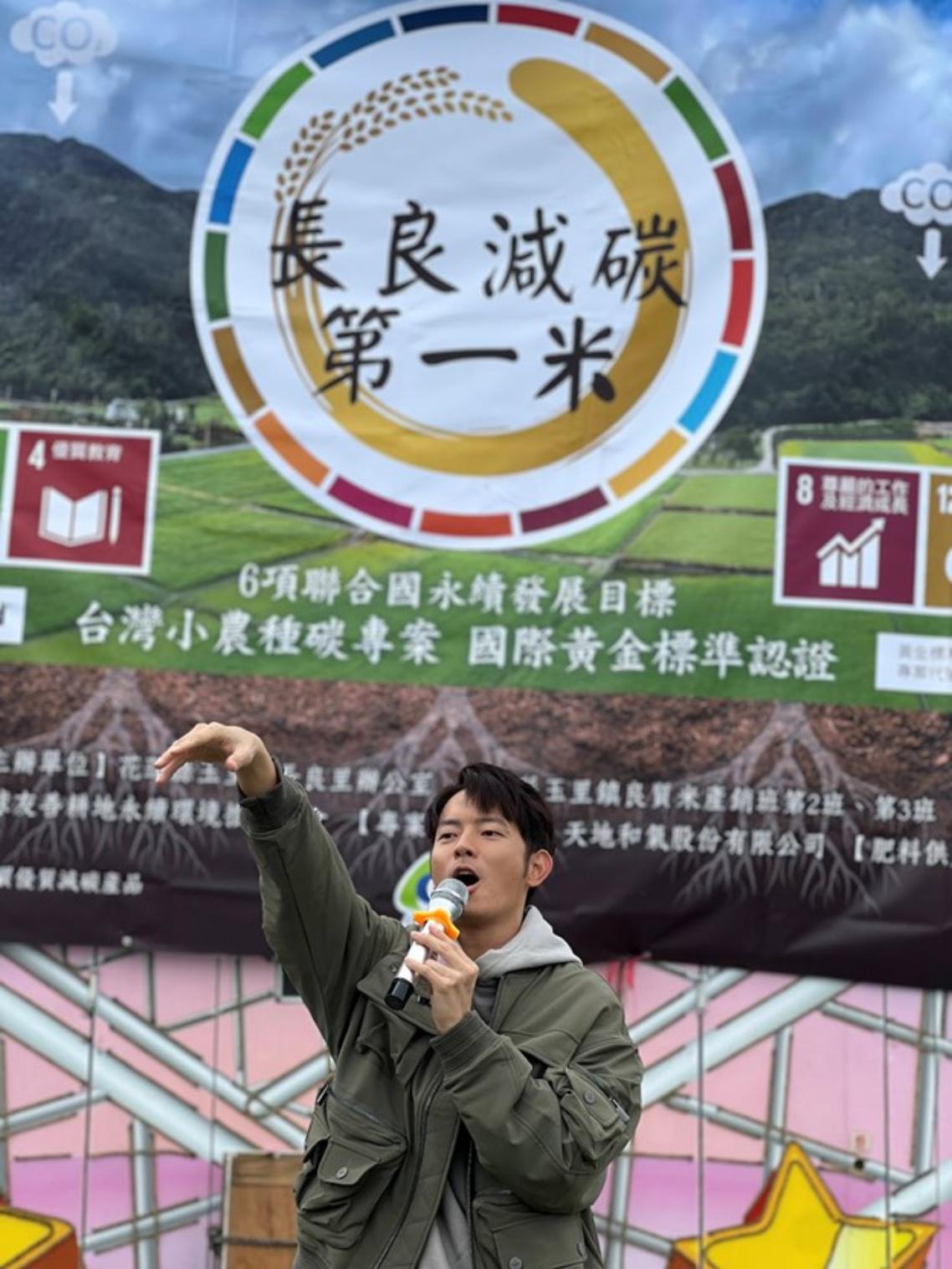
Now chair of the Global Friendly Farmland Sustainable Environment Promotion Association, Yu Sheng livened up the Radish Festival and mingled with participants.
We brought together forces from all sectors, because international emission-reduction certification is not just about cutting carbon but a mechanism for practising sustainability. In Changliang Village, Yuli Township, Hualien, we are running the Taiwan Smallholder Carbon Farming Project (Small Farmers Carbon Farming Project in Taiwan), an international certification experiment for agricultural carbon sinks, applying the certification principles and requirements set by the Gold Standard and the Sustainable Development Quantitative Tool, while demonstrating all the relevant practices and methodologies. We hope more people will join the ranks of agricultural carbon sinks, and that companies will take part and invest as ESG investment.
Carbon credit certification and trading are only a by-product of the sustainability goals
Carbon credit certification for agricultural carbon reduction is a long process. In August 2022 we submitted our Project Design Document (PDD) to the international emission-reduction standard and certification body the Gold Standard (Gold Standard for the Global Goals, GS4GG). In February 2023 it passed preliminary registration review. All the project design documents are listed on the Gold Standard's website for review by stakeholders worldwide, and on-site audit and assessment of carbon-reduction and sustainability-goal performance must be completed within two years.
Most people in Taiwan think carbon credit certification is just about how many tonnes of CO2 equivalent there are and how much they sell for, overlooking sustainability performance in the reduction process. The various methodologies for developing and recognising carbon-reduction credits measure only how much carbon is reduced — purely scientific and engineering measurement. But in Gold Standard emission-reduction projects, the impact on the 17 UN SDGs (Sustainable Development Goals) must be considered: besides not violating any of the 17 goals, there must be quantified performance on at least three sustainability goals, one of which must be SDG 13, Climate Action — that is, the carbon-reduction credits. Alongside the project's climate action, two or more further SDGs must be put forward as targets of quantified certification.
The Gold Standard approved six goals for the Taiwan Smallholder Carbon Farming Project, year by year until 2030:
SDG 2 Food Security – the project must not reduce food production, and should be able to increase it.
SDG 3 Good Health and Well-being – smallholders reduce use of pesticides and chemical fertilisers, benefiting the health of farmers and consumers.
SDG 4 Quality Education – providing smallholders with at least 6 hours of training a year, and jointly providing environmental and food-and-agriculture education with them.
SDG 8 Decent Work and Economic Growth – international certification raises smallholders' socio-economic status and increases their income and profit by 35%.
SDG 12 Responsible Consumption and Production – the MiHuMiSang app lets consumers learn about smallholders' real production and buy produce grown with responsible, low-carbon methods directly from them.
SDG 13 – smallholder farming increases soil carbon sinks, storing an extra tonne of CO2 per hectare in the soil each year.
The Changliang Radish Festival on 27 January came after implementing smallholder carbon farming and producing the first batch of climate-action rice, as a demonstration to promote the Sustainable Development Goals. We used the radish festival Changliang has held for many years during the slack season between the autumn harvest and Lunar New Year to promote carbon-reduction education, so more people can witness Changliang's carbon-reduction process and performance, while improving performance on the other five SDGs through the event.
SDGs expand the value and benefits of sustainability through supply chains
International emission-reduction certification must meet two key principles: 1) Transparency and 2) Inclusiveness. We openly invited the public, especially students, young people and children, and asked scholars and experts to come to Changliang to witness the carbon farming work together, introducing fun and practical agricultural carbon reduction through the Radish Festival celebration.
SDG 13 Climate Action. Over a full year in Changliang we carried out low-carbon smallholder carbon farming on 144.7 hectares, with 20 farming households and more than 60 smallholders taking part. The one-hectare experimental field last year increased its yield by 20% and stored an additional 66 tonnes of CO2 equivalent in the soil. This hectare produced 3,600 kg of rice, equivalent to storing 18 kg of CO2 per kilogram. These results will undergo third-party verification at the end of February this year, after which the work can be expanded further.
SDG 4 Quality Education. This time 239 people registered, including 157 adults and 82 students and children; 135 were female and 104 male. Around 100 more registered on site, for a total of over 300 (as the venue was an open space it was hard to count exactly, so we conservatively estimate about 300). The event lasted about 4 hours, so a total of 1,200 person-hours of environmental and food-and-agriculture education were delivered; valued at NT$800 per hour, that is a benefit of NT$960,000.
SDG 12 Responsible Consumption and Production. Guided by the SDG 4 information, the 300 guests witnessed and learned about the carbon-reduction responsibility of smallholder carbon farming, took part in it, ate locally produced food on site and got to know the local smallholders, building future production-and-sales relationships. No goods were sold on site, but within the next year 100 tonnes of low-carbon rice can be sold.
SDG 8 Decent Work and Economic Growth. Through this marketing event, more people came to know and understand the value of Changliang's low-carbon rice, and the participating farmers gained the halo of international recognition. Selling 100 tonnes of rice at NT$80 per kilogram in future will increase their income by about 10%; of course, if certification wins corporate support, the benefits can be even greater.
SDG 3 Good Health and Well-being. This outdoor event let participants enjoy good air quality and fine weather, eat local food and stretch their muscles pulling radishes — all activities that promote physical and mental health, again worth 1,200 person-hours. Every participant could take home pure white radishes grown without fertilisers or pesticides — they could even be eaten raw on the spot, a taste of flavourful, low-carbon, living food.
SDG 2 Food Security. The food prepared for the event (radish cake, sesame-oil chicken, pickled-mustard duck, etc.) all used local ingredients, in carefully controlled portions, with no food left over. In addition, the radishes and rapeseed flowers were green manure between last year's second rice crop and this year's first, ensuring fertile soil for the next rice crop and increasing food production. This performance feeds back into SDG 13, in future increases in soil organic carbon sink credits.
Eco-affinity Inc., developer of the smallholder carbon farming project, and fertiliser supplier Datong Technology "invested" only NT$100,000 in this Radish Festival, but it brought corporate ESG assets worth several million (some performance can only be estimated after certification) — also an important social-impact asset.
Next stop: the Global Soil Doctors Programme
An agricultural carbon-reduction project is a plan of ten, even twenty or thirty years; it needs long-term, stable staying power to achieve its goals. The Taiwan Smallholder Carbon Farming Project has only completed its first year — just testing the waters. Truly, even a small path has something worth seeing; 2,000 years ago Confucius said, "I am not as good as an old farmer", showing that agriculture's ecological wisdom is inexhaustible. This also fits the ecological principles of small is beautiful and diversity. To expand smallholder carbon farming in future, mutual-help teams must be built among farmers. As it happens, the FAO's soil recarbonisation policy proposes the Global Soil Doctors Programme, promoting "farmer-to-farmer dialogue" and establishing regional advocacy bodies that use FAO-prepared materials to train qualified "soil doctors". They help farmers in local communities diagnose the physical, chemical and biological condition of their soil, using simple tools and materials, reaching deep into remote villages to improve soil and increase its carbon-sequestering capacity — killing several birds with one stone.
From 2024 the Global Soil Doctors Programme will become the flagship activity of smallholder carbon farming, used to bring Taiwan's smallholders into its ranks and, in a more lively and international way, increase carbon sinks in the soil together.
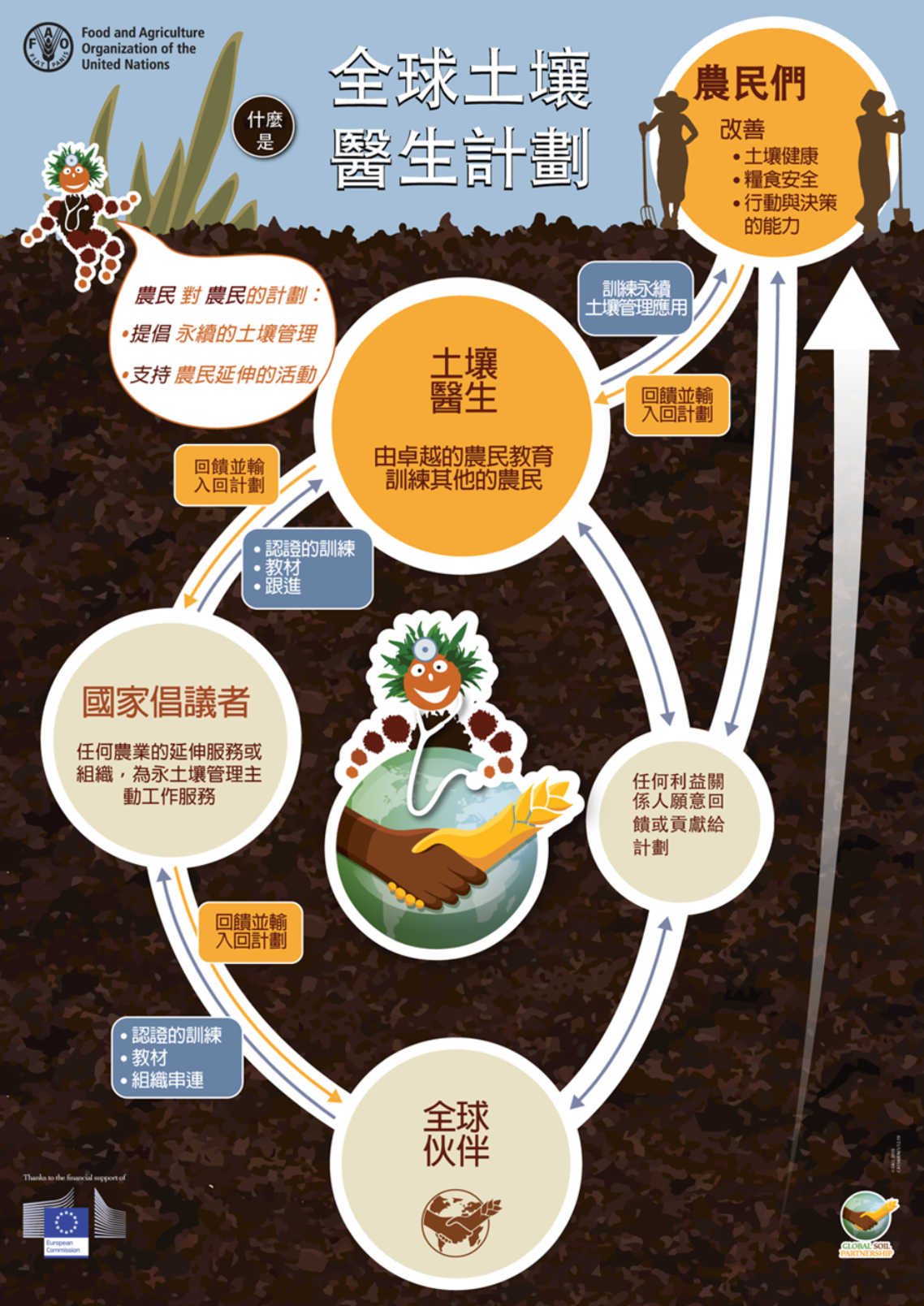
The Global Soil Doctors Programme, launched by the FAO, is about farmers growing together with farmers to improve soil health. It is also the future flagship activity of smallholder carbon farming; through it, more smallholders can take part in soil carbon sink action.
Source: CM Media ( https://www.cmmedia.com.tw/home/articles/45056 )


