努力小農
本文尚無譯文。
From the 4 per 1000 Initiative to the Global Soil Doctors Programme
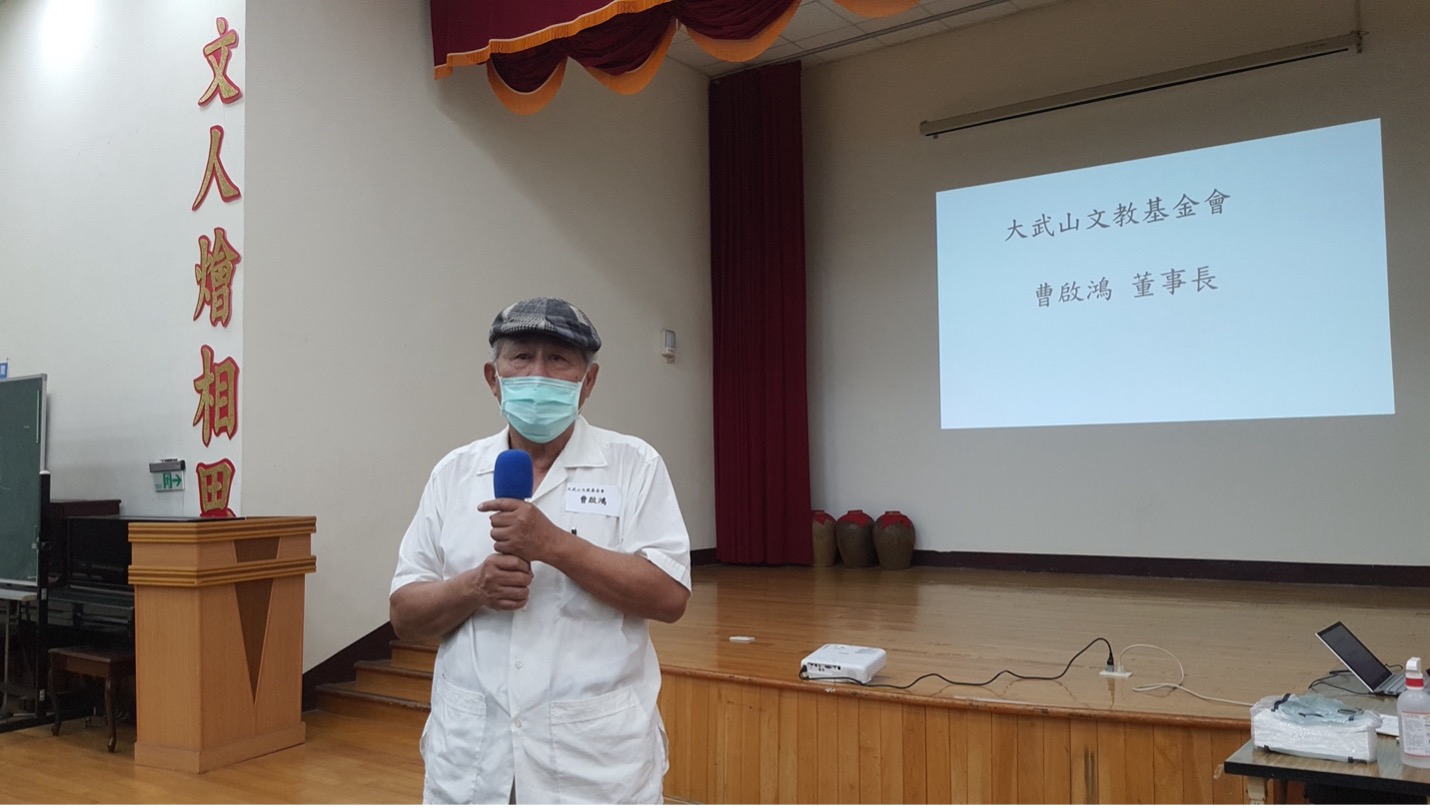
A talk by Tsao Chi-hung, chairman of the Dawushan Cultural and Educational Foundation, at a photosynthetic bacteria workshop opened the door for me to work on agricultural soil carbon sinks.
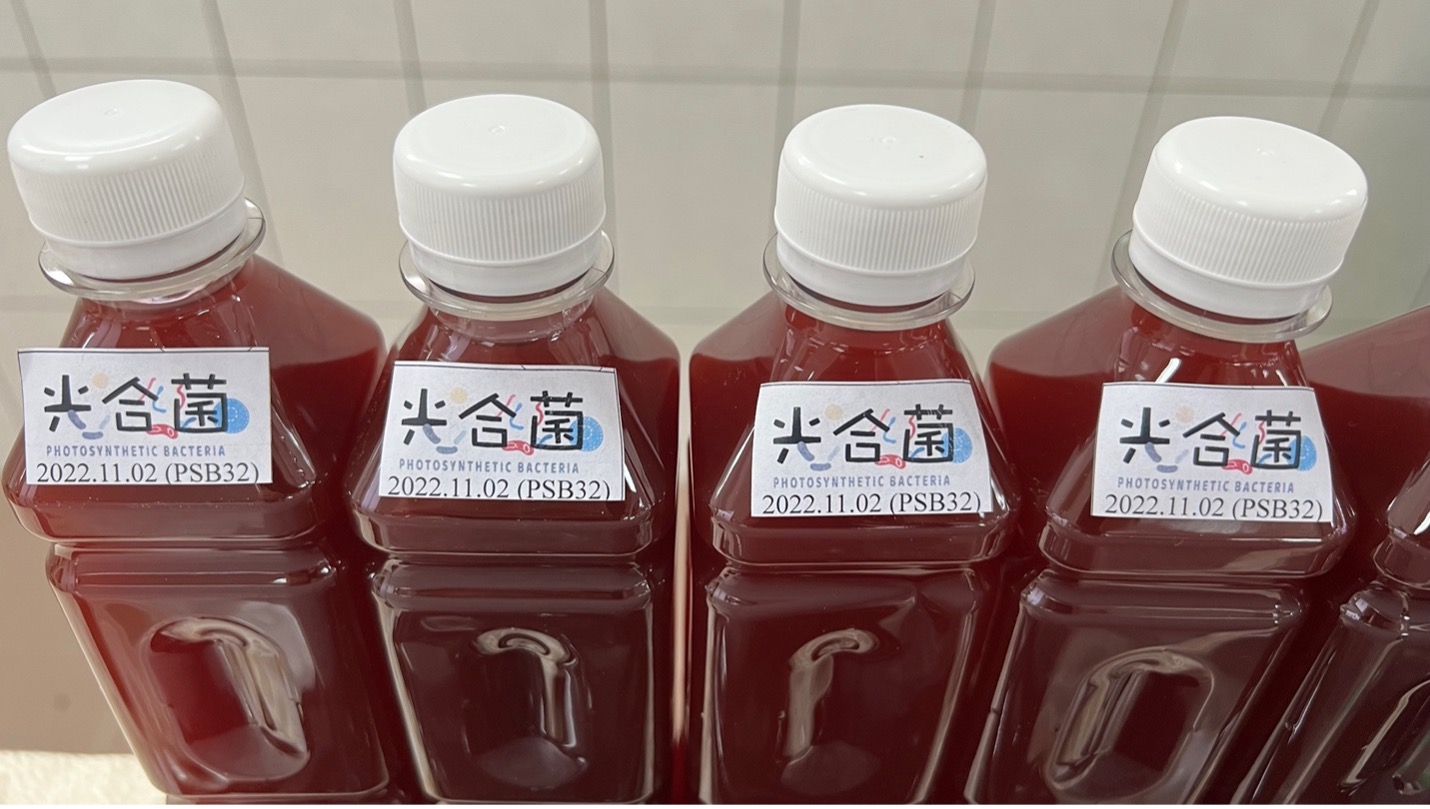
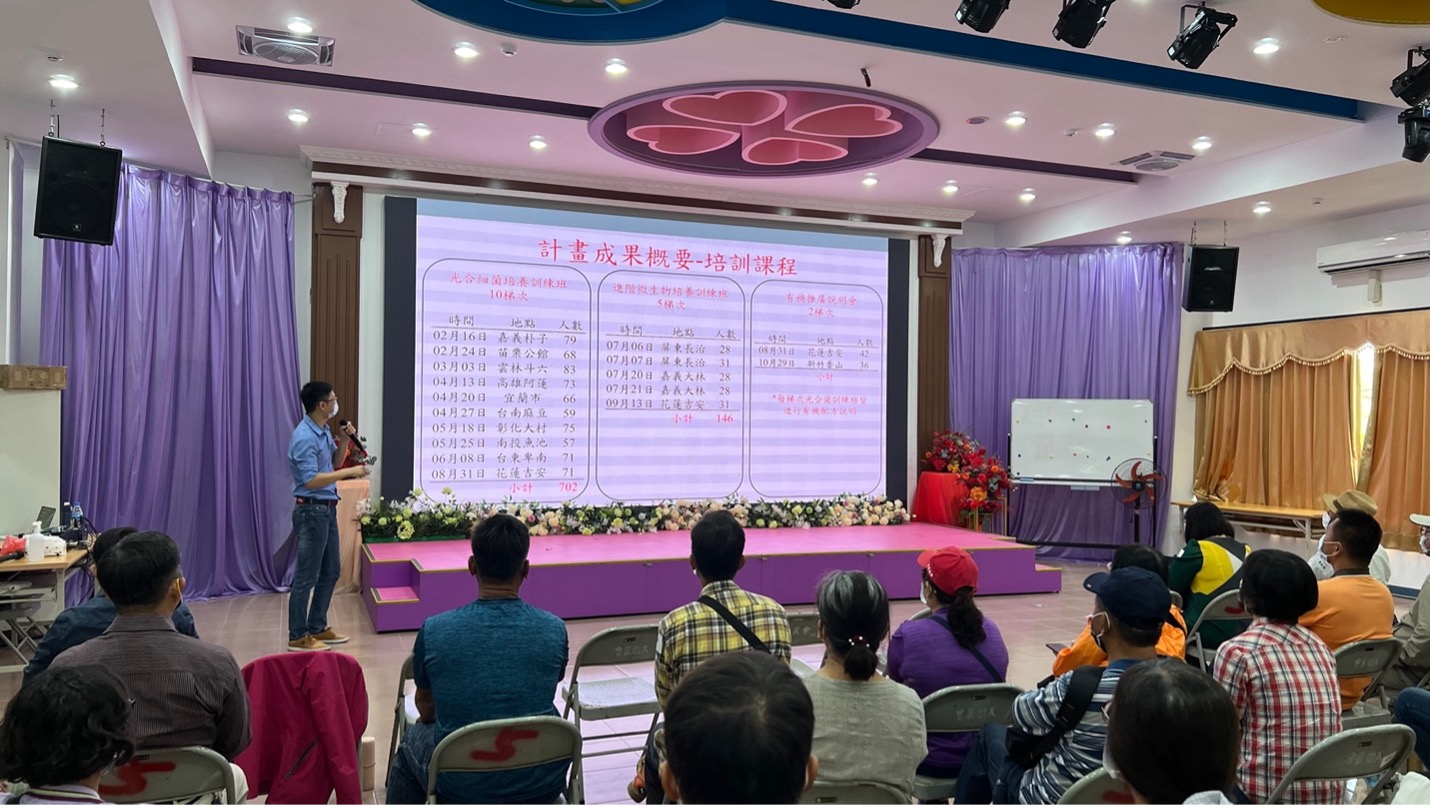
Trained by the Dawushan Cultural and Educational Foundation and the Food Industry Research and Development Institute, farmers make low-cost photosynthetic bacteria that work well in farming and fisheries, and present their results. The Global Soil Doctors Programme follows the same approach — one farmer teaching ten, ten teaching a hundred — to unleash grassroots power.
4 per 1000 begins with a single step
On 27 October 2022, at a photosynthetic bacteria workshop at the Wandan Township Office in Pingtung, I first heard Mr Tsao Chi-hung talk about the "4 per 1000 Initiative". I never imagined this lesson would set the direction for my work on the Taiwan Smallholder Carbon Farming Project. In little more than a year, smallholder carbon farming became an agricultural carbon sink project with Gold Standard international emission-reduction certification, and this year it is about to generate carbon credits that can be traded internationally.
Tsao Chi-hung has served as a provincial councillor, legislator, Pingtung County magistrate and minister of the Council of Agriculture. In 2015 he heard the French agriculture minister propose the "4 per 1000 Initiative" at the 21st Conference of the Parties to the UN Framework Convention on Climate Change. As someone long concerned with the environment and agriculture, and then head of the Council of Agriculture, he promoted it vigorously in Taiwan, because the initiative can address environmental problems (pollution and global warming) and agricultural problems (soil degradation and the food crisis) at the same time. I too think it is an excellent example of thinking globally and acting at the grassroots. After leaving the Council of Agriculture in 2016, Tsao returned to civil society at the Dawushan Cultural and Educational Foundation and devoted himself to biological inputs. Like a missionary, he has travelled township by township across Taiwan promoting the use of photosynthetic bacteria in farming and fisheries. More than 5,000 people have attended these workshops so far, becoming a new force in Taiwan's agriculture.
The next step is to connect further with the world by introducing the FAO's Global Soil Doctors Programme (GSDP) and involving farmers deeply — especially in the remote Hualien and Taitung region, where there is not even a university with an agriculture department and educational resources are lacking. The climate, geology and hydrology of Hualien and Taitung also differ from the west. The region has beautiful mountains and water and produces good crops, but poor transport and high shipping costs make it hard for them to reach western Taiwan's dinner tables or restaurants. Production and sales are also out of balance: when China banned imports of sugar apples, or when Hualien's pomelo harvest was plentiful and a typhoon hit, hundreds of tonnes of pomelos had to be dumped — a heartbreaking blow for farmers that also makes young people dread returning home to farm.
We hope that through an international programme, and then international cooperation, we can expand knowledge and markets so that Hualien and Taitung farmers and their produce can enter international markets. But a journey of a thousand miles begins with a single step — the soil. As long as the soil is fertile, it can hold on to soil organic carbon; that is carbon farming. And the greatest force in carbon farming does not come from organic fertilisers added from outside, but from the microbes multiplying exponentially in the soil. Managing soil is to a large extent managing the ecology of microbes, along with small animals such as earthworms and insects, and fungi — which is exactly what soil doctors focus on.
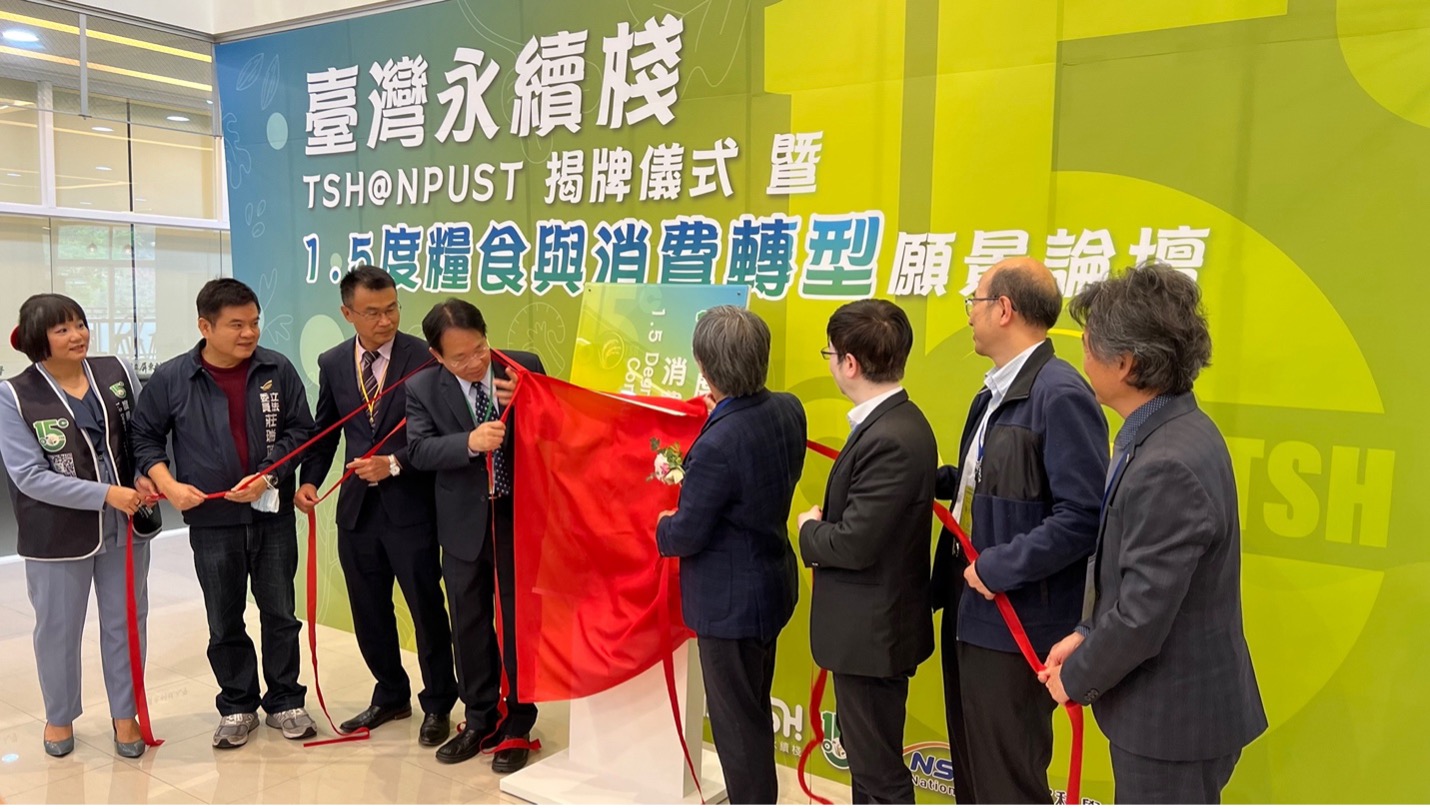
Awareness in Taiwan of the sustainability issues of agriculture, food, consumption and climate is already quite mature. The next step is to put down roots, and the Global Soil Doctors Programme can take that awareness and turn it into concrete action.
We have forgotten how important soil is
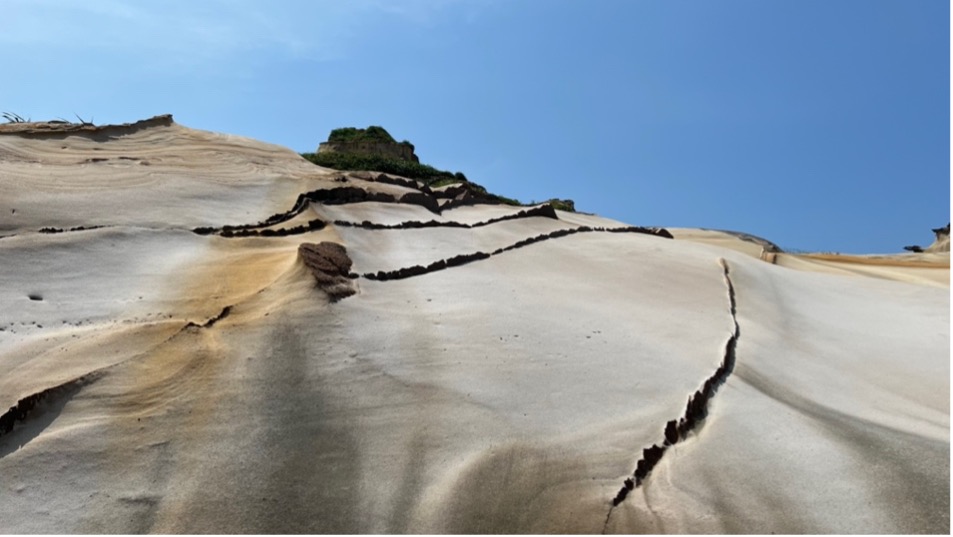
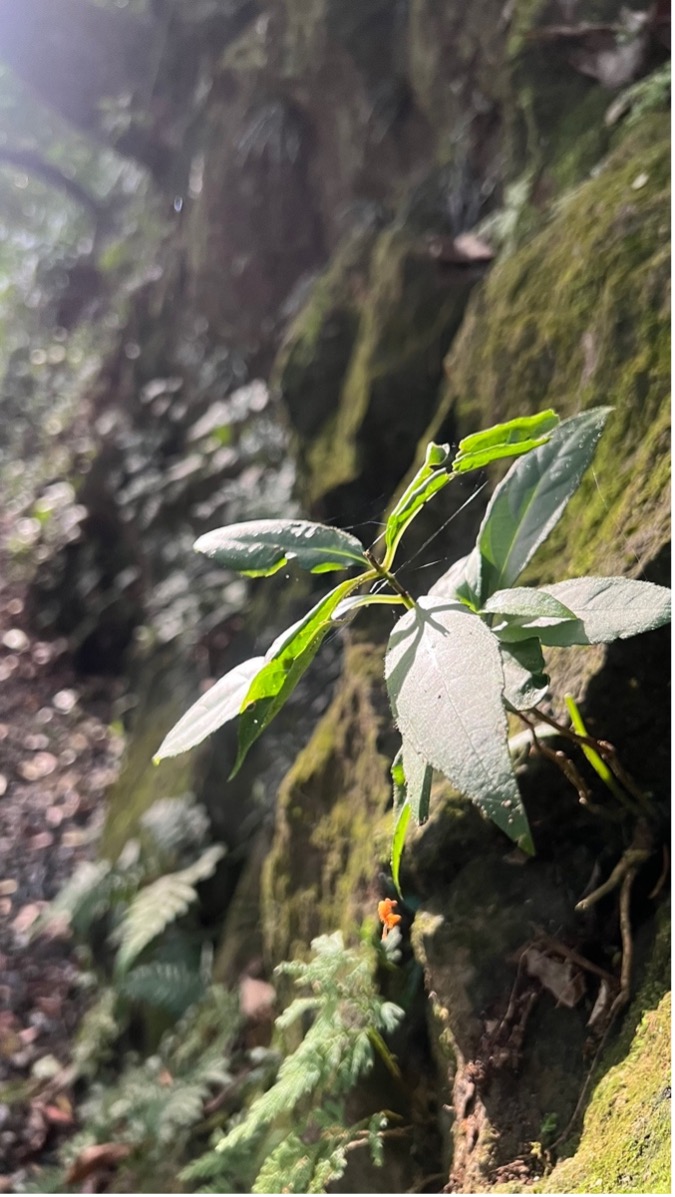
It takes more than 60,000 years for rock to become one centimetre of soil, through the combined work of sunlight, water, plants, microbes and animals — and only seconds to destroy it. That is why soil education starts with farmers, then businesses, then consumers.
Soil is the foundation of human survival and development, and a key factor in maintaining biodiversity and climate stability. Because of large-scale extractive agricultural production, overdevelopment and pollution, one-third of the world's soils are already degraded, threatening food security and ecological balance. Some scientists and advocacy groups in the United States estimate that because of industrialised large-scale development the soil is dying, and if this continues, America's soil will not be able to feed the country for another 60 years.
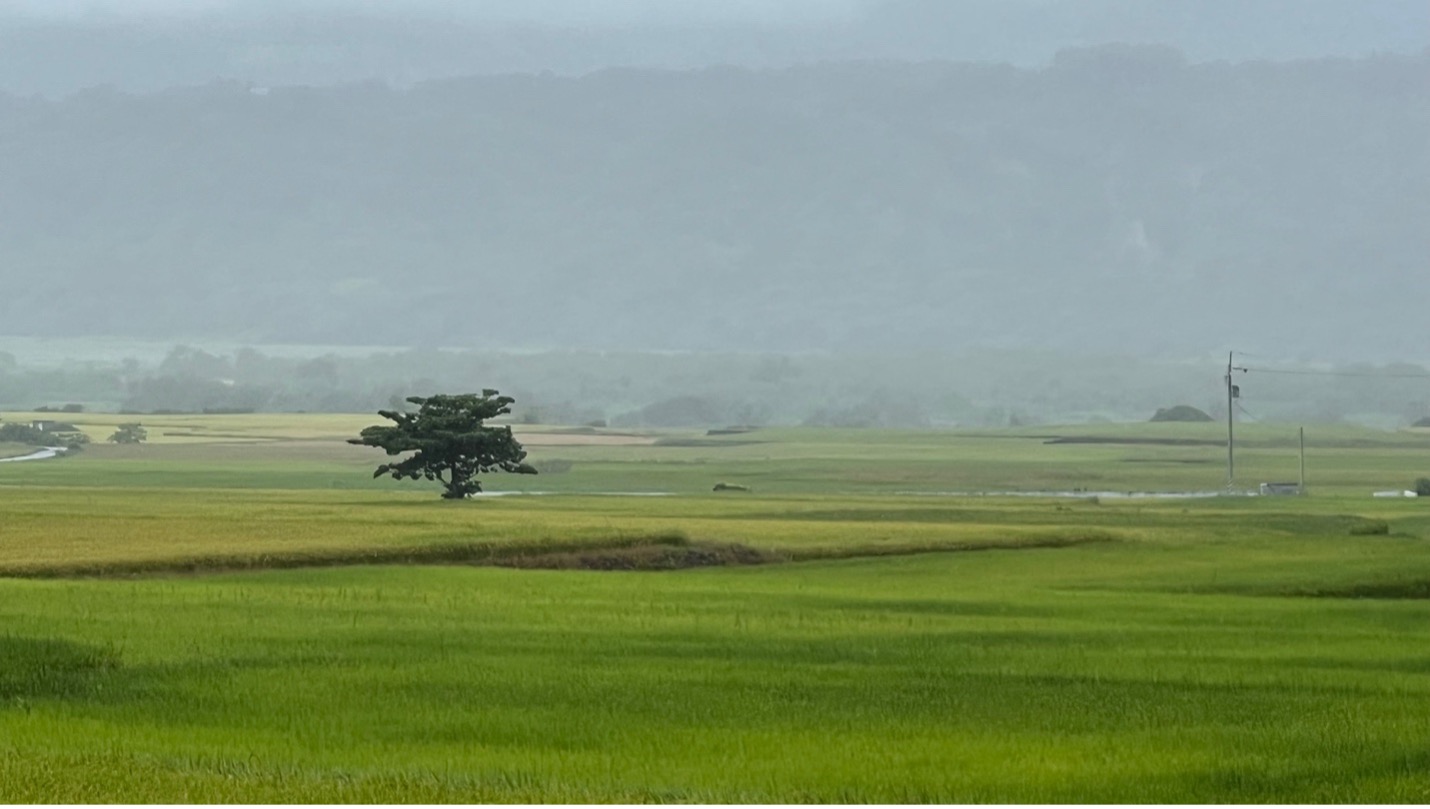
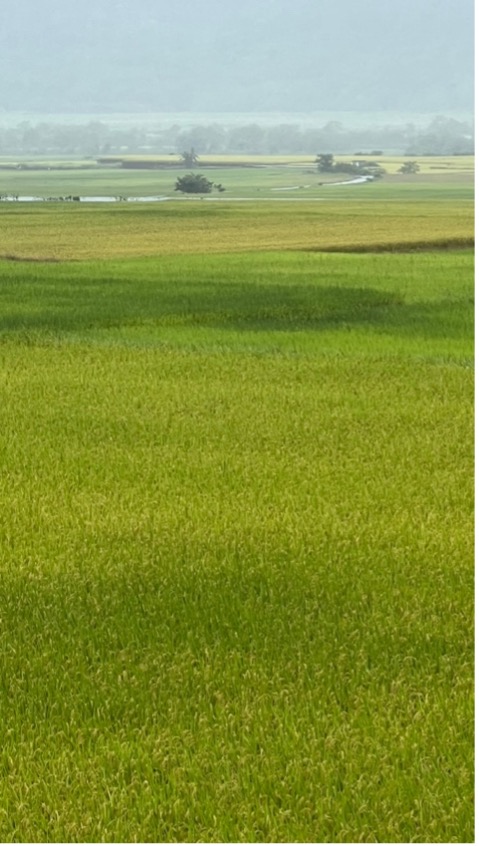
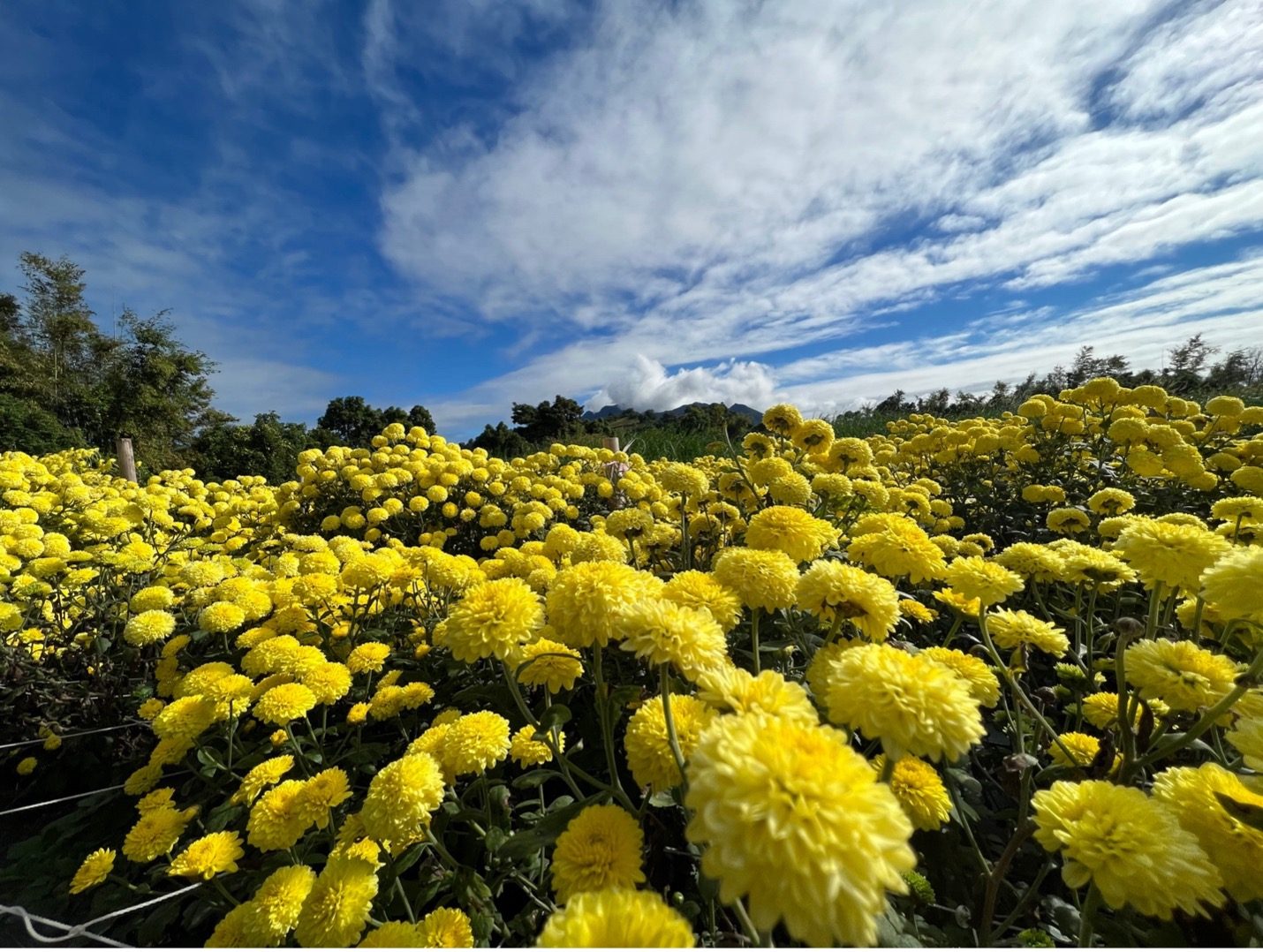
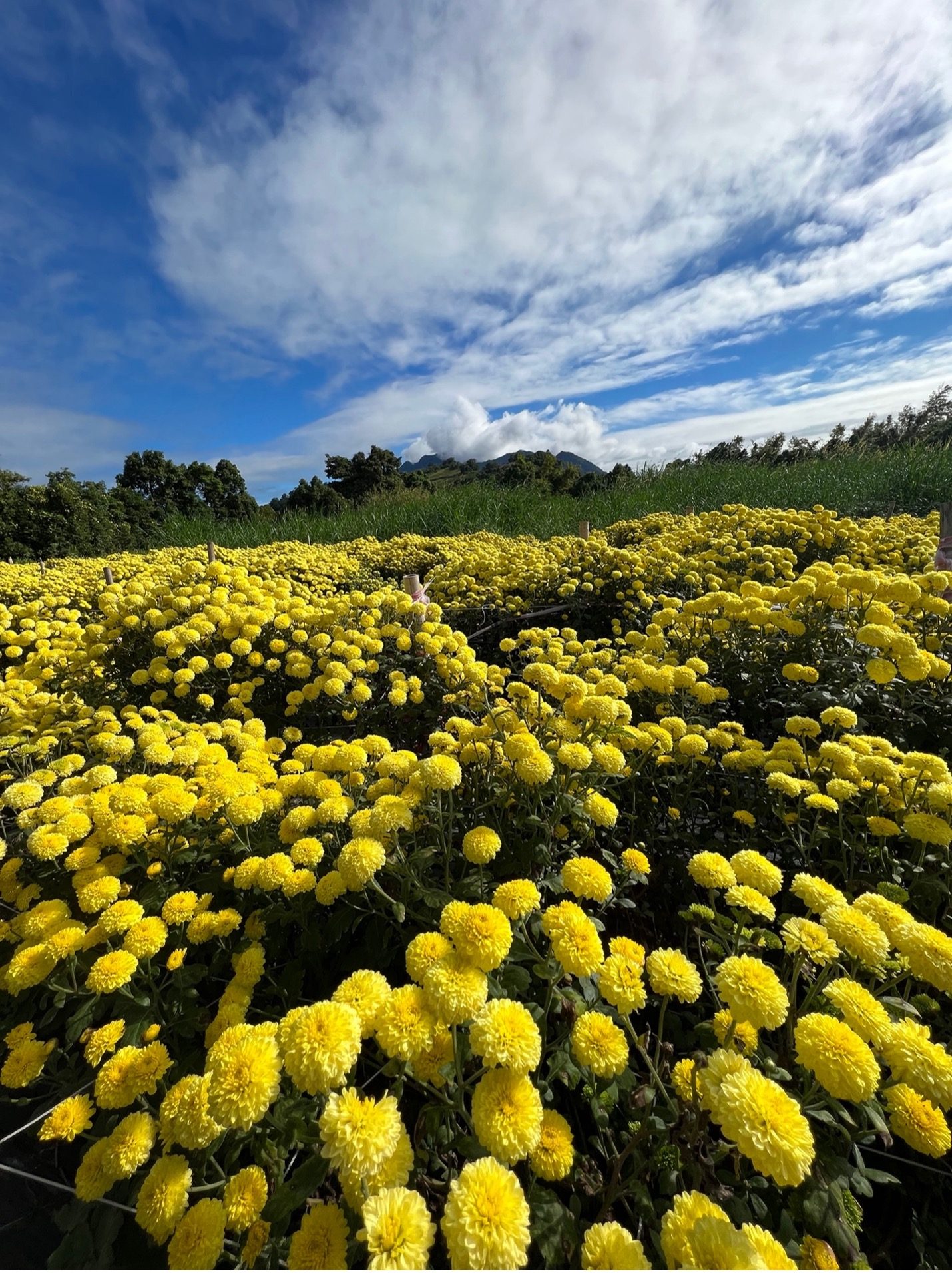
Only if we take good care of farm soils is there hope for Taiwan's agriculture.
To meet this challenge, the FAO launched the Global Soil Partnership (GSP) to mobilise and coordinate all parties to protect and manage this precious resource well — especially in developing countries and regions, where large areas of forest are being converted to farmland, worsening the global warming crisis.
The Global Soil Partnership was founded in 2011 as an open, voluntary and inclusive platform covering governments, international organisations, civil society, research institutions, farmers' organisations and other stakeholders. Its goal is to promote the implementation of Sustainable Soil Management (SSM) at global, regional and national levels and to support countries in developing relevant policies and action plans. It also works to raise public awareness of the importance of soil and to drive international cooperation and resource mobilisation.
Even though Taiwan is not a member state, this does not stop Taiwan's farmers from becoming global citizens, actively taking part in the Global Soil Partnership, fulfilling their duties as global citizens and enjoying the fruits of international research.
The Global Soil Partnership has five main pillars of work covering the following areas: soil information and data; soil policy and regulation; soil research and technology; soil education and training; and soil advocacy and communication. These pillars set out specific activities and outputs according to the GSP's five-year implementation plan (2017–2022).
We chose soil education and training. Its most innovative and influential programme is the Global Soil Doctors Programme (GSDP), a farmer-to-farmer training programme that builds farmers' capacity in sustainable soil management and supports national governments and stakeholders in meeting the needs of farming communities. By providing online and offline educational materials and training modules, it helps farmers learn to use simple but effective tools to assess and improve soil health. It also encourages farmers to learn from and exchange with each other, forming a sustainable knowledge-sharing network.

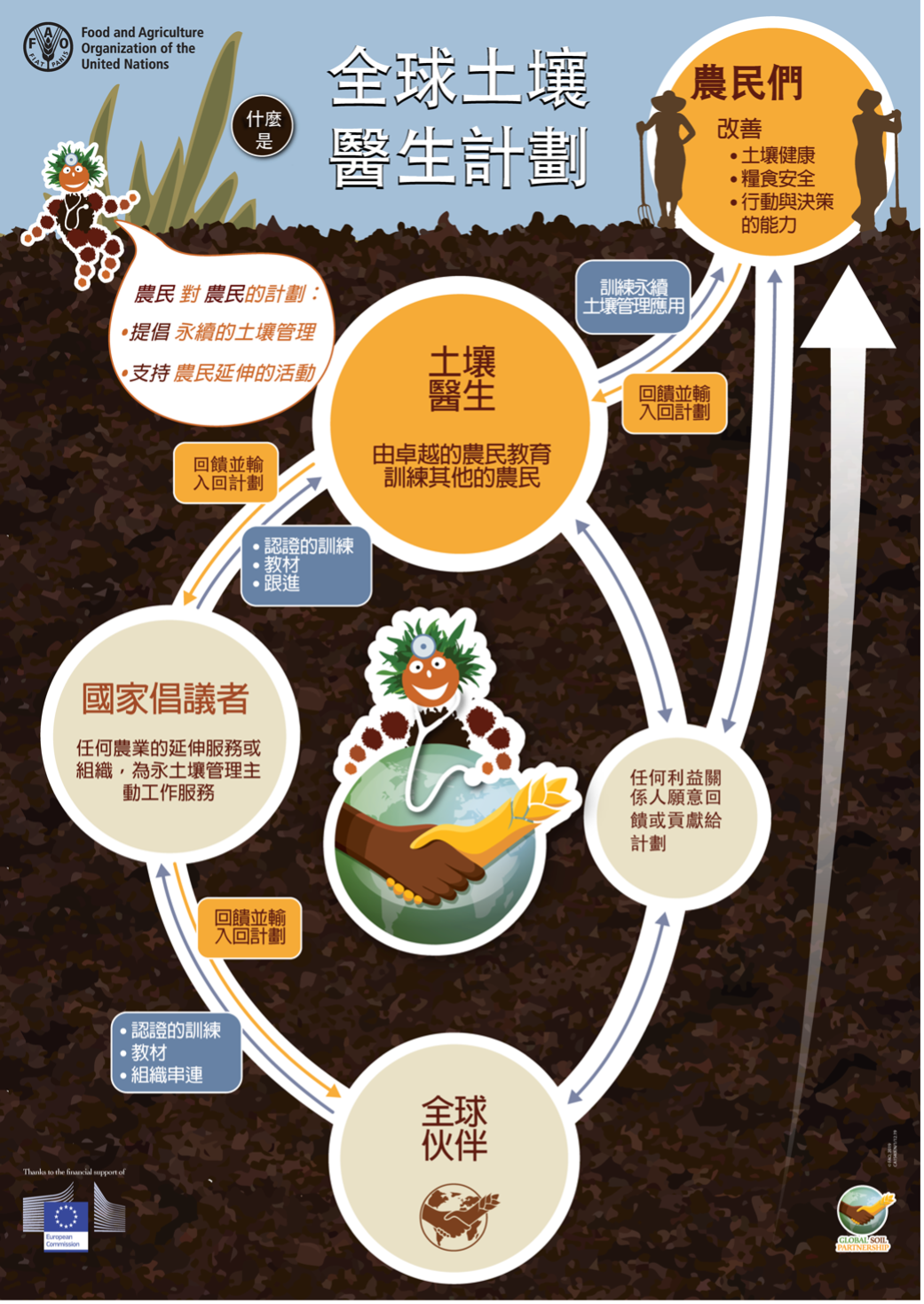
The Global Soil Doctors Programme only began in 2019; after three or four years of trials it is being rolled out worldwide, so now is just the right time for us to join.
Internationally, the Global Soil Doctors Programme is also just getting started. Since 2019 it has been implemented in nine countries: Bangladesh, Burkina Faso, Colombia, Egypt, Kenya, Malawi, Mexico, the Philippines and Uganda. So far it has trained nearly 3,500 farmers, more than 400 of whom have received soil doctor certificates and are promoting and teaching good sustainable soil management practices in their own communities. The results are remarkable: not only have soil quality and crop yields improved, but farmers' incomes and the nutritional value of food have increased too.
The Global Soil Doctors Programme is an important initiative of the Global Soil Partnership. Its aim is to train and equip farmers and other soil users so that, through farmer-to-farmer dialogue, they can identify and treat soil health problems, learn from each other and implement sustainable soil management.
In Taiwan we are launching the first year of the Global Soil Doctors Programme, training 20 soil doctors in Hualien and Taitung, each of whom will run at least one community soil doctor training in their own community, putting soil doctor training into practice. In the first year we can establish a 200-hectare soil doctor service area, build a network of soil doctors in remote areas, and combine it with environmental and food-and-agriculture education to draw up a roadmap towards the sustainable goal of a circular-agriculture food chain and value chain.
Soil doctors are also doctors of the Earth
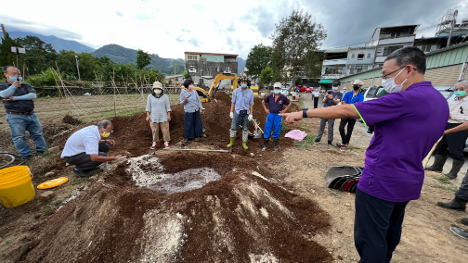
Courses on sustainable agriculture have flourished in recent years, and many smallholders are enthusiastic about organic farming, which will help the soil doctors programme in future.
The overall goal of the programme is to strengthen farmers' capacity in the principles of Sustainable Soil Management (SSM) through focused training on how to maintain and restore good soil conditions and functions. It also helps raise global awareness of soil. The programme was successfully implemented in Thailand, where tens of thousands of farmers gained access to innovative soil management techniques. It then successfully scaled up farmer-to-farmer training in Bangladesh, Malawi and Mexico. It will continue to build strong partnerships for the benefit of smallholders so they can scale up these low-cost, high-impact SSM practices.
The Global Soil Doctors Programme is a farmer-to-farmer training programme that builds farmers' capacity in sustainable soil management while supporting governments and stakeholders in meeting the needs of their rural communities. This international online platform supports farmers, policymakers, development planners, agricultural extension workers, NGOs, the private sector and any other practitioners or stakeholders interested in spreading awareness of soil as a vital resource, helping them carry out on-the-ground soil support actions in countries and regions.
The Global Soil Doctors materials and courses explain complex ideas simply and include the following:
1a. How is the Global Soil Doctors Programme implemented?
1b. How is the Global Soil Doctors Programme implemented? (continued)
2. How do you become a soil doctor?3. Why are your crops not growing well?
4. What is soil?
5. How do you take soil samples?
6. How is soil best managed?
7a. What are the physical properties of soil?
7b. What are the biological and chemical properties of soil?
8a. What is a plough pan?
8b. How can plough pans be prevented and repaired?
9a. What is soil erosion?
9b. How can soil erosion by water be minimised?
9c. How can wind erosion of soil be reduced?
10a. What is soil organic matter?
10b. How can soil organic matter content be increased?
11a. What are soil nutrients?
11b. How should soil nutrients be managed?
12a. What is soil pH?
12b. What is soil acidification?
12c. How can soil acidification be reduced?
13a. What are saline and sodic soils?
13b. How can soil salinisation and sodification be prevented?
13c. How should salt-affected soils be managed?
14a. What is soil pollution?
14b. How can pollution of farm soils be prevented and controlled?
15a. What is soil biodiversity?
15b. How can soil biodiversity be enhanced?
These courses consist of A0 posters, simple handouts and hands-on exercises. They will also produce reports for communicating internationally and interacting with smallholders in other parts of the world.
Let's act together to protect and restore our soils!