 努力小農
本文尚無譯文。
An environmental impact assessment of Trump — and how to respond
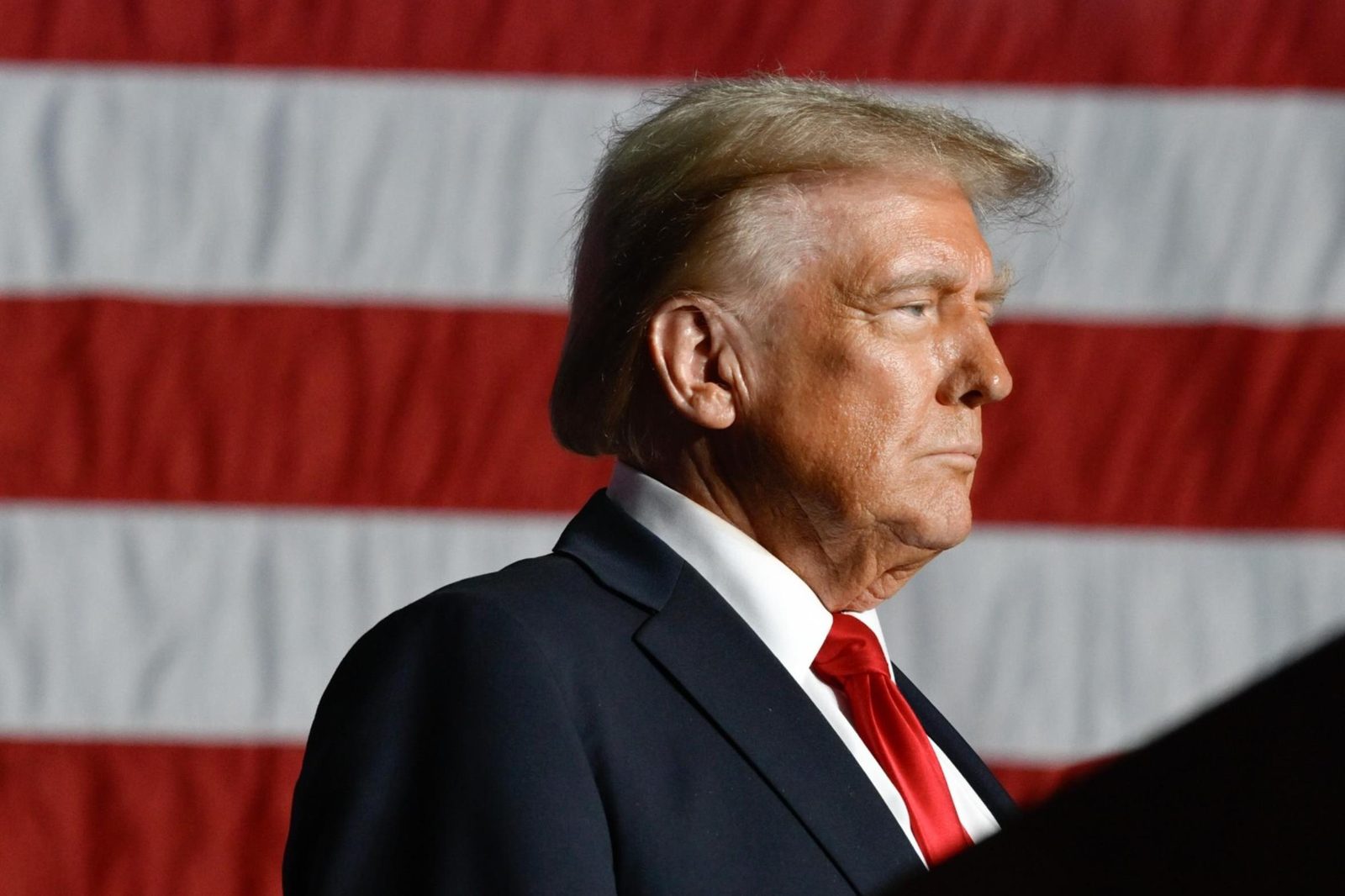
Trump's energy, environmental and climate policies differ markedly from his predecessors' and from mainstream international trends, and may overturn US energy policy from top to bottom. (Image: FB@Donald J. Trump)
What had to come has come
In a few dozen hours Trump will be sworn in as US president — yes, President Trump is back. He posted his official presidential portrait on Instagram, and it is quite "refreshing": the photo of this returning "new" president is about 90% similar to his August 2023 jail mugshot, and he makes no effort to hide or avoid it. Even before taking office he has already done, in full, everything a president should and shouldn't do. Let's wait and see what world of "surprise/fright" awaits after he formally takes office on 21 January.
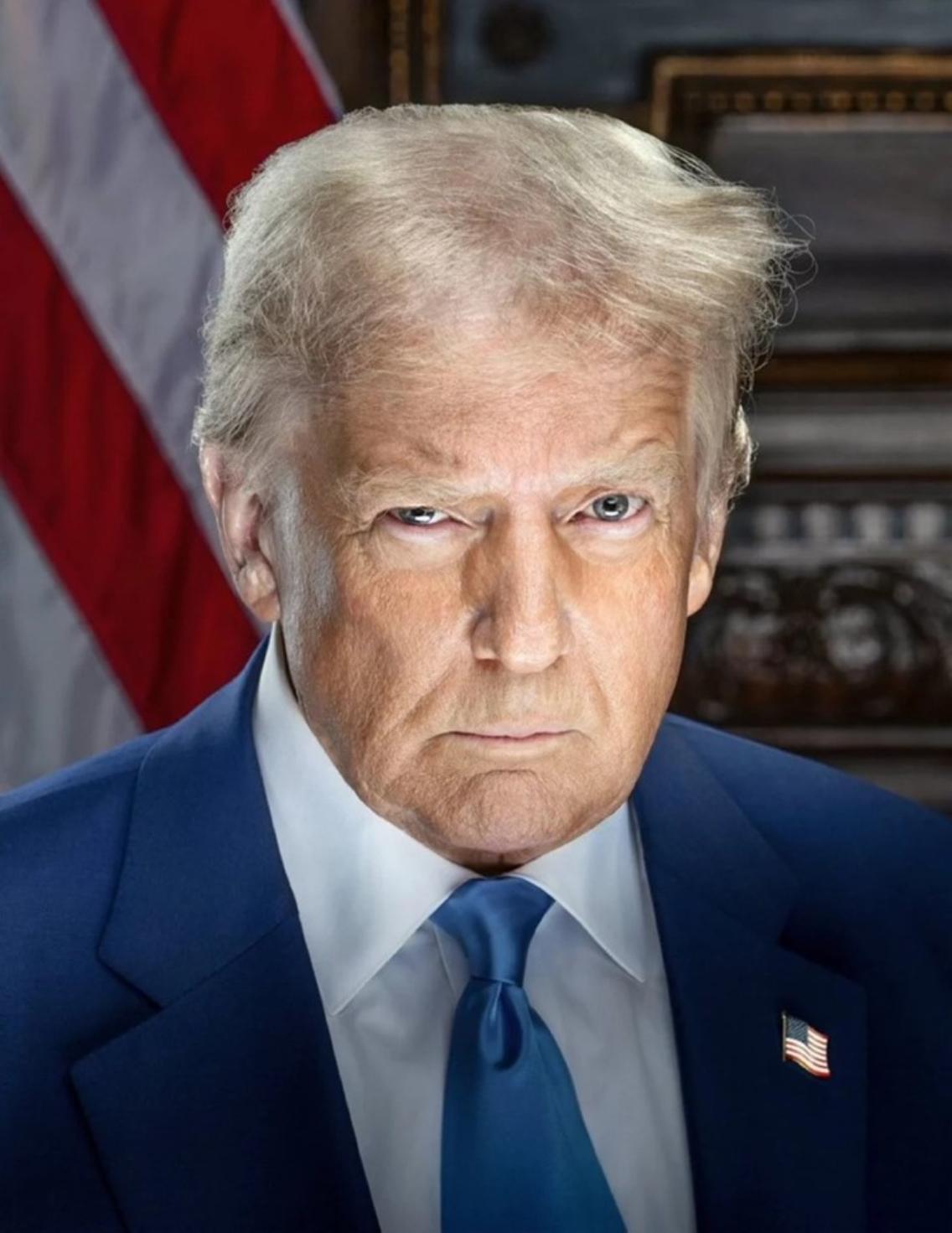
Trump's second-term presidential portrait is unveiled. (Image: IG@Donald Trump Jr.)
Not only is China, locked in a trade war with the United States, bracing itself; even America's staunch allies Canada and Mexico, and the European Union, are tense, waiting to see Trump's next move. Trump's non-consecutive return to the presidency in 2025 shakes the world even more than a consecutive re-election in 2020 would have, because after four years out of office to regroup, the ranks of MAGA (Make America Great Again) believers are more solid and more surprising (such as "Mr Musk"), and his provocative rhetoric is, if anything, even stronger.
After Trump takes office, beyond the visible shocks to diplomacy, defence, politics and the economy, the impacts on the environment, climate, energy and culture will also be far-reaching and huge — even though some think that whatever Trump does, he only has four years, after which things can return to "normal".
I think this is passive, wishful thinking. America's influence on the environment, climate, energy and culture shapes the world's development. Even if Trump does not leave the WTO or the climate convention, he will throw off the hypocritical mask of ESG (environment, social and governance) posturing at home, leaving companies standing naked before the world — which, frankly, is not such a bad thing. While I consider Trump's election a major setback for the international environmental alliance since Earth Day in 1970, it is also a perfect opportunity for reflection.
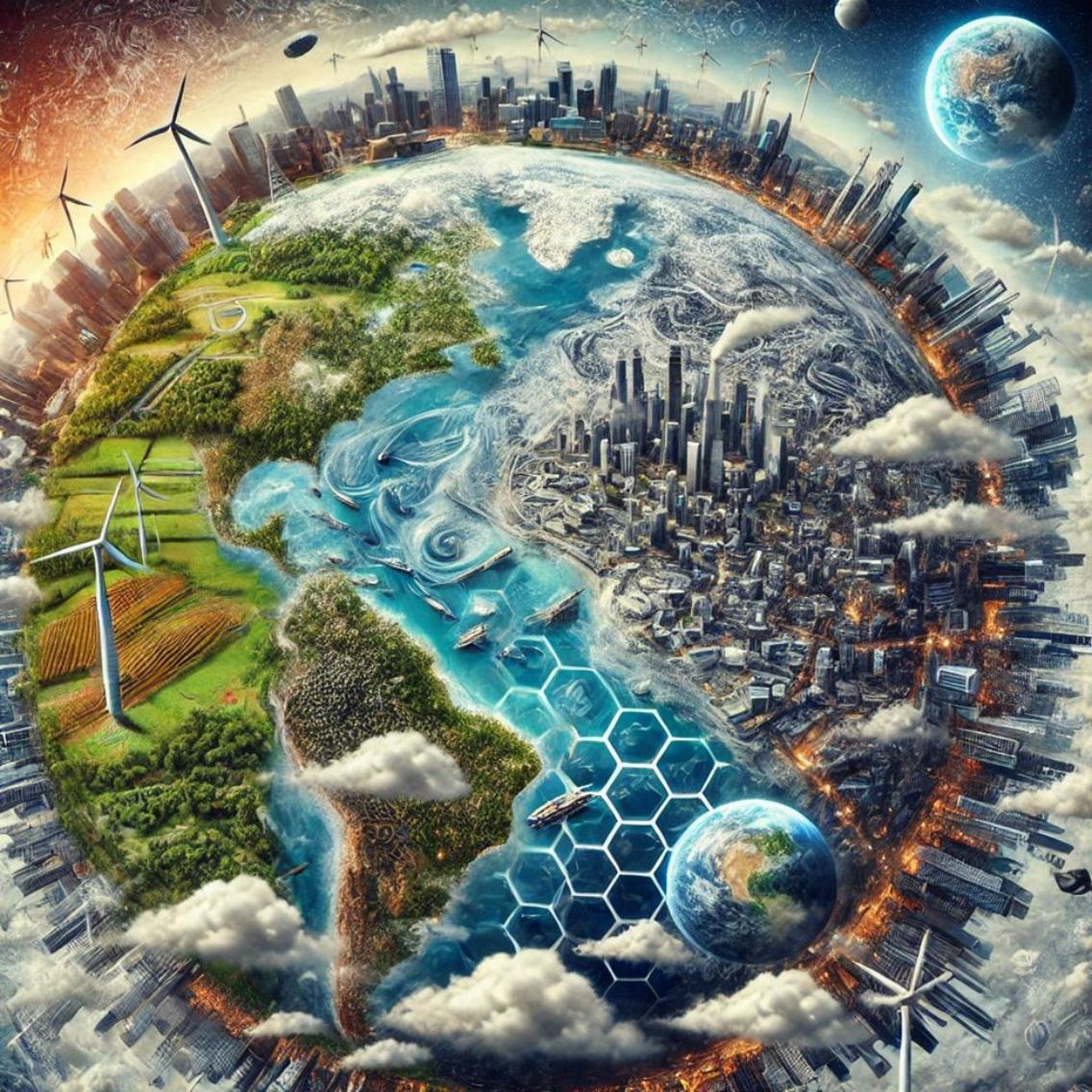
How the Earth might look after Trump's election, as drawn by Microsoft Copilot: California wildfires everywhere.
HE DARES…
Over the past 55 years — since Earth Day in 1970 awakened ecological and environmental thinking in America, the Clean Air Act was passed and the Environmental Protection Agency (USEPA) was founded, and the 1972 Stockholm summit brought together international environmental protection and the idea of one Earth, one family — the United States has always been the big brother leading the way. This was America's important contribution as world policeman and helmsman of universal values.
Now the big brother's big brother says he won't play any more, and has decided to ignore everyone else and play his own game. Swedish teenager Greta Thunberg's "How dare you!" still rings in our ears, yet Trump carries on as before, defying the international environmental tide, utterly unafraid.
Judging by his words and deeds, Trump's energy, environmental and climate policies differ markedly from his predecessors' and from mainstream international trends. Here is a comparison in several main areas:
The Trump administration strongly supported fossil fuel development, especially oil and gas extraction, and loosened restrictions on the coal industry. He champions "energy independence" and stresses the self-sufficiency of America's energy industry. He also signed a series of executive orders scrapping his predecessor's environmental limits on oil and gas extraction and opening more federal land to energy development. Before even taking office this time, he was already eyeing Greenland's natural resources.
By contrast, previous administrations (such as Obama's and Biden's) paid more attention to promoting renewable energy and set targets to cut carbon emissions. The mainstream international trend also favours renewable and clean energy technologies to address climate change, working together to meet emission-reduction goals under the Paris Agreement. Trump has thrown all of this away like an old shoe and may go even further, overturning US energy policy from top to bottom, with his thinking going back to before the first world energy crisis of the 1970s.
The big brother's big brother won't play any more!
As the 45th president, Trump drastically cut environmental regulations, weakened the powers of the Environmental Protection Agency (EPA), and scrapped or loosened dozens of environmental rules. His administration saw these regulations as unnecessary obstacles to economic growth and business development and believed regulation of business should be reduced.
Previous administrations, by contrast, stressed the importance of environmental regulation and worked to enforce and strengthen it to protect the environment and public health. Internationally, most countries are also continually strengthening environmental measures and legislation and promoting sustainable development.
The Trump administration withdrew from the Paris Agreement and was sceptical about climate change; it is no surprise that on taking office again he is withdrawing once more. His administration believes climate policy should not limit economic development and puts economic interests first. It scrapped many policies and programmes aimed at reducing greenhouse gas emissions and played down the threat of climate change.
By contrast, Democratic administrations actively took part in international climate agreements and introduced many domestic emission-reduction policies. The international mainstream also broadly agrees that tackling climate change is urgent, with countries strengthening cooperation to meet climate challenges together and pursue carbon neutrality.
Looking back over the past 20 or 30 years, global environmental degradation and climate warming have not been halted or improved by past "international attention". The Montreal Protocol, under which the world jointly stopped using ozone-depleting CFCs, did succeed — the ozone hole really has shrunk. But compared with greenhouse gases, a far broader problem, efforts have fallen short: the upward trend in temperatures and the volume of anti-warming voices have risen in step. Even the blindest can see that over these 30 years we have clearly gone in the wrong direction and done the wrong things — otherwise how could it have come to this? Of course, it is also possible that scientists collectively faked it, with wrong predictions and judgements making the crisis worse.
Can it get any worse?
Personally, I support Trump's attitude of "no more pretending". It may lead the EU and other industrial countries to "stop pretending" too, letting carbon emissions rise to see what really happens to the Earth — you reap what you sow. Especially in the past two years, Germany, the green-energy pioneer and the world's model student for phasing out nuclear power, has suffered a serious economic downturn; one of its largest companies, Volkswagen, faces plant closures and layoffs, and the country has lost its former moral high ground.
Marginal effects
Trump's greatest impact on international energy, environment and climate will probably be his "maverick" rhetoric and actions that return to the isolationism of 19th-century America. The diplomatic, military and tariff effects on his own doorstep will draw the attention of the major powers. With the sun blazing, everyone will look out for themselves, and no politician will care about distant polar bears, Antarctic penguins or straws in sea turtles' noses. Everyone will be busy stockpiling and fighting for their own country's (or their own) interests. I am very curious to see how this year's 30th climate convention conference will go — and whether it will happen at all.
Back to the ground beneath our feet
I started covering environmental issues in 1985 when I joined the United Daily News Group as a reporter, visiting pollution sites across Taiwan and getting to know many victims. By chance I co-organised Taiwan's 1990 Earth Day with anti-pollution groups and entered the international fields of environmental protection and conservation. This also introduced me to the International Organization for Standardization (ISO), where I gained first-hand knowledge of standardisation, global procurement and supply-chain management. I took part in the strategic planning of multinational companies, setting up a joint-venture car factory and deploying its supply chain, and lived through the transformation of China's car industry around 2000.
Master one discipline and you master them all. After 2020 I began researching Taiwan's smallholder production and marketing system and using my expertise in international standards and certification systems to help smallholders take climate action through carbon farming — truly fixing carbon through crops' photosynthesis (plants turn carbon dioxide from the air into soil organic carbon). After three years of practice and experimentation, I believe this is indeed the best application for reducing carbon — in fact a carbon-negative one.
"Striking the earth": responding to future change and shocks
This requires total commitment, because old farming methods are deeply entrenched and few are willing to return to land-friendly "sustainable soil management" or interdisciplinary integrated soil management and application. It has to be put into practice by smallholders who have nothing to fear and nothing to lose, because they carry no baggage and only want to make a living from farming.
Besides helping smallholders with emission-reduction and Sustainable Development Goals certification, the more important task in 2025 is to help smallholders open up markets for their produce: without consumption there is no supply. In a free market, consumption drives production. Only when businesses and consumers start buying carbon-farmed, low-carbon produce will more smallholders join carbon farming, giving us a chance to lower atmospheric CO2 concentrations and build a solid ecosystem-services value chain.
However tough Trump is, and whether or not he can make America great, photosynthesis will not change, and neither will crops' ability to fix carbon. We must speak and act with facts and evidence.
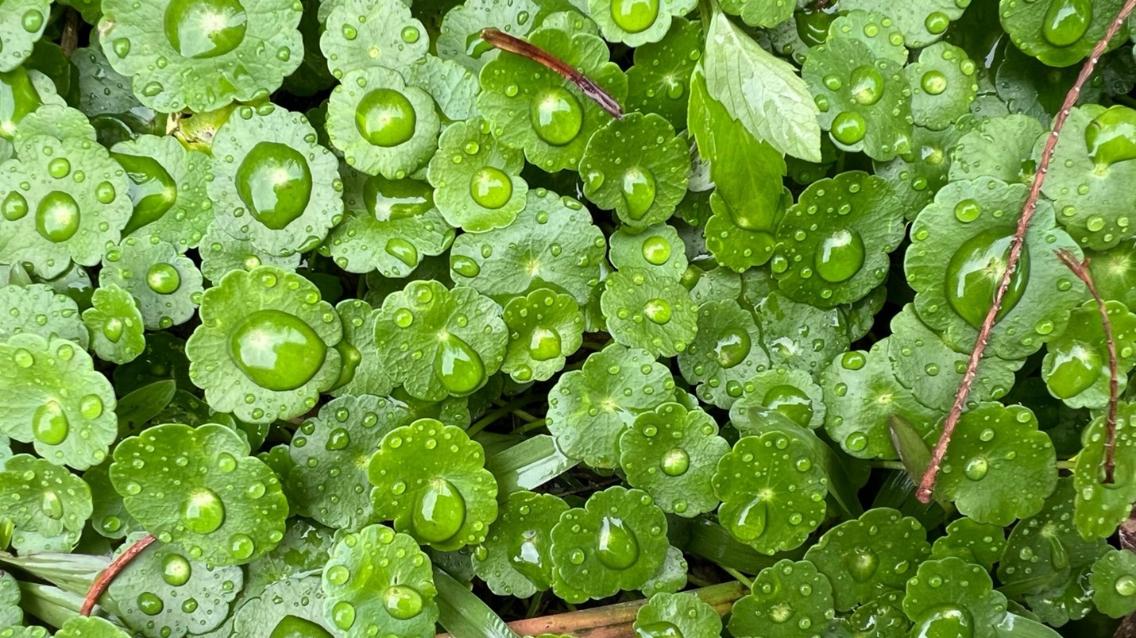
Every blade of grass has its own drop of dew — what has the emperor's power to do with me? (Photo: Jay Fang)
It brings to mind the scene of the ancient "Song of Striking the Earth" — isn't it just like today?
At sunrise I work, at sunset I rest;
I dig a well to drink, I till the fields to eat.
What has the emperor's power to do with me!
Source: CM Media ( https://www.cmmedia.com.tw/home/articles/52051 )


