 努力小農
本文尚無譯文。
The DSR live experiment begins
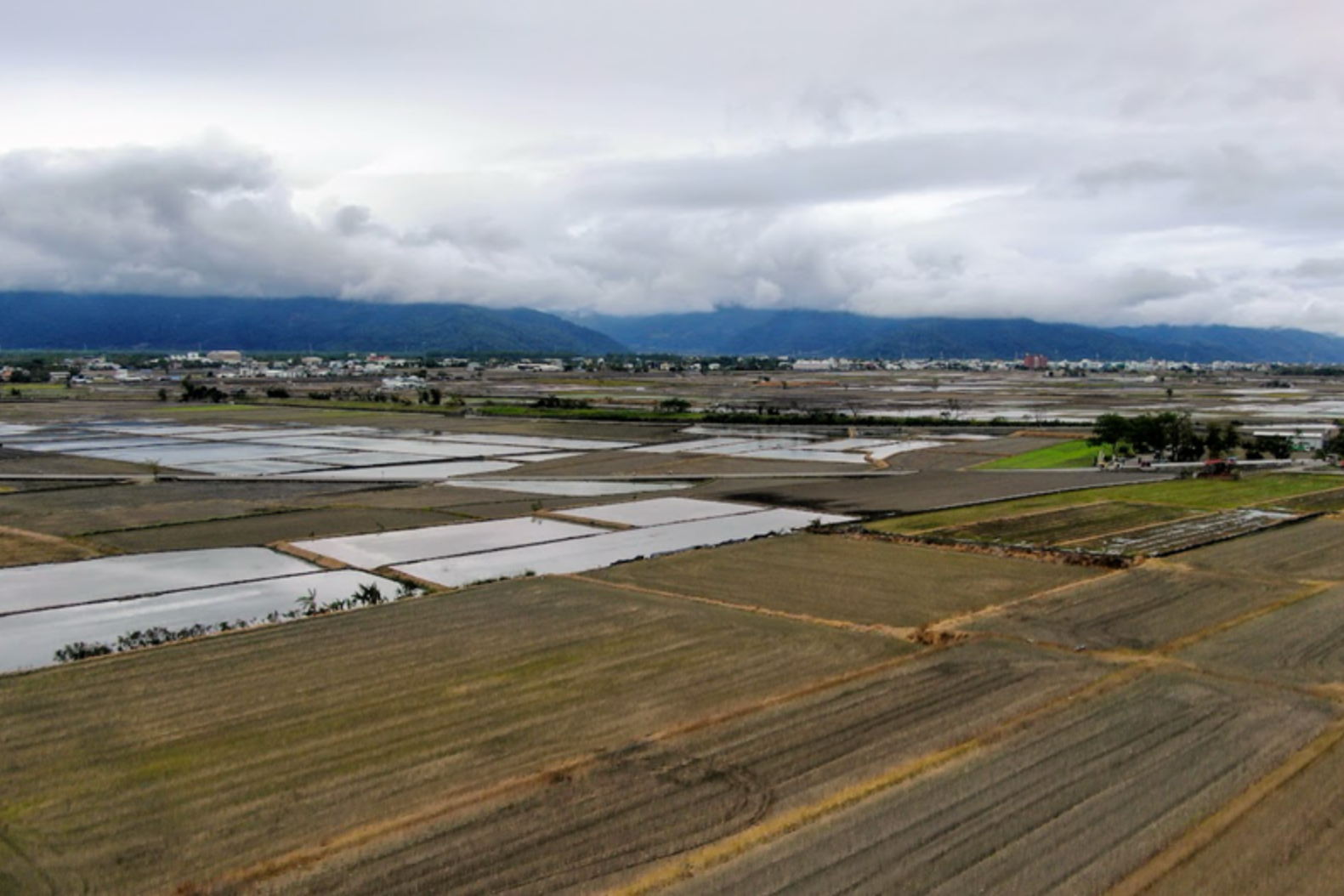
The year's plans are made in spring. Almost 100% of Taiwan's paddy fields are planted with seedlings taken from nurseries and transplanted. But with labour shortages, water shortages and carbon farming conditions, direct seeding — common 60 years ago — has once again become an option. (Photo: Jay Fang)
This isn't clickbait. Don't think this article is about "Dynamic Super Resolution (DSR)" live-streaming technology; it's about "Direct Seeded Rice".
Smallholder carbon farming began in 2022 and is now in its third year. We have found that reducing tillage and increasing ground cover is the best way to increase soil organic carbon, because by far the most important source of soil organic carbon is not fertiliser but carbon dioxide turned into glucose by plant photosynthesis. After metabolism it enters the soil, where repeated interactions with microbes and small animals such as earthworms produce long-term stored organic carbon such as humic acids — also an essential nutrient for plants. Even more important is the large share made up by the biomass of the microbes themselves that live in symbiosis with crops and soil.
So if paddy fields used direct seeding instead of today's method of raising and transplanting seedlings, in theory part of the impact of ploughing could be reduced, increasing the soil's chance of fixing carbon. But others have walked this road before, and it is full of hardship and uncertainty. If water is plentiful and labour costs are low, transplanting is the safe path. But with Taiwan's water resources becoming scarcer and labour costs rising, plus the incentive of carbon farming, it is time to reconsider direct seeding.
Can rice tillage be reduced under the iron rule of no yield loss?
Rice smallholders are the largest group in smallholder carbon farming, and asking them to reduce tillage may be harder than reaching the sky. Almost every smallholder tells me that without tillage (puddling) they cannot suppress weeds and the rice won't grow well. Some even boast of how many times they puddle — up to eight or nine times across two crops a year. At about NT$5,000–6,000 per hectare per puddling, it is actually quite costly, yet rice farmers keep doing it gladly and are willing to spend the money, because they believe it raises yields.
"Yield" is also an important indicator in Gold Standard certification. If implementing emission reductions and carbon sequestration reduces crop yields by more than 5% compared with the previous five-year average, the project loses its eligibility for emission-reduction certification for that year. (If the cause is force majeure such as weather, yields must be compared with the surrounding area and must not be lower than the area's yields.)
So in the past two years we also asked about practices and experience with no-till and reduced-till rice, and mostly got shaken heads. But having read The One-Straw Revolution by the modern natural farming pioneer Masanobu Fukuoka, which stresses the benefits of no-till, some carbon-farming smallholders can't help wanting to try. Believing everything in books is worse than having no books, so it's time to find some small plots to experiment on and see whether there's a chance.
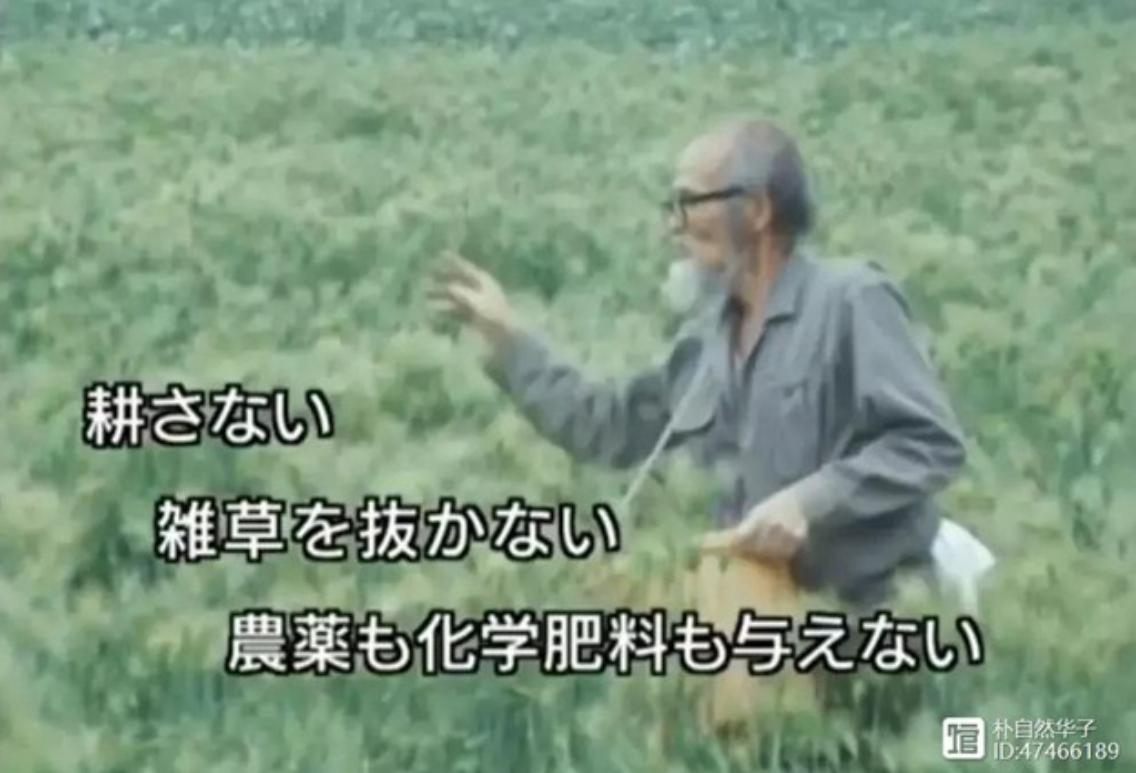
Many people admire Masanobu Fukuoka's natural farming. He sowed seed directly without tillage and achieved higher yields than the tillage, fertiliser and pesticides that ordinary farmers use. (Image: from the internet)
Starting direct seeding
At the Global Soil Doctors training course on 18 January, Changliang smallholder Chiu Chui-chuan and Hsieh Ching-kuei of the Mitian Sharing Cooperative hit it off and decided to run an experiment on their own land. In keeping with the open, transparent and participatory spirit of smallholder carbon farming, we decided that whether it succeeds or fails, the process and results should be made public so that everyone can contribute ideas.
I am a complete outsider to farming, but my strengths are a deep knowledge of certification rules, testing and experimental design, so I volunteered to take part in this experiment.
First we need to discuss and look up relevant literature as a reference for the future experimental fields and for experimental design. Whether it succeeds or fails, it will help as a reference for future work or improvements.
We must first understand the possible advantages and disadvantages, find ways for the experimental group to seek the good and avoid the bad, and compare it with a control group before we can determine the pros and cons.
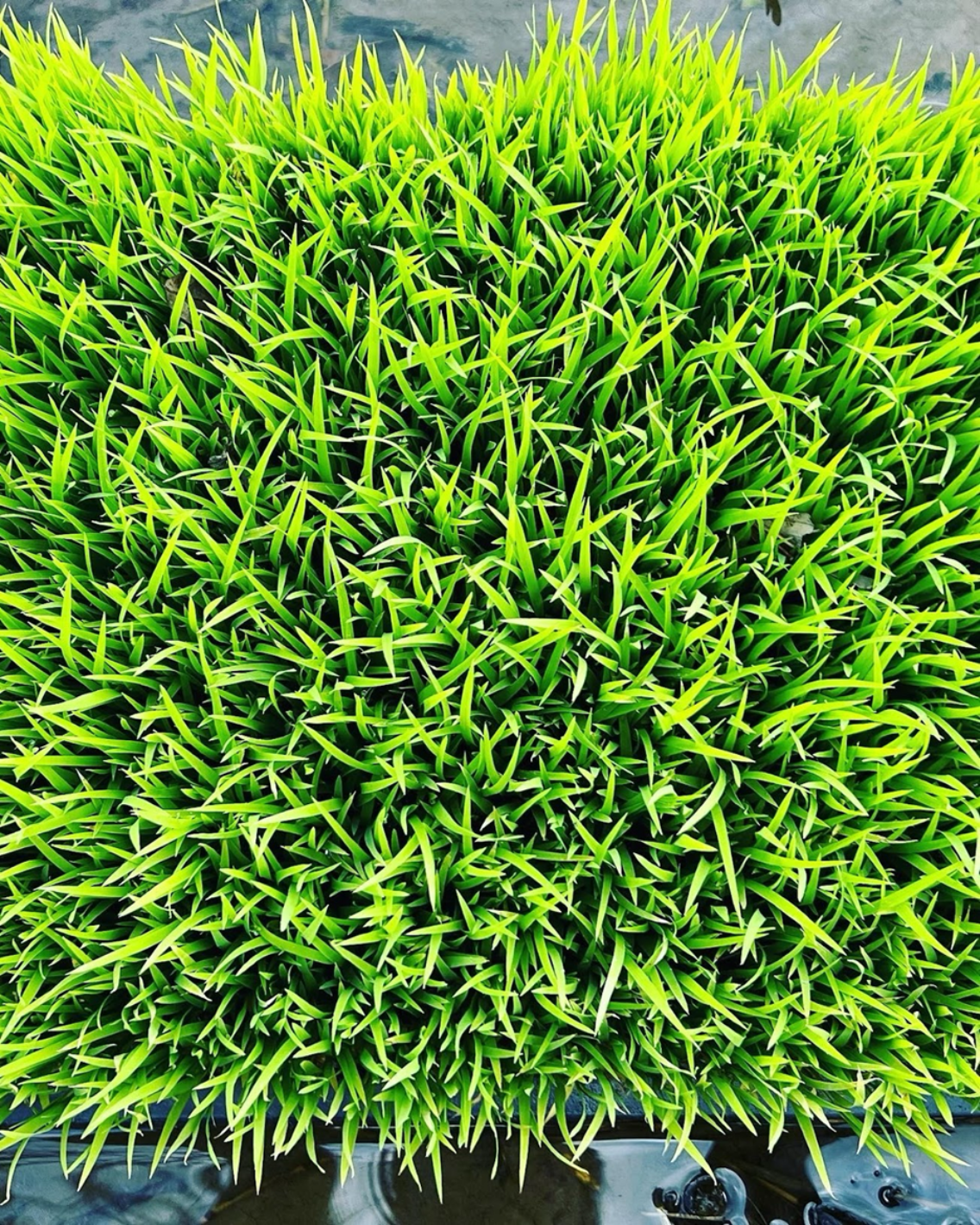
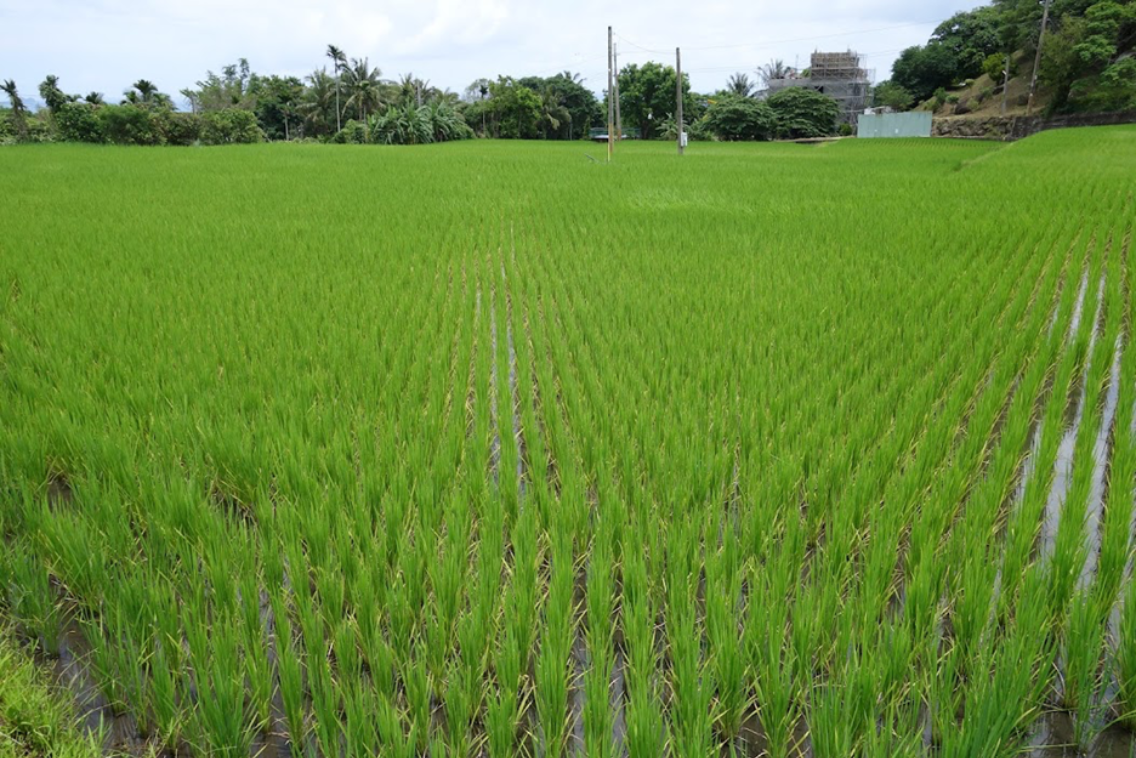
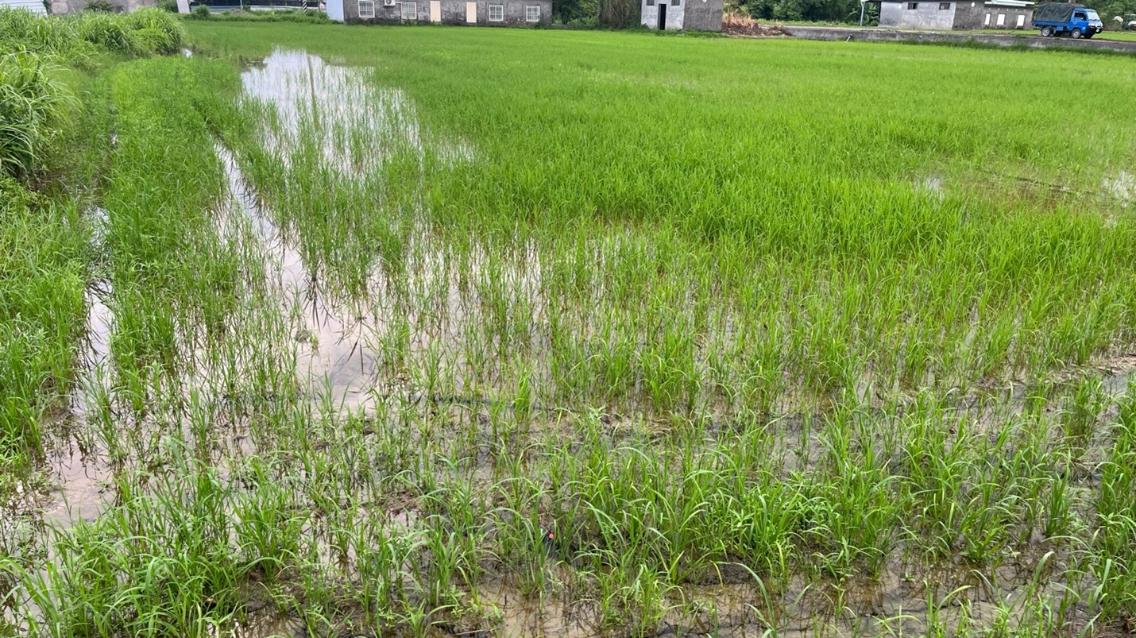
Transplanted rice is neat and uniform and looks good, while direct-seeded rice is messier. But in the end we must look at yield and cost to weigh the pros and cons. (Image courtesy of Jay Fang)
Disadvantages of direct-seeded rice
1. Weed management challenges
Compared with transplanted fields (by far the most common practice today: buying seedlings from a nursery and planting them with a rice transplanter), weed control in direct-seeded fields may be harder. Without a nursery stage, rice sown directly in the field and weeds can germinate at the same time, leading to greater competition for resources.
2. Vulnerability to pests and diseases
Direct-seeded rice is usually more vulnerable to certain pests and diseases. Besides the sown grains becoming breakfast for the early birds, young rice plants lack the protected nursery stage and are more exposed to insects and pathogens.
3. Seed quality and growth rate
Direct seeding usually needs a higher seeding rate to ensure enough plants, which may raise seed costs. Seed quality also becomes crucial, because poor seed leads to uneven germination and crop growth.
4. Soil fertility requirements
Direct seeding needs well-prepared, fertile soil to ensure good seed–soil contact and germination. This may require extra soil preparation and nutrient management practices, which take some time and trial to master.
5. Sensitivity to weather
Weather plays an important part in the success of direct seeding. Heavy rain or drought can harm germination and establishment, making the method more dependent on favourable weather. This calls for more effort in water management, but how to do it is not yet settled; we can only feel our way through experiments.
Advantages of direct-seeded rice
Direct seeding of rice is a method of sowing rice seed straight into the field rather than transplanting from a nursery. Because of its potential benefits and efficiency, it has become increasingly popular in recent years. But like any farming practice, it brings its own set of challenges.
1. Labour and cost efficiency
Direct seeding greatly reduces labour costs because it eliminates the labour and cost of raising, pulling and transplanting seedlings. This is especially beneficial in Taiwan, where labour is ever more expensive and workers ever harder to find.
2. Faster crop establishment
Transplanted seedlings suffer root damage and need time after transplanting to recover and adjust before growing normally. By sowing grain directly in the field, the crop can establish faster than with traditional transplanting. This can lead to earlier harvests, an advantage in areas with tight planting schedules.
3. Water savings
Compared with traditional transplanting, direct seeding usually needs less water. The water used to maintain nurseries and for transplanting can be saved, making the method better suited to areas facing water shortages.
4. Less soil disturbance
Compared with transplanting, direct seeding minimises soil disturbance, which helps maintain soil structure and reduce erosion. In the long run this leads to better soil health.
5. Potential for mechanisation
Direct seeding can easily be mechanised, further reducing labour needs and improving efficiency. Seeders and drills can be used to sow evenly at the right depth.
Preliminary conclusions
Direct seeding is a viable alternative to traditional transplanting, with many advantages such as labour and cost efficiency, faster crop establishment and water savings. But it also poses challenges for weed management and pest and disease control, and requires careful attention to seed quality and soil fertility. Ultimately, the decision to adopt direct seeding will depend on specific regional conditions, resource availability and management capacity.
From the standpoint of carbon farming and its balance with yield, direct-seeded rice is worth trying. Whether it succeeds or fails, we will be able to explain why and share it with everyone.
We need to invite people who have implemented, experimented with or researched this to discuss together how to seek the good and avoid the bad, designing the experiment through the materials, methods and timing of each step, and comparing experimental and control groups at key steps, materials and timings, so we can find possible answers step by step.
This is only our preliminary experimental idea for smallholder carbon farming. Anyone interested is welcome to follow, experiment and research with us to find a possible way forward.
Source: CM Media ( https://www.cmmedia.com.tw/home/articles/52201 )


