 努力小農
本文尚無譯文。
The year's plans are made in spring
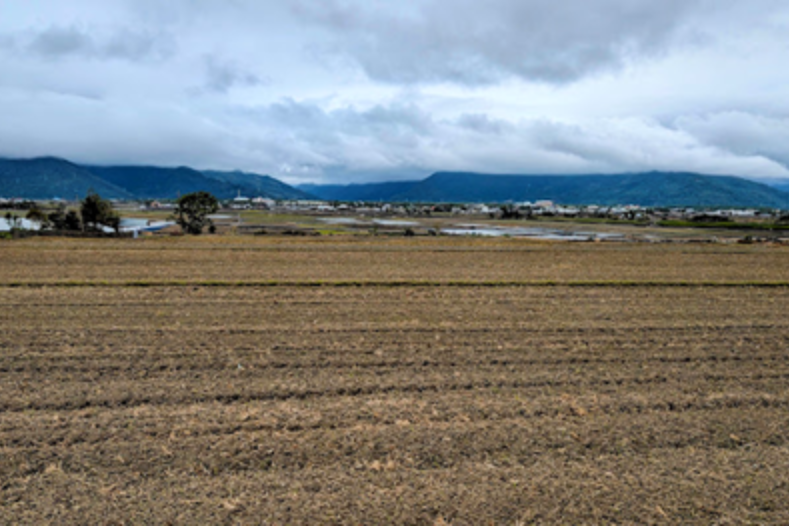
That fields must be ploughed in spring has become an unshakeable "faith". Yet bare soil is the reason soils lose so much carbon. Reducing bare soil, increasing cover and lessening human physical and chemical impacts are key to smallholder carbon farming. (Photo: Jay Fang)
Spring: the critical moment for smallholder carbon farming
Musk's big paymaster, NASA, publishes a time-lapse each year of changes in CO2 concentration in the Earth's atmosphere, showing a rise in CO2 visible to the naked eye during spring, from February to May. (NASA online information)
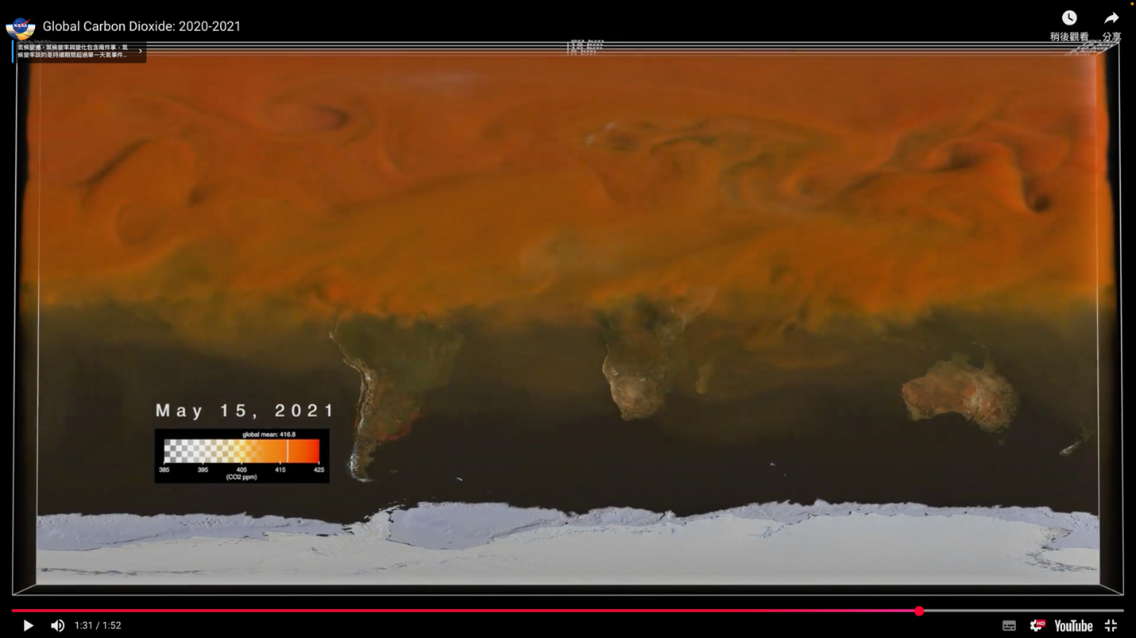
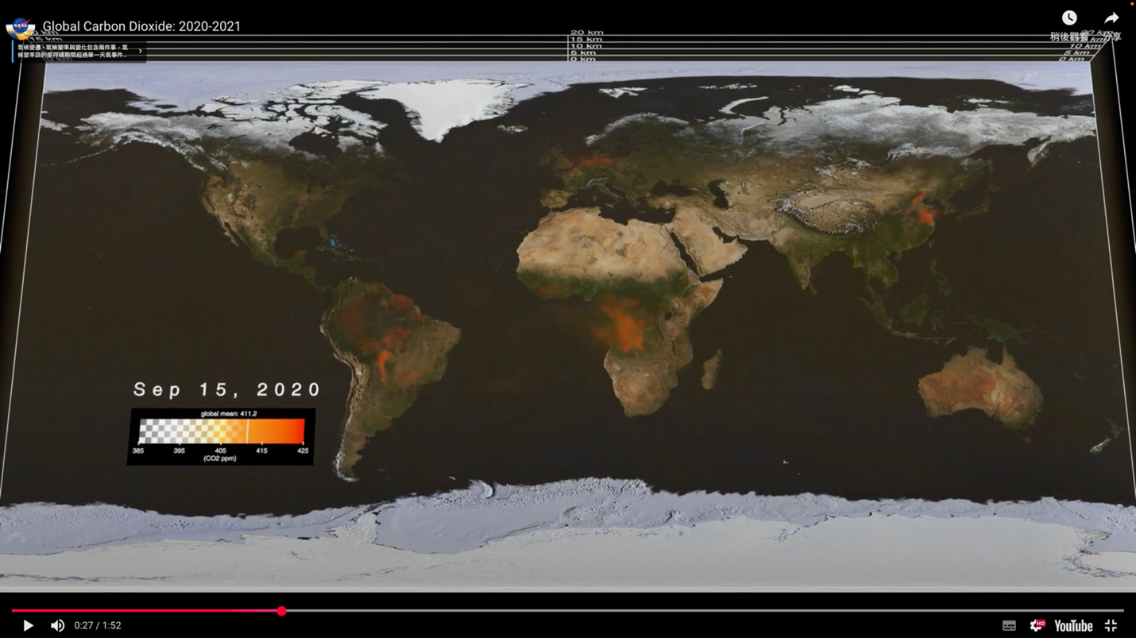
From relatively low atmospheric CO2 on 15 September 2020 to the relative peak on 15 May the following year — this increase in CO2 comes from emissions after farmland tillage disturbs the soil. (Image: youtube@NASA Climate Change)
If humanity sincerely wants to cut carbon, it must use spring to curb the rising trend of CO2 in the atmosphere: that is, reduce excessive tillage in agriculture and the overuse of pesticides and fertilisers. This not only reduces CO2 emissions but makes the land, crops and human consumers healthier.
If Musk wants to emigrate to outer space, he needs all the more to understand soil ecology. Wherever humans go, they still need to eat and excrete, and they still need to live in symbiosis with plants, animals and microbes. SpaceX rockets alone are not enough.
Whether or not you believe in global warming, rising CO2 concentrations are a fact
Trump denying global warming and leaving the Paris Agreement, or Musk's Department of Government Efficiency cutting tens of thousands of jobs at the US Environmental Protection Agency and international development agency — even abolishing the Department of Education — I'm all for it. Because the biggest cause of global warming is governments that talk but don't act, or waste without restraint; that is the root of the problem.
At least the Trump–Musk regime hasn't yet cut the Global Monitoring Laboratory of the US National Oceanic and Atmospheric Administration (NOAA). Every day this laboratory publishes real-time CO2 concentrations; its monitoring station on Mauna Loa in Hawaii has been measuring CO2 concentrations since the late 1950s. Atmospheric CO2 has risen from 315.71 ppm (parts per million) in March 1958 to 426.65 ppm in January 2025. The upward trend is very clear and positively correlated with humanity's consumption of fossil fuels.
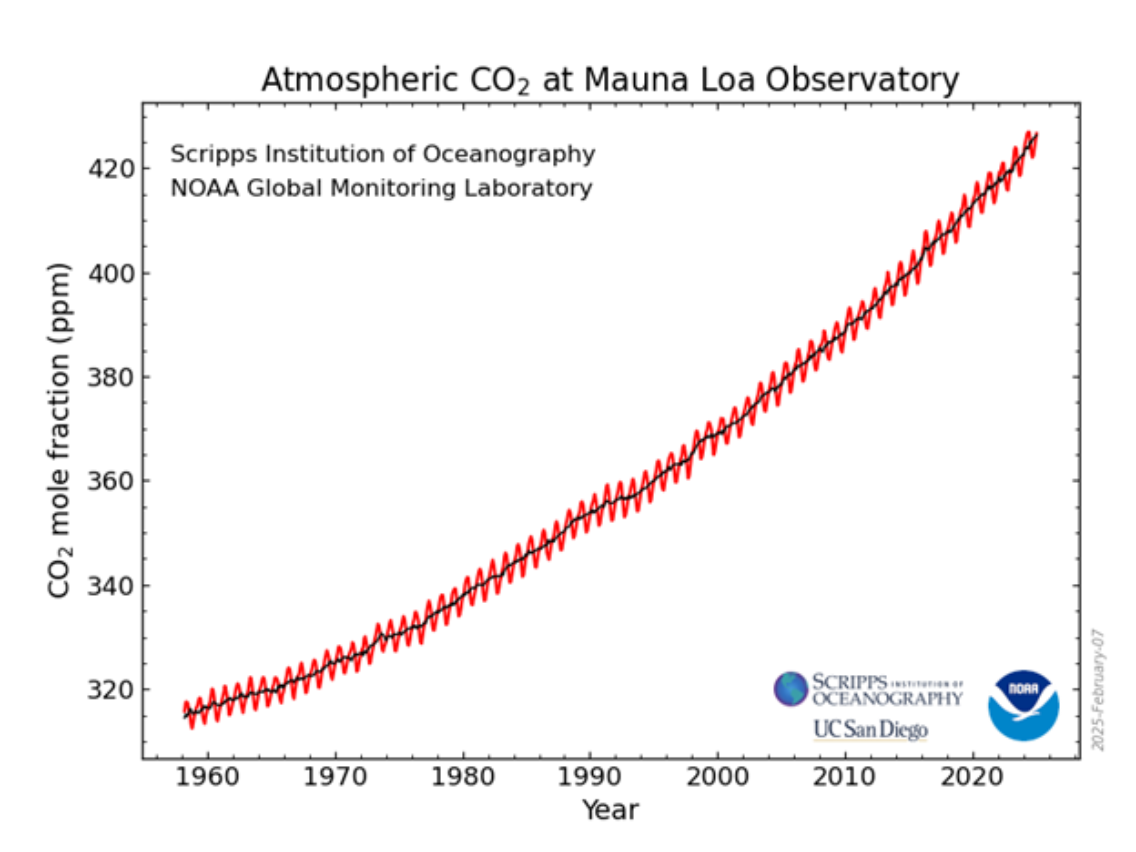
Global CO2 trend from March 1958 to January 2025, clearly showing CO2 concentrations rising year after year in positive correlation with human fossil fuel burning. (Image: NOAA) The red line shows actual values; the black line shows the trend.
Looking at the trend more closely, concentrations peak each May and are lowest each September. That's because plants photosynthesise in summer, drawing down atmospheric CO2, while each winter the populous northern hemisphere needs heating and burns more fossil fuel or firewood, causing more CO2 emissions.
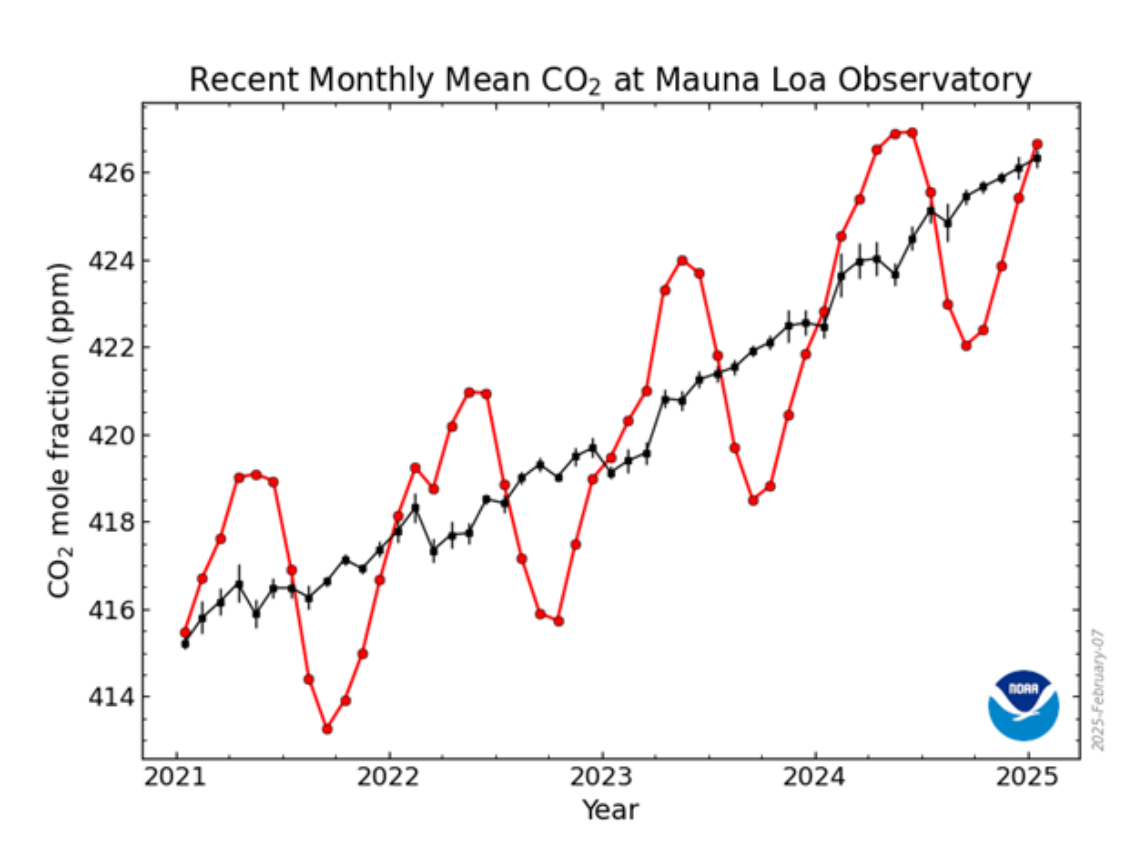
Global CO2 trend from January 2021 to January 2025, clearly showing the lowest concentrations each September and the highest each May. (Image: NOAA) The red line shows actual values; the black line shows the trend.
Yet in March, when the weather warms, CO2 concentrations should in theory stop rising. In fact, from March to May CO2 concentrations keep climbing to their peak, rising by about 3 ppm. And this peak rises by 3–4 ppm every year.
The agricultural revolution overthrew the soil
This pattern is very stable. Back in the early 2000s it was already shown that the extra CO2 each spring comes mainly from ploughing farmland, which releases large amounts of carbon-containing organic biomass from the soil. Microbes are the main component of soil organic matter. The physical action of ploughing destroys their habitat and exposes them to the sun's ultraviolet rays; add the onslaught of chemical weapons — pesticides, fertilisers, herbicides — and microbes, and even soil-dwelling animals such as earthworms, die in huge numbers and turn into CO2.
So at the 21st Conference of the Parties to the Climate Change Convention (UNFCCC COP21) in 2015, the French agriculture minister proposed the "4 per 1000 Initiative", showing that increasing soil organic carbon by just four parts per thousand a year would let soils absorb enough CO2 to offset humanity's annual emissions.
Many experts consider this scientifically feasible. By changing from today's ploughing with large machinery to "subtractive farming" — more cover, fewer pesticides, fertilisers and herbicides — we can stop the loss of soil organic matter/CO2 and even increase soil organic matter. This not only restores the soil but makes crops healthier, higher-yielding and more nutritious.
Facing the truth is the only way to solve the problem — starting in spring
People in modern times believe that more fertiliser makes plants grow better, more pesticide keeps them free of pests and diseases and gives higher yields, and herbicides stop weeds stealing the crops' fertiliser… This is almost everyone's consensus.
But the truth about plant growth and soil organic matter is this:
1. Photosynthesis. Plants photosynthesise, absorbing CO2 from the air and turning it into the main body of their roots, stems, leaves and fruit. All life on Earth is "carbon-based"; photosynthesis is the life mechanism that turns carbon from inorganic to organic.
2. Plants themselves metabolise, so about 40% of the CO2 absorbed by living plants is turned into organic matter and passed through the roots into the soil, where bacteria turn it into small organic molecules or long-term organic carbon such as humic acids, which again become varied carbon-containing organic nutrients for plants to absorb.
3. The crop's above-ground parts — stems, leaves and fruit — account for about 30% of the CO2 absorbed, and the roots for another 30%. After harvest, most of this remains in the field as residues; these residues fall to the ground and are broken down by small animals and microbes, becoming soil organic matter again.
4. With proper management — working with the plants' nature and maintaining a diverse ecosystem — crops grow well and more soil organic carbon accumulates, making the soil more fertile.
It's a simple formula. All primeval forests and grasslands, without human physical and chemical interference, naturally accumulate soil organic matter, making the land more fertile and nourishing all things, and their soil organic matter is very rich.
Because modern agriculture and commerce prize single crops harvested quickly and in bulk, the natural rules formed over hundreds of millions of years have been broken. The nitrate explosives invented in the two world wars became nitrogen fertiliser, multiplying crop yields; the poison gases and defoliants used to kill in war became pesticides; tracked tanks became tillers. We created modern agriculture from the strategic and tactical weapons of war, and the result is scorched earth.
Source: CM Media ( https://www.cmmedia.com.tw/home/articles/52527 )


