 努力小農
本文尚無譯文。
Preparing for great change
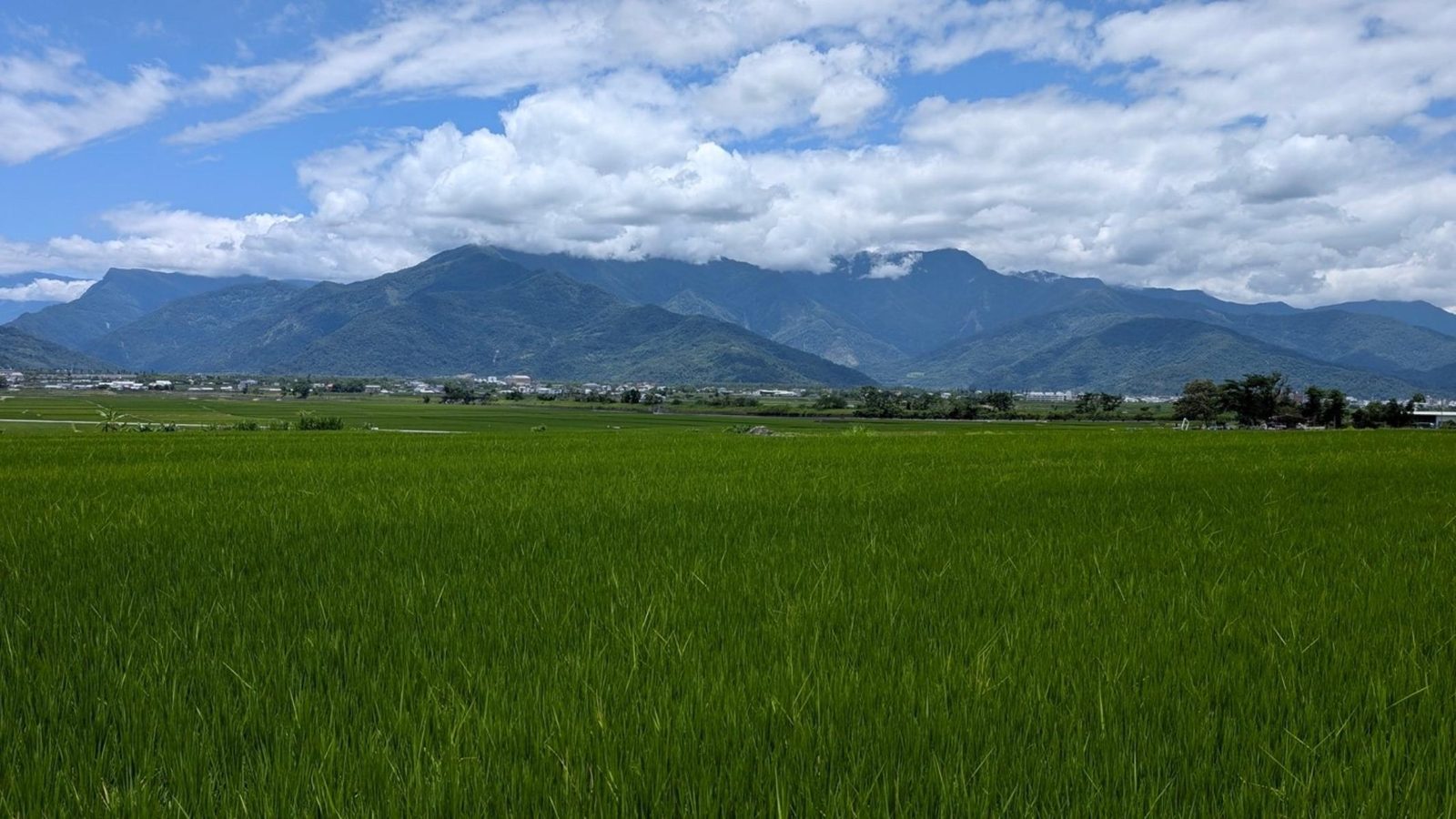
Amid great warming, it was already the Beginning of Summer in early May, yet the first rice crop in Hualien and Taitung may yield poorly because of low temperatures. (Photo: Jay Fang)
A cool Beginning of Summer amid great warming
The world is unpredictable. Amid great warming, it was already the Beginning of Summer in early May, yet the first rice crop in Hualien and Taitung may yield poorly because of low temperatures. In mid-May I visited farmers in Chishang, Taitung, and further south in Luye, tea grower A-Shan-ge (Chang Huan-jui) was complaining that it was "too cold": the tea wasn't growing well and the harvest would be smaller. Then in Minxiong, Chiayi (slightly further north than Chishang), I visited rice farmers: temperatures were normal and the first crop looked set to yield well. Little Taiwan, yet such big differences from place to place.
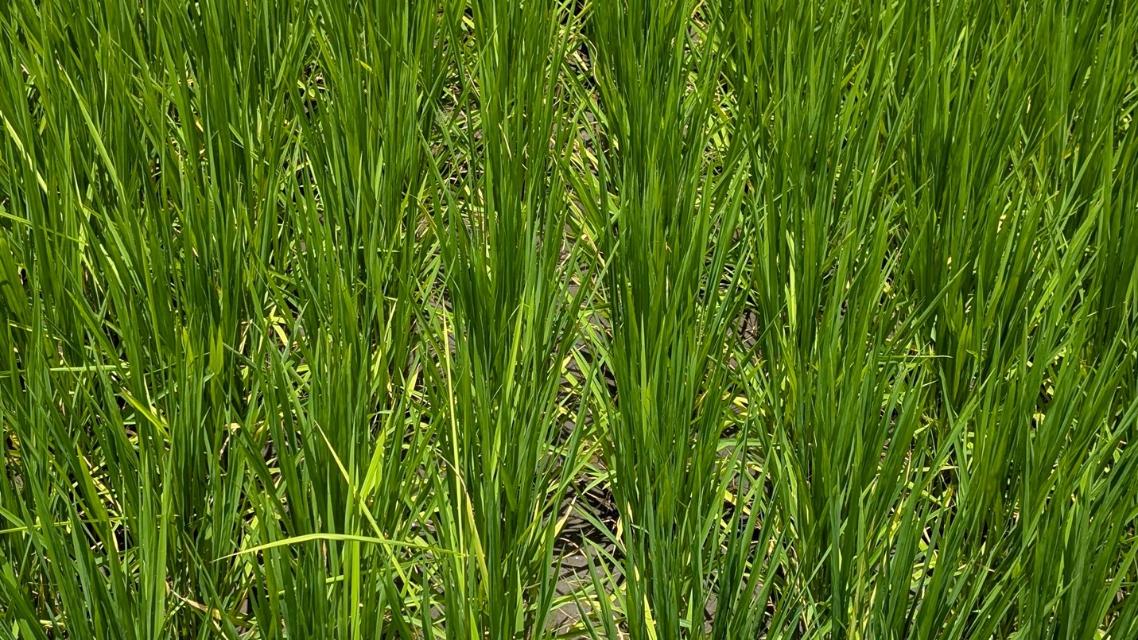
Because this year's weather is abnormal yet again, by mid-May Hualien and Taitung rice had begun heading because it wasn't warm enough, though the plants had not yet grown tall. (Photo: Jay Fang)
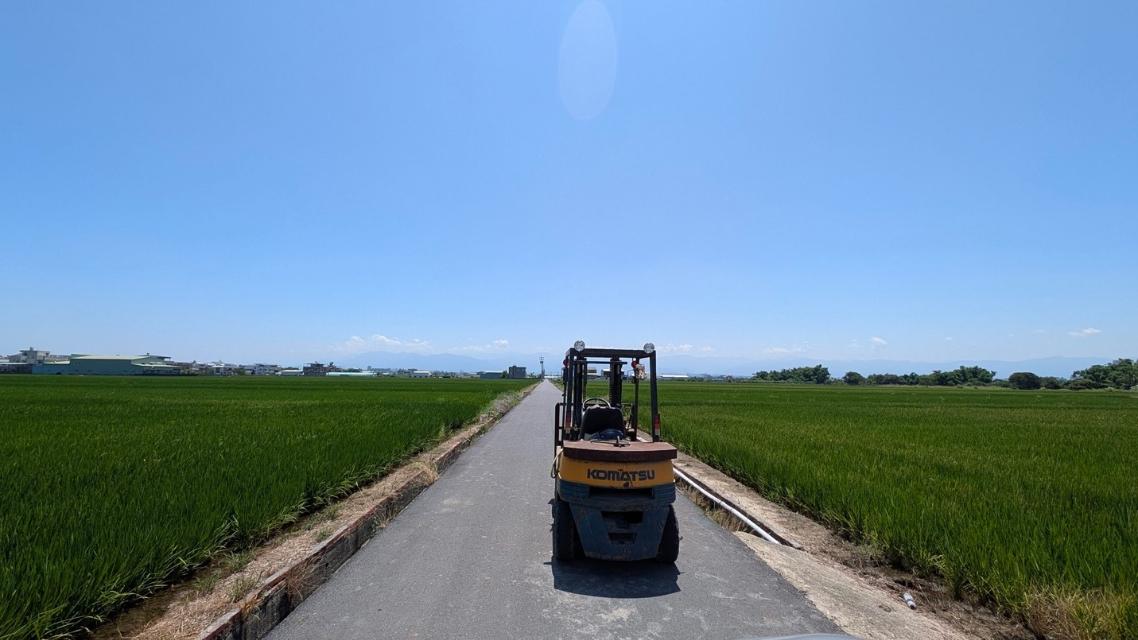
In Minxiong, Chiayi, further north than Taitung, the weather was favourable and the rice was already heavy with ears, ready to harvest next month. (Photo: Jay Fang)
The parable of the future I saw
Then there is Japanese manga artist Ryo Tatsuki's The Future I Saw, which predicts a great disaster on 5 July 2025 and has been getting more and more media attention lately — to the point of superstition. But Tatsuki's claims, combined with scientific evidence from geophysics and geology, are not baseless: squeezed by the Pacific, Eurasian and Philippine plates, island chains such as Japan, Korea, Taiwan and the Philippines could all suffer earth-shattering events — devastating disasters for humanity.
We can treat the prophecy for July 2025 as a "parable": whether or not it comes true on the day, from the perspective of the Earth's long-term evolution, such a great upheaval will happen sooner or later. Meanwhile, the risk of global warming slowly boiling the frog is also unfolding. If the former happens, that's the end of it; with the latter, we still have a chance.

Japanese author Ryo Tatsuki's The Future I Saw accurately predicted the 11 March 2011 Tohoku earthquake, and predicts that something big will happen in the waters around Japan's Ryukyu Islands on 5 July 2025. Whether or not it is true, given the geology from Taiwan to the Ryukyus, it is not impossible. (Image: Wikipedia)
The climate awakening of the world's smallholders
A friend recently sent me a video by Thai YouTuber Jon Jandai titled "Prepare for the big change". It happens to describe what many smallholders face with climate change.
In 1975 he first came to Chiang Mai, then a province of Thailand with very cold winters. You could see people lighting fires everywhere; even in the city people lit fires morning and evening and gathered round them to keep warm. In every village people built a fireplace around each house from November to February — that was winter here, very cool. But in the past 15 years no one lights fires any more, and no one even checks. It's a big chain reaction, he noticed — quite a big one — but few people talk about it, as if it were normal. How can winter disappear for more than 15 years?
Jon Jandai says that in recent years annual yields have fallen by 50%. In 2019, even though we had plenty of rain and good compost, why did yields fall? He noticed temperatures had risen, and one study found that a rise of as little as 2°C can cut rice yields. It was like an indicator telling him a crisis was coming, something big was going to happen. This year we prepared fully, but the rain didn't come until the middle of the rainy season, and by the time we started planting the season was almost over. When the right crops began to grow, before long heavy rain and great floods came, and in 2020 most people lost their crops. Many have come to realise this. Most people think it's normal, because their way of life has changed so much and they may no longer work in the fields.
Global climate change cannot be avoided, because the Earth is always changing. Some say "global warming" is caused by too much CO2; in fact the Earth is warming and cooling too fast — both warming and cooling — unstable and hard to predict.
Industrialised areas at most complain about the discomfort and inconvenience of the heat, and some businesses even do better: drink shops, air conditioners, electric fans, department stores — and of course the power company. Industry can control temperature and humidity inside its factories and keep producing; at worst the electricity bill goes up.
Farmers worldwide, victims of climate disaster, need corporate support
Farmers are the victims of the Earth's climate change. Smallholders generally farm small plots with a limited range of crops and limited capacity, so their ability to hedge against change is clearly inadequate. Even Lin Shih-feng of Shihfeng Orchard, who grows dozens of fruits on two or three hectares, often has poor harvests, and with wildlife damage on top, working hard for nothing is normal.
On top of that, Taiwan will predictably offer "zero tariffs" to please the United States. Then, besides American pork and beef, GMO produce (which Americans don't eat themselves; it's only for feed) and American rice will follow one after another, and farmers will have to tighten their belts.
Chishang rice is famous throughout Taiwan. It got ready for the impact of joining the WTO in 2002 by going organic and certifying Chishang origin, making Chishang rice a national brand. The crisis it faces now is even more uncertain; add geopolitical conflict, and it's natural disaster plus man-made calamity.
Taiwan doesn't grow enough rice to feed its whole population, yet everyone from government to the public now thinks Taiwan produces too much rice that won't sell, so huge resources go into "fallow and crop conversion". In fact imported rice that is "cheap and good-looking" (not good and cheap) has knocked Taiwan's rice down. And since the Second World War, Europe and America planted wheat on a vast scale, overproducing and dumping it, changing Taiwanese eating habits, so only 30% of the population's calorie supply comes from Taiwan. This is a long-standing crisis, yet Taiwanese remain complacent — when a Chinese aircraft carrier circles Taiwan, someone even organises a fishing-boat "self-strengthening outing" to watch the carrier instead of whales, with all the composure of "stay calm and carry on".
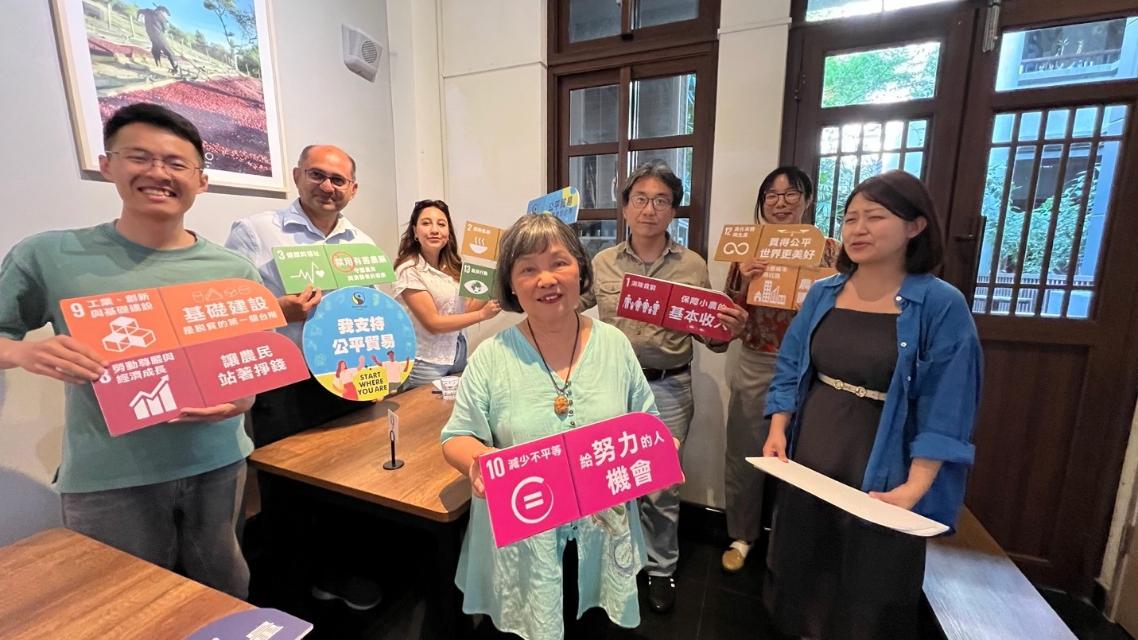
When companies support smallholders and realise SDG/ESG goals, whether or not great change comes, aiming for sustainability is the way to turn danger into safety. (Photo: Jay Fang)
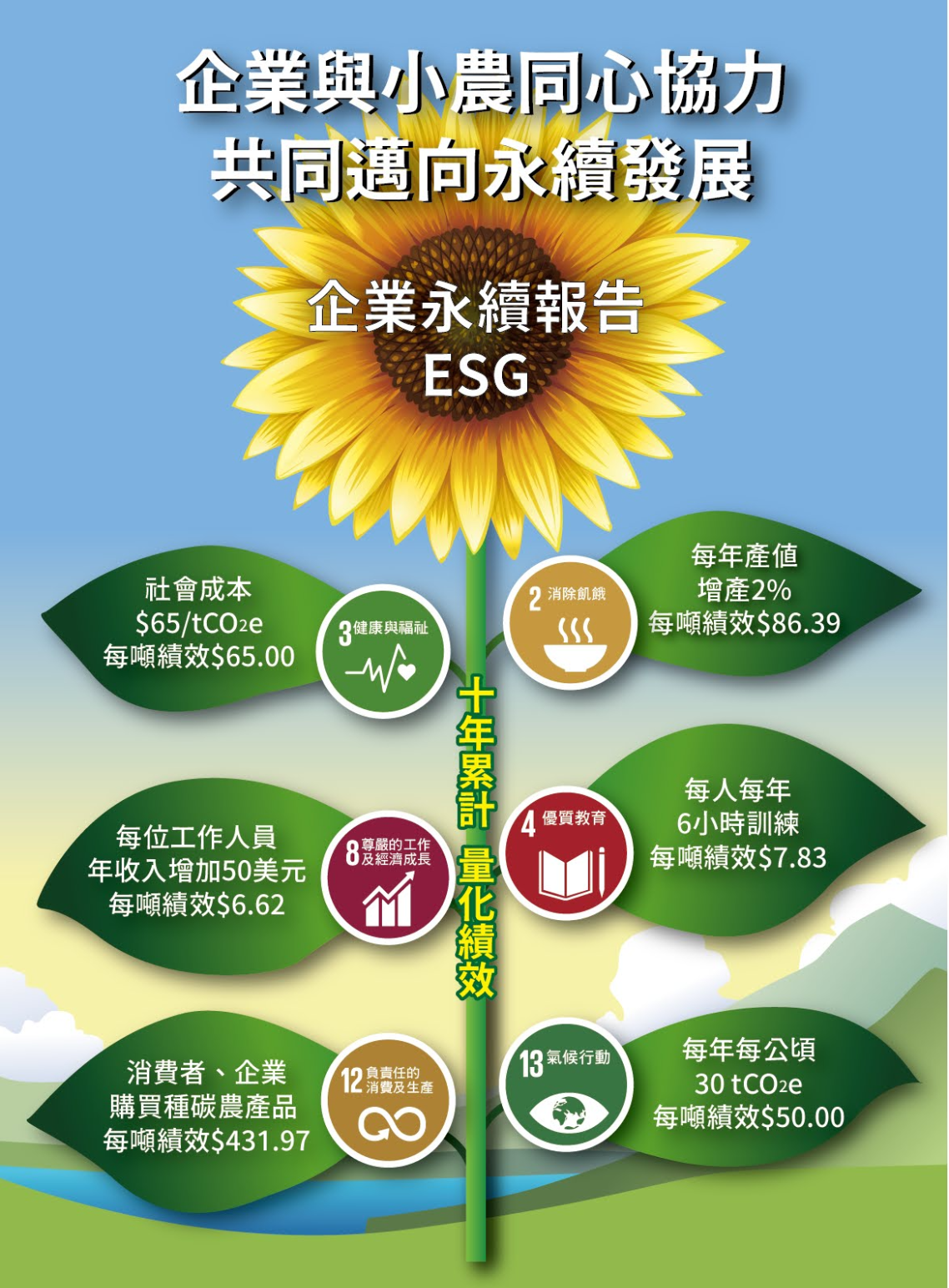
Smallholder carbon farming is entering the certification stage. In future it will offer not only emission reductions but also six SDG targets, which can be important material for corporate sustainability reports. (Image: Eco-affinity Inc., developer of the Taiwan Smallholder Carbon Farming Project)
Taiwanese companies' staff canteens should serve mainly Taiwan-grown food, but under competition from outsourced catering, most use cheap imported ingredients. This hollows out the very foundation of companies based in Taiwan. To talk constantly of "Taiwanese values" yet not eat Taiwan's produce makes no sense.
Smallholder carbon farming and MiHuMiSang provide a bridge between smallholders and companies, letting companies buy genuinely Taiwan-grown and Taiwan-made food directly from smallholders while gaining internationally certified ESG sustainability performance — the highest-quality produce and sustainable value at the most economical cost.
----------------
Source: CM Media ( https://www.cmmedia.com.tw/home/articles/54416 )


