 努力小農
本文尚無譯文。
Navigating the green transition: an investor's guide to carbon markets, climate strategy and nature-positive investment
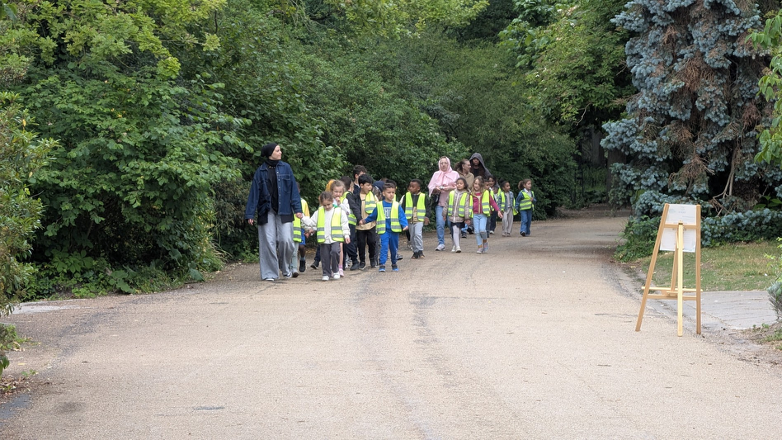
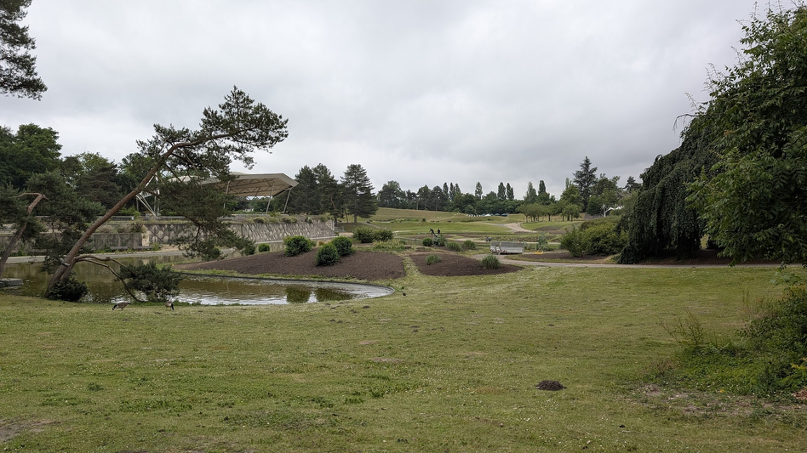
The venue was Paris's Parc Floral, with lovely scenery and weather. Kindergarten teachers often brought children to play in the park — our efforts and changes today are meant to give future generations a world where they can live and work in peace.
I. Introduction
On 5 June 2025, World Environment Day, the Gold Standard held its biennial conference in Paris. This echoes the UN's adoption of the Sustainable Development Goals (SDGs) ten years ago, and the 21st Conference of the Parties on climate change (COP21) in Paris, where the Paris Agreement was signed. Article 6 of the Paris Agreement defines international emission-reduction goals and how they are implemented, including Article 6.2 on governments' responsibilities and nationally determined contributions, and Article 6.4 on the principles of voluntary emission reductions and carbon trading. Ten years after these shared human agreements, it is a fitting moment to review the past, look to the future and share and act together.
Jay Fang, chairman of the Green Consumers' Foundation / Eco-affinity Inc. (project developer), and Hsieh Ching-kuei, adviser to the CEO of the Tzu Chi Foundation, attended.
In Paris one can't help strolling along the Seine, and Notre-Dame, nearly restored after the fire, is a must-see. To beat jet lag, after arriving at Charles de Gaulle Airport a little after 6 a.m., we took the RER and a bus, asking the way, taking wrong turns and waiting for the wrong bus, and finally reached our Airbnb after 10. Then we went out to wander, taking the metro into the city and heading straight for Notre-Dame. Unfortunately a crowd of tourists was already queuing, so we looked for a genuine Left Bank café. A quick Google search turned up the famous Les Deux Magots — in Chinese, "the two old men", which suited two sexagenarians on a pilgrimage. It turns out the "two old men" are two 19th-century Qing officials in court robes — actually fictitious figures dreamed up by Parisians of the time. We two old men took a photo in front of these two imaginary figures as a souvenir.
We hoped this trip would take smallholder carbon farming international, helping smallholders cope with global climate change while producing better food and carbon assets and carbon credits, connecting with the world and marketing globally — achieving "glocalisation".

Having travelled thousands of miles to Paris, two old men from Taiwan went to Les Deux Magots to beat jet lag.
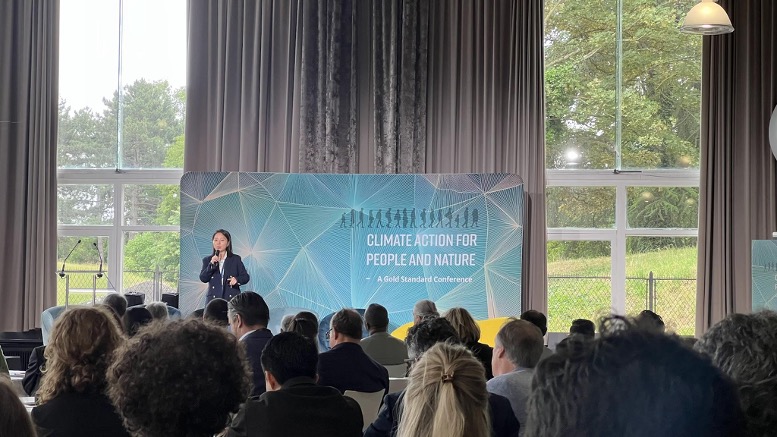
The Gold Standard's 2025 biennial gathering took place in Paris, following the 2023 conference in London, facing new challenges and opportunities. Gold Standard CEO Margaret Kim opened the conference.
II. Executive summary
The sustainable finance landscape is evolving rapidly, from practices originally driven by reputation to a strategic imperative centred on material risk management and long-term value creation. Investors must recognise the growing financial impacts of climate- and nature-related risks, which are best understood through an integrated lens. Despite integrity challenges, global carbon markets are moving towards high-quality carbon credits and greater transparency, driven by technological progress. At the same time, nature integration is emerging as a key new frontier, offering significant co-benefits and new investment avenues, though it requires innovative financing models.
Investors should therefore prioritise companies that show a "reduce emissions first" strategy, complemented by robust, verifiable offset programmes. Strengthening due diligence through advanced measurement, reporting and verification (MRV) technologies is essential to navigate market complexity and avoid greenwashing risk. Active engagement with portfolio companies and policymakers will help shape a transparent, high-integrity market. In addition, diversifying investment into high-potential regional carbon markets and exploring emerging nature-positive instruments such as biodiversity credits will help unlock long-term value.
At the conference we presented the Small Farmers' Carbon Farming Projects in all of Taiwan, Noto satoyama in Japan, Wuchang in China and Chishang in Taiwan, responding to the conference theme "Climate Action for People and Nature". We proposed a new paradigm for corporate ESG sustainable investment: smallholder-centred, using a soil organic carbon sink methodology and oriented to sustainability goals, turning food supply chains into value chains of sustainable impact — genuine, honest and transparent.
III. The evolving corporate sustainability paradigm: from reputation management to material risk and value creation
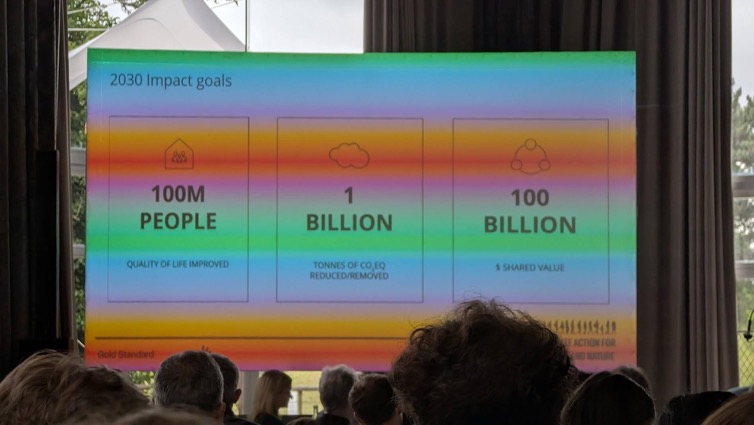
Looking ahead to 2030 targets: better quality of life for 100 million people, 1 billion tonnes of CO2 reduced and removed, and US$100 billion in shared value.
This section describes the fundamental shift in how companies view and manage sustainability — from mere public relations to a strategic imperative driven by material financial risks and opportunities.
The changing drivers of business: beyond greenwashing

The Gold Standard discusses the role and actions of business in sustainability with representatives of companies, consultancies and civil society organisations.
Historically, corporate sustainability efforts were often driven by reputation, aiming to improve public image or meet basic stakeholder expectations1. Today, however, the motivation has fundamentally changed. The conference notes state clearly that companies' motivation for tackling climate and nature challenges is shifting "from reputation-driven to real risk management and building resilience"3. External research confirms this, stressing that sustainability is "a core driver of reputation, stakeholder trust and financial performance"1 and a way for companies to "build resilience, spark innovation and create long-term value for stakeholders"2.
Sustainability is no longer an optional expense but a strategic necessity. Linking sustainability to "risk management", "resilience" and "long-term value creation"1 means companies recognise that environmental and social factors are no longer externalities but intrinsic to operational continuity, supply-chain stability, regulatory compliance and ultimately financial viability. For investors, this means sustainability performance is becoming a more robust and lasting indicator of a company's underlying health and future profitability, rather than a "feel-good" metric. Strong environmental, social and governance (ESG) practices are therefore a key part of financial analysis.
Financial impacts of climate-related transition and physical risks
Climate change brings significant financial risks, which can be divided into transition risks (policy, legal, technology, market, reputation) and physical risks (acute and chronic). Transition risks can lead to higher operating costs (e.g. compliance costs, insurance premiums), asset write-downs/impairments, early retirement of existing assets due to policy change, reduced demand for products and services, and repricing of assets (e.g. fossil fuel reserves, land valuations, securities valuations)4. Physical risks show up as reduced revenue from lower production capacity (e.g. supply-chain disruption, transport difficulties), reduced revenue and higher costs from negative impacts on the workforce (e.g. health, safety, absenteeism), asset damage/early retirement, higher operating/capital costs and higher insurance premiums4. Companies that fail to mitigate or adapt to climate change, or to adequately disclose material financial risks, also face growing litigation risk4.
Analysis shows that integrating climate- and nature-related risks into scenario analysis produces "materially different risk assessments"5. In other words, an integrated approach gives a more nuanced and comprehensive understanding of biophysical and economic risks than analysing these factors separately. If financial institutions and companies assess only climate risk (e.g. carbon emissions) and ignore nature degradation (e.g. biodiversity loss, water scarcity), they may underestimate their true exposure. For example, a climate-focused afforestation project involving monoculture may inadvertently create biodiversity risk5. Siloed approaches can thus lead to incomplete risk profiles and potential misallocation of capital. Investors who take an integrated view will understand financial stability risks more accurately and robustly, make better-informed investment decisions and may uncover hidden vulnerabilities or opportunities.
The "transparency, materiality and time" shocks for business leaders
Three key elements of sustainability strategy — transparency, materiality and time — were repeatedly stressed, and they place profound demands on business leaders. First, the "transparency shock" requires companies to face reality rather than paper over the cracks3. This responds directly to increasingly strict greenwashing scrutiny and the demand for genuine reporting1. Second, the "materiality shock" directs companies to focus on the areas most important to their business that can make a real difference3. This fits the shift towards risk management, ensuring resources are allocated effectively1. Finally, the "time shock" calls on business leaders to focus on long-term issues rather than only short-term results3. This matters especially because many sustainability benefits (particularly nature-based solutions) take long cycles to materialise8.
These "shocks" are not just operational guidelines but strategic imperatives that require cultural and systemic change within companies. The "transparency shock" directly counters widespread greenwashing, driving genuine action and verifiable claims, which are vital to investor trust. The "materiality shock" ensures sustainability efforts are not superficial but deeply integrated into core operations, focused on areas that truly affect financial performance and resilience. The "time shock" addresses the inherent mismatch between short-term financial reporting cycles and the long-term nature of climate and nature challenges, forcing leaders to invest in future-proofing the business. Overall, companies that embrace these principles are more likely to be more resilient, innovative and ultimately more valuable in the long run, attracting sophisticated investors seeking sustainable returns.
Table 1: Summary of the financial impacts of climate-related risks (transition and physical)
| Risk type | Sub-category | Potential financial impacts |
| Transition risk |
Policy and legal |
Higher operating costs (compliance costs, insurance premiums), asset write-downs/impairments, fines or judgements from reduced demand for products and services, early retirement of existing assets 4 |
| Technology | Asset write-downs and early retirement, reduced demand for products and services, R&D spending on new technologies, capital investment in technology development, costs of adopting new practices and processes4 | |
| Market | Reduced demand for goods/services due to changing consumer behaviour, higher production costs due to changing input prices, abrupt changes in energy costs, changes in revenue mix and sources, asset repricing4 | |
| Reputation | Reduced revenue from lower demand for goods/services, reduced revenue from lower production capacity (supply-chain disruption), reduced revenue from negative impacts on workforce management and planning, reduced availability of capital4 | |
| Physical risk | Acute | Reduced revenue from lower production capacity (transport difficulties, supply-chain disruption), reduced revenue and higher costs from negative impacts on the workforce, asset damage/early retirement, higher operating costs, higher capital costs, higher insurance premiums and reduced insurance availability4 |
| Chronic | (As above, caused by long-term changes in climate patterns) 4 |
This table gives investors a concise, structured overview of the financial risks related to climate change. It helps them quickly identify potential vulnerabilities in their portfolios and understand the full scope of climate- and nature-related financial risks. This is essential for risk assessment and can inform strategic asset allocation, as it highlights the many ways climate change can affect financial performance.
IV. Global carbon markets: dynamics, integrity and regional opportunities
This section explores the complexity of carbon markets, examining their basic principles, the critical importance of integrity and the emerging regional landscape.
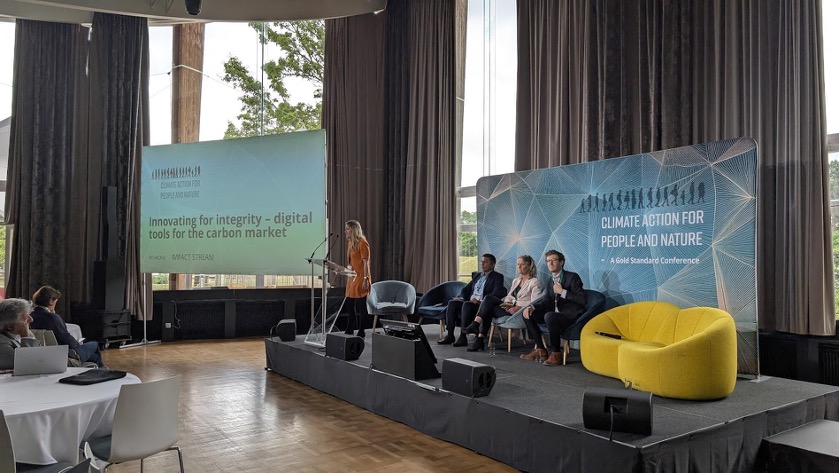
How digital tools are used in carbon markets to strengthen innovation in integrity.
Market fundamentals and integrity: building trust in an emerging market
Speakers stressed that companies should first reduce their own emissions and then invest in high-quality offsets to address residual emissions; both are equally important in climate strategy. For example, the French government issued a document requiring companies to first reduce CO2 emissions by at least 90% and then address residual emissions with high-quality carbon assets3. Key challenges facing carbon markets include the lack of stable, predictable policy and standards frameworks, which increases uncertainty and deters corporate engagement. Many companies also fear going public with their climate action in case they become targets of criticism3. Opportunities for market growth lie in clear frameworks (similar to the Science Based Targets initiative, SBTi), compelling narratives and progress in market infrastructure, such as data transparency and robust registries3.
Greenwashing concerns: the market faces close scrutiny over "greenwashing", where organisations present a misleading environmental image6. Signs of greenwashing include buying carbon credits instead of reducing one's own footprint, improperly advertising carbon credits, buying unreliable credits or credits unrelated to one's activities, and failing to comply with the law 6. Specific credit-level risks that lead to greenwashing include additionality problems (would the reductions have happened anyway without the project and its credit revenue?), leakage (emitting activity shifting outside the project boundary), physical reversal (stored carbon being released again) and monitoring risk (weak counterfactual or performance data)7. Because of negative scientific and media reports questioning the credibility of carbon credit projects, the voluntary carbon market suffered a significant setback in 2023–2024, shrinking by 61% 11.
Permanence risk: the possibility that carbon stored by a project (e.g. trees) could be released into the atmosphere in future, undermining the expected climate benefit 12. Buffer reserves are used as an insurance mechanism, but no reversal risk can be insured forever, and for tree/soil projects the likelihood of reversal over the long term approaches 100% 12.
Shift to high-quality credits: despite the challenges, the voluntary carbon market is expected to grow at a compound annual rate of 34.6% between 2024 and 2030, driven by demand for high-integrity credits 11. Investors and financial institutions demand stronger verification, additionality and permanence and strict scrutiny of greenwashing 11. The Integrity Council for the Voluntary Carbon Market (ICVCM) launched the Core Carbon Principles (CCPs) as the "standard of standards" for credit quality, considered essential to investor due diligence 11.
Growing demand for removal credits and co-benefits: the market is shifting from avoidance credits to removal credits, which are expected to make up 35% of the market by 2030 (up from 15% today), despite their higher cost11. Carbon credits are increasingly linked to biodiversity and social co-benefits, aligned with the Sustainable Development Goals (SDGs), as a key feature of the global market11.
Impact of digital infrastructure: advances in market infrastructure, such as data transparency and robust registries, are helping the market scale up and standardise 3. Blockchain technology can provide immutable, transparent records of carbon credit transactions, preventing double counting13. Satellite monitoring provides independent verification of land-use change and deforestation, strengthening integrity. Major buyers such as Microsoft, Nestlé and BlackRock now require satellite verification for all credit purchases, and by 2027 90% of voluntary carbon market transactions are expected to require remote-sensing verification11. AI algorithms can analyse large volumes of data to detect anomalies and potential fraud in carbon market activity, shifting transparency from manual audits to automated monitoring11. AI models can predict leakage risk with 80–90% accuracy11.
The voluntary carbon market is undergoing a critical transformation, from a fragmented market vulnerable to reputational swings to one increasingly driven by regulatory alignment, high-integrity standards and technological verification. The uncertainty caused by the "lack of stable, predictable policy" noted in the conference minutes, which deterred corporate engagement3, is now being addressed by the shift to "high-integrity credits"11 and the emergence of standards such as the ICVCM's Core Carbon Principles11. Past widespread greenwashing6 and market contraction11 have forced the market to move from "trust us" to "prove it", helped by digital MRV technologies such as satellite monitoring and AI11. This technological leap, together with regulatory pushes such as the French charter9, shows the market moving from an early, lightly regulated phase to a mature phase focused on robust, verifiable impact. For investors, this means lower market risk, making it more attractive to institutional capital seeking genuine climate action and lower reputational risk, and thus accelerating its expansion.
In addition, technological advances, especially in measurement, reporting and verification (MRV), are making reliable project data more accessible, moving carbon markets from "trust us" to "prove it", lowering investment risk and accelerating market growth. The core problem of the voluntary carbon market has always been the difficulty of verifying the real impact and integrity of credits, leading to greenwashing accusations and investor scepticism6. Multiple sources repeatedly stress achieving "prove it" through technologies such as satellite monitoring, LiDAR, hyperspectral imaging and AI11. These technologies provide objective, real-time and scalable verification, removing reliance on self-reporting or infrequent audits13. By reducing information asymmetry and increasing transparency, these tools directly address investors' main concerns, making it easier to assess project quality and mitigate risks such as non-additionality, leakage and impermanence7. This greater credibility is a key enabler for attracting larger-scale private investment and promoting market liquidity and standardisation.
Key regional developments and interoperability: unlocking global potential
Malaysia: Bursa Malaysia launched Bursa Carbon Exchange (BCX) in December 2022, the world's first Shariah-compliant exchange, accepting independent global standards such as Verra and the Gold Standard3. As the national exchange, Bursa Malaysia is linked to the Ministry of Finance and has a national responsibility to ensure fairness in the carbon market, promote ecosystem development and take part in policymaking3. Malaysia is expected to introduce a carbon tax on the steel and energy sectors by 2026, with revenue reinvested in green technology programmes and research. This is part of Malaysia's wider strategy to move to a circular economy and reach net zero by 205015. Challenges, however, include low corporate interest in buying credits, limited eligible credits (initially only Verra) and an insufficient domestic project pipeline; the credits in the first auction came from abroad (Cambodia, China) 3. Opportunities lie in active cooperation with the Gold Standard and the founding of the Malaysia Carbon Market Association. Malaysia has also made clear that voluntary credits traded on BCX can be sold to foreign companies without affecting national emission-reduction targets3.
Malaysia is strategically positioning itself as a regional leader in carbon markets, but its success depends on overcoming domestic demand-side challenges and building a strong local project pipeline, which will require significant policy and cross-sector coordination. Malaysia's pioneering BCX, especially its Shariah compliance3, shows its ambition to lead in specific niches of the global carbon market. The forthcoming carbon tax15 is a strong policy signal aimed at creating domestic demand. However, the "lack of interest in the Malaysian market" and "limited project pipeline" mentioned in reports17 are significant internal barriers. Reliance on voluntary market mechanisms17 means that without a stronger regulatory push (such as full implementation and possible expansion of the carbon tax), the market may struggle to gain traction despite its advanced infrastructure. This gives investors a nuanced picture: strong government intent and infrastructure, but nascent domestic market dynamics that require careful monitoring of policy evolution and local project development.
Indonesia: the Indonesian government sees carbon markets as an important tool for meeting its climate mitigation goals3. In May 2025 Indonesia signed a mutual recognition agreement (MRA) with the Gold Standard, a key milestone in entering the international carbon market3. The MRA allows domestic voluntary carbon projects to be certified through the Gold Standard, enhancing international recognition18. It facilitates dual certification (Gold Standard and Indonesia's SPEI mechanism), boosting international credibility and compliance with national regulations 18. Indonesia's vast tropical forests, peatlands and mangroves give it huge carbon sequestration potential and a uniquely leading position in high-quality credit trading, with potential prices of US$80–100 per tonne 19.
Indonesia's mutual recognition agreement with the Gold Standard is a strategic move to unlock its huge natural carbon potential, showing its firm commitment to high-integrity, globally recognised carbon assets by boosting international credibility. Indonesia's "natural advantage" in carbon sequestration19 is enormous, but realising it depends on market access and trust. The MRA with the Gold Standard18 addresses this directly by aligning national projects with a globally recognised high-integrity standard. Dual certification (Gold Standard + SPEI) is a clever mechanism to bridge the gap between local governance and international market demand, boosting buyer confidence18. This strategic alignment makes Indonesia a potential source of premium nature-based credits, creating clear investment opportunities for investors seeking verifiable impact and liquidity in international carbon markets.
Kenya: Kenya has made significant progress in developing its carbon market framework and signed carbon market regulations last year. Three draft regulations covering registration, trading and non-market approaches are expected to be issued by the end of this year3. A designated national authority (DNA) and a national carbon market registry have been established, and a digital registry is being explored3. The Climate Change (Amendment) Act 2023 and the Carbon Markets Regulations 2024 set out community benefit-sharing: land-based projects on public/community land must give at least 40% of total revenue to communities; non-land-based projects 25% 20. Challenges, however, include legislation enacted too quickly (limiting public participation), the lack of a clear definition of "carbon rights", the disputed community development agreement (CDA) model, and potential conflicts of interest from the dual role of the National Environment Management Authority (NEMA)20.
Kenya's rapid development of a robust carbon market framework, especially its emphasis on community benefit-sharing, makes it a leader in equitable carbon finance. Successful implementation, however, will depend on resolving governance issues and ensuring genuine community participation. Kenya's swift legislative action 3 shows strong political will to build a carbon market. The mandatory community benefit-sharing percentages20 are a progressive and commendable feature that directly addresses social equity concerns associated with large land-based projects, which could make Kenyan projects more attractive to impact investors. But the challenges noted regarding the speed of legislation, the unclear "carbon rights" and the CDA model20 highlight potential governance risks that could undermine projects' long-term stability and community support. For investors, this means that while the framework is promising, thorough due diligence on project-level governance, land tenure and genuine community consultation will be key to ensuring environmental integrity and a social licence to operate.
ASEAN Common Carbon Framework (ACCF): carbon markets in the ASEAN region have huge emission-reduction potential and could generate up to US$3 trillion in cumulative revenue between 2025 and 20503. Five carbon market associations, including those of Malaysia, Indonesia, Thailand and Singapore, have signed an agreement aiming to build interoperable carbon markets, starting with voluntary markets and eventually moving to compliance mechanisms3. The ACCF aims to streamline credit generation, boost market liquidity and harmonise member states' domestic approaches. Challenges, however, include weak corporate willingness to buy, investor concerns about sources of demand, and the high complexity of nature-based projects3.
The ASEAN region's move towards interoperable carbon markets (ACCF) represents a major opportunity for large-scale cross-border carbon finance. Realising its full potential, however, requires overcoming fragmentation and stimulating strong corporate demand beyond national borders. The projected US$3 trillion revenue potential3 and the cooperation agreement on interoperable markets3 signal a huge opportunity for regional carbon finance, addressing today's "patchwork of national policies"21. Such interoperability could significantly enhance market liquidity and price efficiency21. However, the persistent "weak corporate willingness to buy" and "investor concerns about sources of demand"3 show that, despite huge supply-side potential and a developing framework, demand generation and market depth remain key to the ACCF's success. For investors, this highlights the need to monitor cross-border demand signals and the development of policy incentives that can drive corporate participation beyond national compliance requirements.
Table 2: Overview of regional carbon markets and investment readiness
| Country/region | Main initiatives/market features | Regulatory status/maturity | Main challenges | Main opportunities | Investor implications |
|
Malay sia |
Bursa Carbon Exchange (BCX), the world's first Shariah-compliant exchange, accepting Verra and the Gold Standard3 | Carbon tax expected from 202615 | Low corporate willingness to buy, limited domestic project pipeline3 | Islamic finance, cooperation with the Gold Standard, credits can be sold to foreign companies3 | Early-stage risk/return, focus on high integrity, long-term growth potential |
| Indonesia | MRA signed with the Gold Standard, facilitating international market access3 | Presidential Regulation 98/2021 and Ministry of Environment Regulation 21/2022 provide the legal basis18 | Specific implementation details of the dual certification process still to be clarified18 | Huge carbon sequestration potential, international recognition, potential premium19 | Focus on high integrity, international market access, natural capital investment |
| Kenya | Carbon market regulations signed, national carbon registry established, emphasis on community benefit-sharing 3 | Climate Change Act 2016 (amended 2023), Carbon Markets Regulations 202420 | Rapid legislation, unclear definition of carbon rights, disputed community development agreement model20 | Leader in equitable carbon finance, high natural capital potential, international cooperation negotiations 3 | Social impact potential, governance risk considerations, emerging market opportunity |
| ASEAN (collective) | ASEAN Common Carbon Framework (ACCF) agreement, aiming to build interoperable carbon markets3 | Gradual transition from voluntary markets to compliance mechanisms3 | Weak corporate willingness to buy, investor concerns about sources of demand, high complexity of nature-based projects3 | Huge emission-reduction potential of US$3 trillion over 2025–2050, regional economies of scale, improved market liquidity3 |
Regional-scale investment, long-term growth; watch demand signals and policy coordination |
This table offers a comparative analysis that lets investors quickly grasp the distinctive features, strengths and weaknesses of different regional carbon markets. It helps identify which markets fit specific investment strategies (e.g. Shariah-compliant investment, high-social-impact investment, large-scale regional investment) and assess their investment readiness, supporting diversification or specialisation strategies.
V. Nature integration: the new frontier of sustainable investment
This section explores the critical link between climate and nature, highlighting the growing importance of nature-based solutions and the emerging market for natural capital valuation.
The climate–nature convergence crisis: integrated solutions to systemic risk
The conference minutes clearly point to a growing "integrated crisis" between climate change and nature conservation, stressing the importance of integrating climate and nature issues into corporate strategy3. Speakers agreed that the solutions must also be integrated3. Research confirms that integrating climate- and nature-related risks into scenario analysis provides "materially different assessments" and "a more nuanced and comprehensive understanding of biophysical and economic risks" than analysing these factors separately5.
This explicit recognition of a "convergence crisis", and the finding that integrated risk assessment produces "materially different" results, are crucial. Focusing only on carbon emissions (climate) while ignoring biodiversity loss, water scarcity or land degradation (nature) leads to an incomplete — even misleading — understanding of a company's or portfolio's true risk exposure. For investors, traditional climate-only ESG frameworks are no longer enough. Assessing how companies manage both their climate and nature footprints, and how these strategies are integrated, will be vital to identifying resilient companies and avoiding unforeseen risks or missed opportunities. This widens the scope of necessary ESG due diligence.
Nature-based Solutions (NbS): investment potential, co-benefits and financing challenges
Nature-based Solutions (NbS) have huge potential, able to cut about 10 billion tonnes of carbon emissions a year3. Beyond climate benefits, NbS deliver significant additional benefits such as biodiversity restoration and social benefits3. Projects in India and Rwanda, for example, show a successful model of "nature and people working together" through tree planting, biodiversity protection and support for local livelihoods3.
However, NbS face significant financing challenges and mostly rely on voluntary carbon markets. These solutions usually need landscape-scale deployment and involve cooperation with NGOs, governments and even competitors — a complex, resource-intensive process3. To win board support, a solid business case is needed, not just "doing the right thing"3. Robust regulation and financial disclosure frameworks (such as TNFD and TCFD) are also important drivers 3.
Long-term financial benefits of NbS: NbS help reduce climate risk and damage (e.g. flood protection, drought mitigation), improve wider well-being (healthier environments, better drinking water), future-proof investments (smarter, cheaper long-term alternatives to "grey" infrastructure), strengthen system resilience and deliver long-term cost-effectiveness8.
The risks of inaction (not investing in NbS): delaying investment in NbS will lead to escalating climate damage (e.g. climate damage in the Netherlands could reach €77.5–173.8 billion by 2050), uninsurable risks (e.g. major floods), asset devaluation and higher future costs8.
Challenges to scaling NbS investment: a major challenge is the difficulty of monetising adaptation-related benefits, which makes it hard to attract investment into projects that deliver positive adaptation outcomes (such as the social and biodiversity benefits of "green infrastructure" NbS)22. Most existing nature-related investment is concentrated in mature economic sectors offering attractive commercial returns, such as sustainable agriculture and forestry22.
Opportunities to scale NbS investment: key opportunities include investing in methods to value adaptation benefits and developing mechanisms that de-risk investment, such as blended finance and support from development finance institutions22.
Although NbS have significant long-term financial benefits and co-benefits, there is a critical gap in monetising adaptation benefits, which requires innovative blended finance models and robust valuation methods to attract the large-scale private capital needed. The conference minutes stress the "huge potential" and "additional benefits" of NbS3, and other sources detail their substantial long-term financial benefits and the high cost of inaction8. But the core challenge is "financing challenges, heavy reliance on voluntary carbon markets"3 — more specifically, that "adaptation-related benefits are hard to monetise"22. This creates a paradox: NbS are vital and financially beneficial in the long term, but their broader, often unmonetised benefits (especially adaptation and social benefits) deter private investors seeking clear commercial returns. To scale NbS, the financial sector needs to innovate beyond traditional return-on-investment metrics, embracing blended finance and de-risking mechanisms and developing new valuation methods that capture all the benefits, making these projects attractive to a wider range of investors.
Natural capital valuation and emerging markets: new investment avenues
The Gold Standard's Nature Responsibility Framework: this new framework aims to help companies understand, measure and transparently disclose their impacts on nature. It encourages companies first to reduce negative impacts, then to look for opportunities to drive positive change within and beyond their value chains, and ultimately to contribute to the global transition3.
The Gold Standard's "true value" assessment: the Gold Standard assesses the "true value" of carbon credits using a value-driver model that considers a project's full environmental, social and economic impact. Projects that respect safeguards, engage local stakeholders and deliver development benefits beyond carbon have created billions of dollars in shared value23.
The "nature accounting" standard: as a scientific standard for measuring the state of nature, "nature accounting" plays a key role in building trust, transparency and integrity. It creates value for nature by linking nature metrics to carbon credits3. It provides a transparent, affordable, verifiable and certifiable environmental accounting framework to guide investment, policy and management decisions on natural capital, including carbon co-benefits, green bonds and impact investment25.
Biodiversity credits: biodiversity credits are an emerging financial instrument aimed at closing the global biodiversity finance gap by mobilising private investment in conservation and restoration26. They are verifiable, quantifiable and tradable financial instruments that reward positive outcomes for nature and biodiversity27. The critical role of biodiversity in the global economy is recognised: more than half of global GDP (US$44 trillion) depends on intact ecosystems26. Challenges for biodiversity credits include their complexity and controversy, making large-scale adoption difficult. Unlike carbon markets, metrics are site-specific, making a single metric for all situations harder to establish26. From a business perspective, biodiversity credits are often seen as philanthropic or non-essential investments because their return on investment is weak or non-existent26. Potential solutions include building high-integrity markets backed by robust monitoring and verification, clear guidelines, and integrating biodiversity credits into hybrid models (e.g. credits combining carbon and biodiversity benefits) 26.
The emerging biodiversity credit market, while promising to unlock private funding for nature, faces major hurdles in standardisation and demonstrating clear returns. This suggests investors' initial participation may come through hybrid models or as part of broader ESG strategies, rather than as standalone profit-driven investments. The introduction of biodiversity credits26 signals a new frontier in nature finance, recognising the vast economic value of ecosystems26. But the sources highlight key challenges: difficulty standardising metrics because of site specificity26, and the perception of these credits as "philanthropic or non-essential investments because ROI is weak or non-existent"26. Unlike the more mature carbon market, the biodiversity credit market lacks clear, widely accepted financial incentives and robust, scalable measurement frameworks. For investors, purely profit-driven investment in standalone biodiversity credits is currently higher-risk. A more viable initial entry point may be through blended finance, hybrid carbon–biodiversity models, or as part of broader ESG strategies aimed at mitigating nature-related risks and strengthening corporate resilience, rather than as direct speculative investments for financial returns.
Table 3: Comparison of nature-related financial instruments
| Instrument | Main focus | Main benefits for investors |
Main challenges/ risks |
Relevance to investors |
| Nature-based Solutions (NbS) | Ecosystem restoration/protection for climate/biodiversity benefits | Risk reduction, long-term cost savings, co-benefits | Gap in monetising adaptation benefits, complexity | Broad portfolio resilience, impact investment |
| Gold Standard certified projects | Overall benefits for climate mitigation and sustainable development | Greater transparency, verifiable social and environmental impact | Project complexity, need for continuous monitoring | Impact investment, data-driven valuation |
| Nature accounting standard | Natural capital valuation and measurement of ecological health trends | Data-driven valuation, green bonds, impact investment | Difficulty of measuring large-scale nature impacts | Data-driven valuation, risk management |
| Biodiversity credits | Direct biodiversity outcomes, conservation and restoration | Emerging asset class, unlocking funding for nature | Standardisation, unclear ROI, complexity | Exploring emerging markets, hybrid models, complement to ESG strategy |
This table helps investors distinguish between the various nature-related investment avenues, understand their specific features and assess which instruments best fit their risk appetite, impact goals and investment horizon. It offers a quick comparison guide for navigating this complex and evolving area of sustainable finance.
VI. Actionable insights and recommendations for investors
This section turns the analysis into concrete, actionable recommendations for sophisticated investors.
Strategic portfolio integration: beyond siloed ESG
Investors should advocate for and prioritise companies that integrate climate and nature strategies into a comprehensive, holistic approach, rather than treating them as separate initiatives. The conference minutes explicitly recommend that companies "integrate climate and nature strategies into one comprehensive strategy to avoid unintended consequences and trade-offs"3. Companies should start by assessing their organisation's impacts and dependencies on nature (double materiality assessment) and prioritise actions based on data; the Science Based Targets Network (SBTN) now offers validation for these first steps3. In addition, SBTi-validated targets are seen as lower-risk and more forward-looking, attracting "green investment", reducing financial risk and raising market valuations28. More than 7,000 companies have set SBTi targets, and investors increasingly use them in capital allocation decisions29. As of October 2024, more than 500 organisations, including asset managers with US$17.7 trillion under management, had committed to TNFD-aligned disclosure, bringing nature into their decision-making to meet regulators' and investors' needs30. The TNFD recommendations are aligned with the TCFD to encourage integrated climate and nature reporting30.
The repeated emphasis on "integrated solutions" for climate and nature, and the rapid adoption of frameworks such as SBTi and TNFD by leading companies and financial institutions, show a broad market shift. Investors who keep assessing climate and nature risks in isolation will miss key interdependencies and potential compounding effects. By demanding and investing in companies that show integrated strategies and report through aligned frameworks (TCFD, TNFD), investors make their portfolios more resilient to systemic environmental risks and unlock new avenues for long-term value creation from synergistic solutions. This goes beyond simple ESG scores to a more sophisticated understanding of corporate value.
Strengthening due diligence: navigating complexity and ensuring integrity
Investors must carry out rigorous, multifaceted due diligence on carbon and nature projects, combining traditional financial analysis with advanced technological verification and local stakeholder engagement. The voluntary carbon market's past setback over credit credibility (a 61% contraction) highlights the need for "stronger verification and accountability"11. Investors should focus on high-integrity credits characterised by strong verification, additionality, permanence and strict scrutiny of greenwashing11. The ICVCM Core Carbon Principles are a key benchmark11. For nature-based projects, understanding project details in depth and working with suppliers and developers to improve targeting is essential3. Successful projects need to draw on local expertise, tailor incentives and integrate multiple benefits3. Consider carbon insurance products and seek multiple views on quality, using certifications and reputable ratings32. Major corporate buyers now require satellite verification of credit purchases, and by 2027 90% of voluntary carbon market transactions are expected to require remote-sensing verification. AI-driven risk assessment tools can predict leakage risk with high accuracy11.
Given the complexity of carbon and nature markets and past integrity problems, robust, multifaceted due diligence — combining traditional financial analysis with advanced technological verification (e.g. satellite MRV) and local stakeholder engagement — is essential for investors to identify genuinely impactful, de-risked projects. The history of greenwashing and the significant market contraction show that simply trusting project claims is not enough. Advanced technologies such as satellite monitoring and AI provide powerful tools for technical verification, shifting the market to a "prove it" mindset. Yet the conference minutes also stress the importance of "local expertise" and "tailored incentives" for nature-based solutions, and Kenya's experience highlights the importance of "community benefit-sharing" and "carbon rights". This holistic view means due diligence cannot be limited to technical or financial aspects; it must integrate the social and governance aspects at local project level to ensure long-term viability, prevent social risks and guarantee real impact. For investors, this means a higher bar for due diligence, but also greater potential to identify genuinely high-quality, de-risked assets.
Engagement and advocacy: shaping the future of sustainable finance
Investors should actively engage with portfolio companies and policymakers to drive the adoption of high-integrity standards, promote market transparency and accelerate the green transition. Speakers called for clear frameworks and compelling narratives to encourage more companies to take part in carbon credit markets3. Investors are a key stakeholder group in driving sustainability expectations and influencing corporate behaviour1. Their expectations are one factor in companies setting SBTi targets29. Supporting initiatives such as SBTi, TNFD and TCFD is essential to establishing standardised reporting and credible targets. These frameworks enable companies and financial institutions to meet the growing information needs of regulators, investors and other capital providers3. Investors should advocate robust regulation and financial disclosure frameworks3. They should also encourage companies to adopt emission-reduction targets and assess the role of offsets in their decarbonisation journeys17.
Active investor engagement, with both portfolio companies and policymakers, is vital to shaping the future of sustainable finance, driving the adoption of high-integrity standards and fostering an environment conducive to long-term value creation. The evidence shows a market in flux, strongly influenced by policy clarity, standard-setting and corporate behaviour3. Investors are not just passive recipients of information; they are explicitly identified as "key stakeholders driving sustainability expectations"1 and influence the adoption of key frameworks such as SBTi29. By actively engaging companies on their decarbonisation pathways and nature strategies, and advocating robust regulatory frameworks (e.g. carbon taxes, clear carbon rights, interoperable markets), investors can contribute directly to building a more transparent, credible and liquid sustainable finance ecosystem. This proactive stance enables investors to mitigate systemic risks, unlock new opportunities and ensure their capital supports a truly sustainable economy, enhancing long-term portfolio value.
Identifying growth opportunities: targeting high-potential sectors and regions
Investors should look for diversified growth opportunities arising from the convergence of climate and nature and from regional policy progress, with a nuanced understanding of local context. Focus on sectors with high emission-reduction potential, such as Malaysia's energy and heavy industry, which are targets of the forthcoming carbon tax15. Invest in nature-based solutions that deliver strong co-benefits beyond carbon, including biodiversity and social impact; these are increasingly in demand among investors 3. Explore emerging markets such as biodiversity credits, possibly through hybrid models combining carbon and biodiversity benefits26. Consider regions with supportive regulatory frameworks and high natural capital potential, such as Indonesia (vast forests, MRA with the Gold Standard), Kenya (robust framework, community benefit-sharing) and the ASEAN region (interoperability efforts, US$3 trillion potential)3.
The convergence of climate and nature, together with regional policy progress, is creating diversified growth opportunities for investors, especially in nature-based solutions and emerging carbon/biodiversity markets — which requires a nuanced understanding of local context and regulatory environments. The report highlights the "convergence crisis"3, showing that integrated climate and nature solutions are the trend of the future. This naturally opens new avenues for investment beyond traditional carbon offsets. The huge potential of NbS3, combined with emerging markets such as biodiversity credits26, represents diversified opportunities. Crucially, the detailed regional analysis (Malaysia, Indonesia, Kenya, ASEAN) reveals different policy environments, natural capital endowments and levels of market maturity3. Indonesia's MRA18 and Kenya's community benefit-sharing20, for example, offer distinctive value propositions. Investors should therefore not take a one-size-fits-all approach, but analyse specific countries and regions in detail to identify the most promising, locally appropriate and lowest-risk growth opportunities in the evolving sustainable finance landscape.
VII. Conclusion: the imperative of integrated sustainable investment
Corporate sustainability has fundamentally shifted from a discretionary, reputation-driven activity to a strategic imperative of material risk management, resilience-building and long-term value creation. The financial impacts of inaction on climate and nature are becoming ever clearer and more quantifiable.
The voluntary carbon market is undergoing a critical transition towards greater integrity, transparency and standardisation. Advanced digital infrastructure (measurement, reporting and verification systems, registries) plays an indispensable role in building trust and enabling scalability.
Growing recognition of the intrinsic link between nature and climate, and the rise of nature as a distinct but interconnected investment frontier, are becoming increasingly important. Nature-based solutions have huge potential to deliver climate and socio-economic benefits, while the biodiversity credit market, though nascent, is promising.
Investors must take an integrated climate-and-nature approach to portfolio construction and due diligence. Active engagement with companies and policymakers is not just "nice to have" but a key lever for shaping a robust, high-integrity sustainable finance ecosystem.
Looking ahead, the green transition is not only an environmental necessity but a profound economic transformation. Investors who proactively understand, adapt to and strategically invest in this integrated sustainability landscape will be best placed to achieve long-term value creation and market leadership. The imperative is clear: integrated sustainable investment is no longer optional; it is the future of finance.
VIII. Afterword
NbS (Nature-based Solutions) were a key focus of this conference. We believe our Taiwan Smallholder Carbon Farming Project, along with the carbon farming projects in Noto, Wuchang and Chishang, offer nature-based solutions.
We believe smallholder carbon farming — using crops' photosynthesis to absorb atmospheric CO2 as the driving force of natural carbon sinks, and through the symbiosis of plants and their ecological environment producing greater biodiversity outcomes and long-term carbon sequestration — is the best solution to the food and climate crises facing an Earth of 10 billion people by 2050.
Smallholder carbon farming can be carried out on its own, or integrated with forestry as an understorey economy, combined with livestock farming, or even combined with farmland and woodland at wind and solar farm sites, for greater combined benefits. Given the current state of agricultural development, its prospects are limitless.
References
- Reputational risk management in sustainability - A business perspective - PwC Luxembourg, accessed 7 June 2025, https://www.pwc.lu/en/pwcacademy/training-library/reputational-risk-management-sustainability.html
- Corporate Sustainability: How Companies Are Creating Long-Term ..., accessed 7 June 2025, https://www.schiller.edu/blog/corporate-sustainability-how-companies-are-creating-long-term-value/
- Jay Fang’s Meeting Memo.docx,https://1drv.ms/w/c/35d72467bc442a95/ERuCDoYdHtZFsNrqUp2mS2EBDGwzJK7Ju_qRC7N-L-inYw
- Climate Risks and Opportunities Defined | US EPA, accessed 7 June 2025, https://www.epa.gov/climateleadership/climate-risks-and-opportunities-defined
- Climate-nature scenario development for financial risk assessment, accessed 7 June 2025, https://www.naturefinance.net/wp-content/uploads/2024/11/ECB_PIK-Report-2024-FINAL.pdf
- Carbon credits and greenwashing: mistakes to avoid - Riverse, accessed 7 June 2025, https://www.riverse.io/blog/anti-greenwashing-guide-for-carbon-credits
- Navigating the Risks of Greenwashing in the Voluntary Carbon Market, accessed 7 June 2025, https://www.isda.org/a/I9wgE/Navigating-the-Risks-of-Greenwashing-in-the-Voluntary-Carbon-Market.pdf
- Investing in Nature-based solutions is future-proof and reduces ..., accessed 7 June 2025, https://www.wur.nl/en/show-longread/investing-in-nature-based-solutions-is-future-proof-and-reduces-financial-risks.htm
- France Launches Charter to Support Use of High-Integrity Carbon ..., accessed 7 June 2025, https://www.esgtoday.com/france-launches-charter-to-support-use-of-high-integrity-carbon-credits/
- France Launches Corporate Charter for Paris-Aligned, High-Integrity Carbon Credit Use, accessed 7 June 2025, https://esgnews.com/france-launches-corporate-charter-for-paris-aligned-high-integrity-carbon-credit-use/
- The Voluntary Carbon Market in Transition: A Look at 2025 Amid ..., accessed 7 June 2025, https://orbify.com/blog/the-voluntary-carbon-market-in-transition-a-look-at-2025-amid-upheaval
- What Makes High-Quality Carbon Credits - Carbon Offset Guide, accessed 7 June 2025, https://offsetguide.org/high-quality-offsets/permanence/
- Carbon Market Transparency → Term, accessed 7 June 2025, https://energy.sustainability-directory.com/term/carbon-market-transparency/
- Modernising Carbon Markets Through CIWPs | ICVCM, accessed 7 June 2025, https://icvcm.org/continuous-improvement-work-programs/market-modernisation-transparency-oversight/
- Malaysia's Path to Sustainability Through Circular Economy ..., accessed 7 June 2025, https://www.mgtc.gov.my/2024/12/malaysias-path-to-sustainability-through-circular-economy/
- Malaysia to introduce carbon tax in 2026, eyes green transition - DGB Group, accessed 7 June 2025, https://www.green.earth/news/malaysia-to-introduce-carbon-tax-in-2026-eyes-green-transition
- A Closer Look into Malaysia's First Carbon Auction by Bursa Carbon ..., accessed 7 June 2025, https://www.azmilaw.com/insights/malaysia-first-carbon-auction-by-bursa-carbon-exchange/
- Indonesia Signs Mutual Recognition Agreement with Gold Standard ..., accessed 7 June 2025, https://www.ssek.com/blog/indonesia-signs-mutual-recognition-agreement-with-gold-standard-for-carbon-credits/
- Driving Carbon Integrity: Indonesia Formalizes MRA with Gold Standard | Fairatmos, accessed 7 June 2025, https://www.fairatmos.com/blog/driving-carbon-integrity-indonesia-formalizes-mra-with-gold-standard
- Unlocking the Carbon Economy: Comparative Pathways for Kenya ..., accessed 7 June 2025, https://kilimokwanza.org/unlocking-the-carbon-economy-comparative-pathways-for-kenya-tanzania-and-uganda-in-global-carbon-markets/
- From fragmentation to integration: the road to ASEAN's first unified ..., accessed 7 June 2025, https://www.energywatch.com.my/blog/2025/04/24/from-fragmentation-to-integration-the-road-to-aseans-first-unified-carbon-market/
- Scaling investment in NbS for ... - Nature-based Solutions Initiative, accessed 7 June 2025, https://www.naturebasedsolutionsinitiative.org/news/scaling-investment-in-nbs-for-climate-resilient-infrastructure/
- What is a carbon credit worth? | GS, accessed 7 June 2025, https://www.goldstandard.org/news/what-is-a-carbon-credit-worth
- Intro to Accounting for Nature. A scientific standard to catalyse investment in natural capital., accessed 7 June 2025, https://www.youtube.com/watch?v=5AFB4Ur4BOw
- Five Natural Capital Accounting Standards You Should Know ..., accessed 7 June 2025, https://www.anthesisgroup.com/au/insights/five-natural-capital-accounting-standards/
- Building the Business Case for Biodiversity Credits: Hybrid financing solutions for scalable conservation, accessed 7 June 2025, https://www.iisd.org/articles/deep-dive/biodiversity-credits-nature-investment
- Biodiversity Credits | Financing for Nature - The World Economic Forum, accessed 7 June 2025, https://initiatives.weforum.org/financing-for-nature/biodiversitycreditsinitiative
- 7 Key Reasons Why SBTi is Critical for Corporate Emissions ..., accessed 7 June 2025, https://www.cedars-digital.com/7-key-reasons-why-sbti-is-critical-for-corporate-emissions-management/
- Setting SBTi Targets is Good, but Far from Sufficient - Sustainalytics, accessed 7 June 2025, https://www.sustainalytics.com/esg-research/resource/investors-esg-blog/setting-sbti-targets-is-good--but-far-from-sufficient
- TNFD Adopters – TNFD, accessed 7 June 2025, https://tnfd.global/engage/tnfd-adopters/
- TNFD vs. TCFD: Comparing Nature & Climate Risk Reporting - Refinq, accessed 7 June 2025, https://www.refinq.com/blog/tnfd-vs-tcfd-nature-climate-risk-reporting-comparison
- Balancing risk and impact in the carbon market - Ceezer, accessed 7 June 2025, https://www.ceezer.earth/insights/risk-impact-carbon-market


