 努力小農
本文尚無譯文。
A shared future, shared challenges
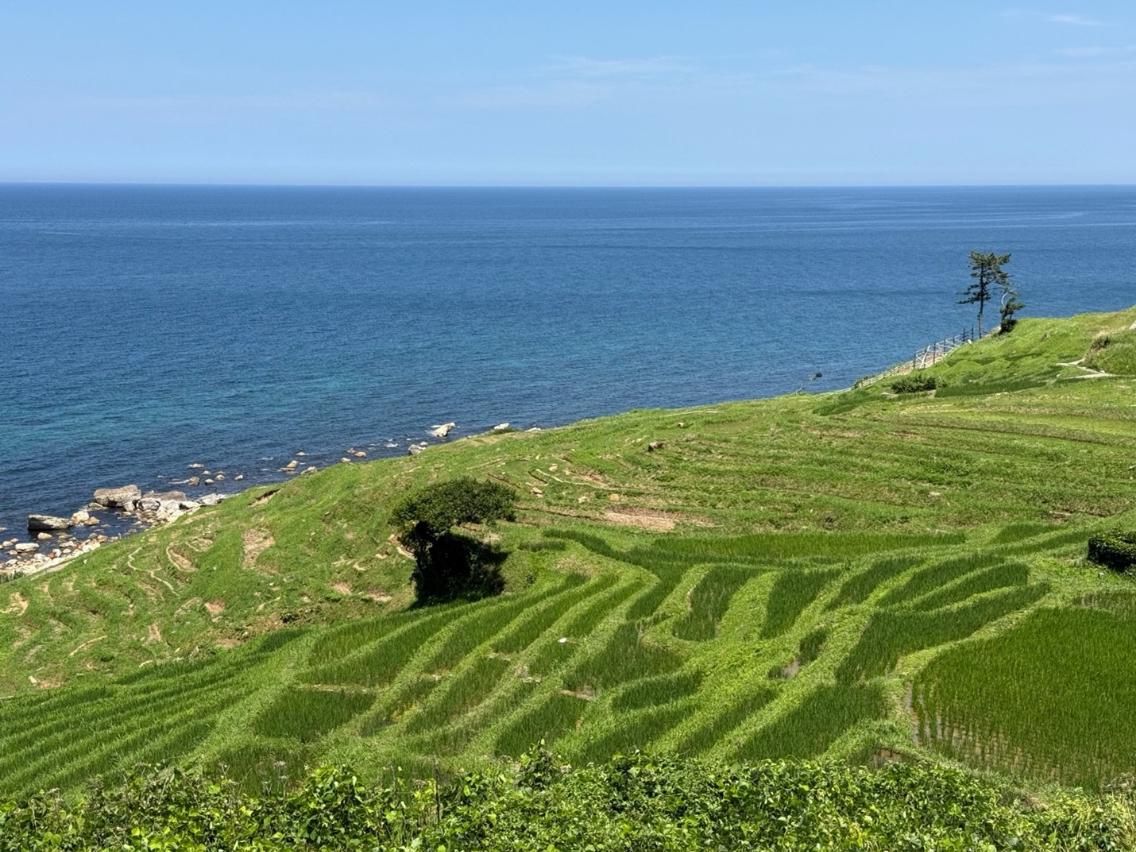
After the 2024 earthquake and floods, only 255 of Shiroyone Senmaida's 1,004 terraces have been restored. Because they joined the smallholder carbon farming project, the Aikōkai, which farms them, decided to stop using herbicides. Light green is grass on the ridges, dark green is rice, and yellow is fields not yet back in cultivation — nearly 80%. (Photo: Jay Fang)
Podcast 》》 https://www.doubao.com/podcast/85208e55c6bc
Whether or not the rumoured 5 July catastrophe along Japan's Nankai Trough happens — residents of Akusekijima in Kagoshima were evacuated on 3 July — and as Europe's summer heat sets new records again, we carry on developing sustainable projects. After 14 months of effort and cooperation, the Noto satoyama smallholder carbon farming project in Japan, sponsored by Taiwan's Tzu Chi Foundation, was listed with the international sustainability and emission-reduction certification body the Gold Standard in April this year, and the on-site audit for design certification took place at the end of June. This is the Tzu Chi Foundation's medium- and long-term plan after its Noto disaster relief: to help farmers rebuild and revitalise the birthplace of the "satoyama initiative", which represents sustainable agriculture, after devastating earthquakes and torrential rain, using the Sustainable Development Goals as a blueprint during reconstruction.
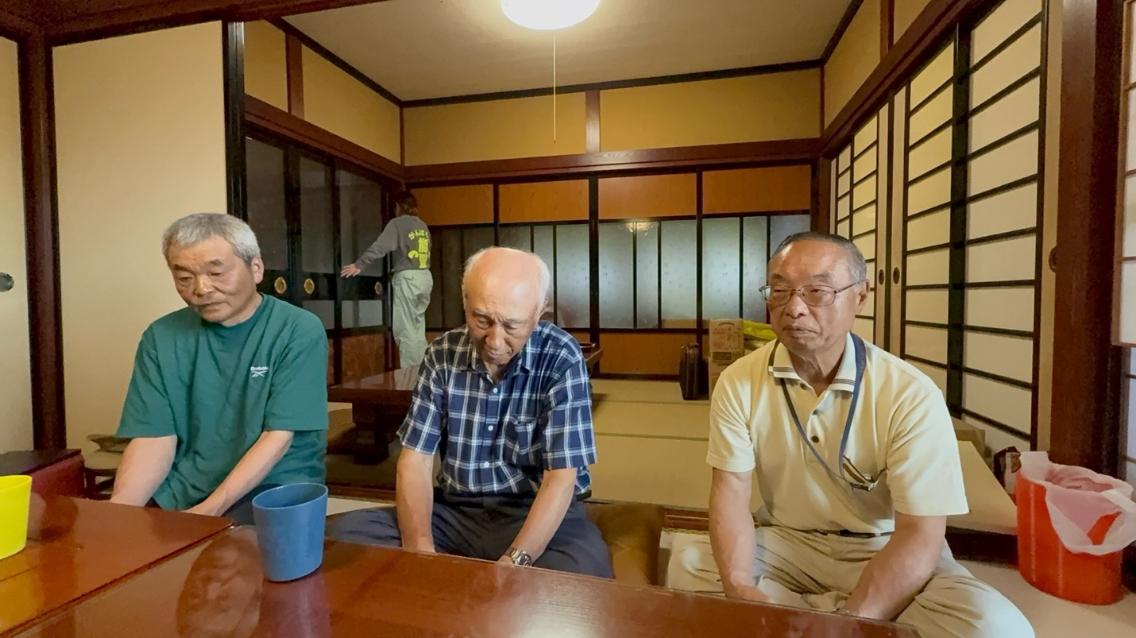
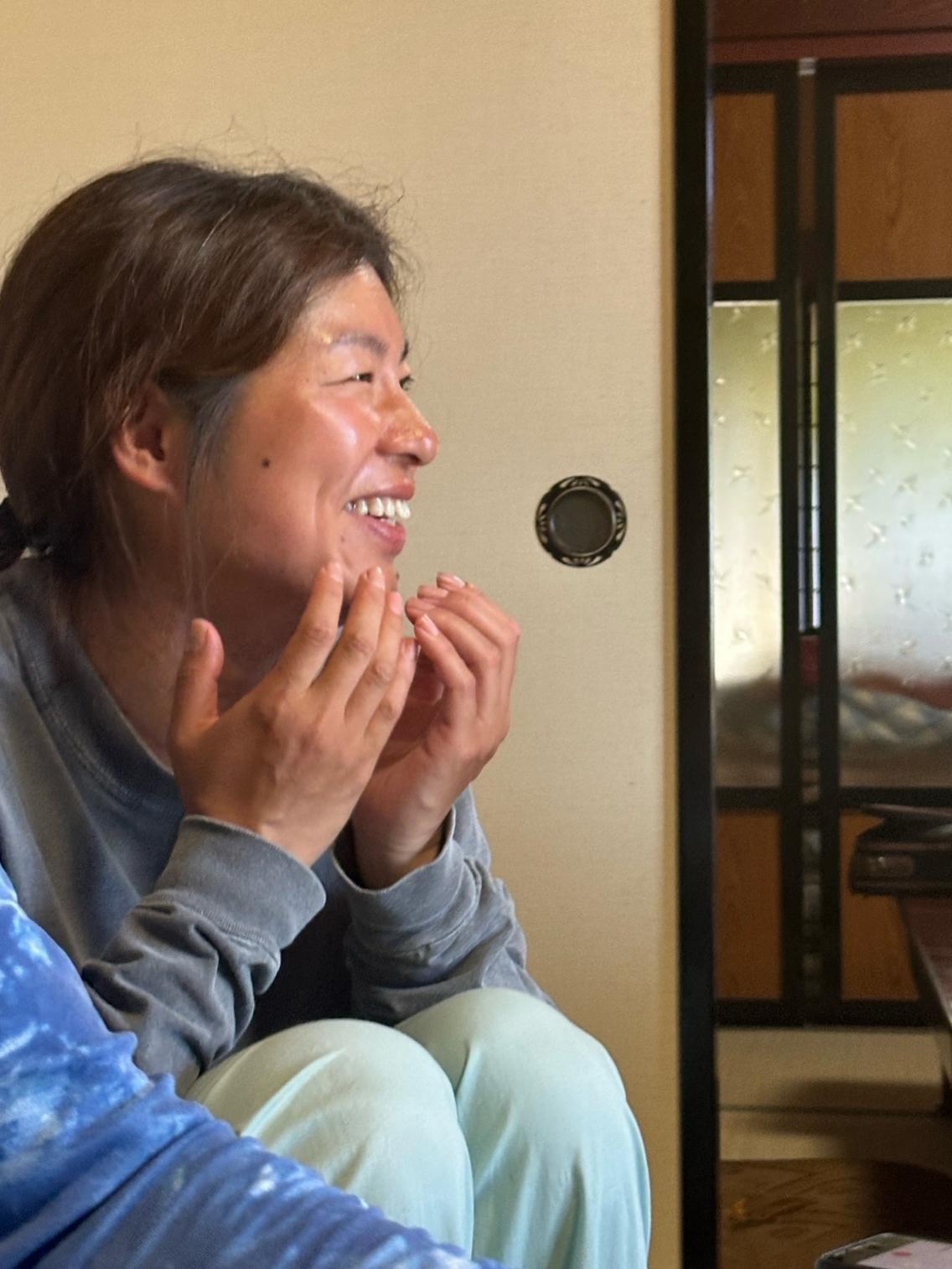
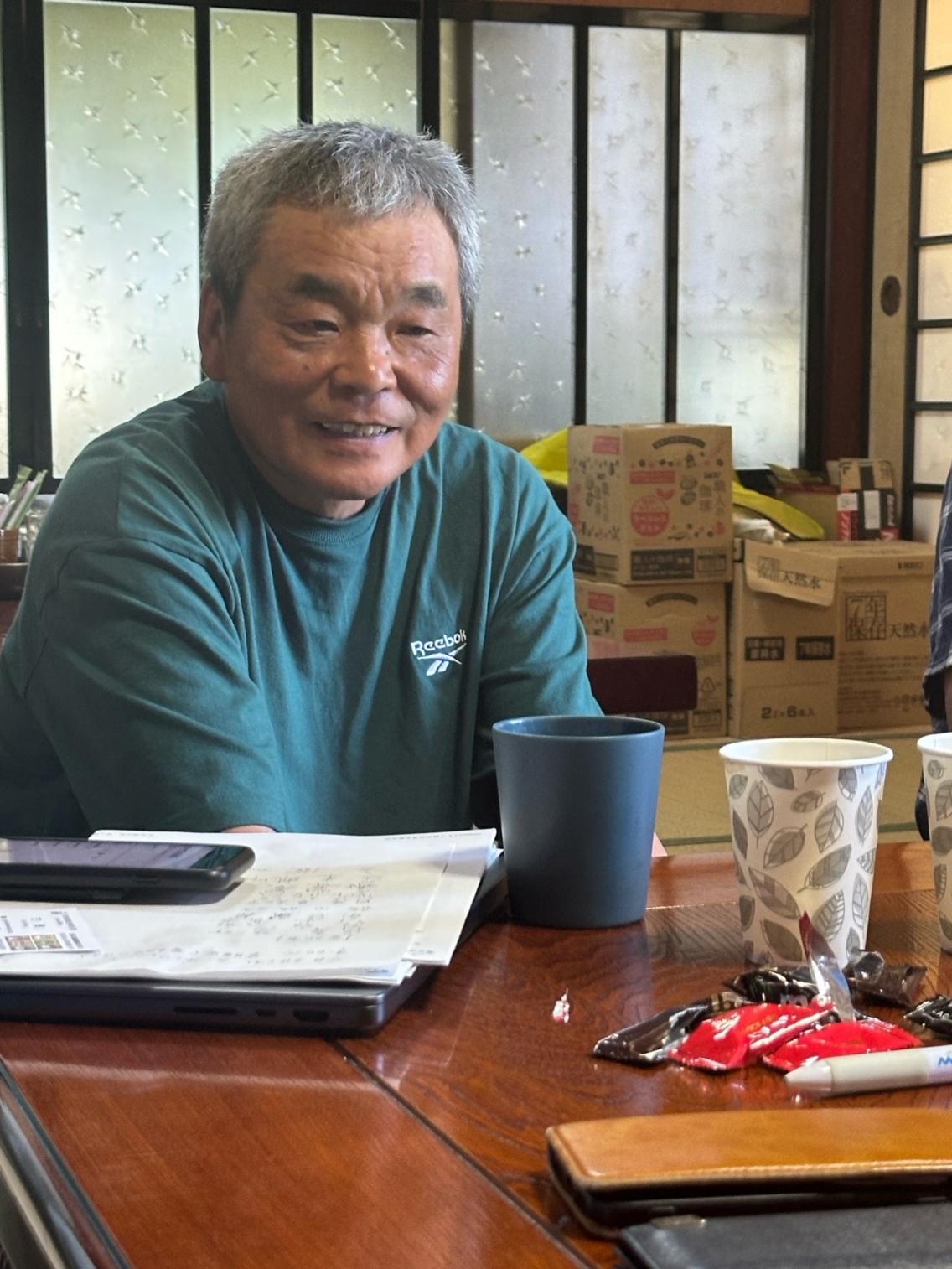
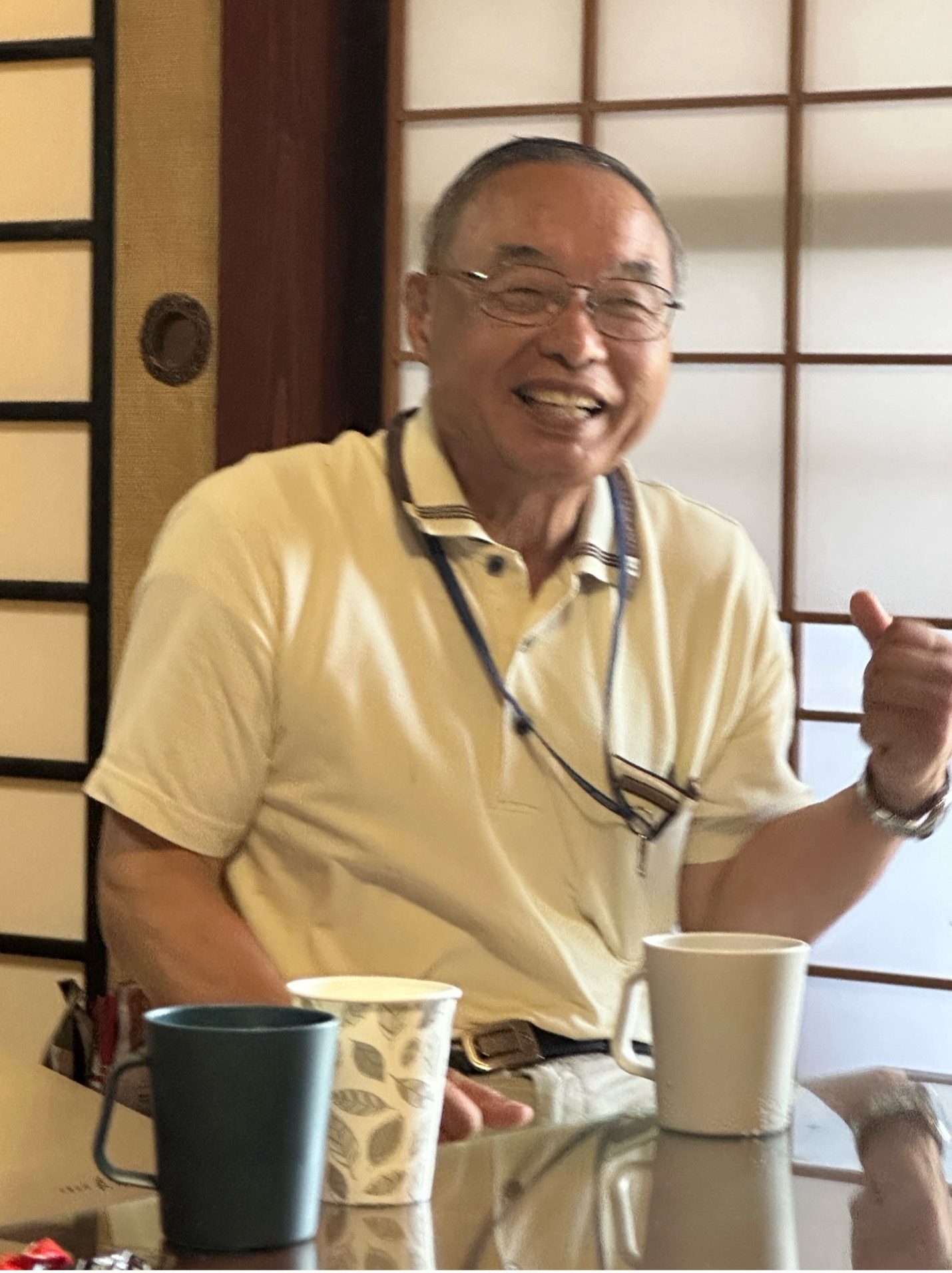
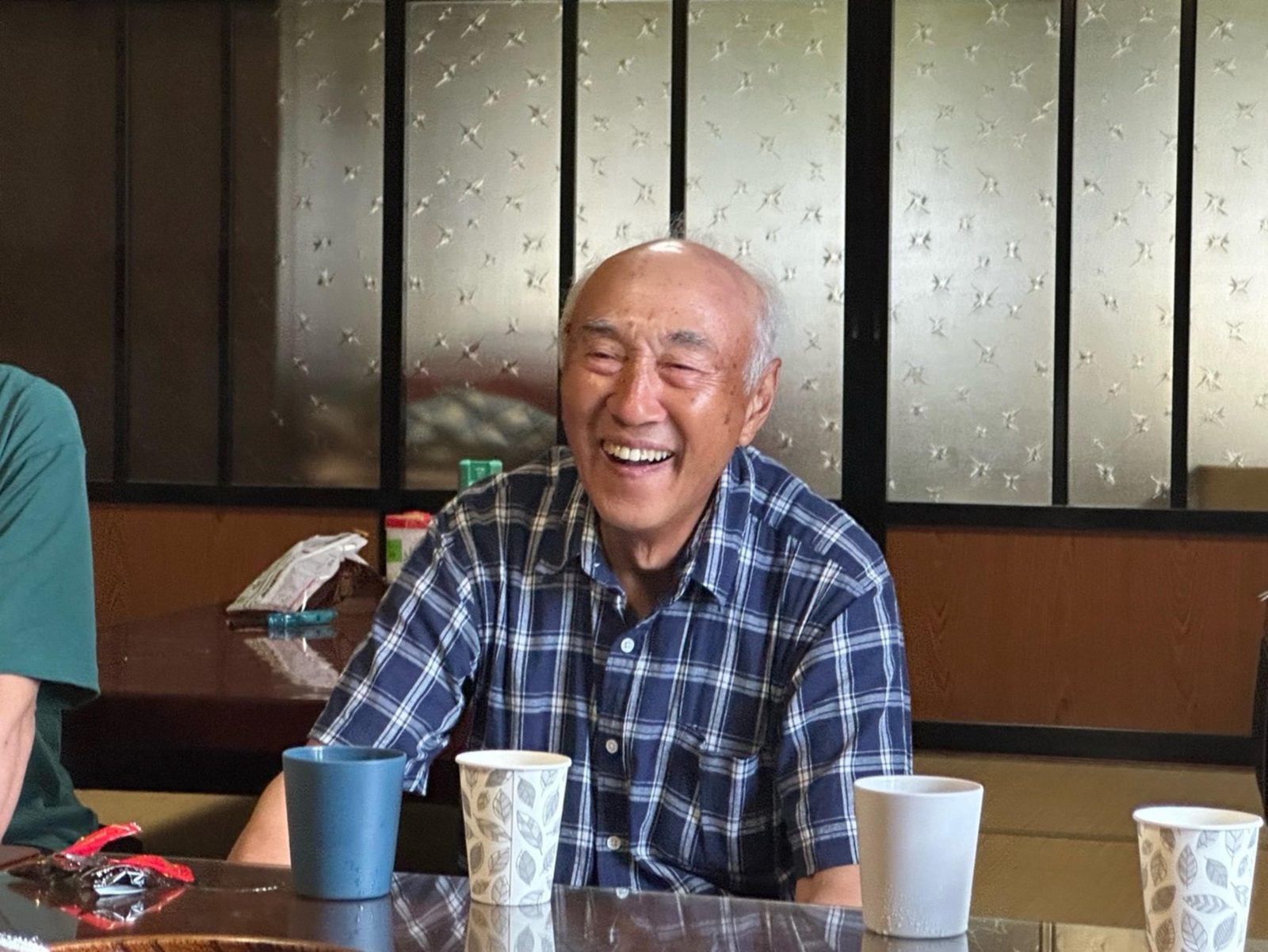
At the review meeting after the audit, the smallholders were very serious at first (photo: Jay Fang). After more than three hours of discussion, they finally understood the sustainable value of carbon farming, along with its hopes and vision, and their nervousness turned into the happy smiles of understanding (photo: Hsieh Ching-kuei).
Farmers' smiles are the best result
On 4 July Hsieh Ching-kuei and I flew back to Taiwan from Komatsu Airport on EVA Air flight 157, ending a nine-day, eight-night trip for design certification of the Noto satoyama smallholder carbon farming project. This was the first time Japanese smallholders had taken part in international sustainability and emission-reduction certification, and before the trip we learned that they were rather nervous and unsure how to respond.
"Tell the truth — don't exaggerate and don't be modest. Say whatever you want to say," I told them through an interpreter before the trip. But the smallholders were still anxious, so I decided to talk with them before the formal on-site audit to ease their worries. Compared with the Taiwan Smallholder Carbon Farming Project, the Japanese one is much simpler: there are only two areas, both rice terraces — the famous Senmaida in Shiroyone, Wajima City, and Machino in Noto Town. They have lived for generations in the low hills of Noto, known in Japan as "satoyama". Living off the mountains, they have farmed for more than 400 years and still keep traditional farming methods.
After ever stronger earthquakes in 2022, 2023 and 2024, the Noto Peninsula faces a critical moment of survival. Many people are old, or have moved to big cities such as Kanazawa and Nagoya for their children, leaving empty, crumbling houses. Even with the roads repaired, it will be hard to regain its former glory in a few years' time.
1 July marked a year and a half since the great Noto earthquake. NHK broadcast the difficulties of local reconstruction, especially ageing: how to bring young people here to build a future has become a huge challenge. Our project's aim is "sustainability". Increasing soil organic carbon as climate action is just the starting point, leading on to food security, health and well-being, quality education, decent work and economic growth, sustainable cities and communities, responsible consumption and production, and partnerships.
The average age of local farmers is 70 — the biggest challenge. The local mountains, forests and coast are suited to farming, fishing and livestock, but few young people today are joining in, and sooner or later it will be impossible to carry on.
The Weeding Crusade recovers a lost tradition
This year Senmaida's Aikōkai launched a "Weeding Crusade", mobilising young people to pull weeds, with a target of 1,004 people to match the 1,004 tiny terraces. Aikōkai representative Hiroyuki Yamashita said: "Because we stopped using herbicides this year, the ridges can be cut with mowers, but the weeds in the paddies have to be pulled by people walking into the fields. Walking in the fields also releases gases from the soil of paddies that have long been flooded, which helps the rice grow. This is what our elders used to do, but in recent decades, with herbicides, no one has done it. Now we're reviving this way of weeding."
According to the local Chunichi Shimbun, 40 people from Tokyo's Chugai Pharmaceutical took part in this programme around Environment Day on 5 June this year, as part of their company's ESG sustainability activities.
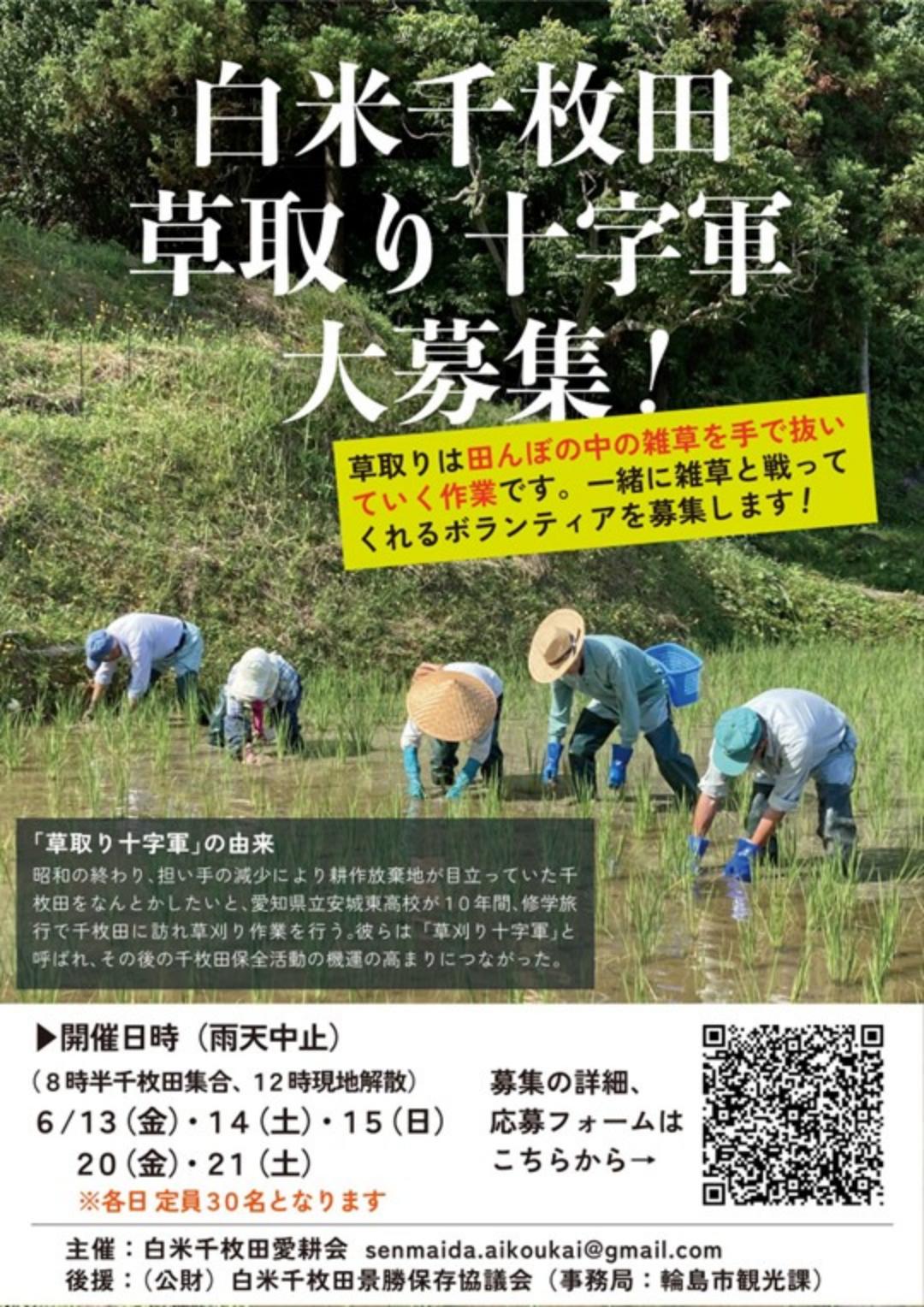
Shiroyone Senmaida has revived manual weeding for the first time in decades. Herbicides were used for decades, but now they are no longer used, and the old farming methods are being restored. (Image: Aikōkai Facebook)
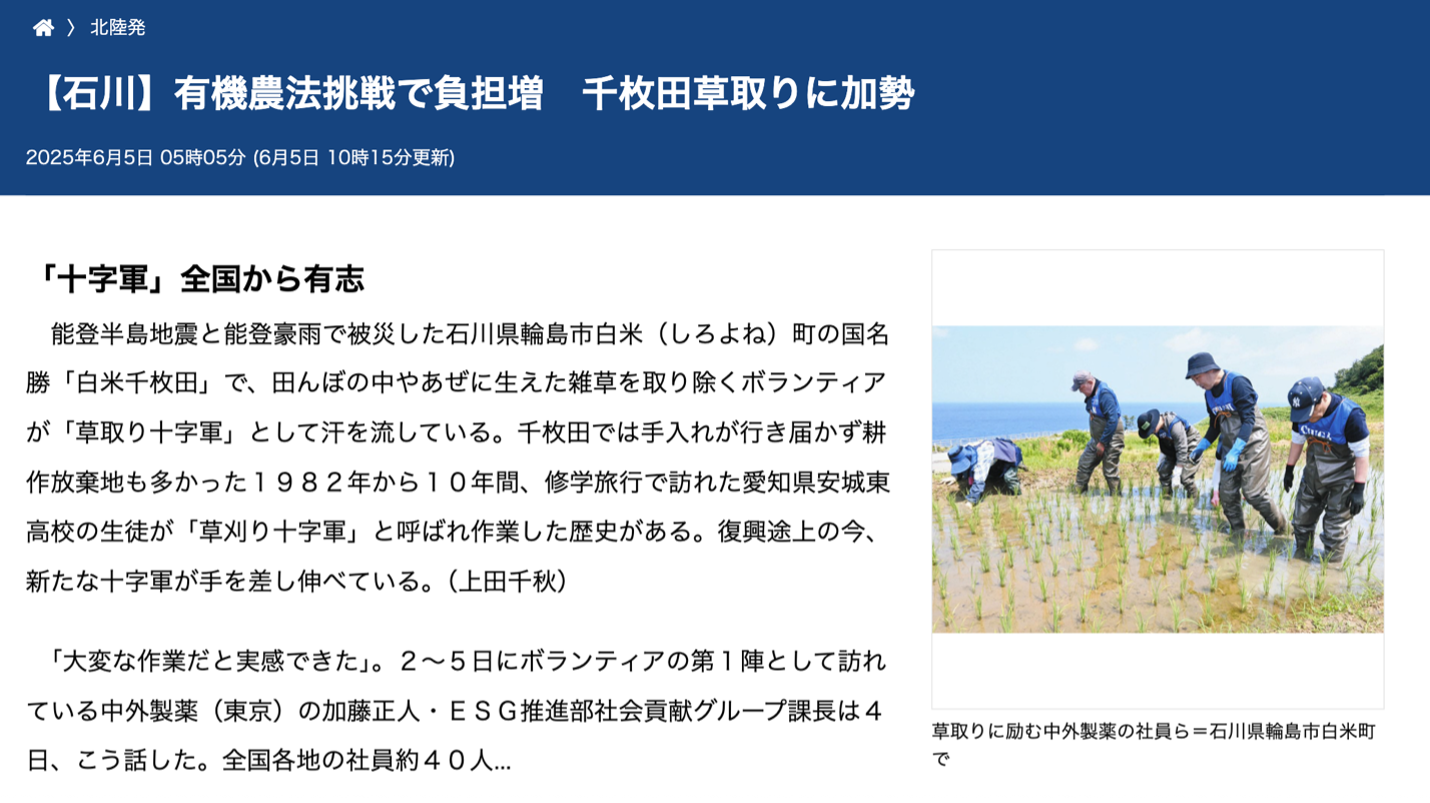
Caption: companies taking part in weeding at Senmaida as a contribution to their ESG. (From the Chunichi Shimbun website)
After completing the on-site audit on 2 July, Hsieh Ching-kuei and I went back to Senmaida to discuss future project activities with the smallholders. I used this Chugai Pharmaceutical activity as an example: besides weeding, they could deliver more substantive SDG results, turning it into a long-term ESG investment for the company.
Companies and farmers creating quantified SDG/ESG sustainability results together
Helping farmers weed improves rice growth and production, a substantive contribution to SDG 2 food security. Avoiding herbicides benefits the health of farmers, the environment and consumers — SDG 3 good health and well-being. Participants can post photos and check-ins to spread the word, meeting SDG 4 quality education, and the number of likes can be counted as a result. Company trips to the Senmaida disaster area promote eco-tourism, show care for local residents and raise incomes — SDG 8 decent work and economic growth. These activities also stimulate the local economy and improve infrastructure, contributing to SDG 11 sustainable cities and communities. Acting this way is responsible consumption by the company that helps farmers produce responsibly — a concrete expression of SDG 12 responsible consumption and production. And the activity builds a partnership between companies and farmers seeking sustainability together (SDG 17).
The farmers were delighted to hear this: they can carry out their plans more effectively while connecting with companies to create greater added value, forming a sustainable value chain through the food supply chain.
After more than a year of hardship from natural disasters, farmers who had been tense and anxious saw hope, unfurrowed their brows, and happily discussed future work plans in combination with sustainability goals.
At last we saw their first broad smiles in a year and a half. When we see a shared future, we can bravely face shared challenges. Working together, finding opportunity in desperate circumstances and creating hope — that is where the value of sustainability lies.
Podcast 》》 https://www.doubao.com/podcast/85208e55c6bc


