 努力小農
本文尚無譯文。
Sustainability can be contract-farmed along with the produce
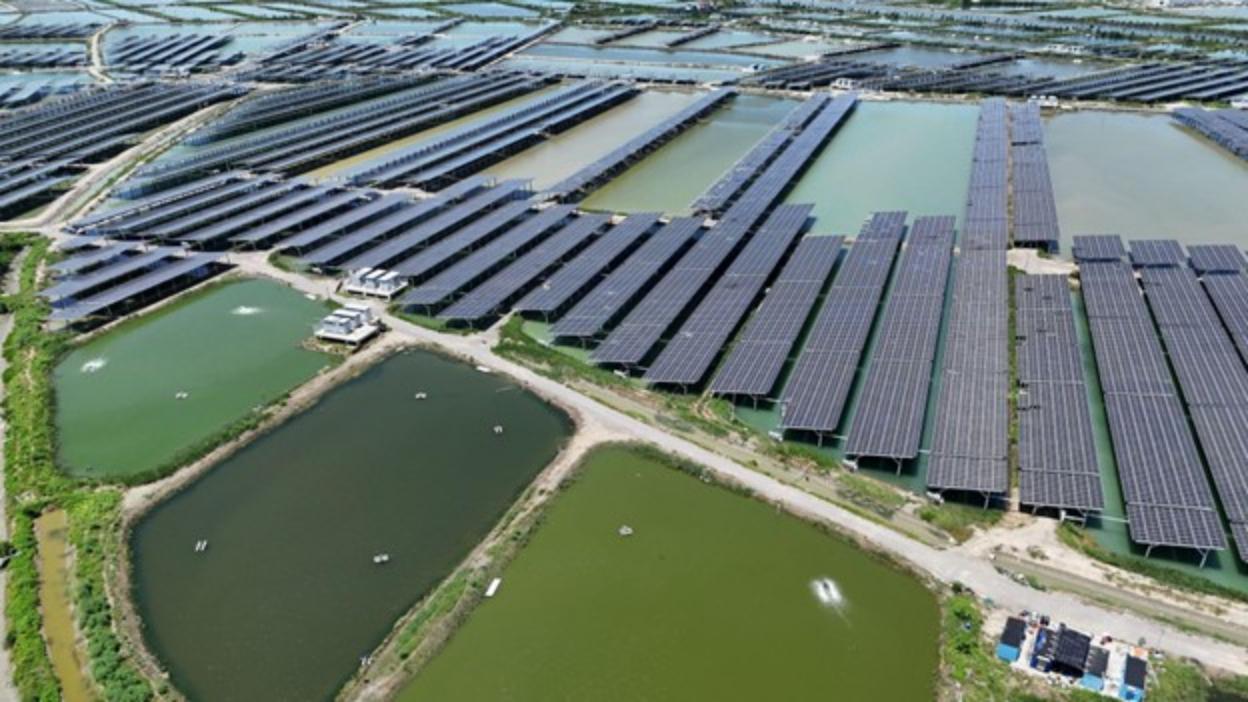
As the global economy transitions towards sustainable development, SDG investment, voluntary carbon markets and rigorous disclosure standards have become essential tools for companies to create meaningful impact. (Photo: Jay Fang)
As the Taiwan Smallholder Carbon Farming Project enters international emission-reduction certification, the value it offers is not only soil organic carbon storage but also the Gold Standard "Sustainability Impact" generated in carrying out the project — certified performance on SDGs 2, 3, 4, 8, 12 and 13. Through the food chain and supply chain of smallholder food production, this is turned into a value chain of corporate sustainability performance. In short, whenever a company buys produce from carbon-farming smallholders, its purchasing power becomes the driving force of smallholder carbon farming — in effect "contract-farming sustainability impact", killing several birds with one stone for the company.
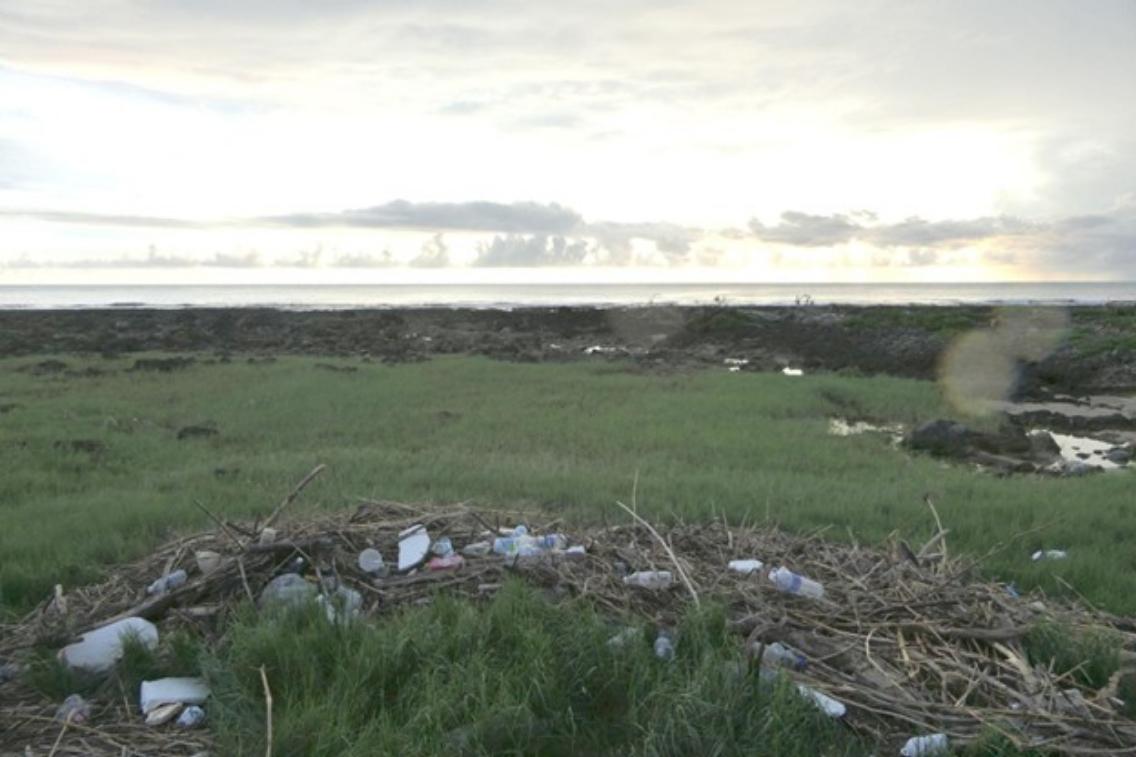
Green energy and beach clean-ups are the sustainability actions Taiwanese companies choose most often, but their performance and durability are questionable — especially awkward after a single typhoon. (Photo: Jay Fang)
The "unreadable scripture" of sustainability
To understand today's so-called "sustainability": because most mainstream sustainability thinking comes from abroad, any discussion is full of English acronyms — an English "alphabet soup" that becomes "unreadable scripture" in Chinese. Add terms Taiwan has coined itself, muddled together with English, and even people who share the same language end up talking past each other.
Back to the basic questions: "Why be sustainable? How do we measure sustainability?" In today's global situation, we must ultimately return to the accounting system humanity has used for more than 500 years, with money (or even virtual currency) as the yardstick. It's like consumers shopping at a market: they may not understand much of the description, but they always understand the "price". Only on the basis of pricing can the endless words of "unreadable scripture" become numbers most people can understand and act on.
In the current wave of global economic transformation, Sustainable Development Goal (SDG) investment and environmental, social and governance (ESG) frameworks have quickly become cornerstones of corporate responsibility and investment strategy. Organisations are integrating global standards and rigorous frameworks into their operations at unprecedented speed to report and improve their sustainability impact on the world. Closely linked to these frameworks are voluntary carbon markets, carbon credits and a range of international standards, including the Gold Standard, International Financial Reporting Standards (IFRS S1 and S2), CDP, the Global Reporting Initiative (GRI) and the Greenhouse Gas (GHG) Protocol. For any forward-thinking company or investor, deeply understanding how these themes intertwine and using them effectively to prevent "greenwashing" has become a crucial task.
SDG investment, as the name suggests, is an investment strategy aimed at contributing to the UN's 17 Sustainable Development Goals while generating financial returns. It is not just about "doing good" but a strategy that combines business strategy, capital allocation and risk management with long-term sustainable value creation. Its core principles are intentionality, measurability, additionality and financial return: every investment aims to generate social and environmental benefits beyond traditional financial returns, and its results are tracked and reported against recognised standards.
Greenwashing is the great enemy of progress
Meanwhile, voluntary carbon markets give companies, individuals and other entities a mechanism to offset greenhouse gas emissions that are difficult or impossible to reduce directly. Unlike regulated compliance markets, voluntary carbon markets are driven by companies' self-imposed climate commitments, stakeholder pressure and reputational considerations. Carbon credits on the market are tradable certificates certified by independent registries such as the Gold Standard or the Integrity Council for the Voluntary Carbon Market (ICVCM), each representing a reduction or removal of one tonne of CO2-equivalent greenhouse gas. These credits not only support emission-reduction projects such as renewable energy or reforestation; many also bring additional co-benefits, such as community development or biodiversity protection, complementing the SDGs. The Gold Standard Impact Registry further ensures these credits' authenticity, transparency and traceability, maximising their climate and sustainable development benefits.
To provide more credible and comparable sustainability information, the International Sustainability Standards Board (ISSB) issued two important standards: IFRS S1, "General Requirements for Disclosure of Sustainability-related Financial Information", and IFRS S2, "Climate-related Disclosures". These set a single global baseline for sustainability- and climate-related reporting, with the core principle of tightly linking sustainability to financial disclosure. IFRS S1 requires companies to disclose all material sustainability risks and opportunities that could affect their cash flows, access to finance or cost of capital, across four areas: governance, strategy, risk management, and metrics and targets. IFRS S2 focuses on climate-related matters, requiring companies to disclose in detail their greenhouse gas emissions (Scopes 1, 2 and relevant Scope 3), climate targets and transition plans, closely aligned with the recommendations of the Task Force on Climate-related Financial Disclosures (TCFD). Through this rigorous framework, companies can show investors the intrinsic link between their sustainability strategy and financial performance, strengthening the credibility of their reporting.
Buy more, save the Earth more
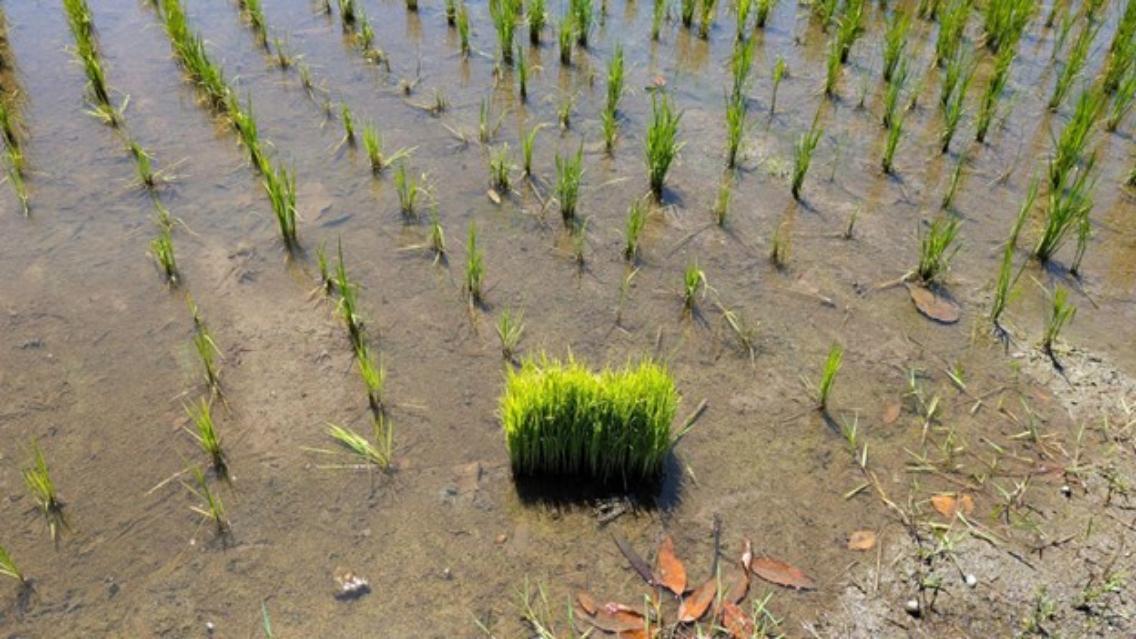
The Taiwan Smallholder Carbon Farming Project offers an opportunity for sustainable development of the food chain, supply chain and value chain — it turns out sustainability can also be achieved through "contract farming". (Photo: Jay Fang)
These emerging global standards also coordinate with existing frameworks such as CDP, GRI and the GHG Protocol. The GHG Protocol provides the globally recognised method for emissions accounting, laying the foundation for IFRS S2 reporting, while GRI, with its broad sustainability reporting standards, complements the finance-oriented disclosures of IFRS S1/S2, helping organisations report their social and environmental impacts more fully. This integrated approach encourages companies to use consistent data, methods and third-party verification, effectively preventing "greenwashing".
The key to preventing greenwashing is transparency and accountability. Companies should disclose data and methods through public registries and rely on independent certification, such as the Gold Standard or ICVCM, to verify project impacts and carbon credits, ensuring their claims are genuine and traceable. They should also continually monitor and improve their disclosure processes to stay aligned with evolving standards and stakeholder expectations.
In Taiwan, the Financial Supervisory Commission's roadmap for mandatory IFRS S1 and S2 disclosure gives listed companies clear guidance on responding to this global trend. The roadmap is phased in by company capital, requiring companies to add a dedicated chapter to their annual reports and to file sustainability information alongside their financial statements, improving market transparency and guarding against greenwashing. This change requires companies not only to establish sound information collection and management processes but also accounting firms to help actively with training, assurance and strengthening compliance and risk control.
As the global economy transitions towards sustainable development, SDG investment, voluntary carbon markets and rigorous disclosure standards have become essential tools for companies to create meaningful impact. By making good use of the Gold Standard Impact Registry, following the requirements of IFRS S1 and S2 and aligning with existing frameworks, companies and investors can together build more resilient, trustworthy and transformative portfolios. Ultimately, only through transparent, verifiable and continually improving efforts can organisations ensure that their sustainability commitments translate into real, measurable progress, laying a solid foundation for a sustainable future.
Everyone hopes to tackle the greenhouse effect and extreme climate as a foundation for sustainable business, but struggles to find a way. The Taiwan Smallholder Carbon Farming Project offers companies a "buy more, save more" opportunity. When companies buy produce from smallholder carbon farming, they invest directly in smallholders' emission reductions and carbon sequestration (SDG 13), provide employees with the healthiest food (SDGs 2 and 3) and opportunities for environmental and food-and-farming education (SDG 4), raise smallholders' incomes (SDG 8) and practise responsible corporate consumption and production (SDG 12). Clear standardised quantification, rigorous audit and certification, and transparent, participatory mechanisms ensure the sustainable value chain can continue.
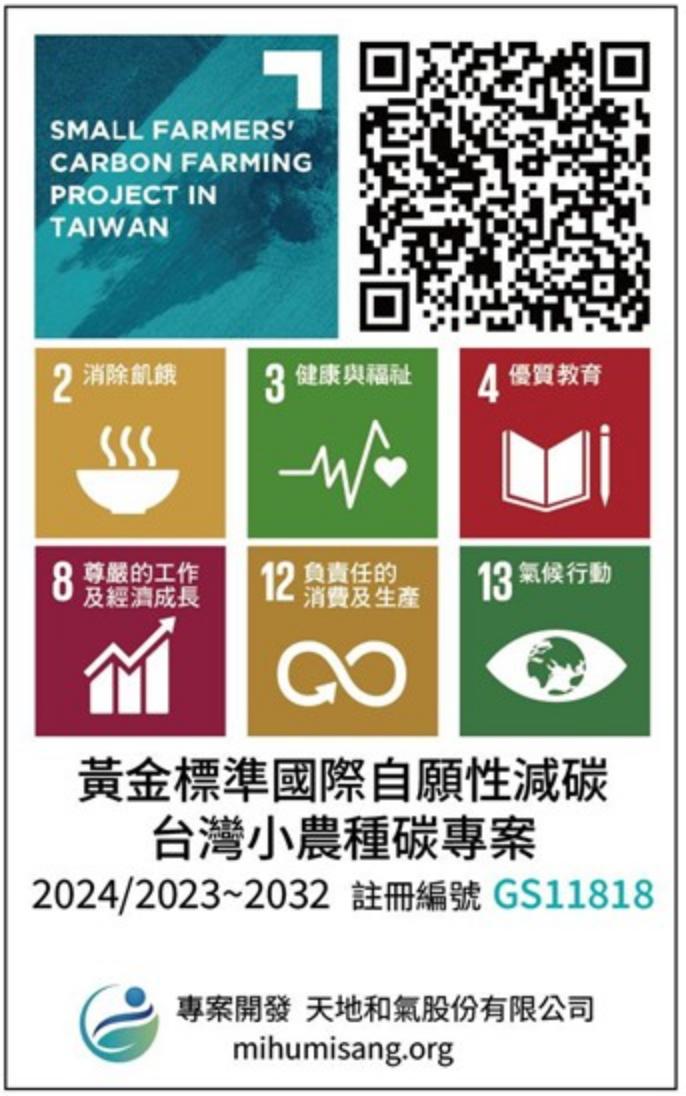
The Taiwan Smallholder Carbon Farming Project can provide social and environmental contribution labels for products, which can be put on the products and become genuine, traceable sustainability performance for companies. (Image: Eco-affinity Inc.)
Source: CM Media ( https://www.cmmedia.com.tw/home/articles/56517 )


