努力小農
本文尚無譯文。
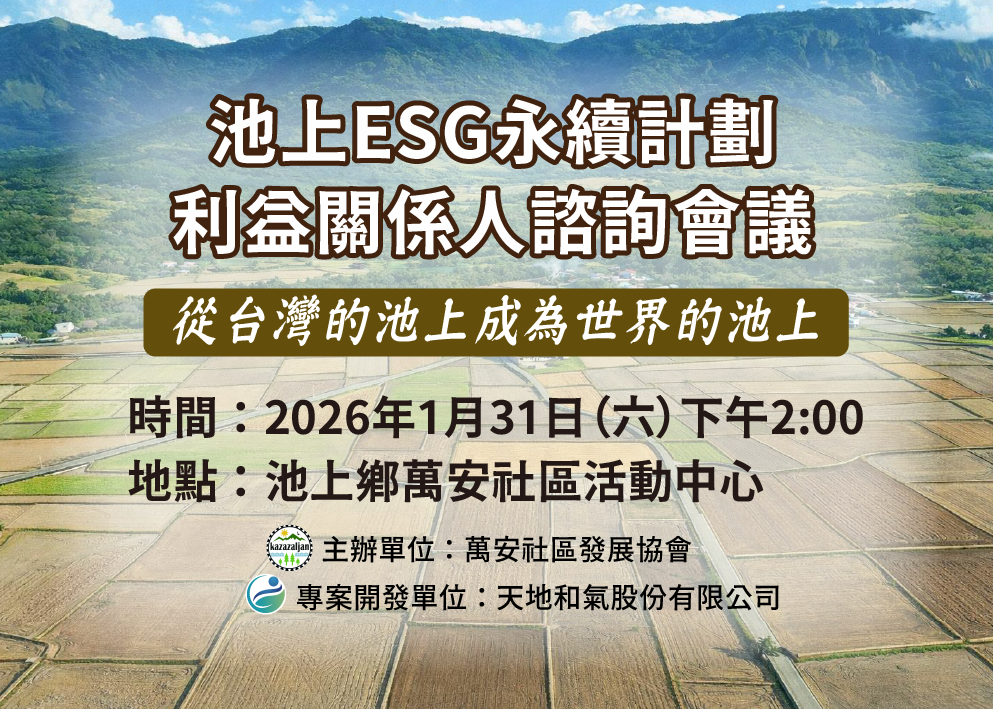
31 Jan 2026: Chishang ESG Sustainability Plan stakeholder consultation meeting
Chishang ESG Sustainability Plan stakeholder consultation meeting
Time: Saturday 31 January 2026, 2:00 p.m.
Venue: Wan'an Community Activity Center, Chishang Township
Map: https://share.google/cO0Pv0jQOUXV4Jyi
Registration: https://forms.gle/AfxQqQvVVz2qrW7w8
--------------------------------------------
Agenda
· 14:00-14:10 Opening and introduction of guests
· 14:10-14:30 History of the Chishang rice origin certification mark
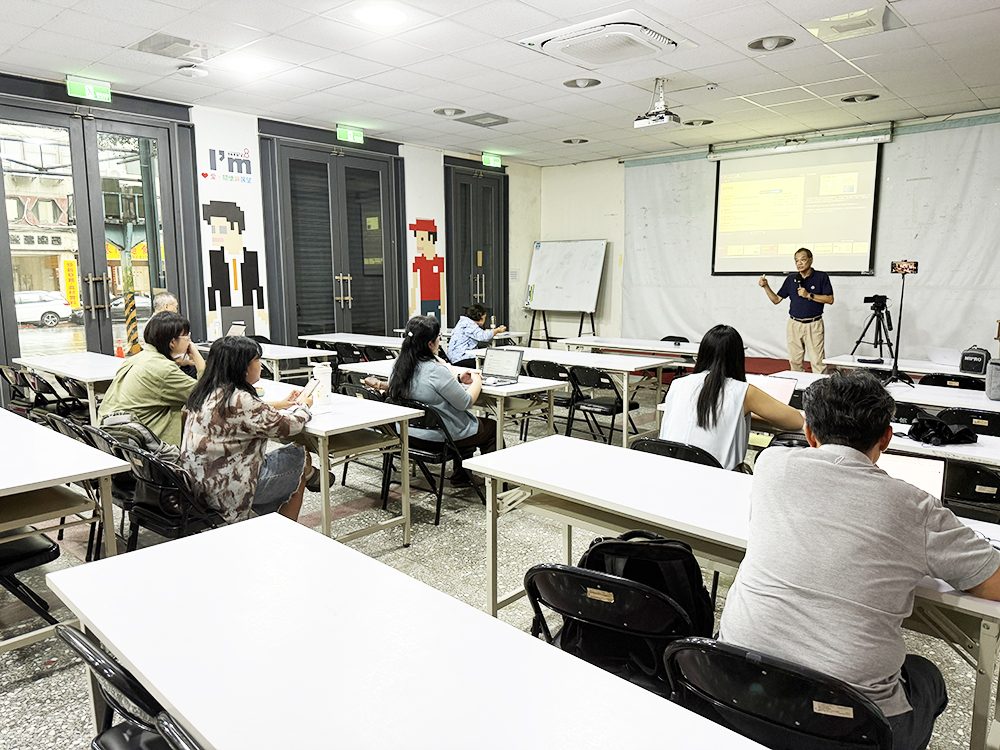
· 14:30-14:40 Introduction to smallholder carbon farming and the Global Soil Doctors Programme
· 14:40-14:50 Strategies for reducing tillage and increasing cover to promote carbon sinks
· 14:50-15:10 Sustainable rural landscapes and ecosystem services
· 15:10-15:30 Discussion on strengthening agricultural resilience and ESG eco-tourism
· 15:30-15:50 Explanation of IFRS S1 and S2 international sustainability disclosure rules for listed companies
· 15:50-16:30 General discussion and exchange of views
· 16:30 Close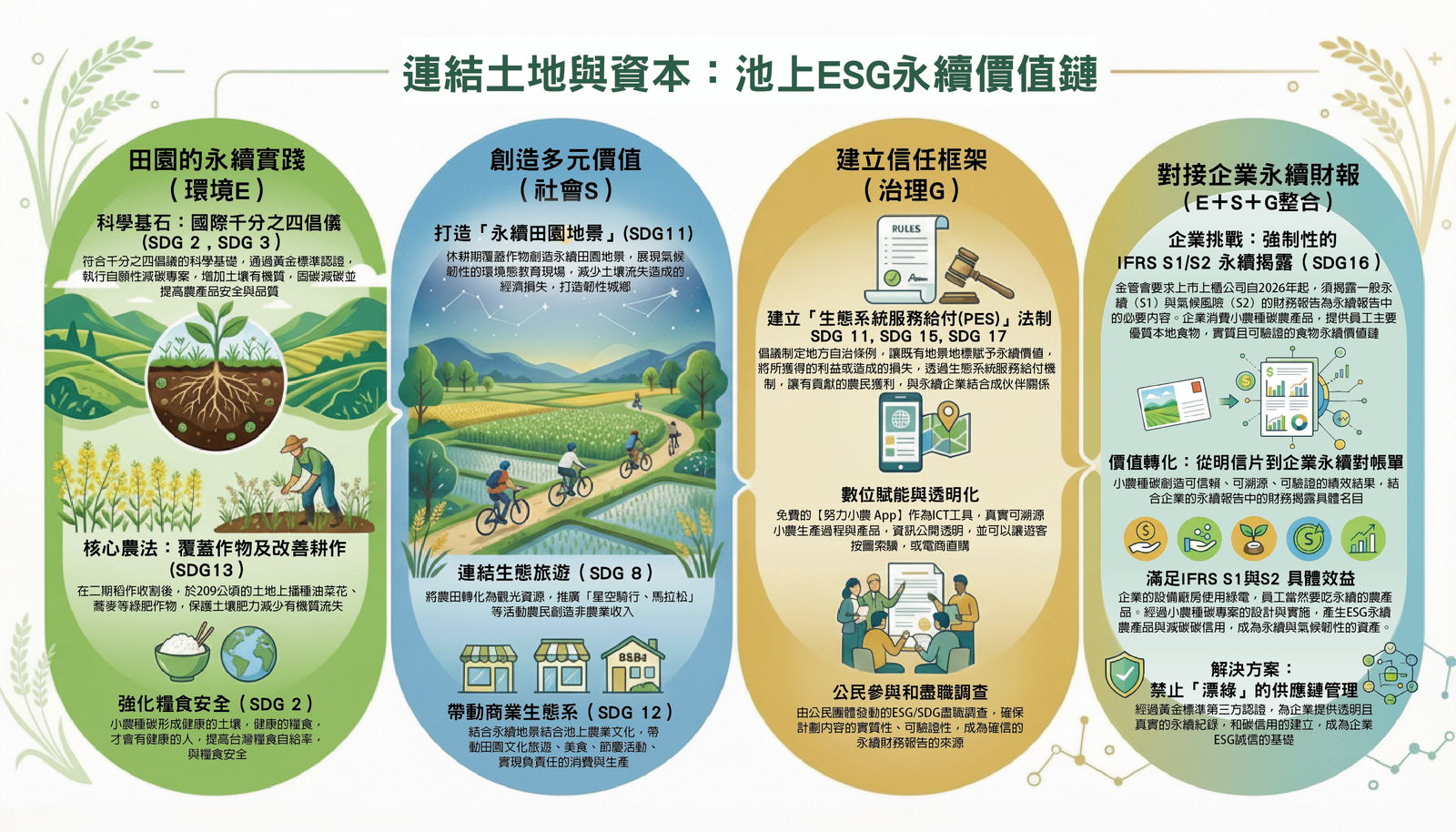
Establishing an "ESG Sustainability Plan" for Chishang Township, Taitung County is an innovative vision combining international standards, local cultural heritage and regenerative agriculture. The plan is developed by Eco-affinity Inc., with Gold Standard project GS23490 at its core, aiming to turn Chishang's farming practices into quantifiable climate assets and sustainable development outcomes.
1. Core framework: Chishang Smallholder Carbon Farming Project (GS23490)
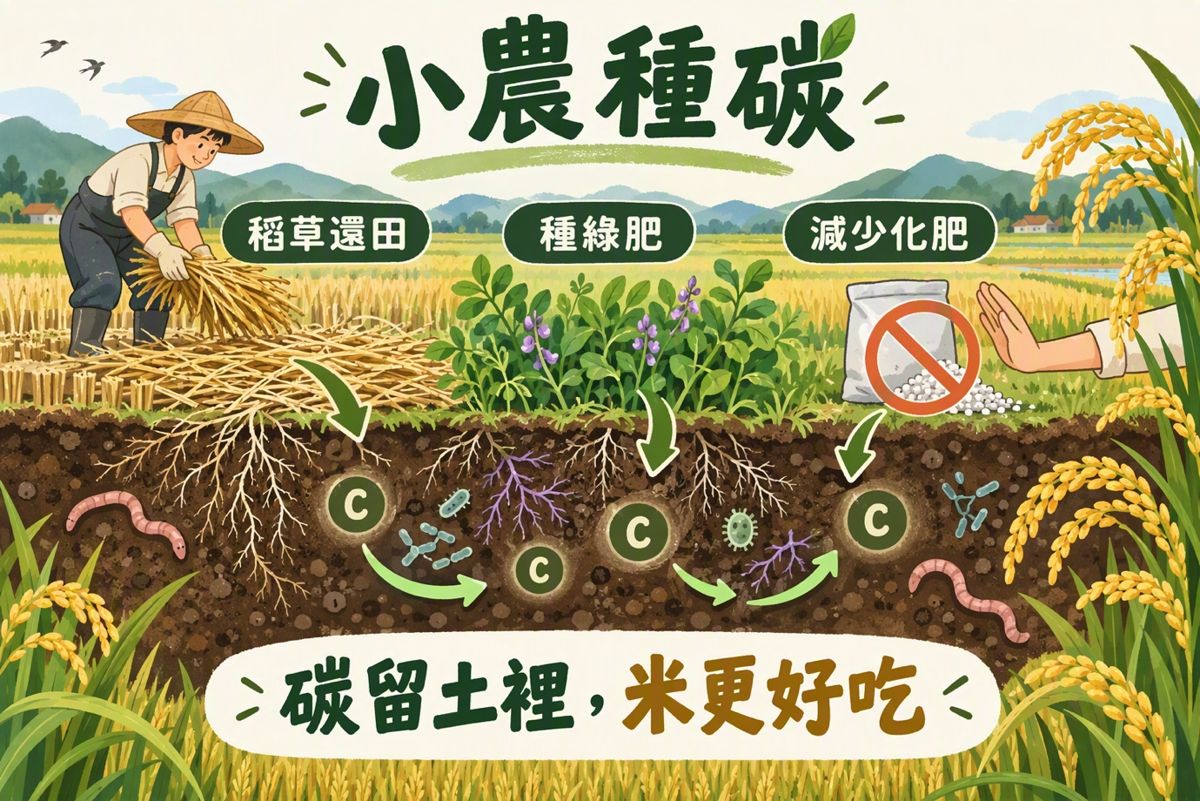
The plan takes the international 4 per 1000 Initiative as its scientific cornerstone and carries out voluntary emission reductions through the Gold Standard's framework methodology for increasing soil organic carbon (SOC).
-
Agricultural technology modules: the project uses the Gold Standard's "Cover Crops" and "Improved Tillage" activity modules.
-
Scale of practice: 209 hectares of paddy fields have joined so far. After the second rice harvest, green manure crops such as rapeseed and buckwheat are sown to cover the ground, reducing bare soil and protecting fertility.
-
Food security (SDG 2): improving soil quality to strengthen a domestic base for high-quality food supply, in response to the crisis of Taiwan's food self-sufficiency of only about 30%.
2. Upgrading the initiative: "sustainable rural landscapes" and eco-tourism
The project is concerned not only with carbon reduction but also with landscape aesthetics and economic resilience.
-
Landscape and resilience: proposing a "Sustainable Rural Landscape Initiative" or "Climate-Resilient Rural Landscape Initiative". Covering the ground with crops during fallow periods reduces the wind-blown dust caused by traditional ploughing and creates a "priceless panorama" that changes with the seasons.
-
Linking to eco-tourism (SDG 8): turning the landscape into a tourism resource to attract visitors, and promoting low-carbon activities such as "starlight cycling", increasing farmers' non-farm income.
3. Regional expansion: from the "core area" of Wan'an Community (the old Xinkaiyuan rice fields) to the outer area
The plan takes the "Xinkaiyuan Old Rice Fields Cultural Landscape" of Wan'an Community in Chishang as the yolk at its core, extending sustainable action to the surrounding business ecosystem (the white).
-
Business synergy: bringing surrounding shops, restaurants, homestays and electric-tricycle operators fully in line with the Sustainable Development Goals (e.g. SDG 12 responsible consumption).
-
Cultural preservation: the plan must comply with the Cultural Heritage Preservation Act and relevant county and township regulations to protect cultural landscapes of historic value.
4. Governance and law: payment for ecosystem services (PES)
To ensure long-term operation and fairness, the plan recommends a local self-government ordinance.
-
Proposed ordinance: amend or create a "Chishang Cultural Landscape and Sustainable Development Self-Government Ordinance", upgrading the existing subsidy mechanism into "payment for ecosystem services (PES)" provisions.
-
Compensation for sustainability landmarks: for specific fields whose farming is affected by landscape needs — such as the "Tea-Offering Tree" (formerly the Takeshi Kaneshiro Tree), Mr Brown Avenue, Heaven Road and the floating irrigation channel — establish real compensation and maintenance mechanisms, with society sharing the cost of upkeep.
-
Civic participation and due diligence: civil society groups will develop ESG/SDG due diligence guidelines to ensure the plan is open, transparent and publicly credible.
5. Digital empowerment: the MiHuMiSang App and digital verification
The plan will use information technology to improve transparency and future value.
-
ICT tools: the MiHuMiSang App is designated as the tool for field management, data traceability and activity reporting.
-
Visitor participation in verification: eco-tourists can use the app to take part in on-site verification of smallholder carbon farming and share on social media, strengthening consumers' identification with sustainable products.
-
Asset tokenisation: leaving room to turn SDG/ESG results into digital tokens in future, linking to green finance and consumer rewards.
6. Transforming a model of success: from registered origin certification to ESG certification
In the 2000s Chishang successfully fought counterfeits and raised farmers' incomes through the "Chishang Rice registered certification mark".
-
Public–private collaboration model: following that success, this plan will build a Chishang ESG Sustainability Plan with public and private institutions taking part together, raising Chishang rice and its landscape to the level of international Gold Standard sustainability certification.
-
Linking to IFRS: this verified performance will become key evidence for listed companies meeting IFRS S1/S2 financial disclosure requirements, achieving a triple win for the environment, the economy and society.
You can think of this as "regenerating soil and spirit together": just as inner changes in how farmland is managed naturally show up in the landscape and the quality of produce ("the face reflects the heart").
Download the Chishang Sustainability Plan document: https://mihumisang.org/web/data/tmp/20260119/202601191f08pf.docx