 努力小農
本文尚無譯文。
Major Heat reflections: how should the body get through the hottest solar term?
Carbon Farming Digest No. 3 · Major Heat | Solar-term feature
Major Heat is the hottest of the 24 solar terms. It usually falls around 22 or 23 July; this year it falls on 23 July. The name means the heat has reached its peak — the highest temperatures, the longest sunshine and the heaviest humidity, the time Chinese medicine describes as “summer heat and damp steaming together”. This is when the body most easily feels heavy, loses its appetite and lacks energy, and when reports of heatstroke and heat injury are highest every year.
Food: clear the heat, and don't forget the damp
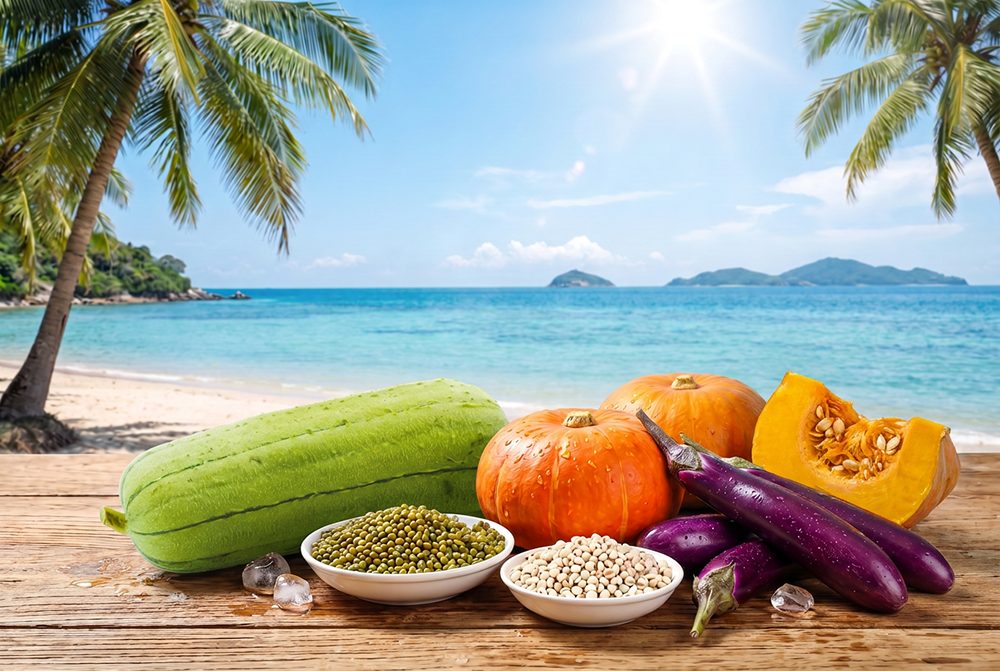
The core principle for Major Heat eating is “light, easy to digest and good at dispelling damp”. Seasonal produce is the best natural medicine: loofah, winter melon, pumpkin and aubergine clear heat and damp and are light and tasty; mung beans and Job's tears made into soup are a time-honoured way to beat the heat. Don't skimp on protein either — in hot weather metabolism runs fast and the body burns more energy than usual, so aim for 100–120 g of protein a day, preferring cooling, easily digested meats such as chicken, duck and lean pork. As for bubble tea and ice desserts — “fighting heat with cold” — Chinese medicine actually advises restraint: after a brief cool-down, the stomach often bears a heavier load, especially for people whose digestion is already weak.
Daily rhythm: follow the sunlight, don't fight the sun
During Major Heat the days are longest and UV strongest. Going to bed early, rising early and avoiding going out around midday are the basic rules of self-protection. A short nap helps make up for sleep broken by sticky nights, and drinking water regularly matters more than waiting until you feel thirsty — outdoor workers, older people and children are all at high risk of heat injury.
Major Heat in the fields: a farmer's sense of the season
For people who farm, Major Heat is not just about wellbeing; it is a critical time for field management. Rice is in the key growth stage around heading, so water management cannot slip, while dry-land crops need watching for pests and diseases sped up by heat and for evaporation. Experienced farmers know that soil moisture, shade and irrigation schedules at this point directly decide the quality of the whole season's harvest.
The body needs care in step with the seasons, and so does the land. A healthy body is built from light food and regular habits; healthy soil likewise depends on continuous care through the year — adding organic matter, sensible irrigation and less reliance on chemical inputs. That is exactly what the carbon farming platform and the MiHuMiSang App want to do with you: turn the old wisdom of “follow the seasons, one step at a time” into everyday practice that can be seen and tracked.
However hot Major Heat gets, it always passes. Looking after the body and looking after the land — that is what this solar term really teaches us.#MajorHeat #ClearHeatDispelDamp #SeasonalProduce #FollowTheSeasons #CarbonFarmingDigest


