 努力小農
本文尚無譯文。
Feature story | How Chishang's farmscape initiative began
An interview with Hsiao Jen-yi, honorary chair of the Wan'an Community Development Association, Chishang –
22 years after refusing utility poles, the community is moving towards a net-zero, sustainable future
Under the blazing sun of Major Heat, the shade of a big tree feels wonderfully cool. Chishang's “Takeshi Kaneshiro tree” is one of Taiwan's most famous — and most lucrative — trees, but it too faces a sustainability challenge; keeping it alive could make it the emblem of Chishang's sustainable landscape. How WTO accession shook and changed rural Taiwan
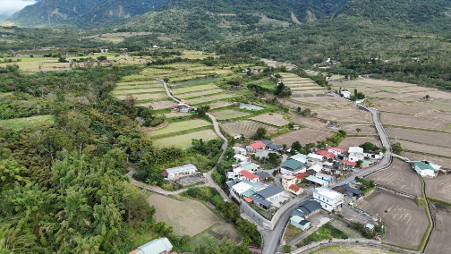
Photo: Wan'an saw the shock of WTO accession as a chance to change, and began growing organic rice in 2001. A quarter of a century later, facing the challenge of global climate change, the community development association decided to launch the Chishang Smallholder Carbon Farming Project and set out on a sustainable path.
In 2001 Hsiao Jen-yi was secretary-general of the Wan'an Community Development Association, later becoming its chair. Taiwan was about to join the WTO, which would hit agriculture hardest, and no one knew what to do. Liang Cheng-hsien and others went to Japan to study and proposed growing organic rice.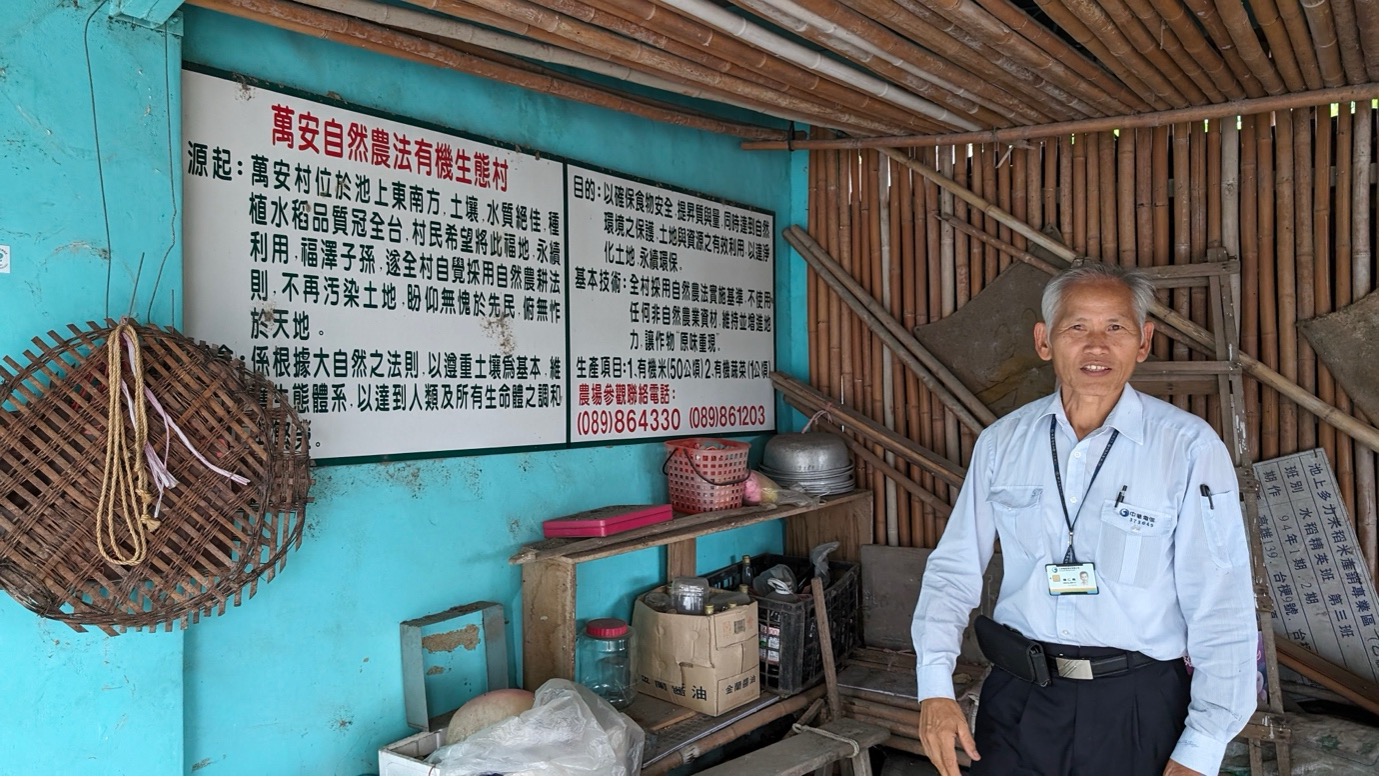
Photo: Hsiao Jen-yi was born in Chishang and used to work part-time while farming. One of the driving forces behind Wan'an's natural-farming organic eco-village, he retired from Chunghwa Telecom last year to serve the community full time.
Organic rice growing began in Wan'an with the second crop of 2001 (July) — a quarter of a century ago. It started with less than 10 hectares; with Liang Cheng-hsien's encouragement regardless of cost, it grew to over 50 hectares in the second year. Some farmers later dropped out, and today it covers just over 40 hectares.
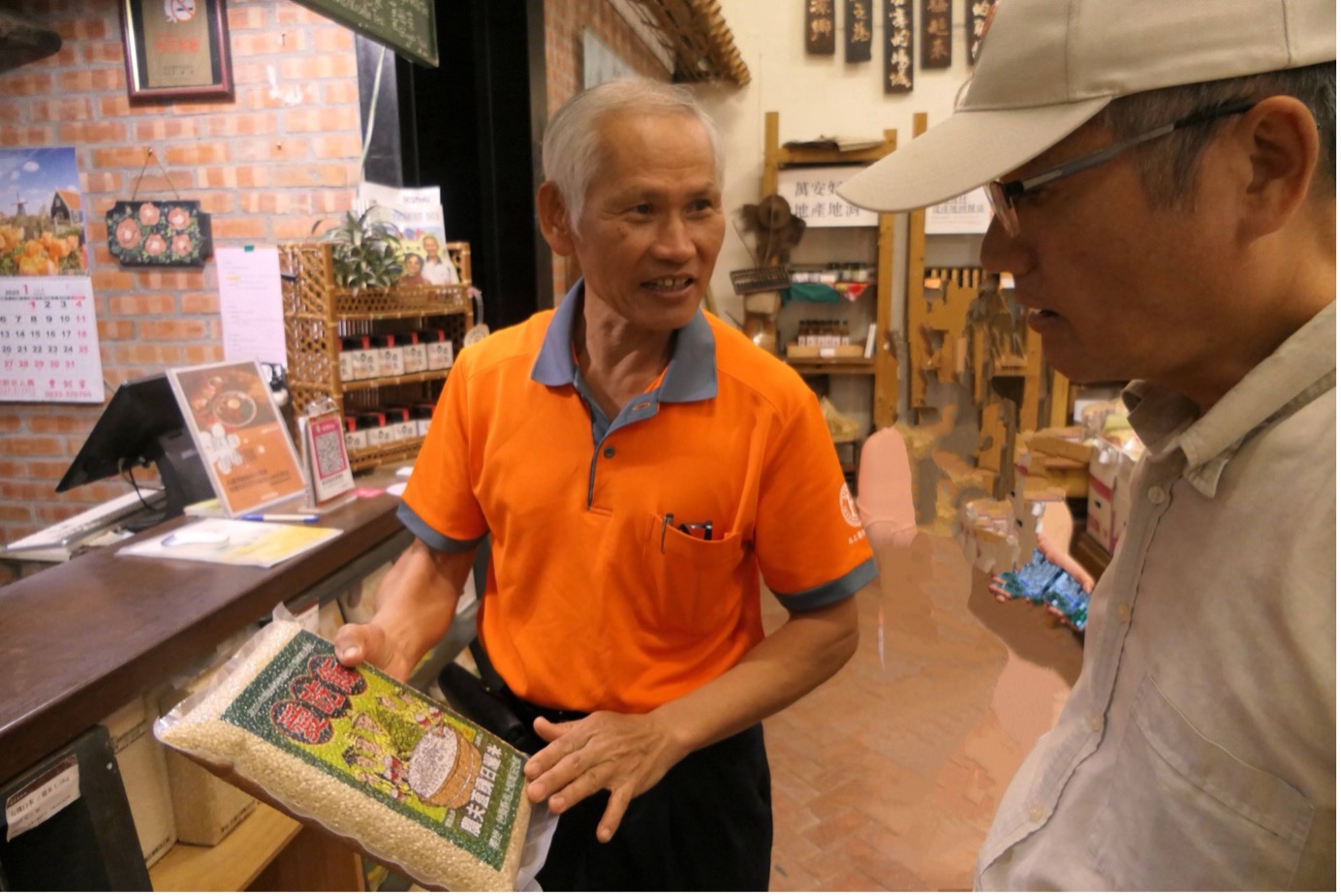
Photo: Hsiao Jen-yi introduces his organic “Love to Eat Rice” brand to Yang Chang-chen, former minister of the Hakka Affairs Council.
Saying no to utility poles to keep a “priceless landscape” and a sustainable future
In 2004, Taipower planned to put up more than 40 utility poles along Mr. Brown Avenue so that some people could build houses in the middle of the fields. Hsiao, then secretary-general, and the community's residents objected. Taipower then proposed routing the line along Heaven Road instead; the community still said no. After six months, Taipower gave up and used the existing power line route through Xinxing Village to the west.
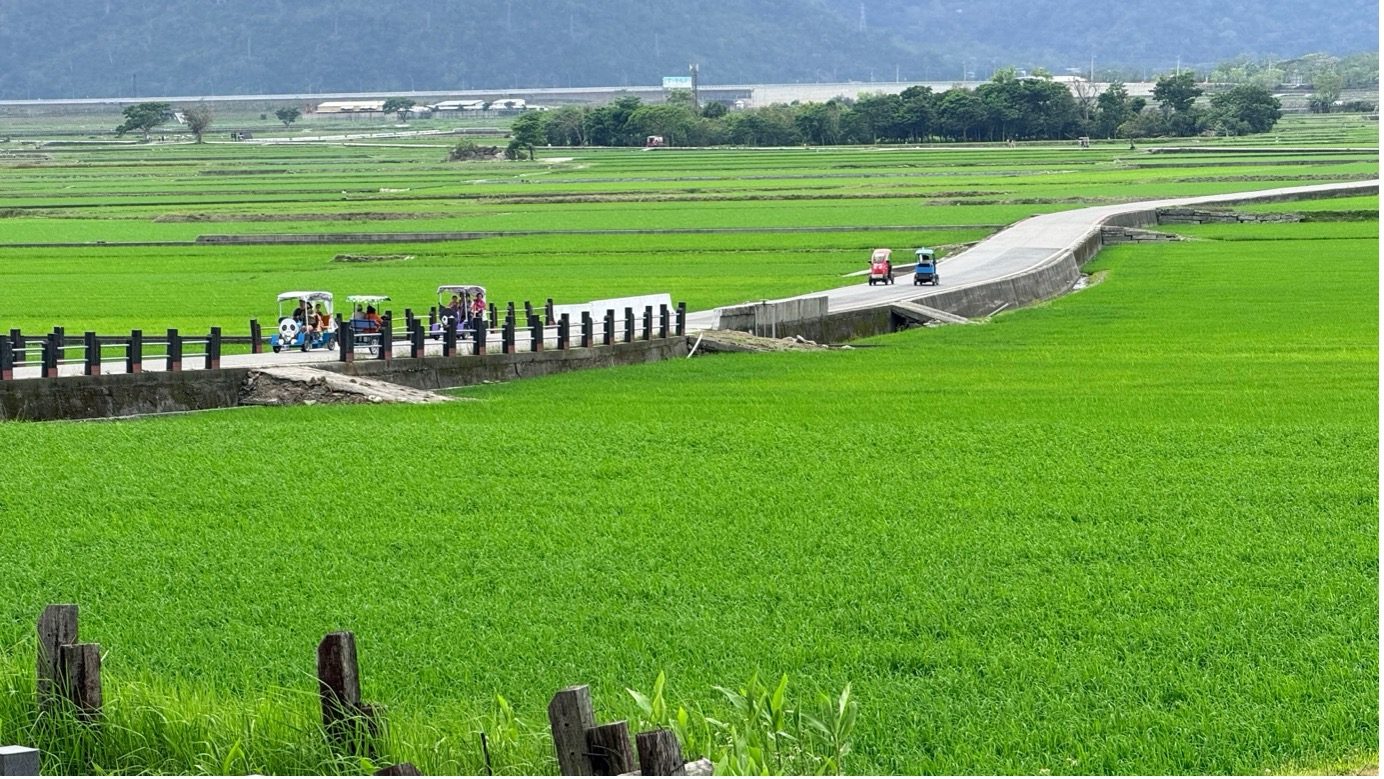
Photo: Heaven Road runs right past Hsiao Jen-yi's house. Had the community not held firm more than 20 years ago to protect the sustainable value of this “priceless landscape”, 40-odd utility poles would have made it worthless.
Hsiao explains that they were not only opposing the poles: once power arrived, all kinds of houses and even factories would spring up on the farmland, and Chishang's original rural character would be lost.
This self-initiated community action drew opposition from some landowners, since it ended any chance of building houses on their land. But for the common good of the community, the landowners' sacrifice should also be compensated — which is the spirit of Payment for Ecosystem Services (PES).
Chishang Township later enacted the Chishang Township Landscape Maintenance Allowance Ordinance, and Taitung County has its own Landscape Management Ordinance, protecting nearly 100 hectares of farmland landscape in Chishang's cultural landscape area, including the famous Mr. Brown Avenue, Heaven Road and the Takeshi Kaneshiro tree.
Chishang smallholder carbon farming: towards sustainability
Hsiao, Wan'an and Chishang's farmers brought 200 hectares into the Chishang Smallholder Carbon Farming Project from 2025. The most visible sign is that, in the winter fallow, participating fields turn into a lush sea of rapeseed flowers. This is the main evidence of carbon farming — cover crops that nourish the farmland, keep soil from lying bare and blowing away as dust, and prevent the loss of soil organic matter, improving soil fertility instead.
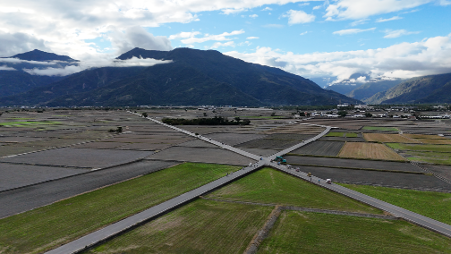
Photo: The X formed by Mr. Brown Avenue and Heaven Road is the heart of Chishang's cultural landscape area. 200 hectares of rice paddies have joined Chishang smallholder carbon farming, and you can tell at a glance: the fields planted with rapeseed and green manure belong to participants doing their part for the planet.
After the first year's trial, Chishang's smallholders found it did not add much hassle. It sequesters carbon, the second rice crop needed less fertiliser, soil organic matter increased and the rice tasted better — taste-value tests with a rice taste analyser confirm that carbon-farmed rice has better flavour.
The sustainability test of the Takeshi Kaneshiro tree
It is worth noting that, famous as it is, the Takeshi Kaneshiro tree is not one farmers welcome, because its shade falls on the rice and affects its growth.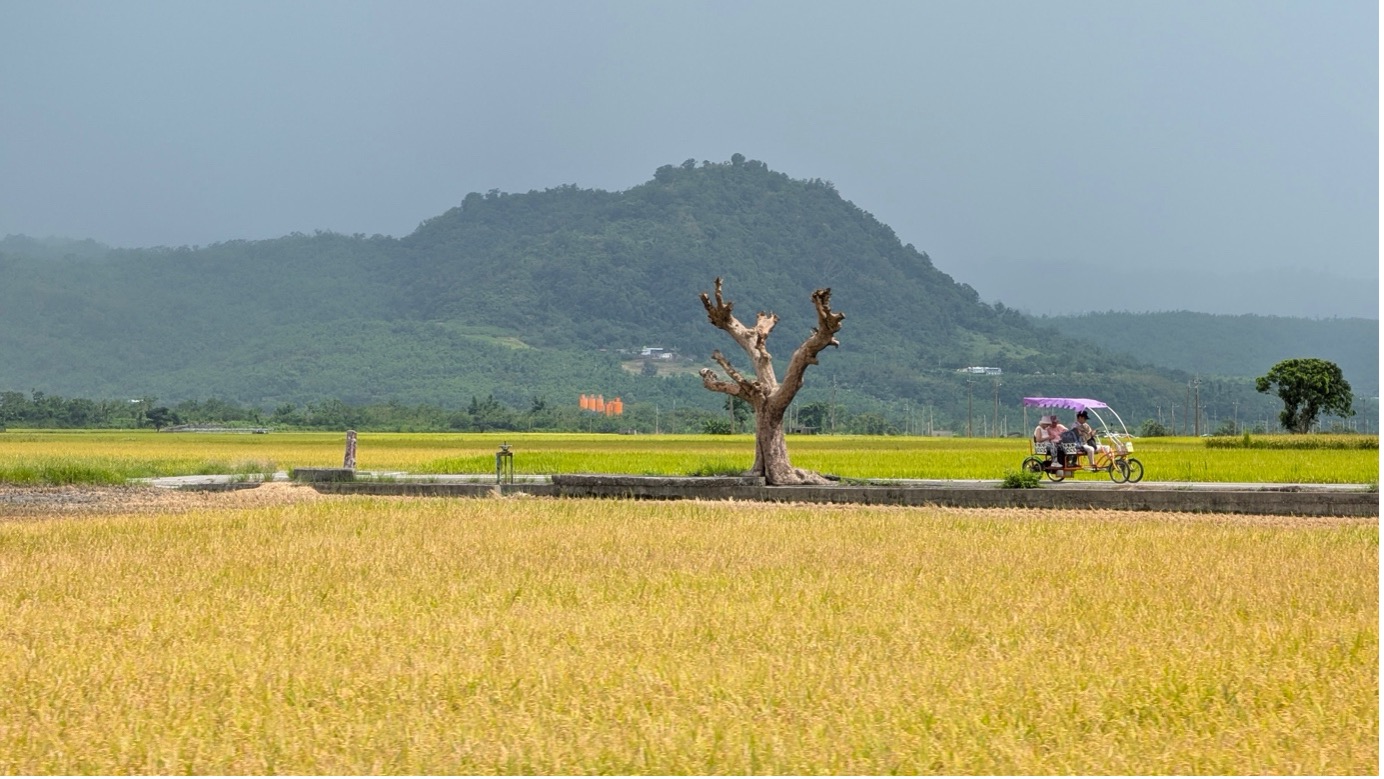
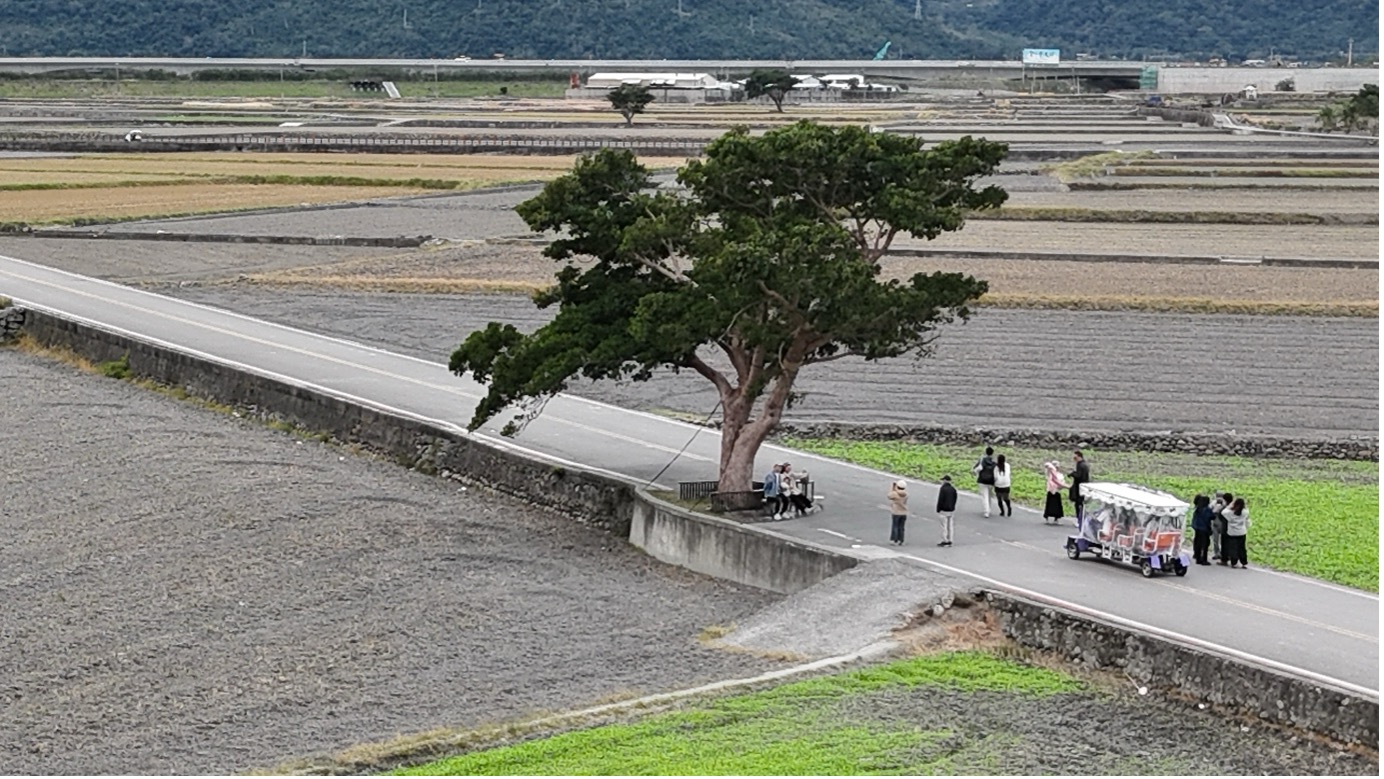
Trees are rare among rice paddies because their shade reduces yields, so old trees in the fields are avoided wherever possible. The much-loved Kaneshiro tree is over 80 years old, still 60 to 70 years short of a typical Bischofia tree's lifespan, but after several typhoons its roots are now hemmed in by asphalt and concrete. Can this tree, which generates NT$500 million a year in tourism for Taitung, survive sustainably?
In August 2013 EVA Air adopted the Kaneshiro tree and arranged for flight attendants to serve tea there at weekends. On 23 July 2014 it was blown down by Typhoon Matmo. On 25 July 2014, Chishang Township Office and EVA Air urgently invited two Japanese arborists, Yamashita and Kawaguchi, to treat it, and under their care it was successfully set upright and replanted. (From Wikipedia)
On 5 April 2017, Jolin Tsai visited Mr. Brown Avenue with friends and took a photo at another Bischofia tree about 100 metres east of the Kaneshiro tree, jokingly calling it the “best-friend tree”, which sent tourists looking for it. Chishang Township Office took the hint and officially named it the “Jolin Tsai tree”, a new attraction on Mr. Brown Avenue. But the tree was uprooted by Typhoon Haikui in 2023. (From Wikipedia)
These two cases show that because asphalt and concrete have been laid among Chishang's fields for tourists, the few remaining trees meet the same fate as city street trees and struggle to survive typhoons and earthquakes — unless protected by the “Takeshi Kaneshiro” halo; Jolin Tsai was not enough.
So Eco-affinity Inc. invited Tsai Hsiu-chiung, founder of Lao Pu Landscape Design and a leading figure in Taiwan's landscape field, to visit Chishang and help plan a future sustainable farmscape initiative — adding sustainability and the value of PES ecosystem services to Chishang's landscape beyond tourism, in the hope of attracting corporate investment and support.
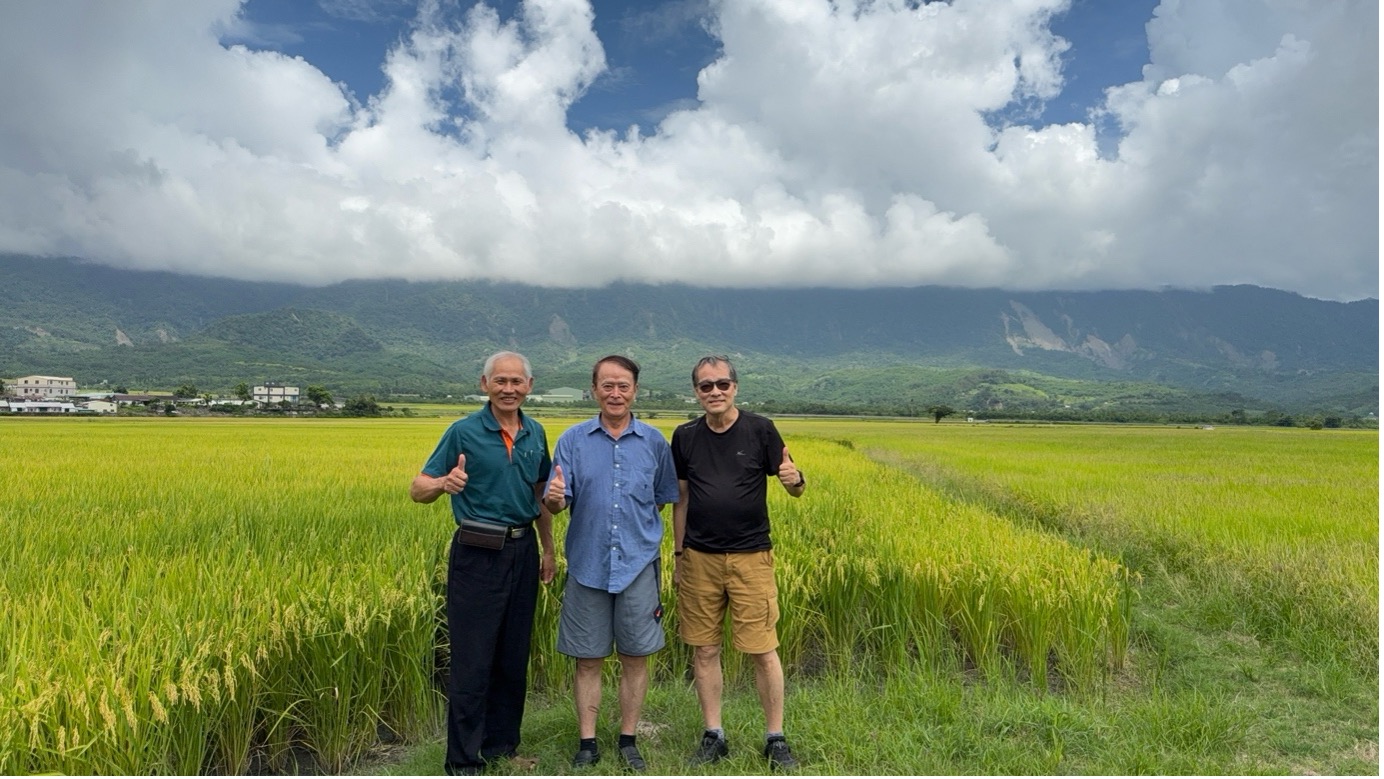
Photo: Hsiao Jen-yi (left) accompanies Tsai Hsiu-chiung (centre), founder of Lao Pu Landscape Design, and Jay Fang, chairman of Eco-affinity Inc., on a tour of Chishang's cultural landscape area and surrounding fields to plan the Sustainable Farmscape Initiative together.
Hsiao Jen-yi tells the story of Chishang's organic rice


