 努力小農
本文尚無譯文。
The governance gap revealed by a drop of oil: why the “G” in ESG is fundamental
Carbon Farming Digest No. 3 · Major Heat | Knowledge corner
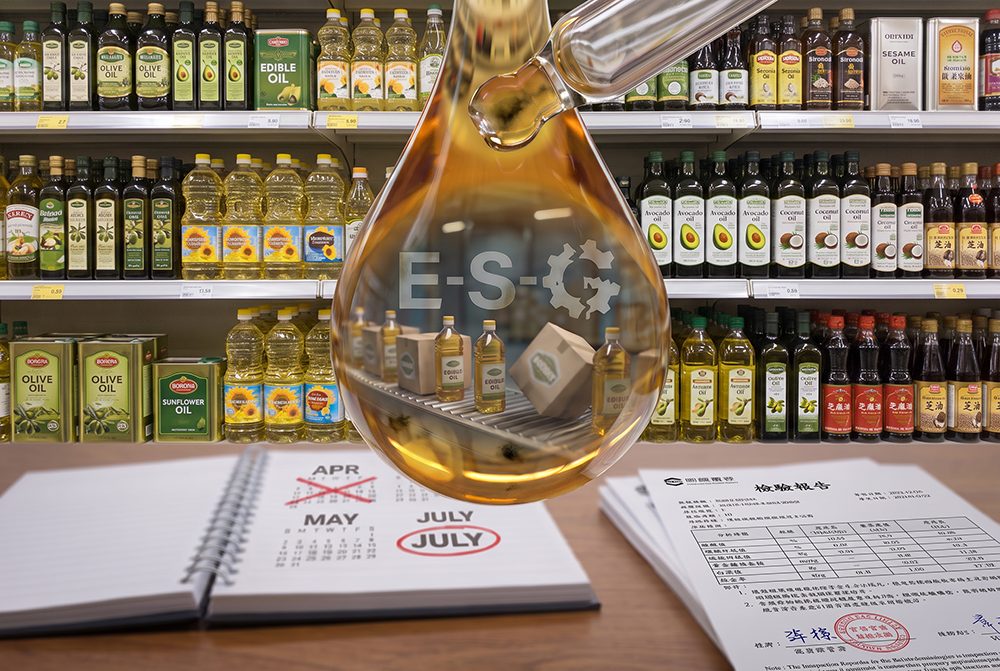
In July 2026 Taiwan was hit by its biggest edible oil food-safety scandal in a decade. More than 1,300 tonnes of soybean salad oil from Chung Lien Oil were found to contain benzo[a]pyrene — an internationally recognised Group 1 carcinogen — at four times the legal limit. The oil went to downstream refiners such as Taisun, Fwusow and Formosa Oilseed, and from there to star-rated hotels, convenience-store chains and well-known food manufacturers. By mid-July more than 1,006 businesses and over 440 products were affected, from instant noodles and dumplings to long-established brands such as Laurel and Lao Hsieh Chen.
The real issue is not whether something went wrong, but how long it took to come to light
What should worry us most is not the benzo[a]pyrene itself but the timeline: downstream companies found the problem internally in April, yet it was nearly two months before the authorities were formally notified on 30 June. That window of “knowing but not telling” is what turned contamination of a single batch into a nationwide food-safety storm. The Food and Drug Administration then imposed a three-tier recall: tier-one products pulled immediately, tier-two products containing 20% or more of the oil withdrawn as a precaution, and products with lower content subject to mandatory public disclosure.
Why this is a “G” problem, not only a food-safety problem
ESG is often reduced to three parallel keywords — environment, social, governance. In practice, though, G is the foundation that determines whether E and S can be delivered at all. Without governance, environmental commitments are just press releases and social responsibility just slogans — because without internal reporting channels and supply-chain traceability, a company cannot even say where its raw materials come from or whom to tell first when something goes wrong. In this case, every link from farm to oil mill to table should have left a record. Governance failure means those records were either never created, or created but not checked and reported in time.
For companies, traceability is not just a bonus point
Mature governance does not promise “zero risk”; it ensures that every link in the supply chain leaves a record, and that every anomaly is spotted, reported and dealt with straight away. That is why the carbon farming platform made soil-to-table traceability its core from day one — using the MiHuMiSang App to record field management, test data and carbon sink history, so that every raw material and every carbon credit can answer the question “where did this come from?”. For corporate partners, being able to explain the supply chain clearly is not a highlight for the ESG report; it is the most basic responsibility for protecting employees and consumers — a company's most important assets.
Food-safety storms pass, but the homework of governance does not. Building solid traceability is the long-term commitment a company can truly make to its employees and consumers.
#ESGGovernance #SupplyChainTraceability #FoodSafety #CorporateResponsibility #CarbonFarmingDigest


