 努力小農
本文尚無譯文。
Fake smallholders, real fraud: who is exploiting trust in Taiwan's small farmers?
Food-safety storms and fraud are draining trust in smallholders
The word “smallholder” should stand for local, genuine production relationships with a human face. Yet it is being hollowed out by two forces at once: blatant fraud, and greenwashing that is harder to spot.
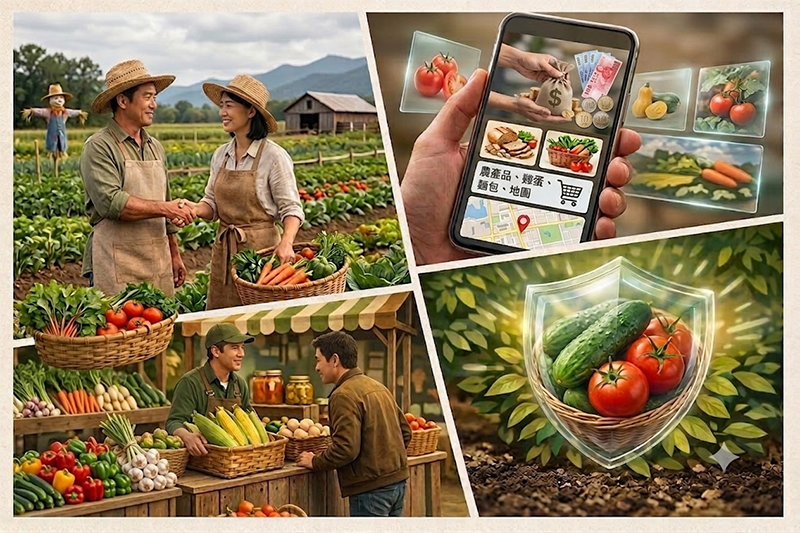
First, fraud. Photos of watermelons from a smallholder we have worked with for years were stolen, retouched to look like pumpkins, given a fake brand name and promoted in paid ads on social media. More than a month after the incident came to light, the ads still had not been taken down and had collected over a hundred likes and interactions. The farmer reported them to the platform several times without any real response. This is not one farmer's bad luck; it exposes a structural gap in how social-media ads are reviewed. Platforms' checks against stolen images, impersonation and fake-product ads lag far behind the speed at which scams evolve, and the smallholders who are actually harmed often cannot even find a clear channel to complain.
Next, greenwashing. In this food-safety storm, some oil companies advertised “contract farming with local smallholders”, emphasising origin and their relationship with producers to build a genuine, safe brand image. But when regulators and the media pressed them on raw-material traceability, they could not produce concrete contract-farming records, purchase receipts or proof of origin, leaving the public wondering whether this “smallholder story” reflected a real relationship with the land, or was just a line used to package marketing and raise prices. If the raw materials turn out to have been imported after all, then “local smallholders” goes from selling point to deceiving consumers.
It is honest farmers who really suffer
These two seemingly unrelated cases point to the same problem. When the word “smallholder” can be freely stolen and packaged, without an open, verifiable system of validation, the farmers who truly invest in the land and farm honestly become the biggest victims: impostors trade on their image and the trust they have earned, and fakers dilute the markets they worked hard to build with cheap marketing talk. Over time, this bad-money-drives-out-good effect will erode consumers' trust in the “smallholder” label, hurting every honest local producer along with it.
Internationally, more and more countries are requiring social media platforms to take greater responsibility for ads for farm produce and food, including requiring advertisers to provide proof of origin, setting up fast takedown mechanisms and permanently banning repeat offenders. Taiwan's oversight here is still largely a blank, relying mostly on platform self-regulation and farmers' own complaints. That is why a stolen-image scam left untouched for more than a month highlights an institutional gap: it is not that there are no rules, but that enforcement lags far behind the speed at which scams spread.
Making the link to the land verifiable
Protecting genuine smallholders takes more than platforms taking ads down after the fact and businesses apologising after the fact. We need an institutional mechanism that makes “who grew it, where and how” openly verifiable — land-registry information on the place of origin, contract-farming agreements, purchase records, even images of the growing process or third-party verification records should all be open to inspection by consumers, the media and regulators at any time. Only by raising both the cost of faking and the chance of being caught can the word “smallholder” become trustworthy again, and can the farmers who truly put in the work get the market returns and public recognition they deserve.
It is worth reflecting that the “smallholder” brand is valuable because consumers believe it is more transparent and more human than large-scale industrial farming. But that trust currently rests mostly on stories and photos, not on verifiable data. Companies that genuinely want to support smallholders should do more than stress “local contract farming” in their marketing copy: they should require suppliers to provide publicly verifiable origin and cultivation records, and help smallholders gain access to complaint channels and legal support against new kinds of fraud such as image theft and impersonation. That is concrete action that truly stands with smallholders — not just cashing in on the brand premium the word “smallholder” brings.

