 努力小農
本文尚無譯文。
“Rice President” Chiu Chui-chang: the point of competitions is still to raise farmers' standards and incomes
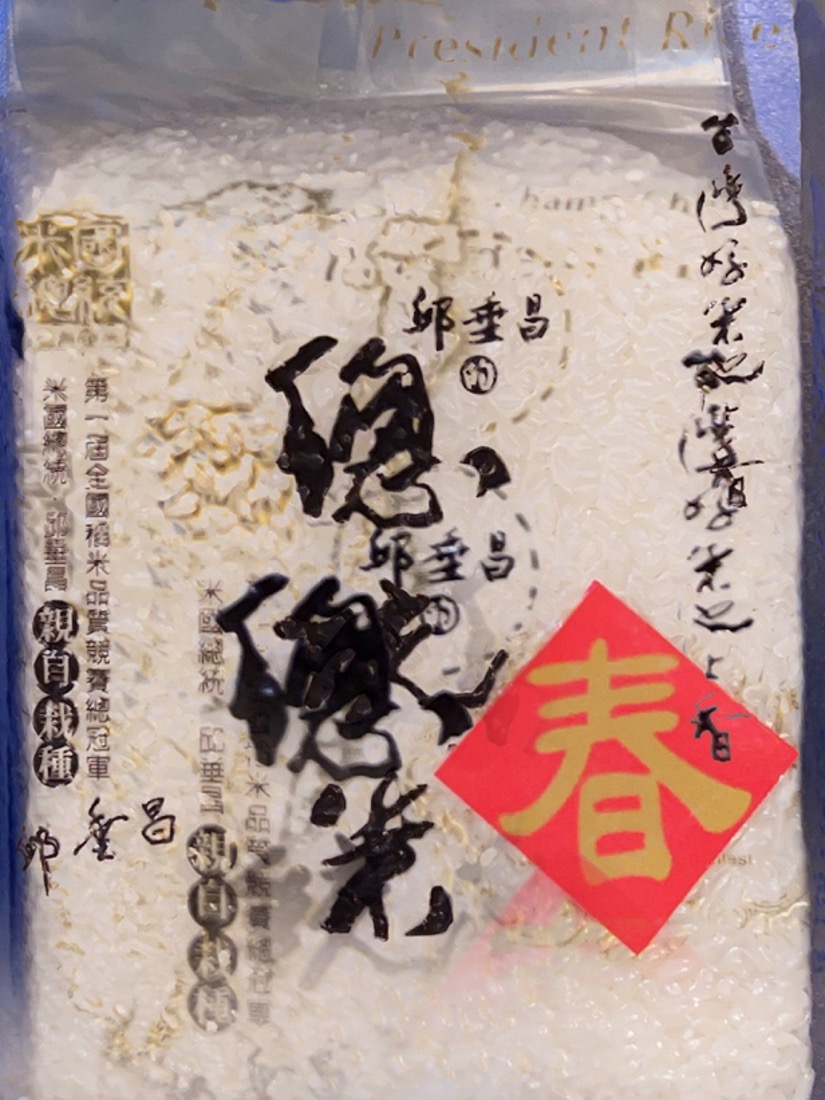
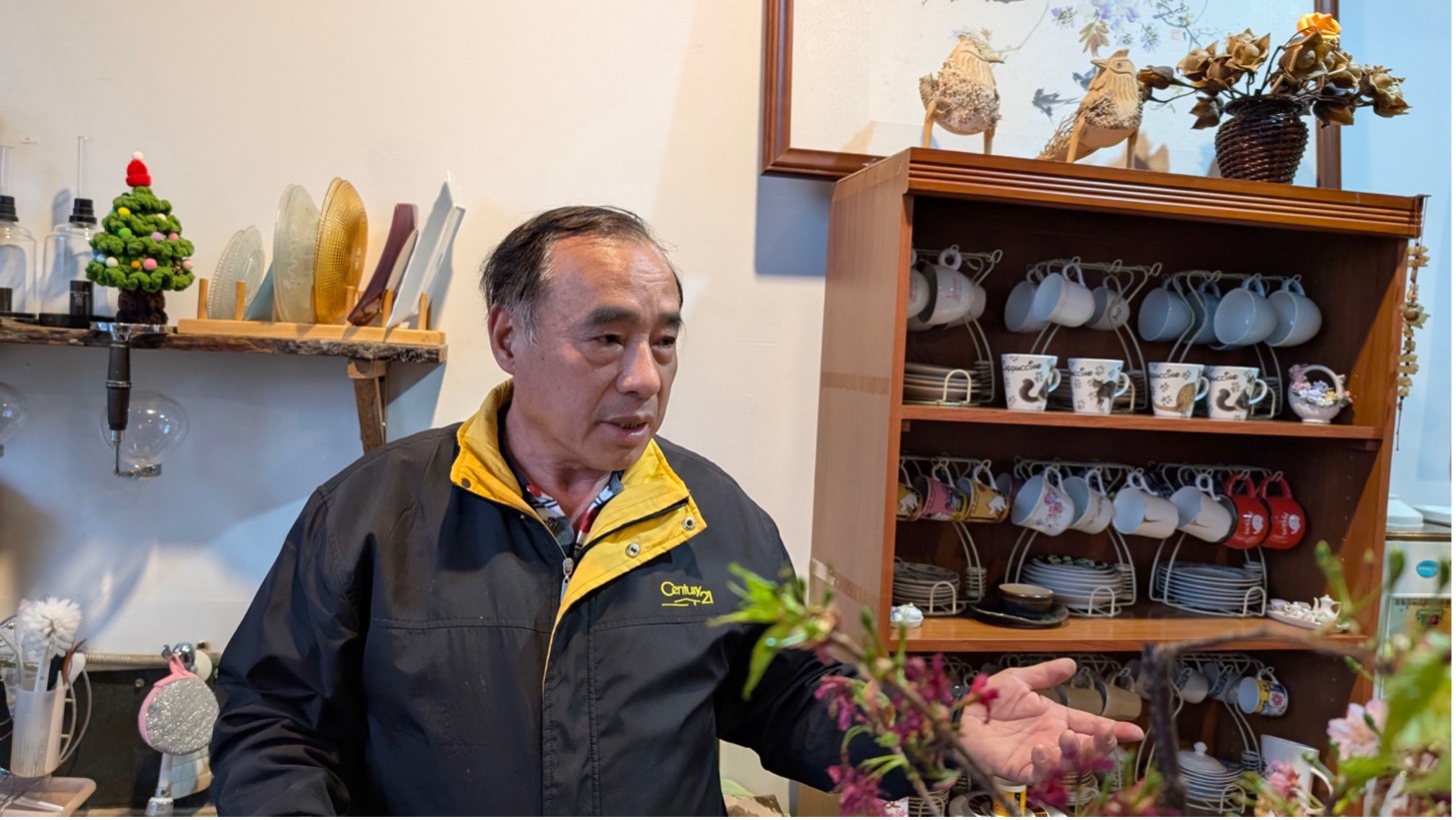
Chiu Chui-chang and his “President's Rice”, and the story of quality from field to grain. Chiu, overall champion of the first National Rice Quality Competition, believes that however competitions change, what matters in the end is farmers' skills and incomes; what truly decides rice quality is not marketing but field management, land conditions and the growing skills farmers build up over many years.
“Rice President” Chiu Chui-chang: the point of competitions is still to raise farmers' standards and incomes
Rice quality is decided in the field: the story of Chiu Chui-chang and his “President's Rice” is not just about one champion's honour, but about land, farmers' skill and the long accumulation of Taiwan's rice culture.
Bringing competitions back to the land and the farmers
“Really, a competition should bring out the nurturing nature of the land and how well natural energies are put to use; add to that what farmers reap from their heart, mind, body and hard work, and only then can it be called quality food in harmony with heaven, earth and people,” says Chiu Chui-chang, overall champion of the first National Rice Quality Competition.
On the other hand, Chiu believes the annual rice competition can also be like a festival that gives farmers some joy: they enter, have something to look forward to, and if they win they get a certificate and a moment of happiness; if not, there's always next year. It needn't be too serious — letting farmers enjoy themselves a little is no bad thing.
Changes to the competition ripple through the rice industry
The Agriculture and Food Agency of the Ministry of Agriculture has organised the “Rice Master Championship” (formerly the Rice Quality Competition, held since 1995) for more than thirty years, and recently announced it would be suspended for one year. Deputy Director-General Huang Chao-hsing said the competition has long played an important role in improving farmers' growing techniques and the quality of domestic rice. But as industry structure and policy goals change, the current format consumes a great deal of administrative and testing resources, many entrants enter year after year, and most entries come from small demonstration plots, so its benefits for raising quality across whole growing regions and scaling up the industry have become limited. The agency therefore decided to pause for a year to review the format and consider a new direction. It plans to hold competitions between “collective production areas” in future, shifting the emphasis from “individual honour” to “collective production at the place of origin” and “sustainable management”.
The news affects not just the competition format but the shared memory of a whole generation in Taiwan's rice industry. In 2004 Chishang rice farmer Chiu Chui-chang won the first National Rice Quality Competition with Taikeng No. 9; then-President Chen Shui-bian visited in person to congratulate him and gave him the title “Rice President”, making him Taiwan's first rice king. A graduate of industrial design at the National Taipei Institute of Technology and former head of a furniture company, Chiu returned home in 1997 to help on the farm and care for his parents. He studied growing techniques in a scientific spirit, determined to grow the best quality rice. Over the years, Chishang rice has kept its golden reputation not only thanks to its exceptional terroir, but also thanks to institutionalised management of collective production areas and generations of rice farmers' commitment to quality — and Chiu has been one of its most representative champions.
Good rice is decided in the field
Chiu believes the authorities currently put too much emphasis on marketing. “Why keep stressing whose brand is strongest in the market? Without good paddy, how can there be good branded rice? You have to understand that good rice is decided in the field. Handling, milling or marketing can't add points to good rice; one slip and they take points away, or even cause food-safety problems. What are they actually trying to compare? Isn't the point of a competition to see which farmers put their heart into it, where the good fields are, which varieties suit them, and whether management can be woven smoothly into the changes of heaven and earth?” He argues that Taiwan should bring the whole life cycle of rice — from breeding and raising seedlings, field management and farm inputs to harvesting, drying, milling and packaging — under traceability and management, to genuinely help farmers improve rice quality.
It is worth noting that 2004, when Chiu won, was a time when Taiwan's rice quality competitions had only just begun and the industry was still relatively unfamiliar with the idea of “scientific cultivation”. Coming to farming from industrial design, he emphasised data-driven management and precision cultivation — in a way foreshadowing the standardised, replicable technical thinking on which today's management of collective production areas relies.
For a rice farmer like him, who was recognised and given his title through competition, the pause means something particularly different. The agency's direction of moving “from individual honour to collective production areas” is, in Chiu's view, still “looking at the big picture”. But most Taiwanese farmers are still smallholders, and every plot of land is different; only individualised, meticulous cultivation can bring out differences in rice variety, field management and post-harvest processing. That requires smallholders to “start from the small details”. If large-scale collectivisation pursues only maximum economic returns, he fears it will be hard to farm intensively and carefully, and hard to grow distinctive rice — in the end, it may only help big grain merchants build their brands.
Rice education is the long-term solution
Chiu believes that to help consumers get to know rice, tasting good, high-quality rice is important. But in today's mainstream market rice is just a side dish, long since no longer a “staple”. Rice consumption in Taiwan has fallen overall, replaced by noodles and bread made from imported flour. The government should put more effort and budget into raising consumers' awareness of rice. Japan makes “domestic rice” the headline feature of rice dishes in restaurants and convenience stores — only that kind of approach can solve the production and marketing problems Taiwan's domestic rice now faces.
That entrants have long been concentrated in small demonstration plots actually reflects deeper structural problems in Taiwan's rice farming: fragmented farmland, ageing rice farmers and few young people willing to take over. Changing the competition rules alone is unlikely to solve these structural challenges. Having farmed on the front line in Chishang for many years, Chiu notes that villages across Taiwan face these challenges — and so does Japan. Relying on competitions alone, consumers also suffer “aesthetic fatigue”, and the volume of champion rice is very limited, so competitions cannot become the core driving force for rice education.
The one-year pause in the Rice Master competition may be a chance to rethink the value of Taiwan's rice. What truly deserves to be seen is not just the champion's title, but the expertise accumulated at every step from field to table: land conditions, variety selection, cultivation management, harvesting and processing, rice education — and whether consumers are willing to rediscover the cultural and industrial meaning of rice as a staple. Chiu's reminder is that we should not treat rice merely as a product in a branding contest, but return to the land, the farmers and food security itself, and rebuild a system that lets good rice be recognised, supported and kept for the long term.


