 努力小農
本文尚無譯文。
Letting taste value link smallholders and consumers directly: body and soil are one
Carbon Farming Digest No. 7 · Autumn Equinox|Seasonal feature
From soil to table: a journey into the taste science of healthy rice
From soil to table: the carbon farming revolution
“Body and soil are one” (shindo funi) is an old belief in East Asian farming culture: the human body and the land that sustains it are inseparable. As the carbon farming project has progressed, we have become more and more convinced that taste value is the key to turning this saying from a slogan into something smallholders and consumers can feel in daily life.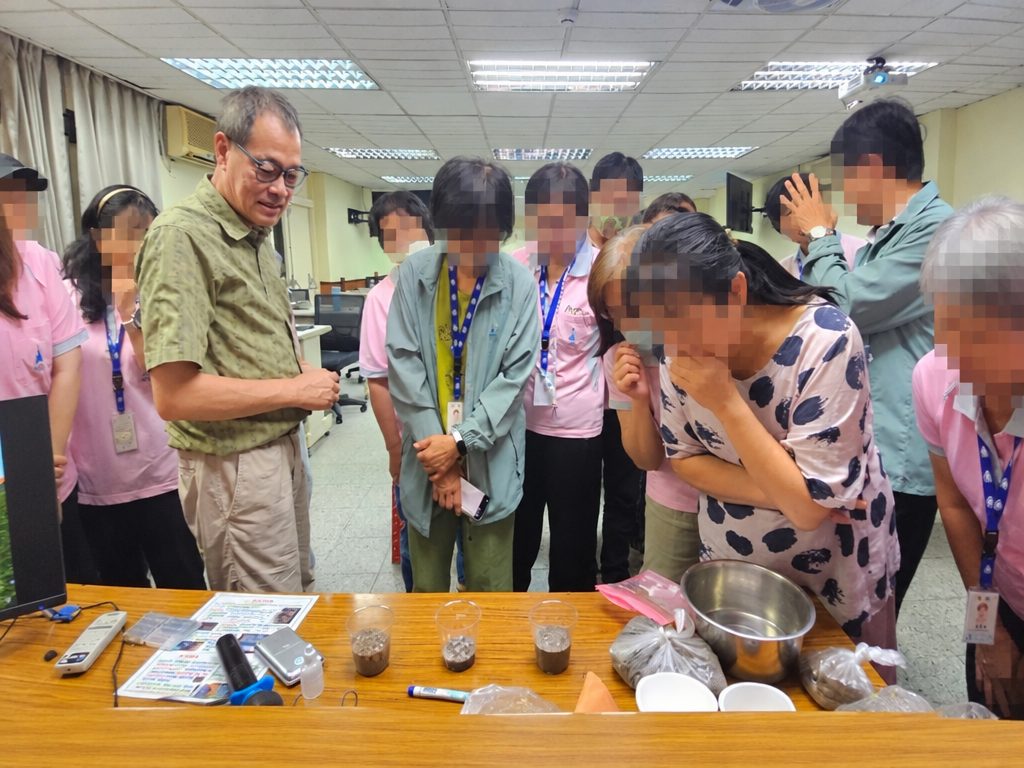
On 8 September, at an event in the Wan'an community of Chishang, we sat down with carbon farming smallholders and talked not about carbon credits or certification clauses, but about the flavour of every bowl of rice. Taste value is a scientific tool that quantifies the eating quality of rice using indicators such as starch, protein and moisture; the higher the value, the softer, chewier and sweeter the rice. We explained the science and sensory principles behind it to farmers and gave a hands-on demonstration with hydrogen peroxide: how much it bubbles when it reacts with soil organic matter lets farmers “see” the organic carbon in their soil. When farmers see with their own eyes the dense foam hydrogen peroxide produces in healthy soil, and then compare it with the taste score of their own rice, the cause-and-effect link is more convincing than any certification report. That is why, in the ESG Green Shinkansen sandbox, we chose taste value as the pricing standard: only by linking “growing with care” directly to “selling at a good price” can farmers gradually move away from a long-standing mindset that values yield over the worth and value of what they produce.
If 8 September was the “body” on the smallholder side, then the activity on 18 September during a training session for AIDC's volunteer team was the “soil” on the consumer side — we tried to help city consumers reconnect with the land through taste. More than 40 AIDC volunteers took part enthusiastically, tasting three rices with taste values of 60, 70 and 79 in a completely blind test. The volunteers had never heard the term “taste value” before, yet relying on their most basic judgement about rice and good food, almost all of them clearly ranked the three in order of high, medium and low scores. This result made us all the more certain that taste value is not an abstract number only experts understand, but a real experience anyone's taste buds can verify — the most direct way to help consumers trust that “there is healthy soil behind this bowl of rice”.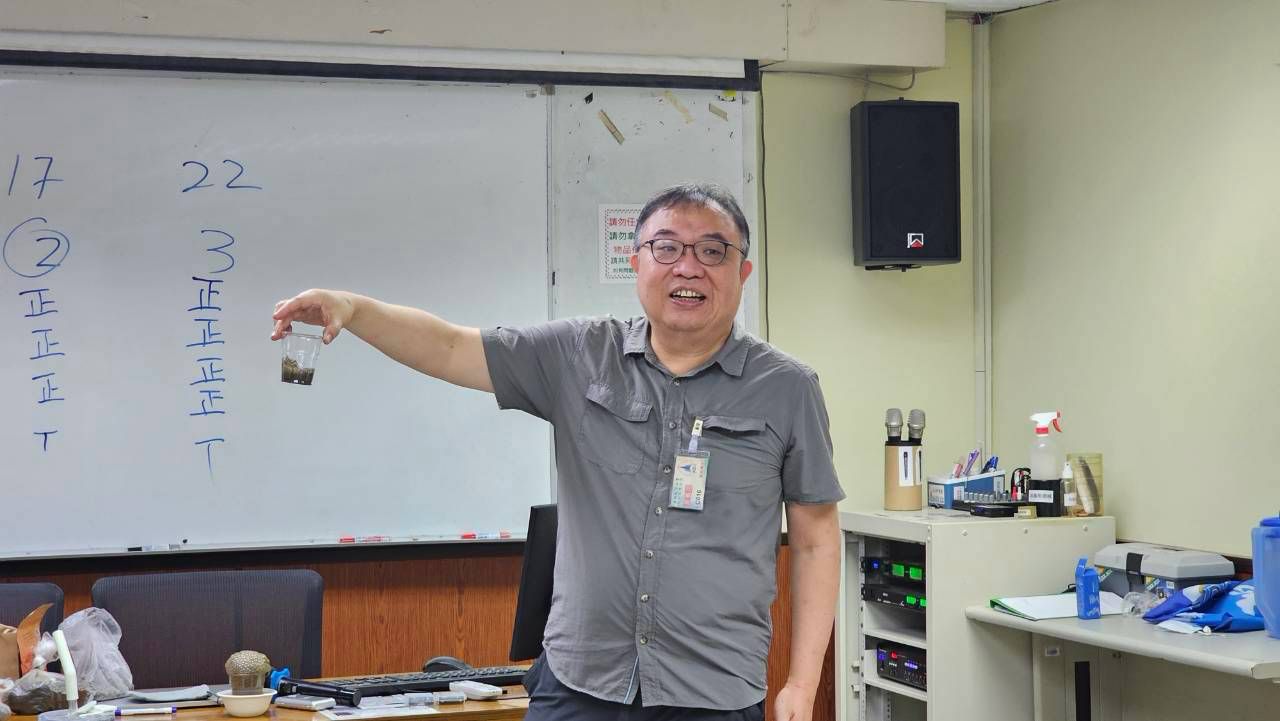
The dean of the College of Social Innovation at Feng Chia University, who is also an assistant professor in the Department of Cooperative Economics and Social Entrepreneurship, took part throughout and offered guidance. He stressed that international standards for scrutinising ESG are rising fast: the days when a company could get by with a glossy sustainability report are over, and “anti-greenwashing” will become the mainstream. As an ESG evaluator for several companies himself, he asks companies to produce evidence that they have really contributed to the environment, society, governance and sustainability, rather than just talking on paper.
This is exactly what Eco-affinity has long insisted on. Jay Fang stressed that in the Gold Standard–certified smallholder carbon farming project, what we provide is not just a carbon sink figure but a complete chain of evidence covering the flow of goods, information and money, to meet the two bottom lines that international ESG/SDG certification really requires: first, products genuinely come from smallholders in need, not from contract manufacturers lending their names; second, smallholders receive real returns of more than 70% of companies' ESG investment or purchase amounts — and all of this must comply with the sustainability and climate-risk financial disclosure requirements of the International Financial Reporting Standards (IFRS), and stand up to scrutiny.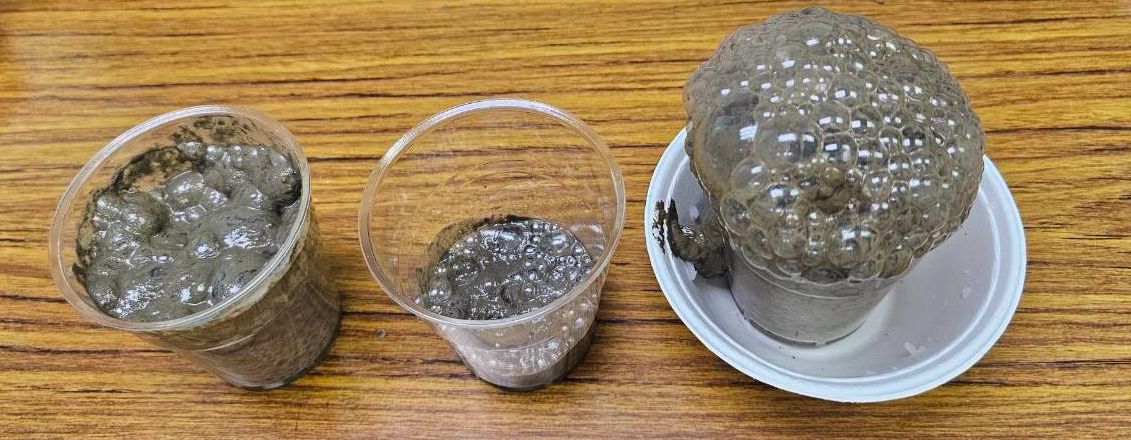
From the hydrogen peroxide test beside the fields of Chishang to the blind-tasting table with AIDC volunteers, taste value has become a clear path linking producers and consumers: farmers are more willing to invest because they can see evidence of soil organic carbon, and consumers are more willing to support them because they can taste the difference in taste value.
Next, we plan to bring this training model to more companies' volunteer days and staff training, making “blind taste-value testing” the first lesson in understanding ESG purchasing and carbon farming smallholders, rather than just sitting through a presentation. We are also considering printing taste-value results directly on the packaging of every batch of rice shipped, so that consumers can see the soil story behind their bowl of rice the moment they order, without having to look up a certification report. “Body and soil are one” is no longer just an old saying, but a commitment we work to put into practice every day.
If your company is interested in learning more about taste value, or would like to arrange a taste-value tasting session, please contact us: phone 0906-892-567, or email [email protected].
If your company would like to learn more, or arrange a hands-on palatability tasting training, please contact us: phone 0906-892-567, or email [email protected].


