 努力小農
本文尚無譯文。
Reflections amid climate disaster: one year on from the Mataian River
Carbon Farming Digest No. 7 · Autumn Equinox|Seasonal feature
https://youtu.be/HyDBbHhBKrI Disaster and hope
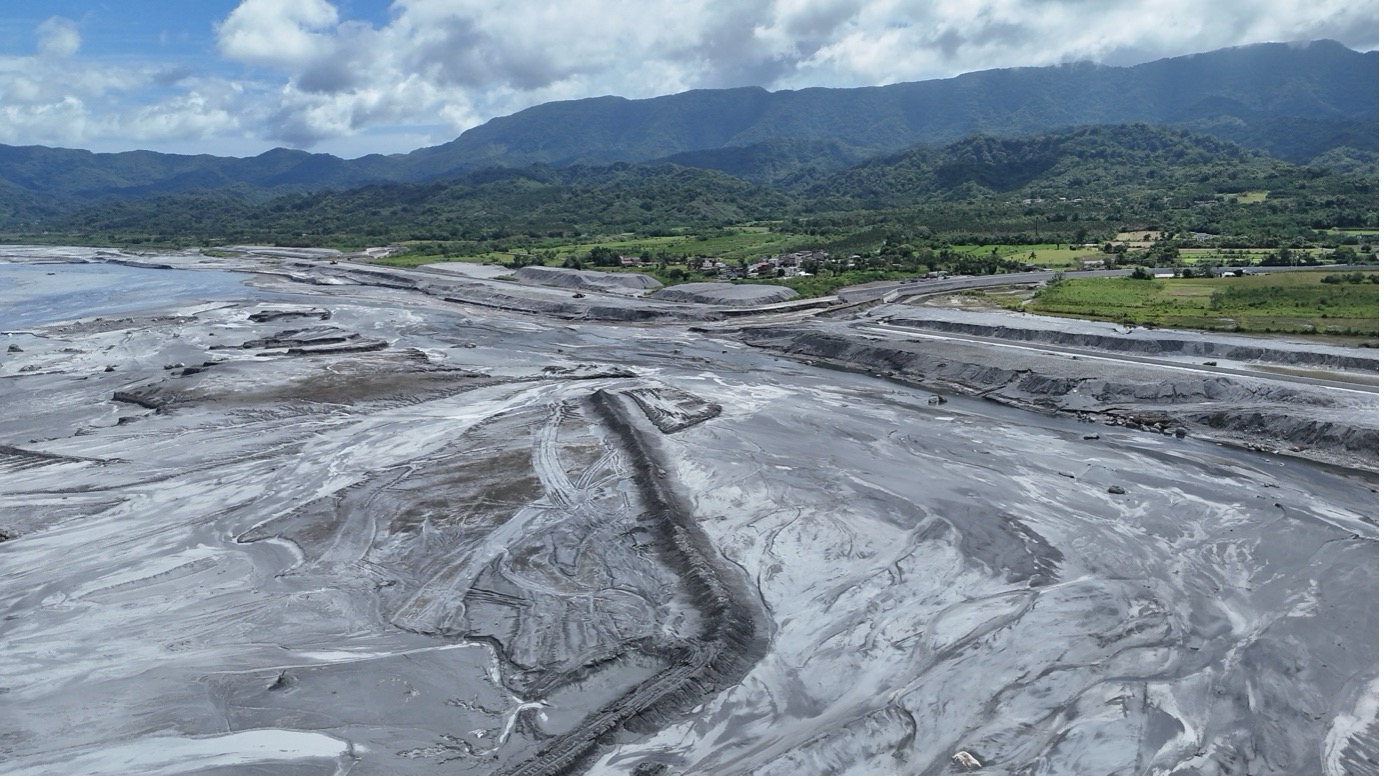
On 23 September 2025, a major disaster struck the Mataian River. This year's Autumn Equinox also fell on 23 September — exactly one year after the disaster. It is a regrettable coincidence, but it reminds us of a harsh truth: in climate disasters, smallholders are often the first to be hurt and the least likely to be seen.
The carbon farming project already had smallholders taking part along the Mataian River. Lin Ching-fu in Tafalong on the south bank, and Hsieh Ching-po and Lu Ling-ling, a couple in Wanrong Township on the north bank, all suffered losses of varying degrees in the disaster, though fortunately everyone was safe. As a long-time partner of these smallholders, Eco-affinity chairman Jay Fang accompanied Storm Media reporter Chang Ching-wen and photojournalist Liu Wei-hung on several visits to people around the Mataian River after the disaster, to understand smallholders' situations and needs first-hand. In this head-on test against climate change, the resilience shown by these carbon farming smallholders was especially moving.
After accompanying the reporters, Jay Fang wrote: Taiwan is a young island raised by the collision of tectonic plates, land for no more than three million years. Earthquakes, typhoons, torrential rain and debris flows have shaped the very different landscapes of its east and west coasts. This is not a misfortune unique to Taiwan, but the island's inborn geological character. He recalled that after Typhoon Morakot in 2009 he spent half a year with survivors in Xiaolin Village, most of whom were farmers. It was from then that he began to truly pay attention to the situation farmers face, and later went on to work in agriculture and farm produce, because he saw the crisis farmers and farming share: climate risk lands first on the land, and those who bear it are often smallholders with the least bargaining power and the thinnest social safety net.
He went further: whether or not global warming exists or is getting worse, natural disasters like this will keep happening. And after every disaster and every tragedy, the most helpless and voiceless are often farmers who own no farmland and can only live off the land — and they are also the group least served by social assistance. Jay Fang said this is exactly why, though long past retirement age, he still chooses to keep working and find meaning in what he does.
A year later, the team from Storm Media and The Journalist returned to the disaster area in Guangfu, Hualien, producing a series of seven in-depth reports showing what life is really like a year on. The temporary bridge is open, but blowing sand remains a serious problem. Transitional housing lets residents “leave the disaster without leaving the village”, yet some tribal members still long for their half-destroyed homes. The baseball field was the first thing rescued, while school rebuilding and recovery from psychological trauma go on side by side. The government has drawn up more than 200 hectares for land expropriation, and who decides Guangfu's future remains unresolved. 770 hectares of farmland have still not come back, and Guangfu's farmers are still waiting for their own path back to farming. Three excavators remain upstream, and the risk has never really left the Mataian. And Guangfu's smallholders have spent this year bringing their fields back through their own efforts.
A disaster has a clear date; rebuilding has no clear end. That is why, on this special Autumn Equinox, we chose to look back at the Mataian River — not to dwell in grief, but in the hope that more people will see the smallholders who, after the disaster, still choose to stay on the land and keep farming. Their resilience deserves to be remembered, and deserves support.


