 努力小農
本文尚無譯文。
Noto One Year After the Earthquake: Rebuilding and Revitalisation
Carbon Farming Digest No. 7 · Autumn Equinox | Solar-term feature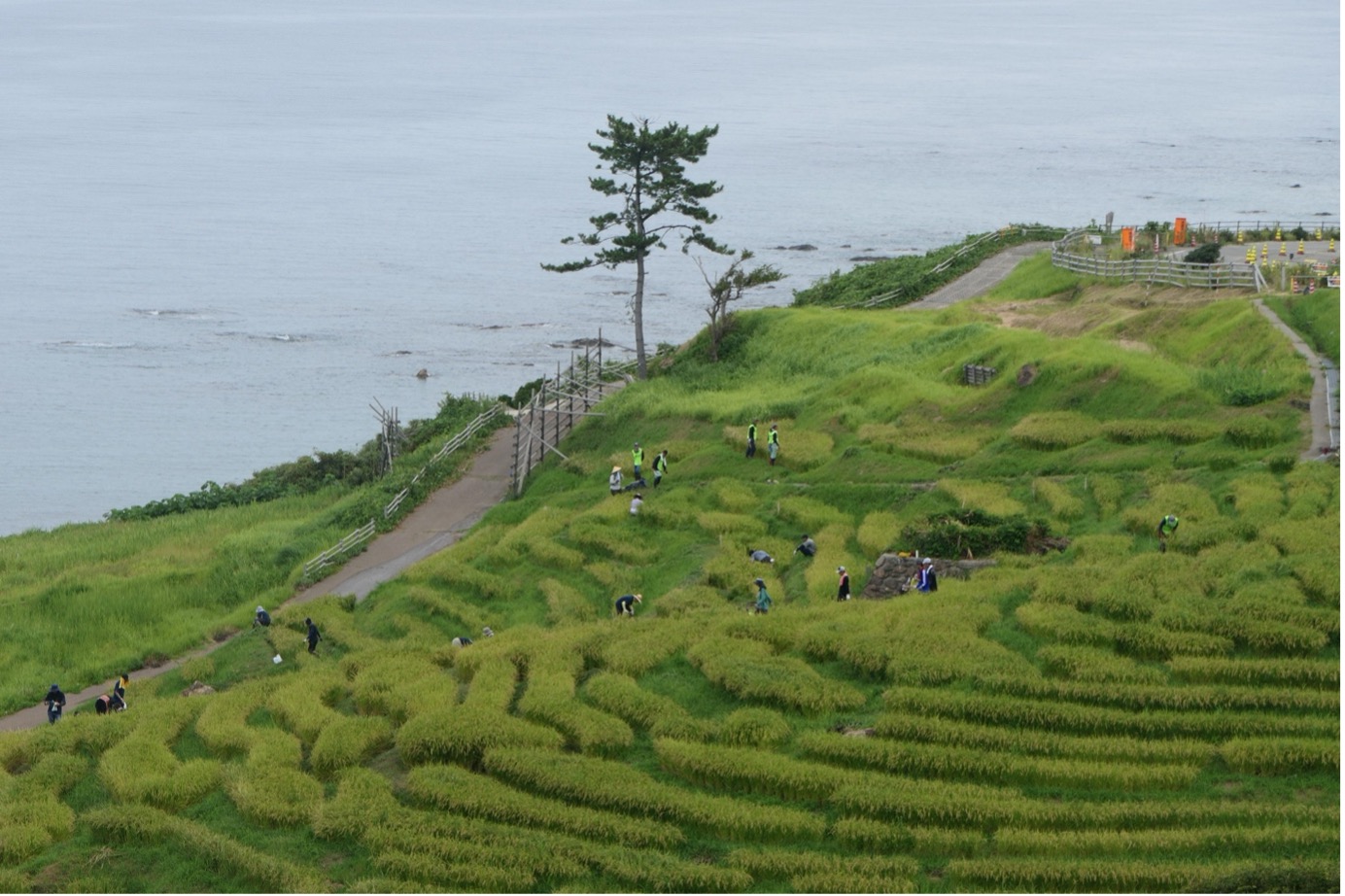
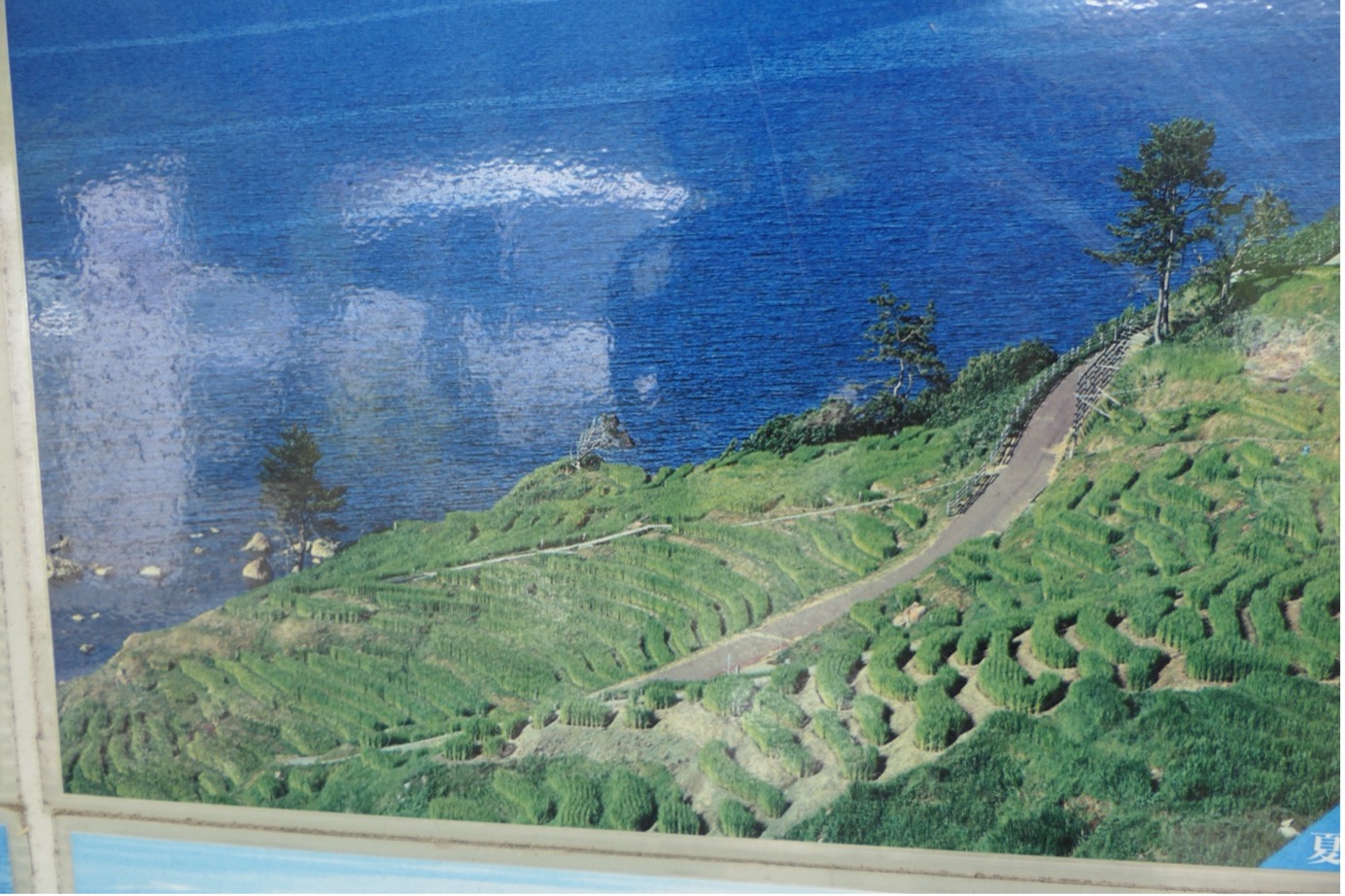
Before and after carbon farming: herbicide used to leave the paddy ridges bare (photo: Senmaida rest stop). Since herbicide use stopped in 2025, they have turned green.
On the first day of 2024, Japan's Noto Peninsula was struck by an earthquake of nearly magnitude 8, causing severe damage. The Tzu Chi Foundation moved remarkably fast: by 13 January its relief team was already on the peninsula, serving hot meals to survivors in sub-zero temperatures and handing out mimaikin (consolation money) to elderly and vulnerable residents with no one to care for them — emergency relief from the very first moment.
Tzu Chi's work did not stop at emergency relief, however. The foundation hoped that Gold Standard sustainability certification could give Noto's smallholders an internationally credible, impartial set of indicators for recovery and revitalisation — a way to measure what medium- and long-term rebuilding plans actually achieve, rather than judging by feeling or good intentions. This is rare in Tzu Chi's disaster work: most relief efforts wind down once the emergency phase ends. In Noto, Tzu Chi chose instead to launch the one-year Noto Satoyama Smallholder Carbon Farming Project from 2025, extending its care to the long-term rebuilding of the land.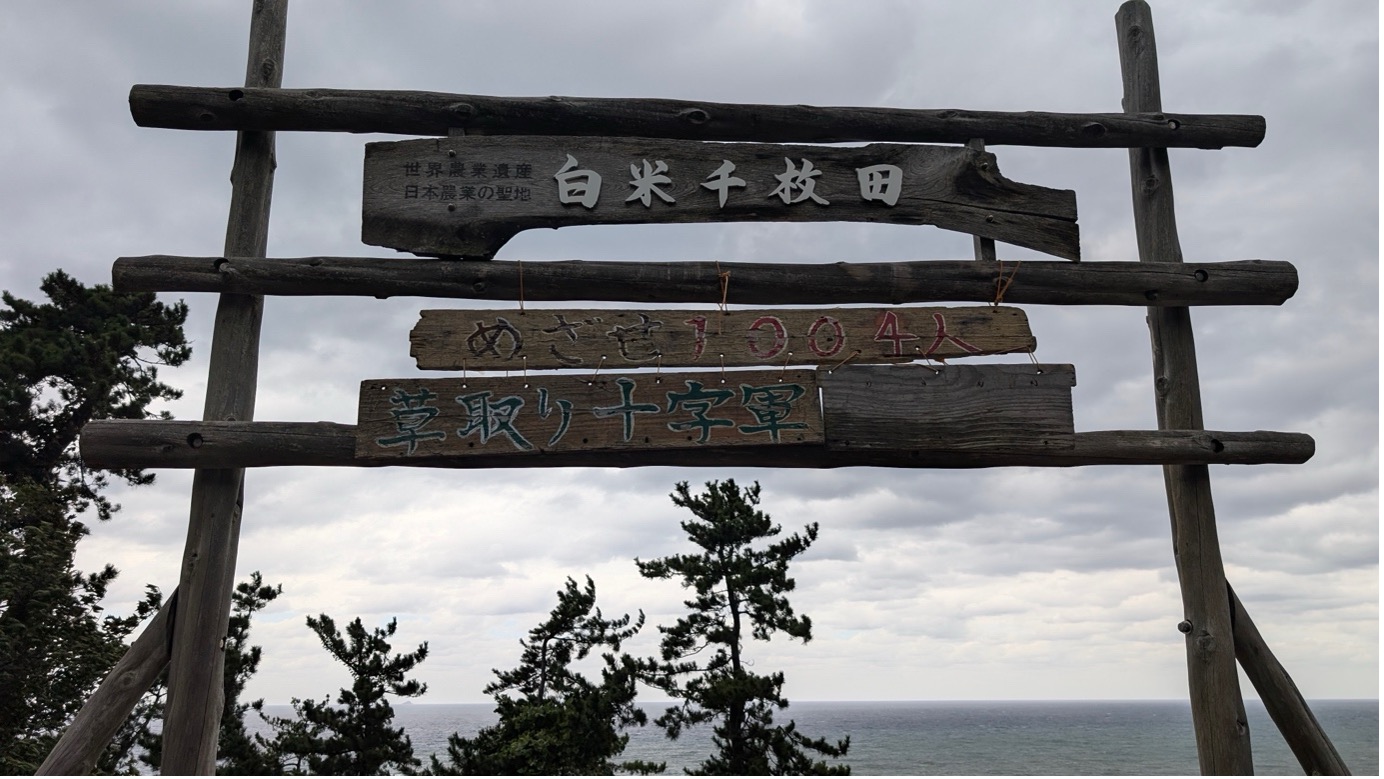
The Senmaida terraced rice fields are at the heart of the project. An important part of Japan's agricultural and natural heritage, these terraces stepping down the hillside have long been a model of satoyama sustainable farming and its ideal of people living in harmony with nature. Today the Senmaida is farmed by the Aikōkai, a group of local farmers whose average age is over 70 — and after the earthquake they faced an enormous challenge: up to 90% of the paddies were cracked by the quake, could not hold water and could not be planted. Over a year and a half, Aikōkai members have restored 25% of the fields by hand and sheer determination, and more land is expected to return to cultivation step by step.
What is truly inspiring is the choice the Aikōkai made about how to farm after the disaster. After joining the carbon farming project in 2025, they decided to stop using herbicide, switch to organic compound fertiliser and give up synthetic chemical fertilisers — not only to meet the project's standards, but as a fresh choice about how the land should be rebuilt. They have also kept up the tradition of the “Weeding Crusade”, calling on 1,004 volunteers — one for each of the 1,004 paddies — to weed together, giving the rebuilding a strong sense of community participation.
From 17 to 28 August, Jay Fang travelled to Noto with Hsieh Ching-kuei, adviser to the CEO of the Tzu Chi Foundation, to witness the weeding campaign in person and to discuss a cover-crop plan with the Aikōkai. The Aikōkai decided to sow cover-crop seed on 10 September, with the harvest due on 12 September — a very tight schedule. On harvest day, 12 September, we found in the fields that the barley sown just two days earlier had already begun to sprout.
This seemingly small detail was the most uplifting moment of the whole Noto rebuilding effort: the vigour of seed and soil is exactly what allows carbon to keep accumulating. From emergency relief in sub-zero temperatures to barley seedlings just sprouting in the Senmaida, Noto's road to recovery is, step by step, planting hope back into the land.


