 努力小農
From nature loss to nature positive: Chishang's sustainable farm landscape
本文尚無譯文。
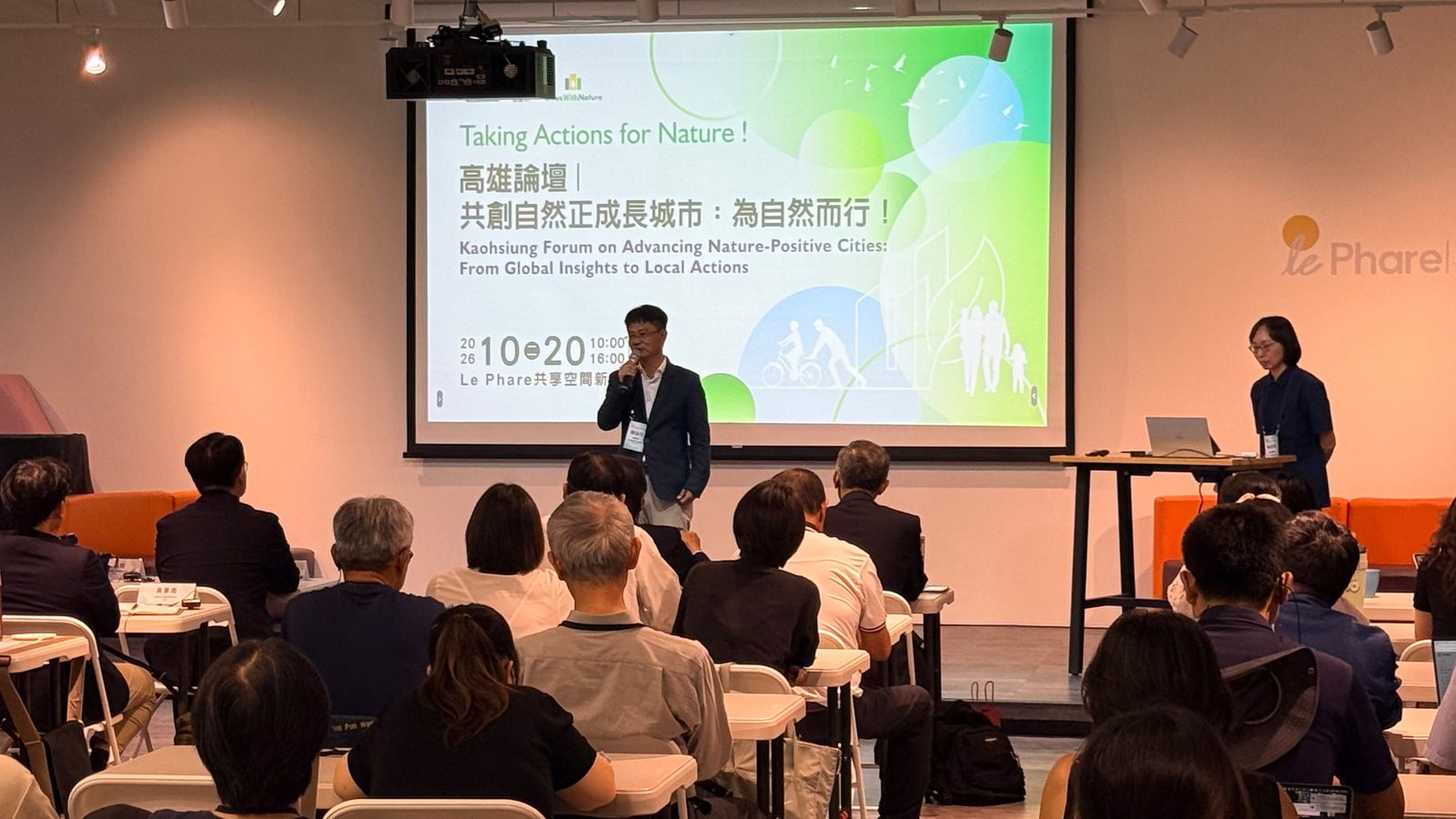
ICLEI Kaohsiung Forum / Smallholder carbon farming
From nature loss to nature positive
Chishang's sustainable farm landscape
Agriculture: the human activity with the greatest impact on nature
On 20 October, our chairman Jay Fang was invited to share a set of figures at the ICLEI Kaohsiung Forum, “Co-creating Nature-Positive Cities”: for ten thousand years, agriculture has been the human activity with the most dramatic impact on nature. According to research by Chatham House, UNEP and CIWF, the world has lost a cumulative 133 billion tonnes of soil organic carbon, and of more than 24,000 threatened species, 86% list agriculture as one of their threats. The Green Revolution of the mid-twentieth century went further, bringing wartime technology into the fields: tanks became tractors, synthetic ammonia from explosives became nitrogen fertiliser, and poison gas chemistry gave rise to insecticides. Every spring, ploughing re-oxidises carbon stored in the soil back into the atmosphere, making farm soils an overlooked yet staggering source of emissions.
list agriculture as one of their threats
Sources: Chatham House, UNEP, CIWF
The oldest and most effective negative-emissions technology
But the same land also holds the oldest and most effective negative-emissions technology: photosynthesis. Plants pull carbon dioxide from the air into their bodies, and roots and cover crops keep carbon in the soil. With less ploughing and green manure or other crops grown during fallow, carbon can be stored back in the soil bit by bit, and soil fertility recovers with it. This is the first principle of carbon farming — no expensive new technology is needed, only a change in how we farm.
No expensive new technology is needed, only a change in how we farm.
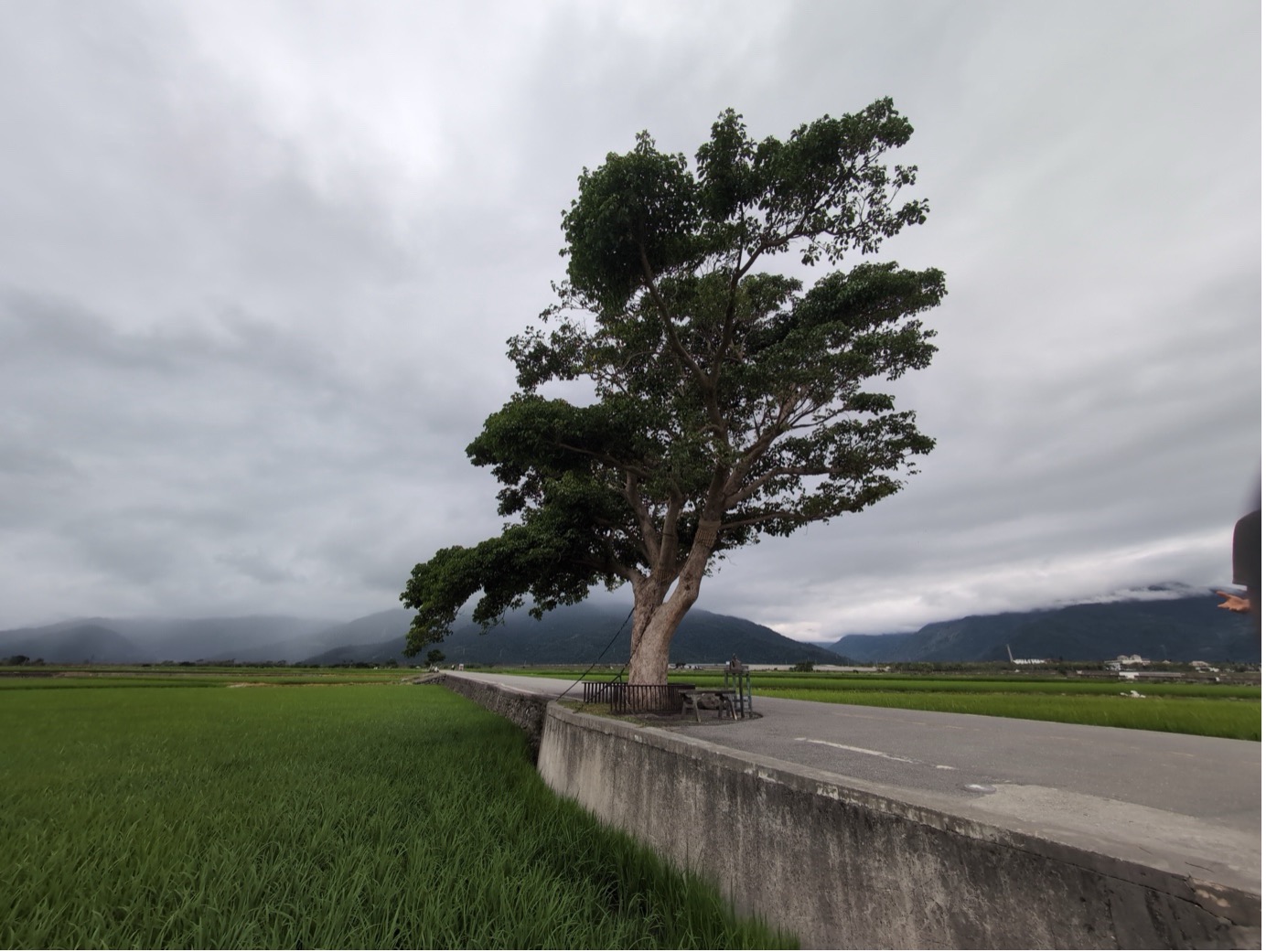
Taiwan's first internationally certified smallholder carbon farming base
Over the past four years, following the Gold Standard for the Global Goals methodology, we have built Taiwan's first internationally certified smallholder carbon farming base in Wan'an, Chishang, Taitung, and Changliang Village, Yuli, Hualien. Every year, in each monitoring unit, we take soil from four sampling points at two depths, send it to an ISO 17025–accredited laboratory, deduct uncertainty as the methodology requires, and calculate carbon credits conservatively. The latest monitoring data for Changliang show average topsoil organic carbon rising from 1.55% in 2022 to 1.72% in 2025, an increase of 11%; six of the nine monitoring units show a clear upward trend.
Gold Standard methodology / 4 sampling points per unit / soil from two depths / ISO 17025 laboratory / uncertainty deducted
6 of 9monitoring units show a clear upward trend
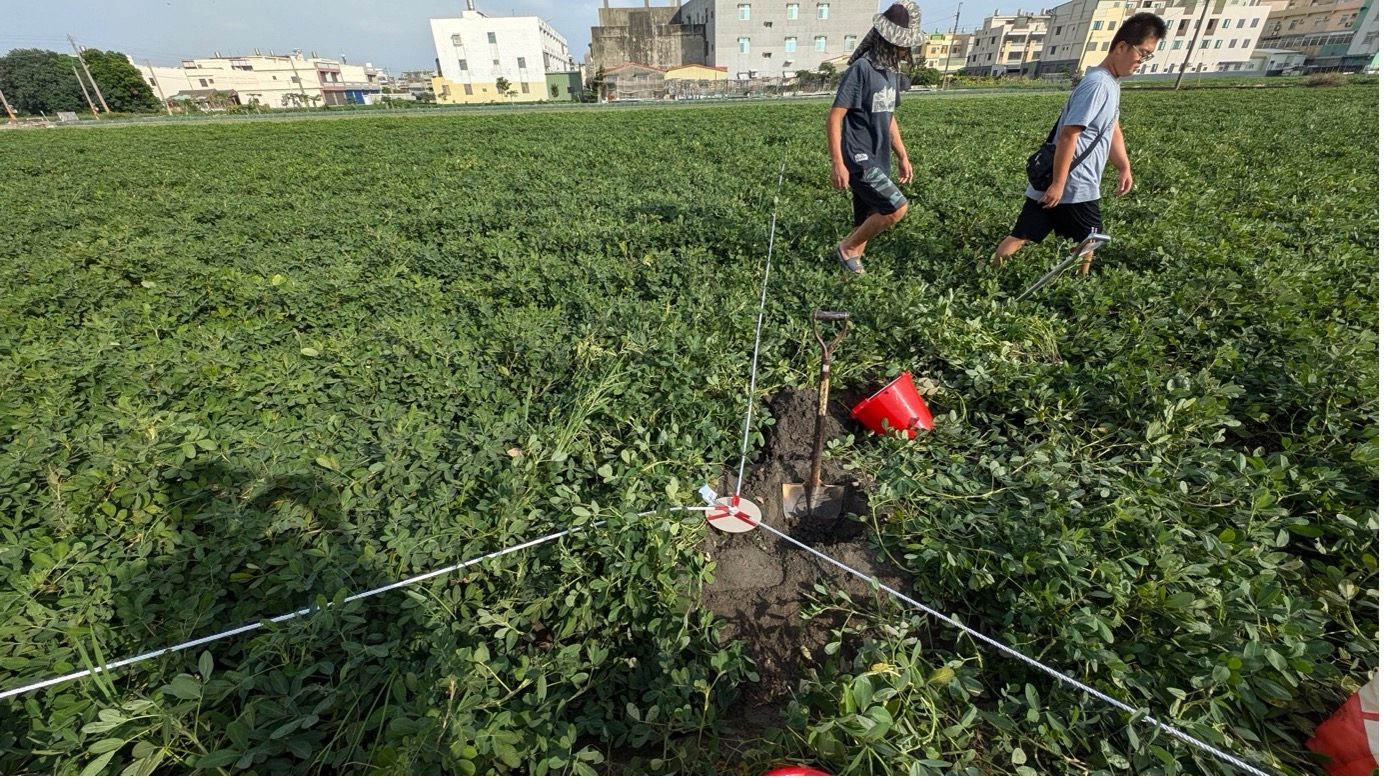
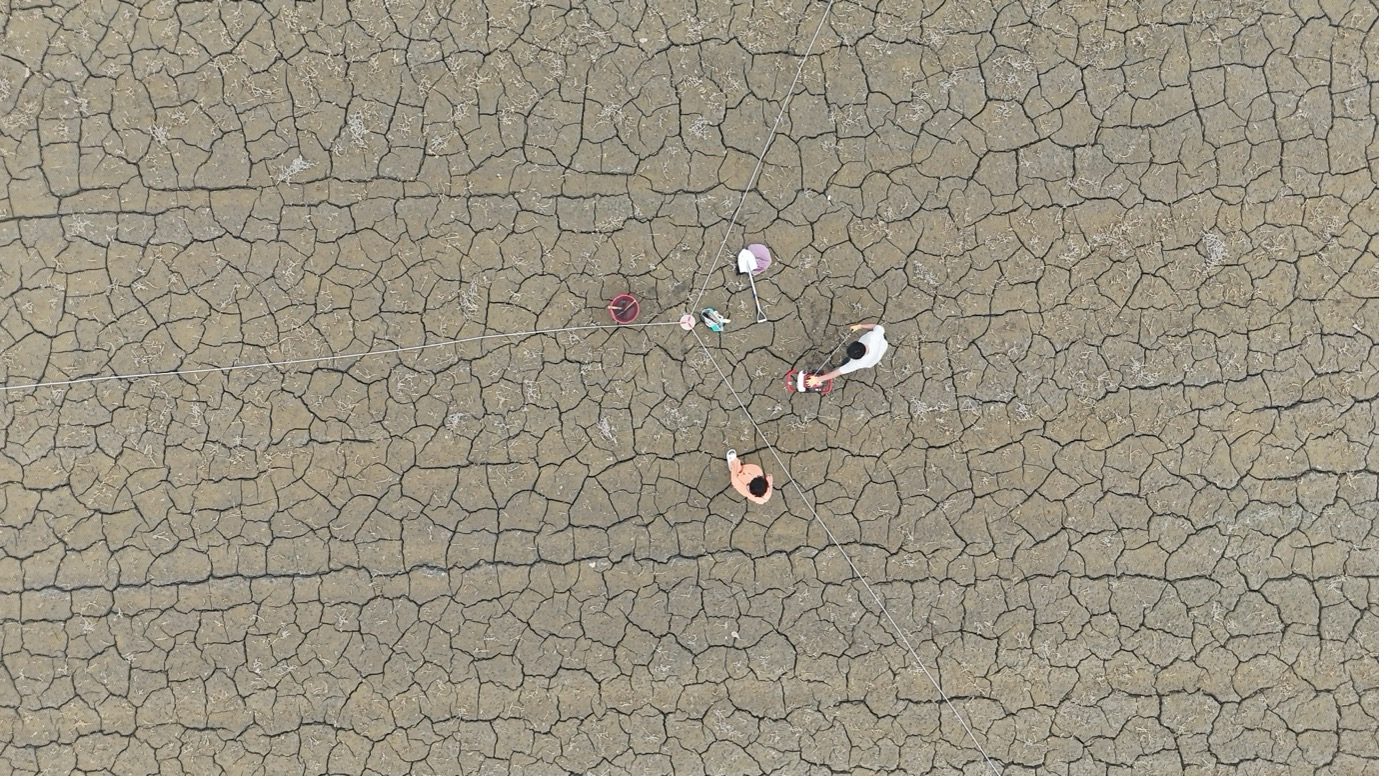
Appearance reflects the heart: five dimensions of a sustainable farm landscape
This is not just a set of figures but a true picture of “appearance reflects the heart” — when the way fields are managed changes, the look of the land changes too. We sum up this change in five dimensions: ecological balance (keeping native vegetation and ecological corridors, using no non-target toxic chemicals); soil health (monitoring organic carbon every year, no-till or reduced tillage, green manure cover); water and energy (rainwater infiltration and reuse, drip irrigation, renewable energy); economic sustainability (cash crops alongside nitrogen-fixing crops, a local circular economy); and long-term operation (community organisation, workshops, division of labour and cooperation). Only when all five are balanced can it truly be called a “sustainable farm landscape”.
One tonne of carbon credits, far more than one tonne of benefits
We have also tried to put a figure on this value: behind one tonne of carbon credits lie combined benefits far greater than one tonne. Combining co-benefits under SDG 2 Zero Hunger, SDG 3 Good Health and Well-being, SDG 4 Quality Education, SDG 8 Decent Work and SDG 12 Responsible Consumption, the project estimates the integrated value behind each tonne of carbon credits at about US$638.78.
SDG 2 Zero Hunger / SDG 3 Good Health / SDG 4 Quality Education / SDG 8 Decent Work / SDG 12 Responsible Consumption
This is what carbon farming really wants to say: agriculture was once the Earth's biggest nature liability, but if we are willing to change, it can also become the most powerful asset for nature-positive growth.
Agriculture was once the Earth's biggest nature liability, but if we are willing to change, it can also become the most powerful asset for nature-positive growth.


