 努力小農
A hundred days of record ocean heat: scientists warn the climate outlook is “not optimistic”
本文尚無譯文。
Climate change / International news
A hundred days of record ocean heat
Scientists warn the climate outlook is “not optimistic”
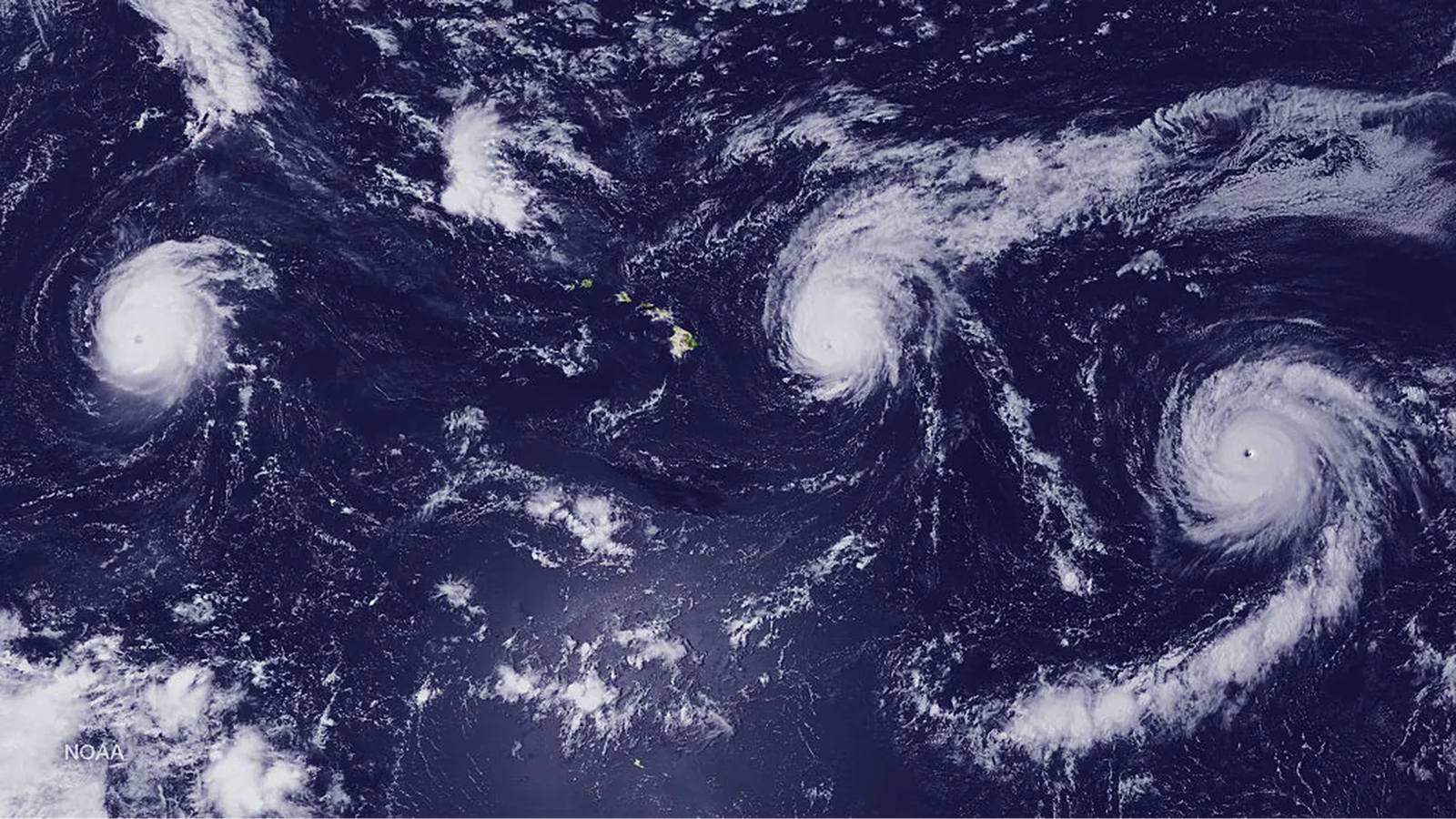
Sea surface temperatures have broken records for the time of year for 100 days in a row, and this August tied as one of the hottest Augusts on record. Scientists warn that with a “temporary” El Niño emerging in the Pacific, monthly average temperature anomalies over the coming months may exceed 2°C.
records for the time of year
above the pre-industrial baseline
surface temperature in August
August: close to 1.7°C
Data from Europe's Copernicus Climate Change Service show that this August the global average surface temperature was 1.65°C above the pre-industrial baseline, close to 1.7°C, and the global average sea surface temperature in August reached 21.07°C. Peter Thorne, professor of climate science at Maynooth University in Ireland, said bluntly that although this year's record heat on land and sea has already triggered heatwaves, wildfires and flash floods, “the next 12 to 18 months will only get worse, not better”. He even warned that humanity may soon see its first month of warming above 2°C.
The next 12 to 18 months will only get worse, not better.Peter Thorne, professor of climate science, Maynooth University, Ireland
Warming, on top of a “very strong” El Niño
This wave of heat comes partly from climate change built up over time by human activity, and partly from the Pacific's periodic El Niño on top of it — when El Niño appears, waters in the eastern tropical Pacific warm, usually pushing up global average surface temperatures too. The World Meteorological Organization says the El Niño that began this June is “very strong”, expected to peak in November or December and last until February 2027. Following the previous El Niño cycle that began in 2023, which made 2024 the hottest year on record, 2026 may well come close to or even tie that record.
- 2023Previous El Niño
- 2024Hottest year on record
- June this yearNew El Niño begins
- Nov–DecExpected peak
- February 2027Expected to last until
Approaching 2°C, beyond the Paris Agreement goal
Ed Hawkins, professor of climate science at the University of Reading, agrees: global average temperatures are likely to keep setting records over the coming months, and “global average temperatures could even approach the threshold of 2°C above pre-industrial levels” — clearly beyond the Paris Agreement's goal of holding warming to 1.5°C and well below 2°C. The United Nations also said earlier this month that global temperatures are likely to break the relatively conservative 1.5°C threshold within the next few years.
- 1.5°CParis Agreement goal
- 1.65°CSurface average this August
- 2°CThreshold that may be approached
Global average temperatures could even approach the threshold of 2°C above pre-industrial levels.Ed Hawkins, professor of climate science, University of Reading
Responses from the UN and academia
Faced with these warnings, the UN and academia are actively looking for solutions. A new report from the University of Exeter lists 51 measures with a chance of making a real impact within five years, covering clean energy, ocean protection, and lower-carbon diets and ways of cooking. Simon Stiell, head of the UN climate change :host, said bluntly that burning fossil fuels is the main cause of greenhouse gas emissions and “is killing millions of people and costing hundreds of billions of dollars”; the cost of humanity's addiction to fossil fuels, and of the global climate crisis it is worsening, keeps rising.
of real impact within five years
Clean energy / Ocean protection / Lower-carbon diets and cooking
Is killing millions of people and costing hundreds of billions of dollars.Simon Stiell, head of the UN climate change :host, on burning fossil fuels
For people in the fields, the meaning is very direct
Although this report deals with global-scale ocean and atmospheric data, for those of us working in the fields its meaning is very direct: El Niño on top of warming means that in the coming years the extreme weather Taiwan faces — whether changing typhoon tracks, drastic shifts in rainfall patterns, or how often drought and torrential rain alternate — is likely to be harder to predict and more severe than before. This echoes what we have seen in Chishang, Yuli and Madou: smallholders stand on the front line of climate change, bearing risks they have almost no power to control. Carbon farming and restoring soil organic matter may not make typhoons disappear, but at least they can win us a little more resilience to get through the next abnormal season.
Carbon farming and restoring soil organic matter may not make typhoons disappear, but at least they can win us a little more resilience to get through the next abnormal season.
Source: Financial Times Chinese edition, “Ocean temperatures break heat records for 100 days in a row; climate outlook ‘not optimistic’”, updated 10 September 2026.


