努力小農
Nanya Technology Comes to an Emei Orchard: How Can Cover Cropping Be Kept Up for the Long Term?
本文尚無譯文。

Corporate ESG / Cover cropping
Nanya Technology comes to an Emei orchard
How can cover cropping be kept up for the long term?
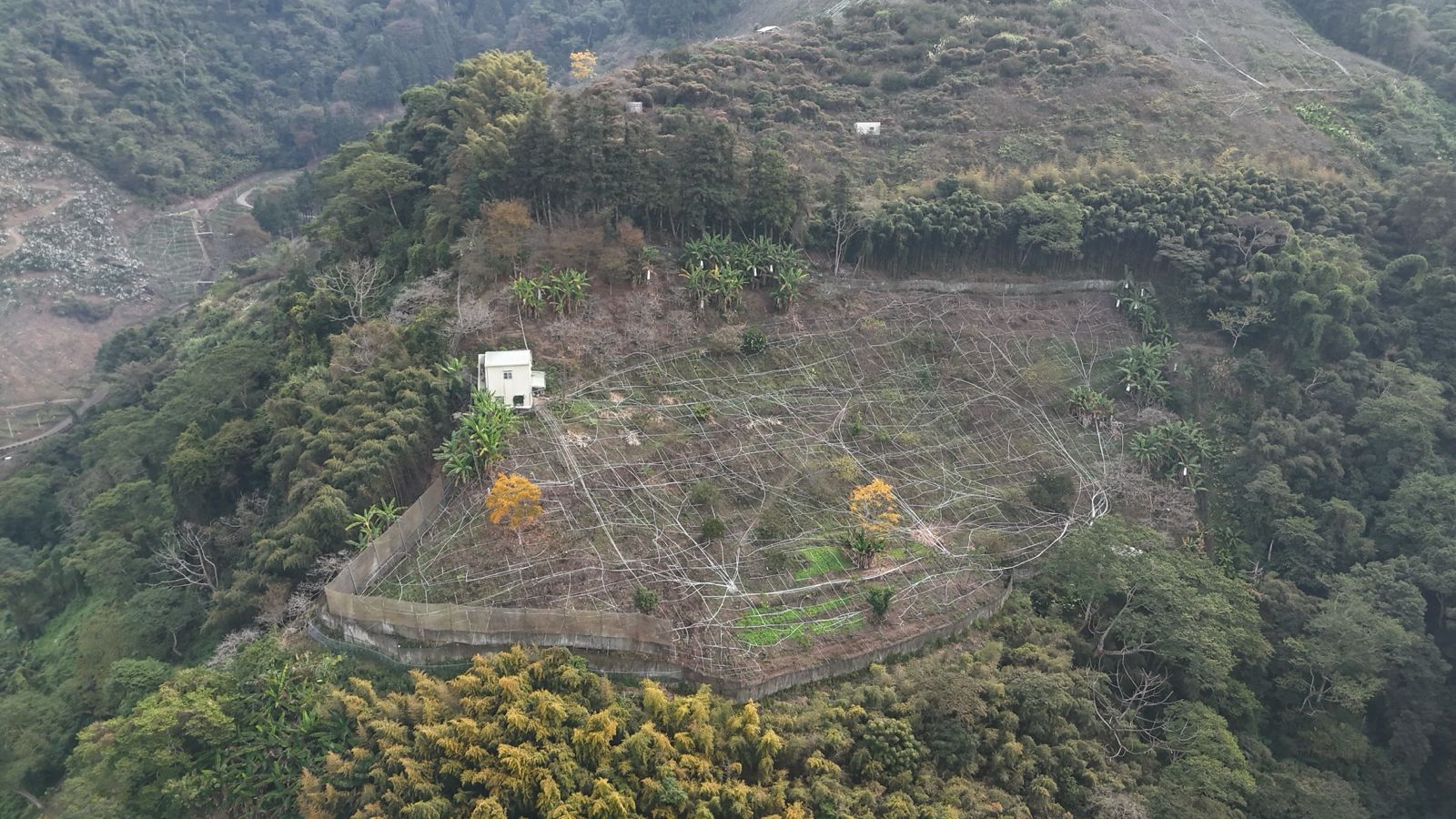
On the winter hillsides of Emei, the citrus is turning yellow and the rows between the trees are green. How much grass to leave and when to cut it are daily management decisions for fruit growers; for companies that want to support sustainable agriculture, these details decide what a budget can actually help with. On 10 November, the Agriculture and Food Agency of the Ministry of Agriculture announced that it had matched Nanya Technology with Dingduo Farm in Emei Township, Hsinchu County, using a 10-hectare citrus orchard as a demonstration site for cover cropping, with guidance from the agency and the company supporting the farming side with environmental, social and governance (ESG) resources.
cover cropping demonstration site
What extra work growers take on once the grass stays
Cover cropping means planting suitable herbaceous plants between the rows of fruit trees, or keeping native grasses. The agency points out that vegetation cover reduces bare soil and rain erosion, increases soil organic matter and provides habitat for organisms in and above the soil. How it is done on site depends on slope, drainage, grass species, season and the condition of the trees: grass that is too tall gets in the way of entering the orchard, and in the dry season crop water use must also be considered. Growers have to judge when and how often to cut, and bear the extra labour and machinery costs. If a company wants growers to keep it up, the first thing to discuss is sharing this extra work — writing year-round management, the added working hours and how to adjust in drought or heavy rain into the cooperation agreement.
How it is done on site depends onslope / drainage / grass species / season / condition of the trees
If a company wants growers to keep it up, the first thing to discuss is sharing this extra work.
How to look at the benefits
Reduced bare soil can be tracked with fixed-point photos or on-site estimates; for biodiversity, local researchers or professional teams can be asked to design observation methods that are easy to repeat. Soil organic carbon should be measured with consistent sampling depth, laboratory methods and recording formats, and differences in concentration, bulk density and carbon stock should be interpreted with care. The first year's data serve to establish a baseline. The agency also noted that carbon sinks accumulated over the long term could be converted into carbon credits companies need through the Ministry of Environment's verification process; companies with such plans should first check the applicable methodology and issuance status before saying so publicly.
Bare soil
Tracked with fixed-point photos or on-site estimates
Biodiversity
Ask local researchers or professional teams to design easily repeatable observation methods
Soil organic carbon
Consistent sampling depth, laboratory methods and recording formats; the first year's data establish a baseline
In sustainability reports, companies can start with things that are clear and verifiable: what management was arranged, how much area was supported, when growers received payment and in which fields monitoring takes place. Only once measurements produce real results should soil or ecological changes be described, in line with data quality. On follow-up visits, ask growers to point out the areas hardest to maintain, and check together whether management costs and farm work time match the original estimates; if the grass species or the number of cuts changes, record why. These records let the next grower who wants to try it know how much labour to set aside, and let funders know how to budget over several years.
What is worth continuing to track in Emei is which tasks can be kept up after the demonstration begins, and whether the company's input really shares growers' costs. Slope, irrigation and drainage, and farming conditions differ across Taiwan's growing regions; the next site can reuse a clear way of cooperating, then decide on suitable management practices together with local growers.
Corporate ESG teams, schools and consumers are welcome to book field visits, rice tastings and food and farming education activities: [email protected]|0906892567