 努力小農
How Can the ESG Green Shinkansen Support the Smallholders Who Really Need It?
本文尚無譯文。
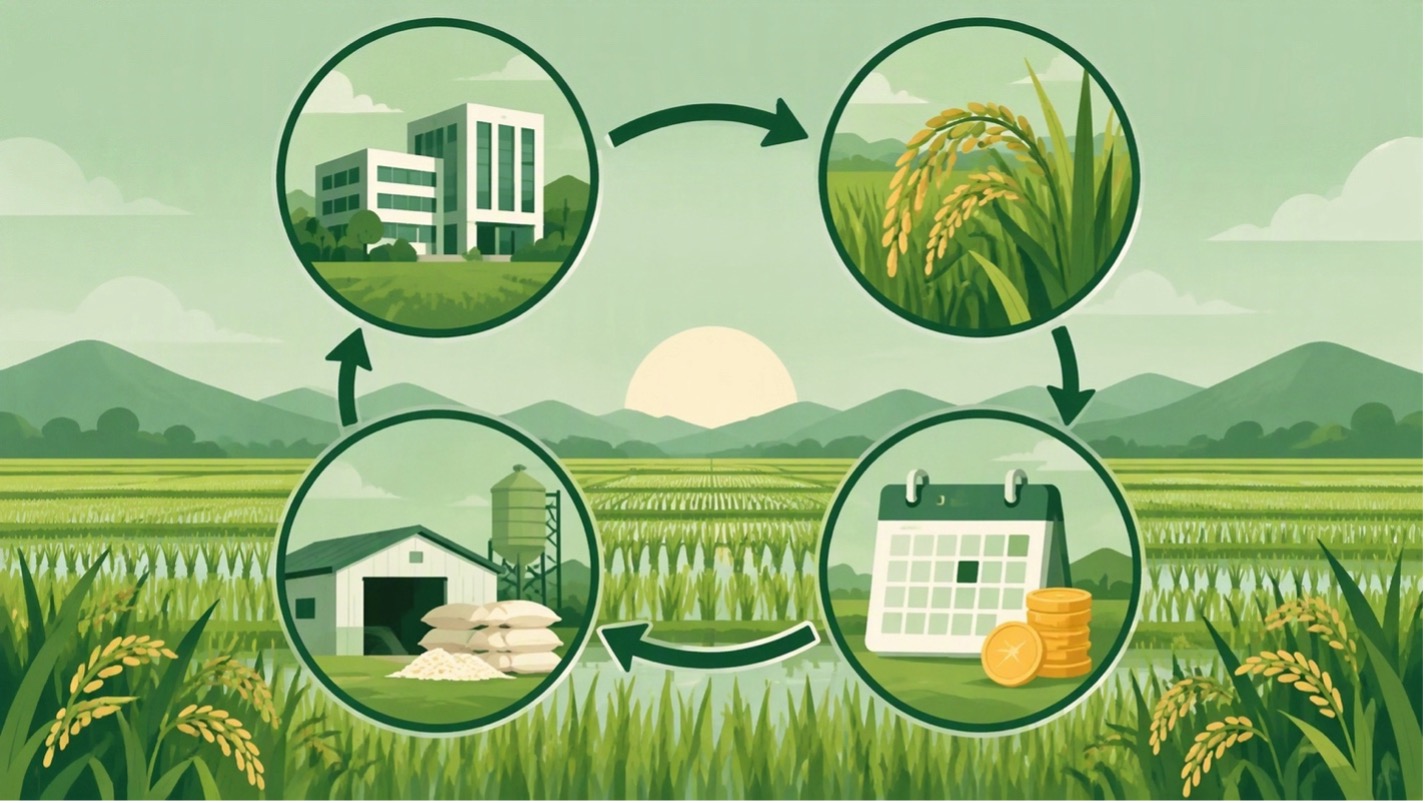
ESG Green Shinkansen
ESG Green Shinkansen
How can it support the smallholders who really need it?
Companies wanting to do agricultural environmental, social and governance (ESG) work soon run into a practical question: where should the money go first? The same funds might, for a rice farmer just hit by floods, pay to repair irrigation and drainage and get seedlings; for a fruit grower trying cover cropping, cover the extra hours of mowing; and for a smallholder who has been carbon farming for several years, pay for sampling and testing they could not otherwise afford. The ESG Green Shinkansen starts from needs, so that companies, farmers and professional teams agree on the work, costs and outcomes before signing.
Rice farmers hit by disaster
Costs of repairing irrigation and drainage and getting seedlings
Fruit growers trying cover cropping
Extra hours of mowing
Smallholders who keep carbon farming
Sampling and testing they could not otherwise afford
First ask growers what they lack, then decide how the money is paid
After a disaster, the first things to know are which fields were damaged, when they need to be replanted, how much relief or insurance has already come in, and what money is still missing. Companies can confirm this together with farmers' associations, communities or farmer organisations, and give priority to smallholders with heavier losses who find it hard to get funds in time for the farming calendar. If the budget will take months to be released, tell growers so honestly; for urgent work that needs cash flow, such as clearing fields or buying seedlings, advance payments can be arranged where the terms allow, with a local team checking completion records.
Long-term cooperation also has to deal with markets. Companies can build steady demand through staff restaurants, group buying or festival purchases, agreeing in advance on price, minimum purchase volume, quality requirements and payment timing, as well as how deliveries will be adjusted in case of typhoons or heavy rain. Growers then know before sowing that part of their harvest has a buyer, and companies can line up alternative supplies in advance. Tenant farmers in particular need to know clearly who signs the contract, who receives payment for the work and what happens if the lease changes.
Agree in advance onprice / minimum purchase volume / quality requirements / payment timing / how deliveries adjust in typhoons or heavy rain
Write the services farmland provides into the cooperation agreement
When farmers maintain the rural landscape, care for the soil or manage habitats, they provide ecosystem services shared by society as well as producing food. Companies can draw on the idea of payment for ecosystem services (PES), agreeing with growers which work, area and period will be paid for, and reviewing regularly against cost estimates and actual records — for example, sowing and cover management for green manure on fallow land, or mowing and observation for cover cropping in orchards. Any further claim of increased soil carbon or improved biodiversity should then be backed by suitable measurement design and data.
Every quarter, a company can ask four things: when was payment made, how many households received support, which fields completed the work, and what is still missing for next season? If payments do not keep pace with the farming calendar, adjust the review and payment cycle for the next season; when one budget supports several kinds of work, let households confirm their own payments and burdens, so that the total does not look ample while people on the front line still have to pay out of pocket. From the rice fields of Hualien and Taitung to the orchards of Hsinchu, smallholders should be able to see clearly how a company's money shares their work, and how long that support will last.
- When was payment made?
- How many households received support?
- Which fields completed the work?
- What is still missing for next season?
Smallholders should be able to see clearly how a company's money shares their work, and how long that support will last.
Corporate ESG teams, schools and consumers are welcome to book field visits, rice tastings and food and farming education activities: [email protected]|0906892567


