 努力小農
本文尚無譯文。
Investing in smallholder carbon farming: a just transition for agriculture
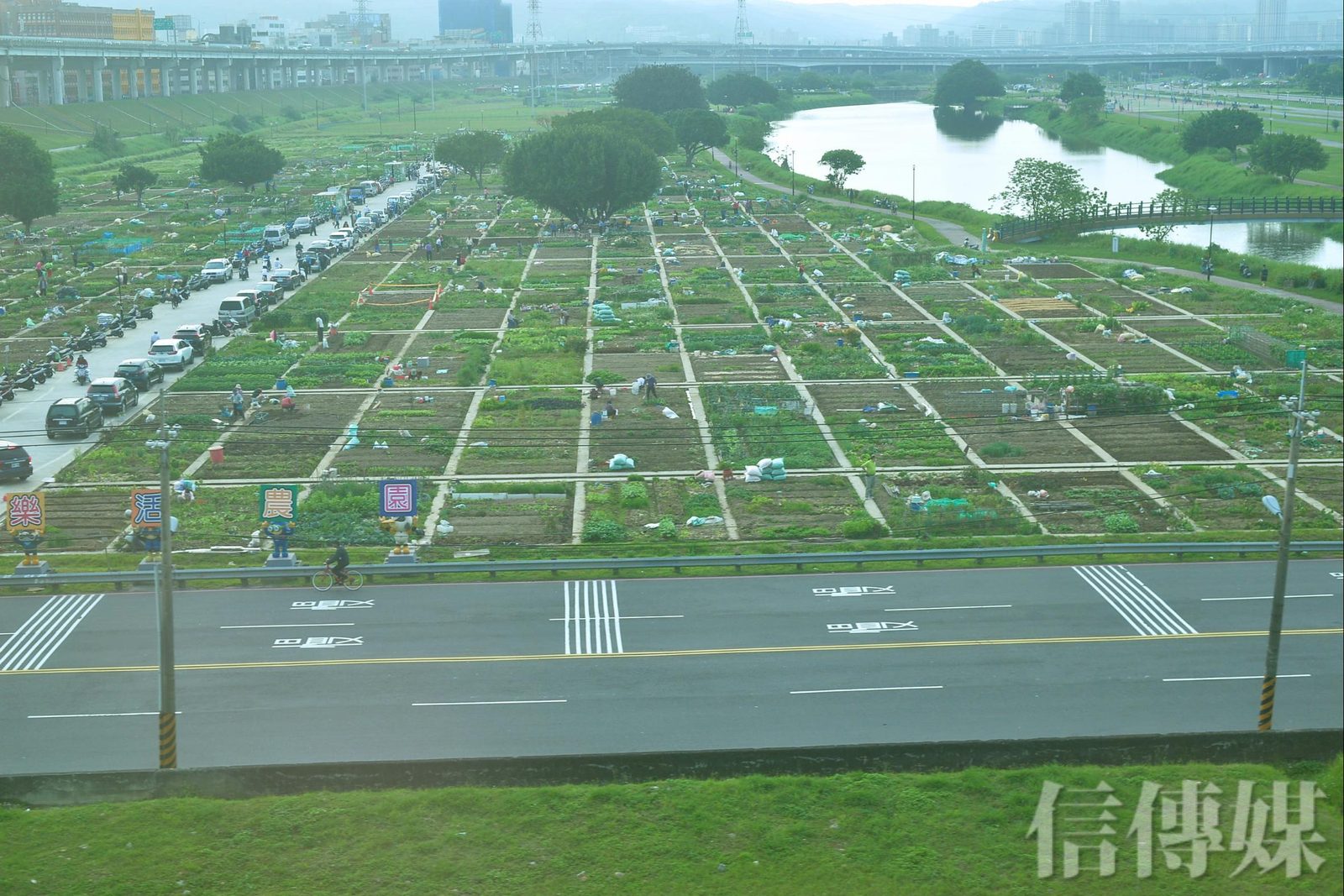
Green energy is a "natural force" defined in the Constitution as belonging to all citizens. The government should face the question of a just transition to net zero. (Photo: CM Media editorial team)
Business groups and labour groups have recently invited the three presidential candidates to their "interviews". All three released more or less generous policy promises, but all overlooked the question of a "Just Transition (JT)" in facing net zero — in short, companies' competitiveness in the coming global net-zero era, and workers' job opportunities. Generous promises only breed more spoilt bosses and spoilt employees; they hardly breed competitiveness.
The just transition is now law — how do we put it into practice?
In 1995 I led a research project on the use of air pollution fees. Even then we found that new-energy vehicles, especially electric scooters, were definitely good for the environment — but without a good mechanism for balancing interests, they couldn't be rolled out smoothly. Sure enough, electric vehicles grew rapidly a few years ago but have hit a major bottleneck in the past two years. Digging deeper, I found that certain EV makers used huge government subsidies to create pricing conditions highly exclusionary towards other makers and unfavourable to consumers, while the future of the many scooter repair shops was severely affected. In the end, consumers felt harmed rather than helped. Full electrification of scooters was inevitable, but because a few vested interests tried to use the policy transition to expand their own interests without limit at the expense of the public interest, it naturally faltered.
The same goes for promoting green energy in recent years. Taiwan has abundant green energy; 100% green electricity could be achieved within 10–20 years. Unfortunately, from the "anti-crazy-turbines" movement over a decade ago to today's widespread opposition to solar on farmland and fish ponds ("growing electricity"), it's all because field research and policy design for a just transition weren't done properly. The result benefits only a few conglomerates, and even gangsters get involved (such as the Tainan 88 shooting case over competition for solar profits).
Green energy is a "natural force" defined in the Constitution as belonging to all citizens
I have always argued that green energy is a "natural force" defined in the Constitution, belonging to all citizens, and must be integrated with local residents, communities and industries. So I proposed the concept of "citizen power plants". Unfortunately, apart from very few rooftop solar projects, everything else has been monopolised by a few, so green energy leaves many people "green in the face". It will meet more resistance in future, and has also led to a nuclear revival and growth in thermal power.
This year the 28th Conference of the Parties to the UN Framework Convention on Climate Change (COP 28) opened in Dubai on 30 November. One focus of discussion is the "just transition under net zero", because net-zero policies will affect how every country, industry and company operates and develops in future. These changes will inevitably benefit some and harm others. How to reduce conflicts between harms and benefits will be a common problem for humanity in future.
Stones from other hills can polish jade. Looking at the "Preliminary insights towards a just transition in agriculture" advocated by the World Business Council for Sustainable Development (WBCSD), which leads international business sustainability, we can glimpse the impact of a just transition on each industry, especially agriculture and its interdependence with other industries.
Facing the challenges of population, food and climate in 2050
Given future population growth and the need to reduce hunger, the World Resources Institute (WRI) estimates that by 2050 food supply must increase by 60% over 2018. This is a huge challenge for both food security and climate security, and certainly not something the agricultural sector can tackle alone; it needs governments, businesses, communities, consumers, education and all other sectors to work together.
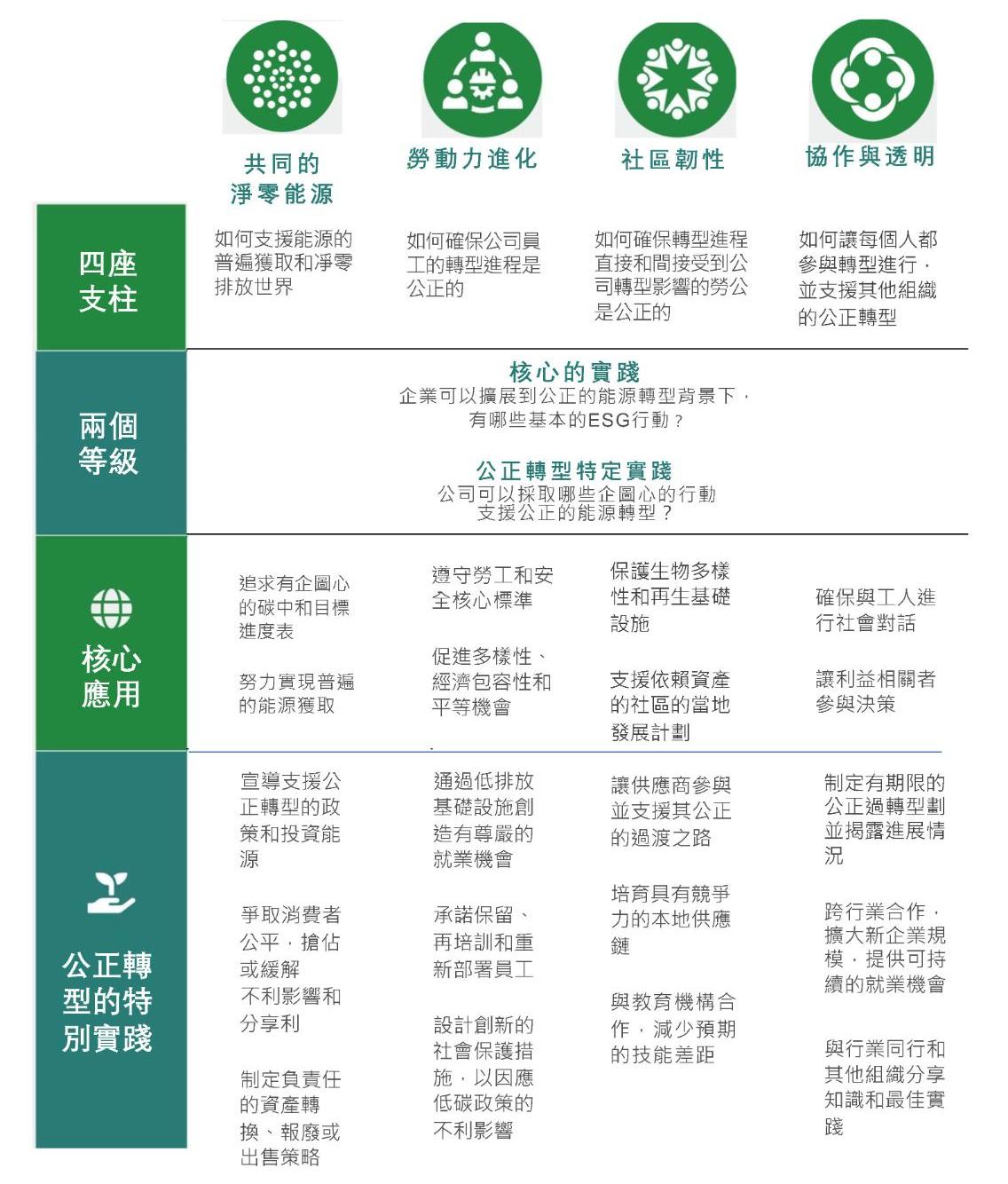
The WBCSD has built a just transition framework comprising four pillars (shared net-zero energy, workforce evolution, resilient communities, and collaboration and transparency), two levels, eight core applications and twelve specific practices.
The WBCSD identifies three key opportunities linked to agriculture
The WBCSD is a business council for sustainable development established with the International Chamber of Commerce. Since its founding before the 1992 Earth Summit, it has worked to promote norms for corporate sustainable development and lobbied governments and the UN to build environments and regulations for corporate sustainable development. On linking agriculture and business, it has made the following preliminary recommendations:
Support farmers and farmer-led climate initiatives. This action relates to the "workforce evolution" and "resilient communities" pillars. Farmers hold a key position in the economy because they can both mitigate and adapt to climate change, for example by adopting regenerative agricultural practices. "Farmer-led" doesn't mean farmers can solve the climate challenge alone; it means solutions must be farmer-centred, and farmers need to be empowered and supported by the wider agricultural value chain.
Invest in digital agriculture solutions. This action links to the "resilient communities" and "collaboration and transparency" pillars of the just transition framework. Digital agriculture solutions have great potential to enable a just transition in agriculture by generating multiple benefits. Benefits for farmers may include better adaptation to climate-related changes, weather variability and pest attacks, and higher farm profitability and returns through better farm management and product sales. Better farm management can also bring climate benefits by reducing greenhouse gas emissions, and ensuring farmers practise low-impact agriculture can also benefit nature.
Regenerative agriculture increases soil carbon storage, water retention and soil fertility
Put farmer livelihoods at the centre of Scope 3 emission reductions. This action fits best with the "shared net-zero energy", "resilient communities" and "collaboration and transparency" pillars. For companies downstream in the value chain (such as food processors and retailers), most emissions fall under Scope 3: indirect value chain emissions, mostly from sourcing agricultural products and inputs. Nestlé, for example, is estimated to have 95% of its emissions in Scope 3, 71% of them from sourcing raw materials for its products. To tackle Scope 3 emissions, companies need to work closely with their supply chains to monitor production activities and ensure progress towards reduction targets. This could include, for example, incentivising farmers to shift to regenerative practices that increase soil carbon storage and improve water retention and soil fertility. Such a shift reduces the vulnerability of the whole food system, creating value not only for farmers but also for companies across the supply chain, and ultimately for consumers and society.
I am very pleased and honoured to take part in this great movement for climate change action. In line with the WBCSD's three key opportunities above, we set up the "Taiwan Smallholder Carbon Farming Project" to help smallholders meet international carbon reduction and soil carbon sink standards and reduce carbon together for Taiwan and the planet.
If you are a consumer,order nowyou can buy and taste our first trial, the Changliang carbon-reduction first rice — the fruit of a year's work by us and the smallholders. To order, clicklink。
If you are a company, you are also welcome toinvest in the "Smallholder Carbon Farming Project" . The internationally certified, quantified SDG performance becomes part of your company's ESG investing portfolio. To invest, clicklink。
=======
Source: CM Media ( https://www.cmmedia.com.tw/home/articles/43800 )


