小雪の頃、北の地では雪が舞い始め、台湾の田んぼは二期作の稲刈りを終えて休養の時期に入ります。農家は土を整え、緑肥をまき、冬の間に土がゆっくりと力を蓄えて、翌年の春の田植えに備えられるようにします。今号の『炭素農業ダイジェスト』も、年の瀬に読者の皆さんと一緒に少し立ち止まり、世界と私たちの足元の土地で何が起きているのかを見つめたいと思います。
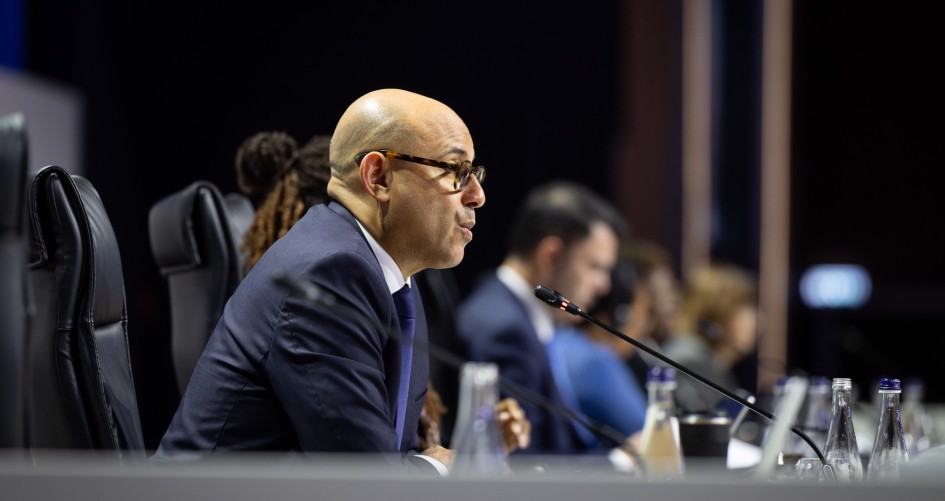
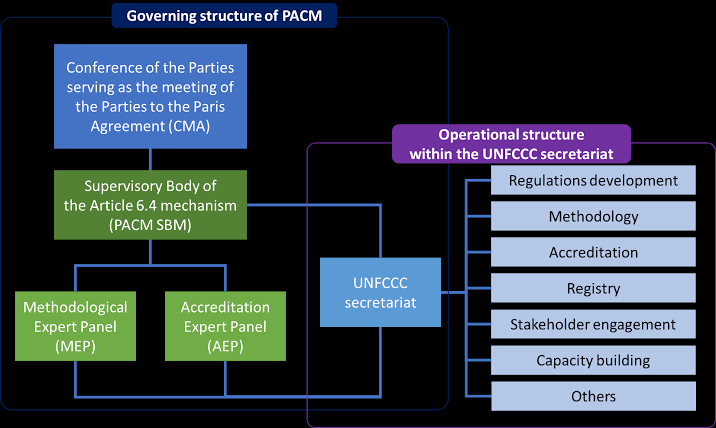
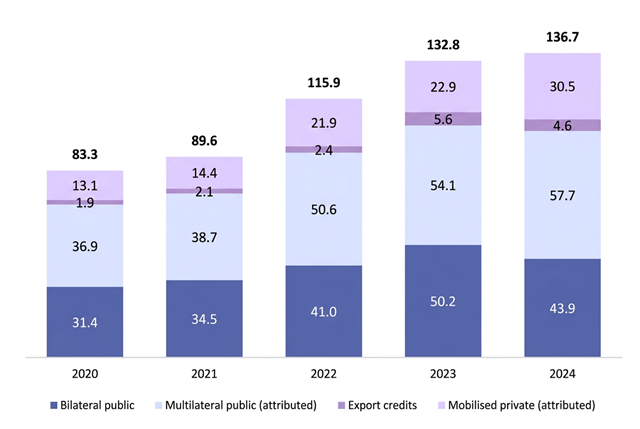
今号の主なテーマは、トルコのアンタルヤで閉幕したばかりの第31回国連気候変動会議(COP31)です。史上最も長い気候会議となりながら、最終的に包括的な決定(カバー決定)は採択されませんでした。しかし技術面では、国際炭素市場は「ルールづくり」から「質の競争」へと移りつつあります。国連のパリ協定クレジットメカニズムは1年のうちに多くの方法論、ツール、基準を新設・改訂しましたが、農地や森林を対象とするものはまだ一つもありません。農業専用の唯一の交渉トラックも、2027年に先送りされました。台湾と日本で小農の炭素農業に寄り添う私たちにとって、これは警鐘であると同時にチャンスでもあります。農地の土壌炭素は国際交渉を待っていられません。誠実で、検証可能で、コベネフィットのある自主的なプロジェクトこそ、企業がいますぐ参加できる道なのです。今号では気候資金の計算もしてみました。先進国が約束した資金は増えたものの、灌漑・排水、洪水対策、小農の適応に使える資金はまだまったく足りず、お金が会議場から田んぼに届くまでには、農時よりずっと時間がかかることが多いのです。また、国連炭素市場がこの1年で採択・改訂した方法論、ツール、基準の一覧を整理し、台湾の農地がいますぐ積み上げ始められる証拠も示しました。企業がパートナーを選ぶ際に、一項目ずつ照らし合わせられる参考資料となるはずです。
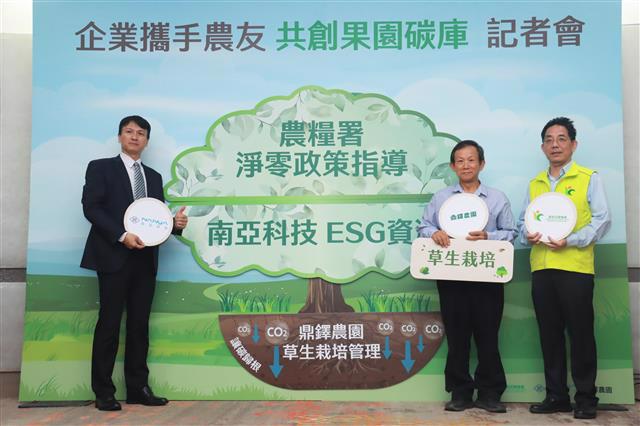
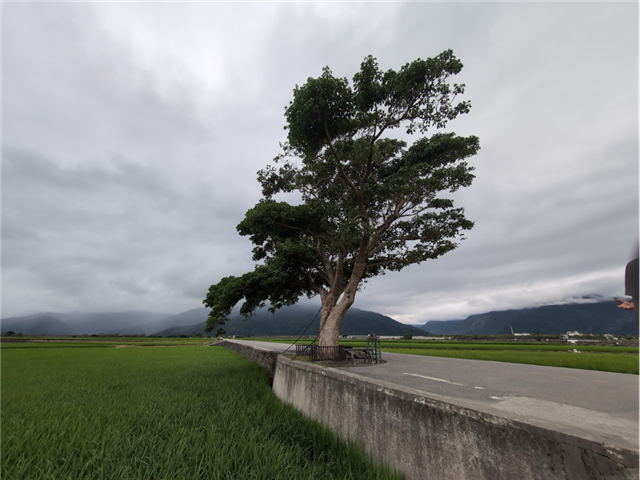
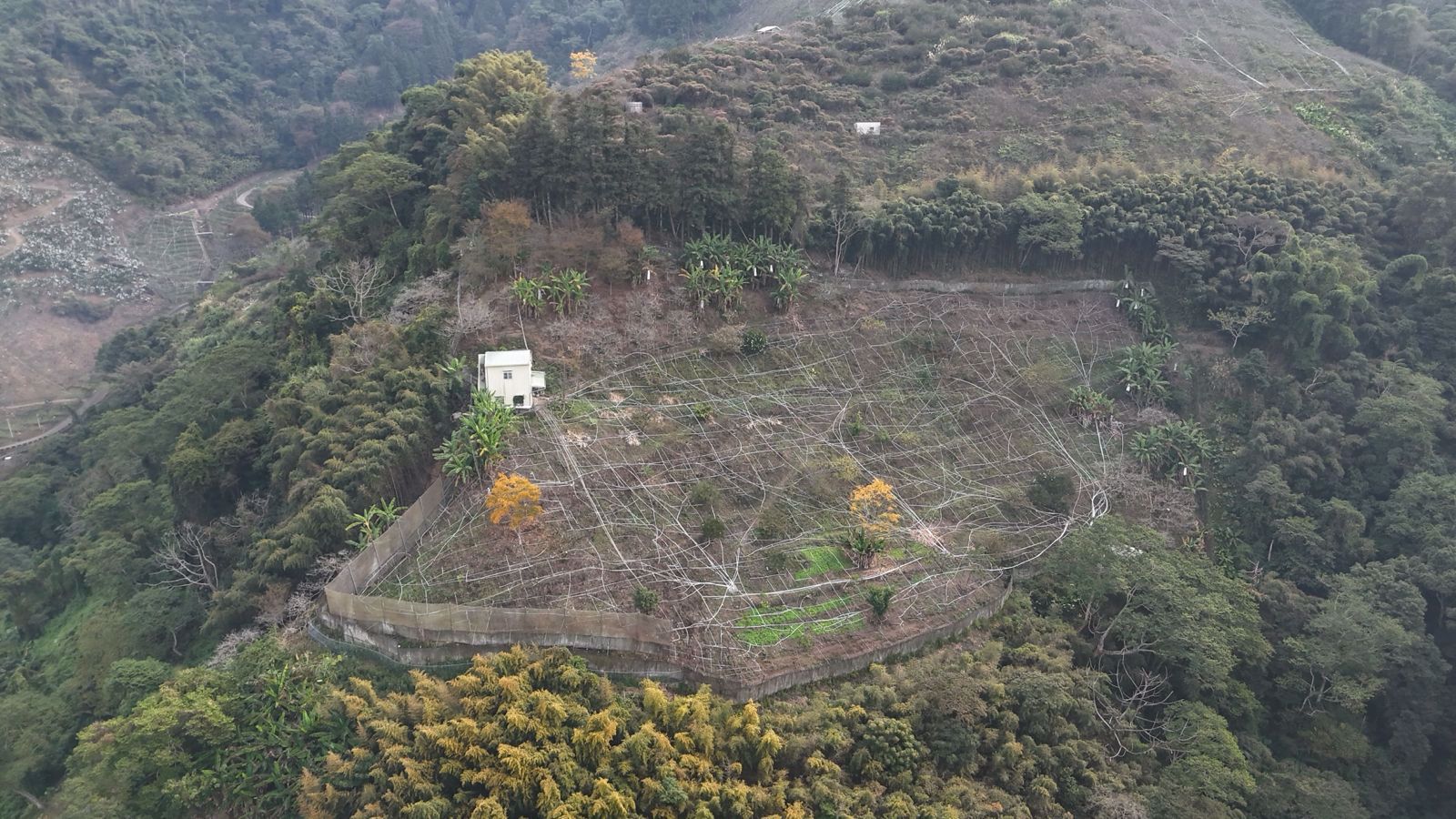
国際的な話題のほかに、台湾の田んぼにも戻ります。花東の稲作農家は相次ぐ台風の後も、次の作期までしのぐ方法を模索しています。南亜科技は新竹県峨眉の柑橘園を訪れ、農家と一緒に草生栽培を試みています。国立屏東科技大学の研究チームは、エッジAIを使って山の斜面の果樹園を営む林世豊さんがサルの被害に向き合えるよう支援しています。これらの物語はすべて同じ問いを指しています。企業の支援は、どうすれば本当に農時に間に合い、農家の手間とリスクを分かち合えるのか?
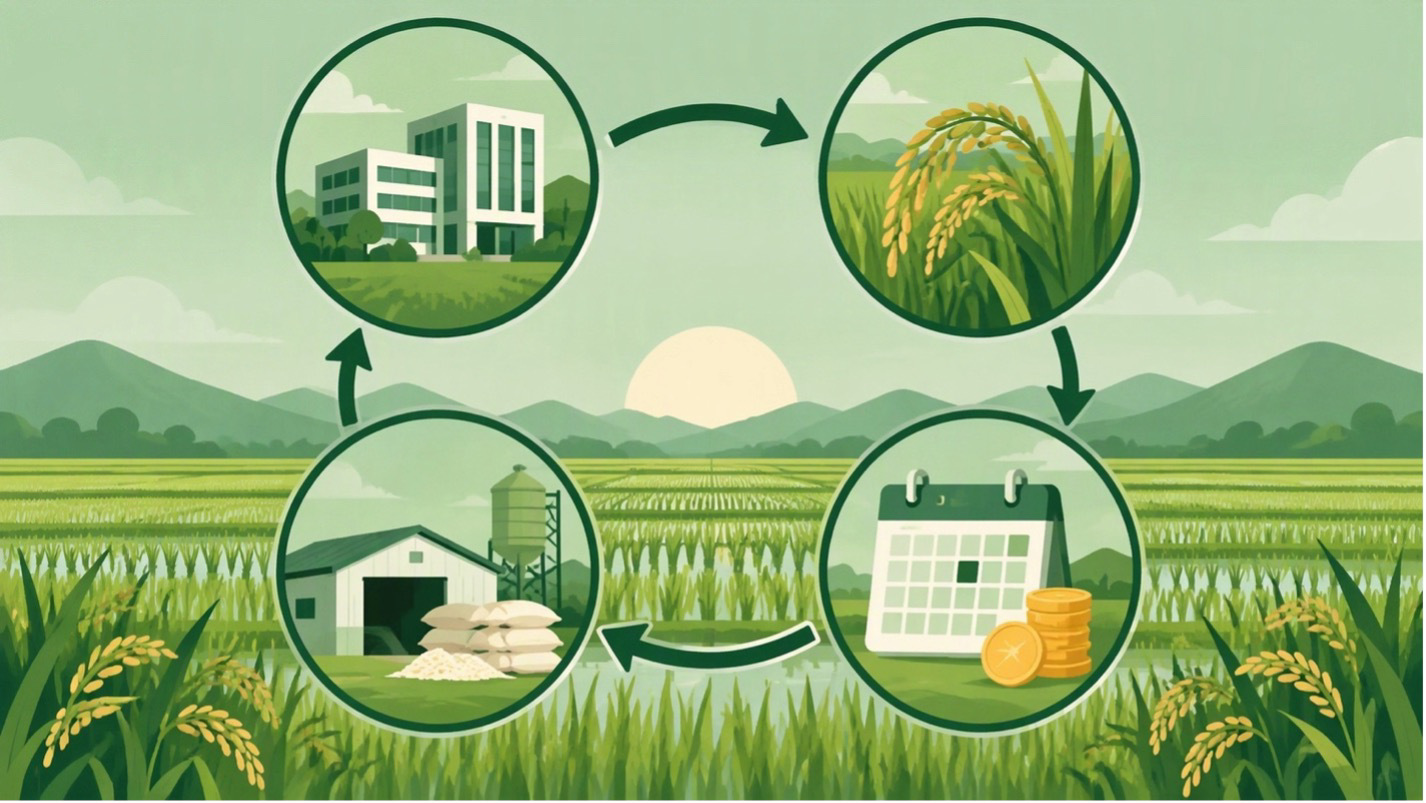
ESGグリーン新幹線が目指しているのは、この問いを四半期ごとに確認できる仕事に分解することです。支払日、受益する農家、復耕した面積、土壌サンプリング。カーボンクレジットはゴールではありません。健康な土壌、香り高くふっくらとした一杯のご飯、そして耕し続けようとする農家こそ、私たちが本当に守りたいものです。企業や学校、そして友人の皆さん、ぜひ田んぼを歩き、炭素農業の田んぼで育ったお米を味わい、農家のこの1年の話に耳を傾けてみてください。
From COP31 to Hualien–Taitung Paddies: How Corporate Support Can Keep Pace with the Farming Calendar
Xiaoxue, the Minor Snow solar term, brings the first snow to the north. In Taiwan, paddies rest after the second rice harvest; farmers till the soil and sow green manure so the land can recover over winter before spring planting. This issue invites readers to pause at year's end and look at what has happened, both globally and in the soil beneath our feet.
Our focus is COP31, the 31st UN Climate Change Conference, which has just closed in Antalya, Türkiye. It was the longest climate summit on record, yet it ended without a cover decision. On the technical side, however, international carbon markets are moving from rule-making to quality. Over the past year, the UN's Paris Agreement Crediting Mechanism adopted or revised a series of methodologies, tools and standards — none of them for farmland or forests — while the only negotiating track dedicated to agriculture was deferred to 2027. For those of us working alongside smallholder carbon farmers in Taiwan and Japan, this is both a warning and an opportunity: farmland soil carbon cannot wait for diplomats, and high-integrity, verifiable voluntary projects with real co-benefits are a path companies can join today. This issue also does the climate-finance arithmetic: pledges from developed countries are growing, but money for irrigation, flood control and smallholder adaptation remains far short of need, and funds often travel from the summit hall to the field far more slowly than the farming calendar allows. We have compiled the full list of methodologies, tools and standards the UN carbon market adopted or revised this year, and set out the evidence Taiwan's farms can start gathering now, giving companies a checklist when choosing partners.
Beyond the global stage, we return to Taiwan's fields. Rice farmers in Hualien and Taitung are still finding ways to reach the next season after years of typhoons. Nanya Technology has stepped into a citrus orchard in Emei, Hsinchu, to pilot cover cropping with the grower. A National Pingtung University of Science and Technology team is using edge AI to help hillside orchardist Lin Shih-feng cope with macaques. All of these stories ask one question: how can corporate support arrive in time for the farming calendar and genuinely share farmers' labour and risk?
The ESG Green Shinkansen aims to turn that question into work that can be checked every quarter: payment dates, participating farmers, replanted area and soil samples. Carbon credits are not the end goal. Healthy soil, a bowl of fragrant rice and farmers who choose to keep farming are what we truly want to protect. Companies, schools and friends are welcome to visit the fields, taste the rice grown on carbon farms, and hear farmers tell the story of their year.
 努力小農