種碳節氣文摘 Carbon Farming Seasonal Digest | 立秋號 | 2026.8.7 | 第4期
|
|
|
|
Carbon Farming Seasonal Digest
種碳節氣文摘
|
|
|
|
2026立秋號
2026 年 8 月 7 日 · 第4期
Major Heat Issue · 8 August 2026 · No. 4
|
|
|
本期主題:可追溯,才是真永續
This Issue's Theme: Traceability is the true path to sustainable development
|
|
|
|
【發行人的話】 Publisher’s Note
親愛的讀者,
過去40年的職涯中,一直和打假脫不了關係,從1987年在民生報擔任助理記者時,就揭發當年的「馬肉冒充牛肉」獲得1988年的公共服務類金鼎獎,到後來進入汽車業的全球採購供應鏈管理與認證系統工作,也是因為全球汽車工業對於ISO品質、環境管理認證失去對第三方認證的信任,為了自救而設立QS-9000,ISO TS/16949的認可機構,拋開IAF(國際認可論壇)認證機構,自行開發汽車供應商品質認證系統,所以我也見證了第三方不實認證造成供應鏈的巨大傷害。有趣的是,越是缺乏互信、品質管理差的地方,大家仍越信任第三方檢測、認證。
2020年初,因為我長期觀察到小農是台灣環境與食安的基礎,而我發現台灣的小農系統正面臨工業化市場的侵蝕,真的小農已無生存的機遇,而所謂第三方認證、檢測,是大廠玩出來把小農趕出市場的伎倆,決心為小農服務,建立真實性、可追溯性的管理系統(努力小農App),讓小農可以輕鬆使用,消費者也可下載使用,直接向小農購買產品,進而幫助小農完成國際黃金標準的碳權和永續認證。現在我們請企業加入「ESG綠色新幹線」,讓小農與企業成為永續的伙伴。
危機也是轉機,從近來的食安危機,聖嬰現象(El Niño)氣候災難,回到ESG永續的真諦,從基本做起吧!
發行人 方儉 敬上
2026.立秋
|
|
Dear reader,
Over the past 40 years of my career, I have always been closely connected to anti-counterfeiting. From 1987, when I worked as an assistant reporter at Minsheng Daily to expose the case of 'horse meat passing off as beef,' which won the 1988 Golden Tripod Award in the Public Service category, I later entered the automotive industry working in global procurement supply chain management and certification systems. It was also because the global automotive industry lost trust in ISO quality and environmental management certifications and third-party certifications. To save myself, I established QS-9000, an ISO TS/16949 accreditation body. Setting aside the IAF (International Accreditation Forum) certification body, I developed my own automotive supplier quality certification system, so I have witnessed the huge damage caused by false third-party certification to the supply chain. Interestingly, the poorer the quality management, the more people trust third-party testing and certification. At the beginning of 2020, because I had long observed that small farmers are the foundation of Taiwan's environment and food safety, I found that Taiwan's small farmer system was facing erosion from the industrialized market. Real small farmers had no chance to survive. So-called third-party certification and testing were tactics used by big companies to drive small farmers out of the market. I was determined to serve them by establishing a genuine and traceable management system (the MiHuMiSang App), making it easy for them to use and helping them achieve international gold standard carbon credit and sustainability certifications. Now, we invite companies to join the "ESG Green Bullet Train," making small farmers and businesses sustainable partners. Crisis is also an opportunity. From the recent food safety crisis and the El Niño phenomenon climate disaster, to returning to the true essence of ESG sustainability, let's start from the basics!
Sincerely,
Publisher: Jay Fang
2026•Beginning of Autumn
|
|
|
01 立秋心語|Beginning of Autumn Wisdom
|
|
|
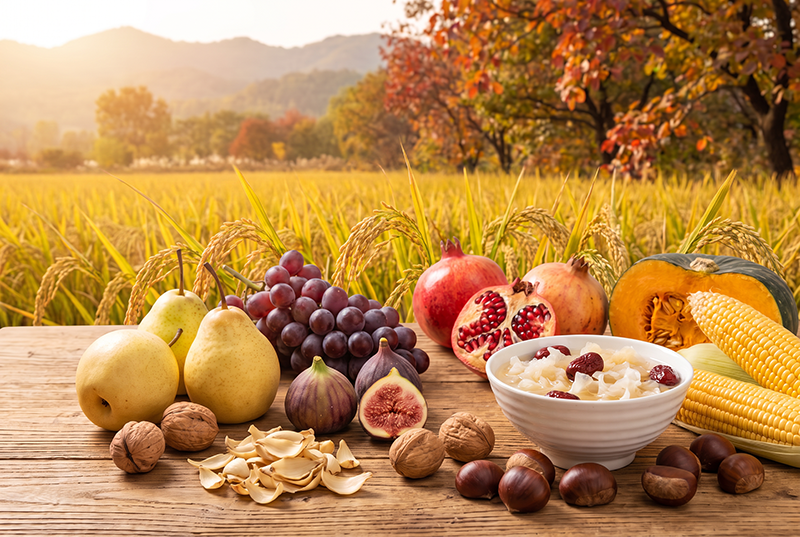
立秋是秋季的開端,象徵暑去涼來。此時日間氣溫雖仍偏高,常有「秋老虎」發威,但晝夜溫差已逐漸加大,空氣也由濕熱轉為乾燥,即所謂「秋燥」。健康養生重點在於「潤燥與防涼」:
- 飲食調理:應以養陰潤肺為主,可多食用水梨、百合、銀耳等滋潤食材,減少辛辣與油炸食物。
- 起居防護:早晚溫差較大,宜適時添衣防範感冒;同時保持充足睡眠與舒暢心情,順應時節平衡身心。
|
|
The Beginning of Autumn marks the beginning of autumn, symbolizing the end of summer and the arrival of coolness. Although daytime temperatures remain high and the 'autumn tiger' often takes effect, the temperature difference between day and night gradually increases, and the air shifts from humid heat to dryness—this is what is known as 'autumn dryness.' The key to health preservation lies in "moisturizing dryness and preventing coldness": Dietary adjustment: Focus on nourishing yin and moistening the lungs. Eat more nourishing ingredients such as pears, lily bulbs, and white fungus, and reduce spicy and fried foods. Daily Protection: There is a large temperature difference between morning and evening, so it's best to dress appropriately to prevent catching a cold. At the same time, maintain sufficient sleep and a relaxed mood, balancing body and mind according to the seasons.
|
|
|
|
|
可追溯,才是真永續:種碳ESG綠色新幹線如何杜絕黑箱
|
|
|
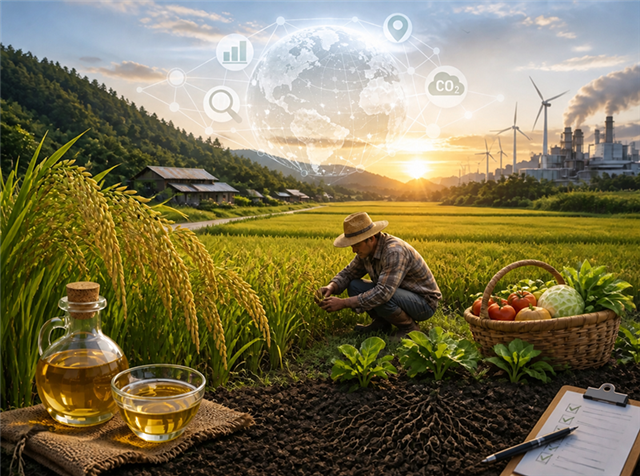
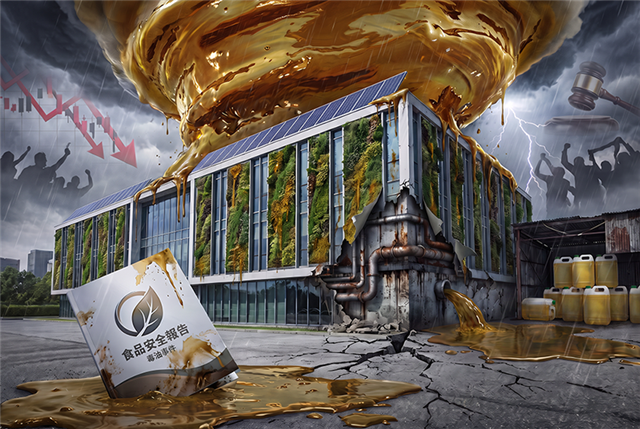
毒油風暴一再重演,問題不在缺認證,而在認證背後沒有真正可被公開檢驗的資料鏈。「ESG綠色新幹線」把企業與小農的關係從「採購」翻轉為「投資」:企業以生態服務給付(PES)合約投資小農種碳專案,列入資產負債表的氣候轉型資產。搭配三層憑證鏈——Gold Standard國際驗證、獨立盡職調查機構實地查核、簽證會計師確信報告——每一層都留下可被公開檢視的紀錄。全程透明公開:誰種的、在哪裡種的、如何種的、土壤有機碳如何變化,全部可追溯、可問責。ESG不是幫企業塗脂抹粉的美容術,而是企業面對經營風險、確保基業長青(business continuity)最踏實的做法。沒有可追溯性的永續,都只是包裝。
|
|
|
Taiwan's recurring cooking-oil safety scandals reveal a familiar gap: certifications exist, but the data behind them is rarely open to scrutiny. The ESG Green Bullet Train reframes the relationship between companies and smallholders from procurement to investment — enterprises fund carbon farming projects through Payments for Ecosystem Services (PES) contracts, recorded as climate transition assets on the balance sheet. A three-tier verification chain backs every claim: Gold Standard validation, independent on-site due diligence, and accountant assurance, each leaving an auditable, public record. Full transparency covers who grew it, where, how, and how soil organic carbon changes over time. ESG is not corporate cosmetics — it is how a business protects its own continuity. Sustainability without traceability is just packaging.
|
|
CH1|毒油風暴下的ESG治理與可追溯性 系列文章(1)
|
|
|
12年二毒油:從地溝油到苯駢芘,台灣食安治理為何一犯再犯?
|
|
|
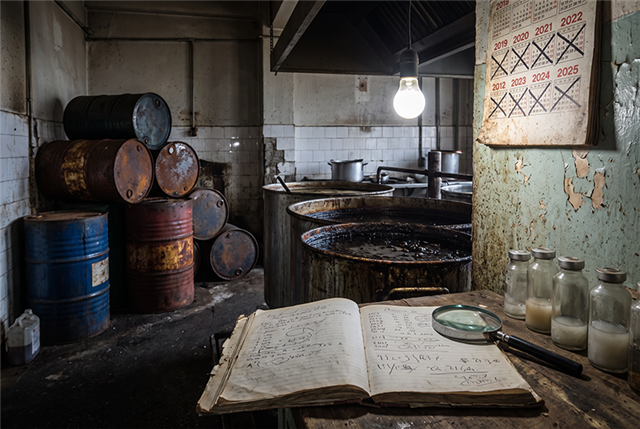
2014年地溝油事件後,金管會要求相關產業出具永續報告書並取得第三方確信,寄望堵住監理漏洞。十二年後,同樣的劇本重演:食用油出廠時苯駢芘超標逾四倍,卻延遲近三個月才通報,波及逾千家下游業者,主管機關開出台灣食安史上最高罰款。事件暴露出廠品管、通報機制、揭露即時性三個關鍵時刻同時失守,顯示制度存在不等於制度被落實。在苯駢芘真正的來源與生成機理都尚未查清之前,任何修法討論都只是亡羊補牢的第一步;真正該問的是,這一次,漏洞究竟補在哪裡。
|
|
In 2014, Taiwan's gutter-oil scandal prompted regulators to require third-party assurance of sustainability reports. Twelve years later, the same script repeated: a batch of cooking oil left the factory with benzopyrene levels four times over the legal limit, yet the company delayed reporting for nearly three months, affecting over a thousand downstream businesses and triggering the largest fine in Taiwan's food-safety history. The case exposed simultaneous failures in quality control, reporting triggers, and timely disclosure — proof that having rules is not the same as enforcing them. Before the true source of the contamination is even confirmed, any legislative fix is only a first step; the real question is where the gap was actually closed.
|
|
CH2|毒油風暴下的ESG治理與可追溯性 系列文章(2)
|
|
|
當「有機認證」也造假:ESG盡職調查、稽核、會計師確信為何集體失守?
|
|
|
這波食安風暴中,連標榜「有機」的油品都被驗出致癌物超標,追查發現有機認證多半只驗證「加工過程未添加化學物質」,未必涵蓋原料真實產地。涉案代工廠對原料來源說法反覆不一,顯示所謂可追溯機制在真正需要被檢驗時完全派不上用場。若企業ESG重大性評估、第三方盡職調查、會計師確信報告任一關真正把關到底,這樣的事件不應該、也不可能發生。台灣不缺認證制度,缺的是認證背後有沒有人真的去查、查得夠不夠深。
|
|
In this scandal, even oil labeled "organic" tested positive for carcinogens above the legal limit. The gap: many organic certifications only verify that no chemicals were added during processing — not the true origin of the raw material. The implicated contractor gave inconsistent accounts of where its ingredients came from, showing that "traceability" mechanisms collapse exactly when they're needed most. If materiality assessment, third-party due diligence, and accountant assurance had each done their job, this should not — could not — have happened. Taiwan doesn't lack certification schemes; it lacks people who actually dig deep enough, and stay accountable for what they find.
|
|
CH3|毒油風暴下的ESG治理與可追溯性 系列文章(3)
|
|
|
「小農」本該代表在地與真實,卻正被兩種力量掏空:一邊是農友照片遭盜用偽冒成假商品,在社群平台投放廣告逾月未下架,檢舉無門;另一邊是油品業者標榜「在地小農契作」卻提不出原料溯源證明。兩起事件都指向同一問題:當「小農」可以被任意盜用、任意包裝,真正投入土地的農民反而是最大受害者。唯有讓「誰種的、在哪裡種的、如何種的」都能被公開查核,才能讓造假無所遁形,也讓真正的小農得到應得的信任與市場回報。
|
|
"Smallholder" is supposed to signify authenticity and local roots, yet that trust is being hollowed out from two directions: a farmer's photos were stolen and disguised as a fake product in unremoved social-media ads for over a month, with reports going nowhere; meanwhile an oil brand claimed "local smallholder contracts" it couldn't actually document. Both point to the same problem — when "smallholder" can be freely stolen or repackaged, the farmers who genuinely work the land suffer most. Only public, verifiable records of who grew what, where, and how can close that gap and restore the trust real smallholders have earned.
|
|
CH4|毒油風暴下的ESG治理與可追溯性 系列文章(4)
|
|
|
從毒油風暴看ESG漂綠風險:永續報告的三道防線在哪裡失守?
|
|
|
ESG常被誤解為企業形象工程,但這次毒油事件證明:ESG不是幫企業塗脂抹粉的美容術,而是確保基業長青(business continuity)的基本功。涉案公司並非沒有永續報告書,但供應鏈原料真實性這個最基本的重大議題沒被納管,延遲通報、虛報產量的行政指控,最終演變成證交所公開道歉、可能延伸的勞工與消費者爭議、甚至負責人刑事責任。永續報告書該回答的問題,從來不是「我們做了哪些好事」,而是「我們真正知道供應鏈裡在發生什麼事嗎」。
|
|
ESG is often mistaken for corporate image-building, but this scandal proves otherwise: ESG isn't cosmetic PR — it's the basic discipline that protects business continuity. The implicated companies did have sustainability reports, but supply-chain authenticity, the most basic material issue, was never properly managed. Delayed reporting and falsified production figures escalated into a public apology at the stock exchange, and potential labor disputes, consumer claims, and even criminal liability for executives. A sustainability report should never ask "what good things have we done" — it should ask "do we actually know what's happening in our own supply chain."
|
|
CH5|毒油風暴下的ESG治理與可追溯性 系列文章(5)
|
|
|
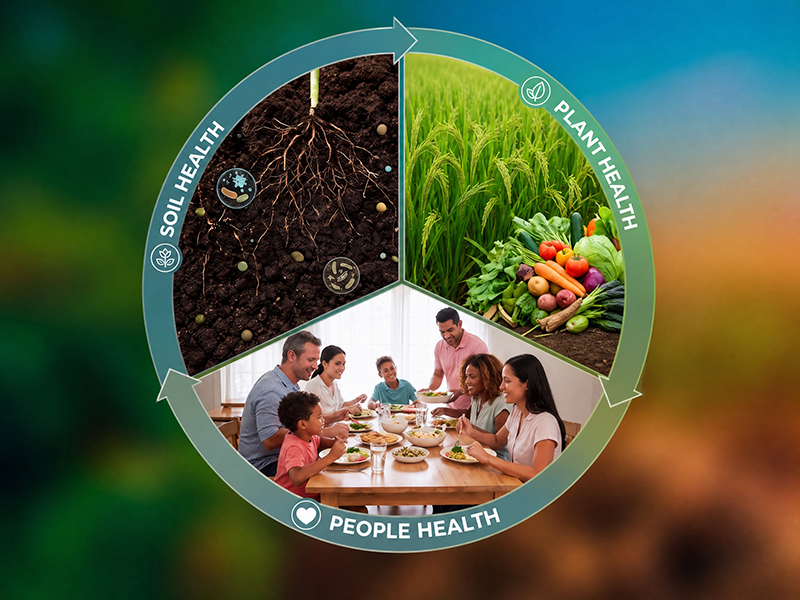
健康土壤、健康作物、健康人:One Health視角下的食安與淨零
|
|
|
食安、土壤健康與氣候治理表面上是三件事,實則是同一套治理問題的不同表徵——這正是FAO全球土壤伙伴與WHO One Health(大健康)架構的核心主張。稻米食味值與土壤有機碳含量呈正相關,健康的土壤直接關係作物品質與安全。對比原料產地不明的不透明供應鏈,種碳作物走相反路徑:單一產地、定期土壤有機碳檢測、農藥化肥全程記錄。FAO統計糧農系統排放占人為溫室氣體34%,其中10%來自剩食——食安治理、土壤健康、減碳三者本質上是同一條治理鏈。
|
|
Food safety, soil health, and climate governance look like three separate issues, but they are different faces of the same governance problem — the core insight behind FAO's Global Soil Partnership and WHO's One Health framework. A rice's taste score correlates directly with soil organic carbon: healthy soil means safer, better food. Against a backdrop of opaque, untraceable oil supply chains, carbon-farmed crops take the opposite path — single origin, regular soil carbon testing, and full records of fertilizer and pesticide use. FAO data shows the food system accounts for 34% of human greenhouse gas emissions, 10% from food waste alone — proof that food safety, soil health, and decarbonization sit on the same governance chain.
|
|
|
|
|
什麼是「三層憑證鏈」
What is a "three-layer certificate chain"
|
|
|
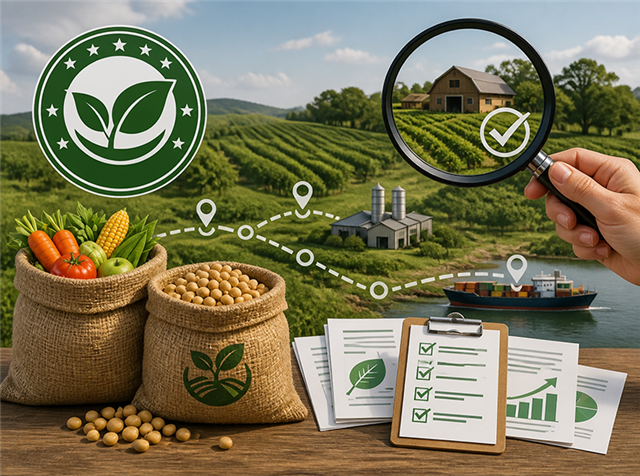
這波食安事件顯示,一張證書不足以證明真實性。種碳的做法是疊三層查核:第一層由Gold Standard認可的查核機構(VVB)依國際方法學驗證減碳量,數據登錄於GS Registry公開可查;第二層由不收費、獨立於企業與農戶之外的ESG盡職調查機構,實地確認生產真實性與分潤是否確實入農戶帳戶;第三層由企業簽證會計師依前兩層憑證,出具有限或合理確信報告,符合IFRS S1/S2揭露品質要求。三層彼此獨立、互相制衡,任何一層都留得下紀錄,經得起事後追查。
|
|
This wave of food safety incidents shows that a single certificate is not enough to prove authenticity. The approach to carbon cultivation is a three-layer audit: the first is verified by a Gold Standard-accredited auditing agency (VVB) using international methodologies, with data registered in the GS Registry for public access; The second layer is conducted by an ESG due diligence agency that is free of charge and independent of enterprises and farmers, to verify on site whether production authenticity and profit sharing are actually credited to farmers' accounts; The third layer is issued by corporate certified accountants based on the first two layers of certificates, with limited or reasonable assurance reports that meet IFRS S1/S2 disclosure quality requirements. The three layers are independent and mutually balanced; each layer can leave records and withstand investigation after the fact.
|
|
|
|
|
|
|
04 小農列傳|Biographies of Small Farmers
|
|
|
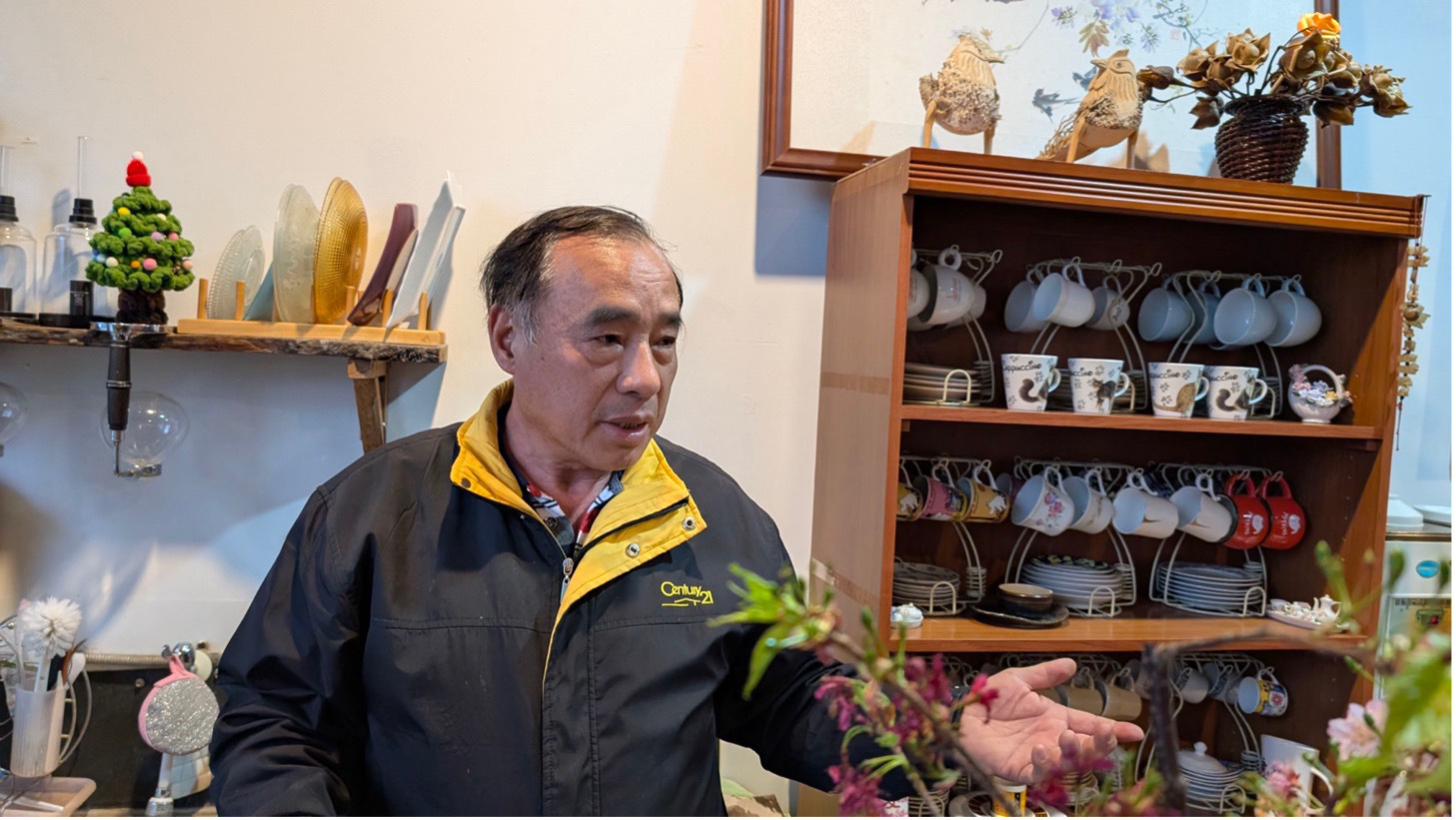
「米國總統」邱垂昌:比賽的目的還是要提高農民的水準和收入
|
|
|
|
從田間決定米的品質:邱垂昌與「總統米」的故事,連結的不只是個人冠軍榮耀,更是土地條件、農民技術與台灣米食文化的長期累積。
|
|
|
邱垂昌和他的「總統米」,以及從田間到米粒的品質故事。第一屆全國稻米品質競賽總冠軍邱垂昌認為,不論比賽如何轉型,最終仍在於農民的素質與收入;真正決定米的品質的,不只是市場行銷,而是田間管理、土地條件與農民長期累積的栽培能力。
|
|
Chiu Chui-chang and his "President Rice," and the story of quality from the field to the grain of rice. Chiu Chui-chang, the champion of the first National Rice Quality Competition, believes that no matter how the competition evolves, the ultimate issue is farmers' quality and income; What truly determines the quality of rice is not just marketing, but field management, land conditions, and the farmers' long-term cultivation skills.
|
|
|
|
|
怎麼開始支持種碳專案?
How to start supporting carbon planting projects?
|
|
|
不需要一次到位。企業可先以1公頃規模試行PES合約,投入資金並取得完整查核鏈與IFRS試點經驗;同時可將食農教育講座、員工餐廳供應在地低碳米、邀請供應商共同投資,納入內部推廣的第一步。透過農地實作、資料公開、逐步擴大規模,讓永續投資禁得起檢驗,而不是等出事才補救。
|
|
You don't need to get it all at once. Companies can first pilot PES contracts on a scale of 1 hectare, invest capital, and gain comprehensive audit chain and IFRS pilot experience; At the same time, food and agriculture education seminars, the supply of local low-carbon rice in the employee cafeteria, and inviting suppliers to jointly invest can be included as the first steps in internal promotion. Through farmland implementation, data disclosure, and gradual scaling, sustainable investment can withstand scrutiny, rather than waiting for problems to be remedied.
|
|
|
|
|
下一期(第5期・處暑,2026年8月23日)主題「小農種碳專家諮詢會議 & 利益關係者諮詢會議」,將依Gold Standard for Global Goals(GS4GG)利益關係者諮詢與參與要求,介紹種碳專案如何邀請在地社區、專家與弱勢群體參與,讓專案設計從一開始就公開透明、可被問責。
The next session (Session 5: End of Heat, August 23, 2026) will feature the theme "Smallholder Carbon Expert Consultation Meeting & Stakeholder Consultation Meeting." Based on the Gold Standard for Global Goals (GS4GG) stakeholder consultation and participation requirements, it will introduce how carbon farming projects invite local communities, experts, and disadvantaged groups to participate, ensuring project design is open and transparent from the very beginning, and accountable.
上一期電子報:種碳節氣文摘 第3期 【大暑號】
|
|
|
|
天地和氣股份有限公司是因綠色消費者基金會倡議環安、農安、食安而設立的營利機構,開發「努力小農 App」,並從事國際自願性減碳專案,幫助小農取得國際碳權認證,實踐永續發展目標。
Eco-Affinity Inc. is a for-profit enterprise established in response to the Green Consumers' Foundation's advocacy for environmental, agricultural, and food safety. The company developed the "Mihumisang App" and engages in international voluntary carbon reduction projects, helping small farmers obtain international carbon credit certification and realize sustainable development goals.
|
|
|
|
|
|
|
歡迎加入我們 官網 / YouTube / FB >>>
|
|
|
|
|
|
|
|
|
|
|
|
|