About Us
綠色消費者基金會是1990年發起地球日,和1992年台灣環保團體參加地球高峰會後決定成立的基金會,推動綠色消費運動。天地和氣股份有限公司是因綠色消費者基金會倡議環安、農安、食安而設立的營利機構,開發「努力小農 App」,並從事國際自願性減碳專案,幫助小農取得國際碳權認證,實踐永續發展目標。
Google Translate
網頁由Google自動翻譯內容不準確之處請多包涵


種碳文摘/Carbon Farming Digest 第7期・秋分|節氣專文
從土壤到餐桌:健康稻米的食味科學之旅
身土不二,是東亞農業文化中一句古老的信念:人的身體與所賴以維生的土地,本是不可分割的一體。種碳計畫走到今天,我們愈來愈相信,要讓這句話從口號變成小農與消費者都能感受到的日常,「食味值」正是那把鑰匙。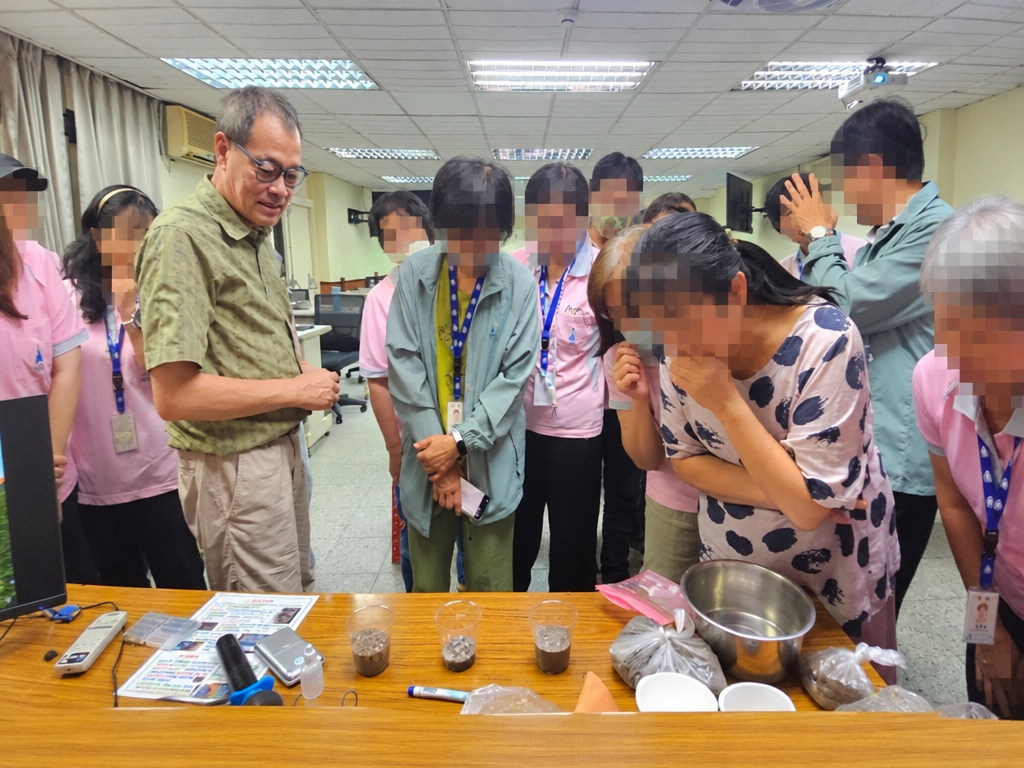
9月8日,池上萬安社區活動中,我們與種碳小農圍坐一起,談的不是碳權,也不是認證條文,而是每一碗飯入口的滋味。食味值是以澱粉、蛋白質、水分等指標,量化稻米口感的科學工具,數值愈高,代表米飯愈軟Q、愈甘甜。我們向農民說明其背後的科學與感官原理,並實際以雙氧水進行測試示範——雙氧水與土壤有機質反應產生氣泡的多寡,可以直觀地讓農民「看見」土壤中有機碳的存在。當農民親眼看到雙氧水在健康土壤中冒出綿密氣泡,再對照自家稻米的食味分數,兩者之間的因果關係,比任何一張認證報告都更有說服力。這也是為什麼在ESG綠色新幹線沙盒計畫中,我們選擇以食味值作為訂價標準:唯有把「種得用心」與「賣得起價」直接掛勾,才能讓農民逐漸從長期只重產量、輕忽產值與價值的思維中走出來。
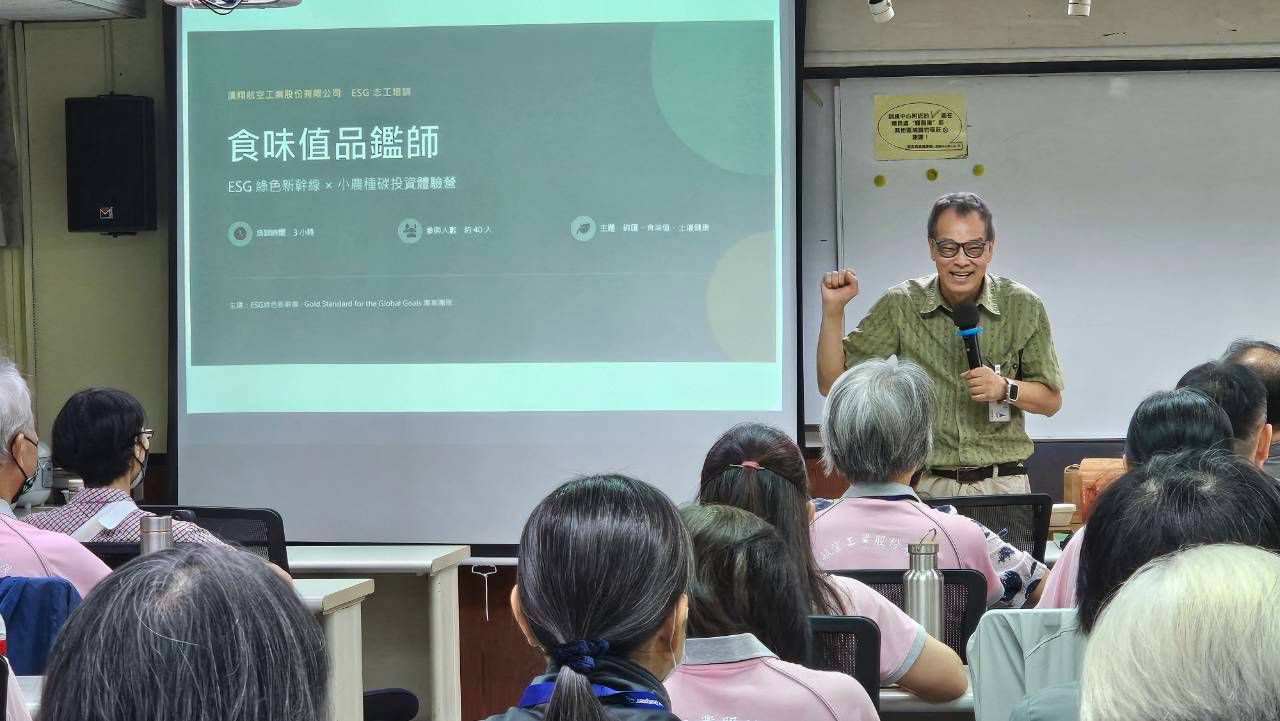
如果說9月8日是小農端的「身」,那麼9月18日在漢翔公司志工團隊訓練中的活動,則是消費者端的「土」——我們試圖讓城市裡的消費者,也能透過味覺重新連結土地。40多位漢翔志工熱情參與,在完全不知情的盲測條件下,分別品嚐食味值60分、70分、79分的三款米飯。志工們此前從未聽過「食味值」這個名詞,但憑著對米食、美食最基本的判斷力,幾乎所有人都能明確地把三款米飯依高、中、低分排列出來。這個結果讓我們更加確信:食味值不是專家才懂的抽象數字,而是每個人味蕾都能驗證的真實體驗,這正是讓消費者信任「這碗飯背後有健康的土壤」最直接的方式。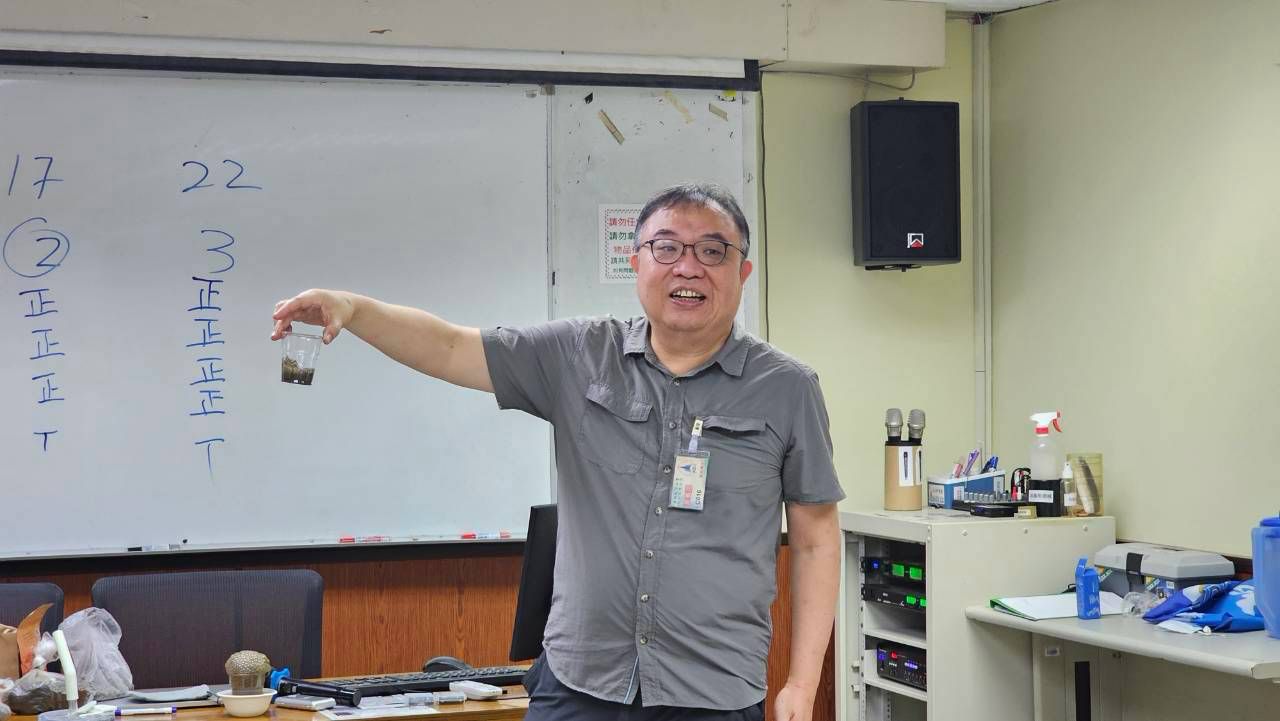
活動中,逢甲大學社會創新學院院長兼合作經濟暨社會事業經營學系助理教授全程參與並給予指導。他特別提醒,國際間對ESG的檢視標準正在快速升高,過去企業只要發布一份漂亮的永續報告書就能過關的時代已經過去,「反漂綠」將成為未來主流。他本人身兼多家企業的ESG評鑑委員,會要求企業拿出證據,證明自己對環境、社會、治理與永續確實做出了貢獻,而不只是紙上談兵。
這也正是天地和氣長期以來的堅持。方儉強調,在黃金標準認證的小農種碳計畫中,我們提供的不只是一份碳匯數字,而是完整的物流、資訊流、金流證據鏈,用以滿足國際ESG/SDG認證真正要求的兩條底線:第一,產品確實來自有需要的小農,而不是掛名代工;第二,小農能夠取得企業ESG投資或採購金額七成以上的實質回報,而且這一切都必須符合國際財務揭露準則(IFRS)中永續與氣候風險財務揭露的規範,經得起檢驗。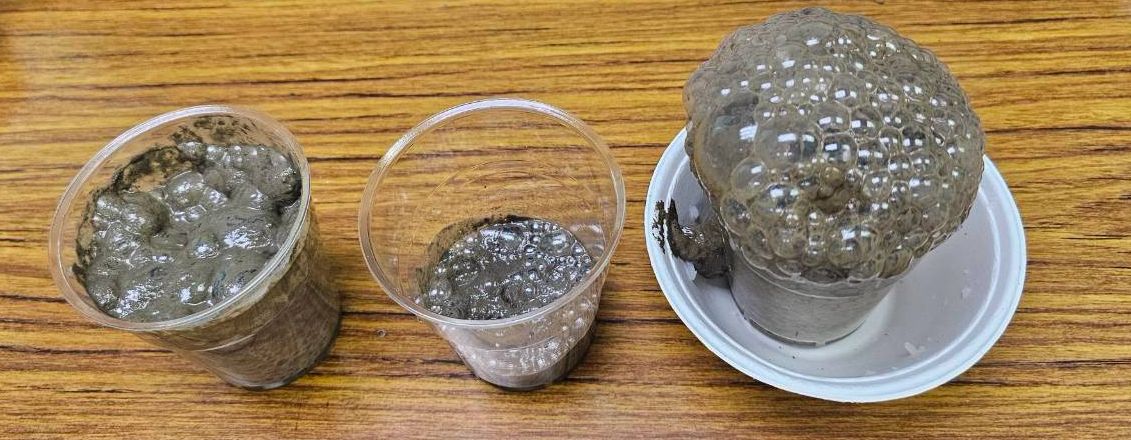
從池上田邊的雙氧水測試,到漢翔志工的盲測餐桌,食味值成為連結生產端與消費端的一條清晰路徑:農民因為看得見土壤有機碳的證據而更願意投入,消費者因為嚐得出食味值的差異而更願意支持。
下一步,我們計畫把這套訓練模式帶進更多企業的志工日與員工教育訓練中,讓「盲測食味值」成為企業認識ESG採購、認識種碳小農的第一堂課,而不只是聽一場簡報。我們也在思考,是否能把食味值檢測結果,直接標示在每一批出貨稻米的包裝上,讓消費者在下單的那一刻,就能看見這碗飯背後的土壤故事,而不需要另外查詢認證報告。身土不二,不再只是一句古老的諺語,而是我們每天都在努力具體實踐的承諾。
如果您所屬的企業有興趣更深入了解食味值,或希望實際安排一場食味值品鑑訓練,歡迎與我們聯絡:電話 0906-892-567,或 Email:service@mihumisang.org。
English Summary
"The body and the soil are not two" is an old East Asian farming belief: our bodies and the land that sustains us are inseparable. As the carbon farming program matures, we increasingly believe that palatability score — Miwaku — is the key to turning that belief into something both farmers and consumers can actually feel.
On September 8, in Wan-an, Chishang, we sat with carbon-farming smallholders to talk not about carbon credits or certification clauses, but about the taste of every bowl of rice. Palatability score quantifies rice texture using indicators such as starch, protein, and moisture content — the higher the score, the softer, chewier, and sweeter the rice. We explained the science and demonstrated a hydrogen-peroxide test in the field: the more the peroxide bubbles when it meets soil organic matter, the more organic carbon is present, letting farmers literally see it. Seeing dense bubbling in healthy soil, then comparing it to their own rice's palatability score, made the causal link more persuasive than any certification report. This is why, under the ESG Green Shinkansen sandbox, we chose palatability as the pricing benchmark: only by directly tying careful cultivation to a better price can farmers move away from a mindset that has long prized yield alone.
If September 8 addressed the farmers' side of "the body," September 18's training with AIDC's volunteer team addressed "the soil" for consumers. Over forty volunteers blind-tasted rice scoring 60, 70, and 79, having never heard the term before, yet nearly all correctly ranked them high to low — proof that palatability is not an abstract expert metric but something every palate can verify.
The Dean of Feng Chia University's College of Social Innovation, who advised the session, warned that international ESG scrutiny is tightening fast and that "anti-greenwashing" will be the new mainstream; as an ESG evaluator himself, he demands real evidence of contribution, not paperwork. This echoes Tian Di He Qi's long-standing commitment: under Gold Standard certification, we provide a full evidentiary chain of logistics, information, and financial flows, meeting two genuine ESG/SDG baselines — that products truly come from farmers in need, and that farmers receive over seventy percent of the real value, all compliant with IFRS sustainability and climate disclosure standards. From peroxide bubbles in a Chishang field to a blind tasting table in a volunteer hall, palatability score is becoming the clear thread connecting soil to table.
If your company would like to learn more, or arrange a hands-on palatability tasting training, please contact us: phone 0906-892-567, or email service@mihumisang.org.